








Disclosure
The artwork for the main menu and the graphics for the shop and library pages were generated by AI.
- Creator
- Spacinger
- Reviews
- -
- Added
- Mar 18, 2026
Public Steam disclosure research 25,497 disclosures tracked
Search developers’ Steam disclosures, compare classified AI use across games, and follow recorded changes. This index adds cross-game classifications and statistics to statements published on individual store pages.
Code help, debugging and other development work.
Capsule art, trailers and promotional material.
Pre-made art, audio, writing and other game assets.
Interactive or runtime AI features disclosed by the developer.
Groups reflect automatic analysis of public disclosures; mature records are excluded. These counts do not measure AI use across all of Steam. Missing or unclear statements cannot establish whether a game uses AI.
The artwork for the main menu and the graphics for the shop and library pages were generated by AI.
Some non-core gameplay code and development assistance were generated with the help of generative AI tools during development. All gameplay design, final implementation, and creative decisions were reviewed and integrated by the developer.
Used AI for background music. Apologies.
Some visual assets were created with the assistance of generative AI tools and further refined and curated by the developer. No live AI generation occurs during gameplay.
This game uses generative AI in parts of the development process. Claude was used for programming assistance, ChatGPT Images for creating and refining some visual assets, and Suno for producing some music. All AI-assisted content was reviewed, selected, and modified as necessary by the developer before being included in the game. The game does not generate content or code with AI during gameplay and does not connect to external AI services.
This game uses AI-generated visual content in both the store page and in-game assets. Specifically: store page artwork (header, capsule images, and screenshots backgrounds), in-game character sprites, enemy sprites, background art, visual effects, item icons, and sprite-based animations were created with the assistance of AI image generation tools. All AI-generated content was reviewed, selected, edited, and refined by the development team to fit the game's art style. No AI-generated content is produced during gameplay — all assets are pre-rendered and curated before distribution.
Some visual assets and promotional materials for Slotbound were created with the assistance of generative AI tools. All AI-generated content was reviewed, refined, and integrated by the developer to ensure consistency with the game's artistic direction and quality standards.
Some of the soundtrack is generated using AI
The Legend of Wijaya utilizes pre-generated AI tools strictly as an assistive foundation for a minor portion of background environmental assets and foundational music tracks. All AI-assisted content is heavily manually edited, polished, and arranged by the developer to ensure it strictly matches the handcrafted pixel-art aesthetic and historical tone of the game.
Used AI to assist with coding and used to assist editing store page assets/imagery.
I used generative AI tools to assist in the creation of some environmental textures and background concept art. These assets were then manually edited and refined by our team to fit the game's final art style
AI tools were used to assist with drafting and translating the Steam store page text.
Generative AI tools were used during the development of this game. No generative AI systems are used during gameplay.
Artificial intelligence technologies are widely used to assist in translating text content into multiple languages. Some game assets are commercially licensed materials generated by artificial intelligence. The developer added custom dynamic effects based on these source assets within the game engine. The game does not integrate any AI APIs, and no generative AI runs during gameplay.
Background images, and Main Header and artwork -not characters in the game
Some assets used during development were created with the assistance of AI tools, including background music, background images, character illustration support, and programming assistance. All AI-assisted content was reviewed, edited, and integrated into the game by the developer. The game does not generate AI content during gameplay and does not use generative AI systems at runtime. Original assets such as UI elements and pixel characters were created directly by the developer.
Generative AI tools were used during development to create some supporting materials, including store page and promotional text, as well as certain marketing/community images. In addition, the in-game music was generated using Suno. Generative AI is not used in real time during gameplay; all content was reviewed and, where necessary, edited by the developer.
This game code was optimized with Claude Code (AI model). Trailer for the game was partly generated with AI (initial 7 seconds).
I used AI for assistance.
Many of the assets and code in the game were created with the help of artificial intelligence. Since we don't have an artist, 95% of the visuals were created by AI.
Some visual assets used in this game were generated with the assistance of AI tools.
AI assisted with artistic creation, for example the background and characters.
some of the games assets were generated using ai. Almost every time I used ai when making this game I had to tweak something within the image. The code was entirely made by human input.
This game includes pre-generated visual assets created and edited using MidJourney. Written content was developed with AI assistance (ChatGPT, GitHub Copilot) and edited by the developer. Voice-over generated by ElevenLabs.
Generative AI was used during development for early ideation (e.g., concept exploration and/or placeholder text). Any content shipped in the game is reviewed, curated, and edited by the developer. Store page capsule images and promotional art created with AI assistance
I am a software engineer with over 20 years of professional experience in fields from robotics to AI (writing actual neural networks, not typing prompts) to healthcare. I used some generated content for scaffolding of UI/UX, as well as music and some background VFX, but I am responsible for and able to understand and modify every line of code. The game itself is built on a program I wrote by hand several months ago from time of release.
The Library Capsule, Library Header, and Library Hero are partially AI generated. The anime styled art is AI with some human edits but the logo and in game art are not AI.
Level backgrounds and logo were created using generative AI. Icons, character sprites, and music were purchased from an artist on Itch.io - if you or someone you know is able to create pixel art backgrounds that align with the game design - please reach out as I am happy to pay for their services.
Generative AI tools were employed to assist with localization and the creation of some art assets.
This game was made entirely with AI. The writing, code, art, music, and deployment were all created using generative AI tools — primarily Claude by Anthropic. That's not a disclaimer, it's the premise. Meet Claude is a satire about AI dependency, built with AI, by someone still figuring out where the line is.
AI used for text in-game and on the store page. All artwork in the game is fully handmade by me.
The music and translations in this game are generated using artificial intelligence technology. Additionally, the background images in the story sections, the coloring of the character Lang, the coloring of the boss in the third memory interface, and the images of the three crystals are also AI-generated.
Generative AI was trained on an original pixel art style and used to create the bases for props, which were then manually edited into their final forms.
Generative AI was used during the localization process to assist with translation and text refinement.
AI usage for some language localizations.
The images were generated using artificial intelligence.
Generative AI tools were used during development to assist in the creation of certain game assets, including 3D models, textures, images, voice processing, character dialogue, music, and sound effects. All AI-assisted content was reviewed, edited, and integrated by the developer to ensure quality and consistency with the game’s artistic vision.
The developer uses generative AI tools throughout the entire development process of this game. Visual Arts: All character illustrations, card designs, backgrounds, and UI elements were generated using AI. The developer has manually reviewed and post-processed these assets to ensure artistic consistency and quality. Code & Programming: The core game logic and systems were developed with the assistance of large language models (LLMs) to ensure stability and efficiency. Script & Dialogue: All narrative content, world-building lore, and character dialogues were generated using AI and subsequently edited by the developer for narrative flow. Commitment to Safety: > We ensure that the AI models and prompts used in development do not generate illegal or infringing content. All AI-generated assets have been thoroughly screened to comply with Steam's distribution policies.
This game contains a mix of human-created and AI-generated pixel art assets. Some assets were initially AI-generated and then heavily modified by a human artist (e.g. the battle map hexes, horse sprites, intro screen). The voice acting was generated with XTTS v2, an open-source text-to-speech model. This allowed a one-person project to have a large cast of voiced characters.
Some poster designs.
Some art assets (cargo icons, music tracks, marketing images) were created with assistance from AI generation tools and refined by the developer. All game code, design, and gameplay systems are human-created. No AI content is generated at runtime during gameplay.
Development uses AI tools as coding assistants to optimize scripts and refactor systems. Some UI icons and graphic elements may have been generated or iterated with AI assistance, but all were manually reviewed and edited to ensure final quality.
We are using AI to create feature phone-style frames.
AI was used in the creation of some assets.
The store page capsule image (cover art) was generated using AI.
AI generative models were used to create localization files to support languages that would otherwise be difficult for a solo developer. Placeholder AI-generated assets have been created for the Steam store splash images, with the intent of commissioning an artist if this gains community support. All in-game assets (sprites, music, sound effects, UI elements, and interactive content) were created by humans and are credited in the game credits. CPU opponents use traditional game AI algorithms, not generative AI models. This is the third iteration of development, that was originally developed in 2019 with HTML + JS, then rebuilt in Unity, and then transferred to LOVE2D written in Lua. It was more-or-less built with a box of scraps in a cave in its first iterations, and modern software since those days have effectively blurred the line where task automation meets unethical AI consumption. It's up to each of us to determine where that line is for ourselves in a rapidly changing digital age. As both a solo game dev and multimedia artist carrying a full-time job in neither of those fields, I feel that it's important to be educating ourselves on where AI can be a useful tool to allow new opportunities and expand capabilities for independent creators that are otherwise untenable, while keeping the human side of game dev at its core, especially in the indie genre.
Only used strictly as a foundational tool to assist in creating base concepts for certain 2D sprites and background textures. Every AI-assisted asset was heavily modified, color-corrected, and manually integrated to fit the retro aesthetic.
Generative AI was used during the development process to assist in creating 2D visual assets, including the character art (the cyber cat) and promotional imagery. These assets were pre-generated and are included as static files within the application.
AI was used to assist with writing/editing text (I’m a non-native English speaker), as well as for calculations and development troubleshooting. No AI-generated art, audio, or in-game writing is included in the game, and the game does not generate AI content during gameplay.
Built by a solo developer using AI as a creative tool for coding, music composition, and production support.
| Title⇅ | Disclosure | Creator⇅ | Src | Reviews⇅ | Added↓ |
|---|---|---|---|---|---|
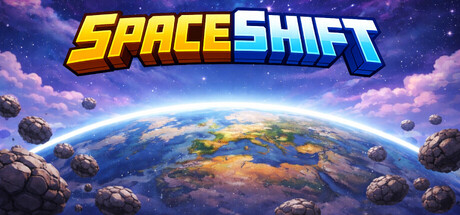 SpaceShift Store/marketing art | The artwork for the main menu and the graphics for the shop and library pages were generated by AI. | Spacinger | - | Mar 18, 2026 | |
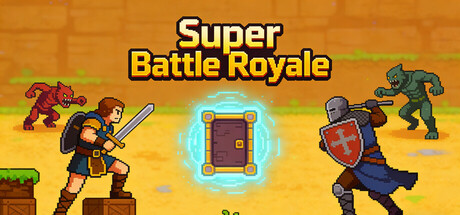 Super Battle Royale Dev only code | Some non-core gameplay code and development assistance were generated with the help of generative AI tools during development. All gameplay design, final implementation, and creative decisions were reviewed and integrated by the developer. | Yile Studio | - | Mar 18, 2026 | |
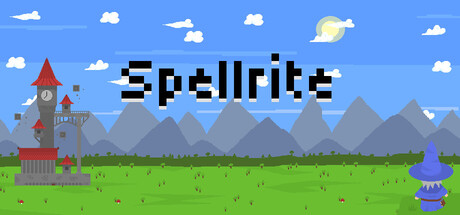 Spellrite In-game content audio | Used AI for background music. Apologies. | Ethan Pribadi | - | Mar 18, 2026 | |
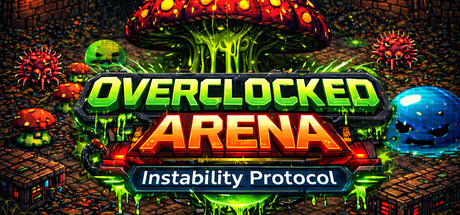 Overclocked Arena: Instability Protocol In-game content art | Some visual assets were created with the assistance of generative AI tools and further refined and curated by the developer. No live AI generation occurs during gameplay. | Terminal State Games | - | Mar 18, 2026 | |
 Dice Ark In-game content artaudiocode | This game uses generative AI in parts of the development process. Claude was used for programming assistance, ChatGPT Images for creating and refining some visual assets, and Suno for producing some music.
All AI-assisted content was reviewed, selected, and modified as necessary by the developer before being included in the game.
The game does not generate content or code with AI during gameplay and does not connect to external AI services. | Yoigoshi Studio | - | Mar 18, 2026 | |
 LoopiaLike In-game content art | This game uses AI-generated visual content in both the store page and in-game assets. Specifically: store page artwork (header, capsule images, and screenshots backgrounds), in-game character sprites, enemy sprites, background art, visual effects, item icons, and sprite-based animations were created with the assistance of AI image generation tools. All AI-generated content was reviewed, selected, edited, and refined by the development team to fit the game's art style. No AI-generated content is produced during gameplay — all assets are pre-rendered and curated before distribution. | Loopialike Games | 12 | Mar 18, 2026 | |
 Slotbound Store/marketing art | Some visual assets and promotional materials for Slotbound were created with the assistance of generative AI tools.
All AI-generated content was reviewed, refined, and integrated by the developer to ensure consistency with the game's artistic direction and quality standards. | Optima Arch | - | Mar 18, 2026 | |
 SS13 BAR SIM In-game content audio | Some of the soundtrack is generated using AI | el3_elo | - | Mar 18, 2026 | |
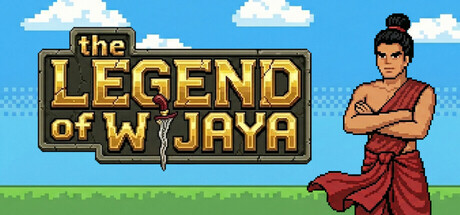 The Legend of Wijaya In-game content artaudio | The Legend of Wijaya utilizes pre-generated AI tools strictly as an assistive foundation for a minor portion of background environmental assets and foundational music tracks. All AI-assisted content is heavily manually edited, polished, and arranged by the developer to ensure it strictly matches the handcrafted pixel-art aesthetic and historical tone of the game. | Groovy Zebra Studio | - | Mar 18, 2026 | |
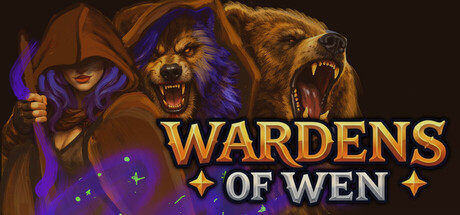 Wardens of Wen Store/marketing codeart | Used AI to assist with coding and used to assist editing store page assets/imagery. | Zachary Kaiser | 13 | Mar 18, 2026 | |
 Save New York 2030 In-game content art | I used generative AI tools to assist in the creation of some environmental textures and background concept art. These assets were then manually edited and refined by our team to fit the game's final art style | Black Belt Logic LLC | - | Mar 18, 2026 | |
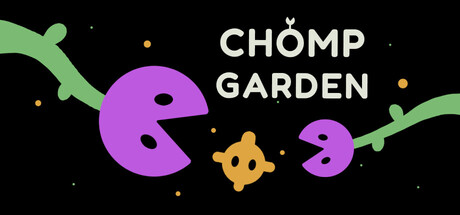 Chomp Garden Store/marketing text | AI tools were used to assist with drafting and translating the Steam store page text. | PawPaw Games | - | Mar 18, 2026 | |
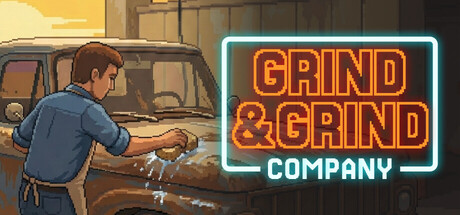 Grind & Grind Company Dev only | Generative AI tools were used during the development of this game. No generative AI systems are used during gameplay. | nontick Inc. | - | Mar 18, 2026 | |
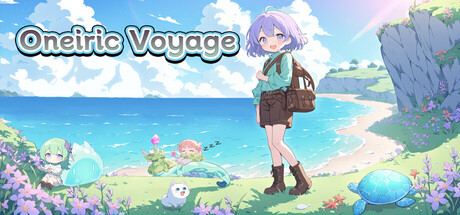 梦幻旅途 In-game content textart | Artificial intelligence technologies are widely used to assist in translating text content into multiple languages.
Some game assets are commercially licensed materials generated by artificial intelligence. The developer added custom dynamic effects based on these source assets within the game engine.
The game does not integrate any AI APIs, and no generative AI runs during gameplay. | 游梦像素 | - | Mar 18, 2026 | |
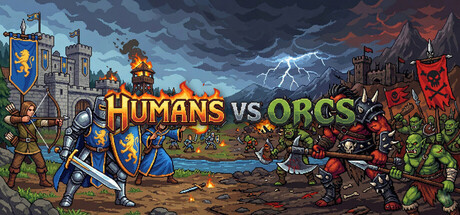 Humans Vs Orcs art | Background images, and Main Header and artwork -not characters in the game | ShakyHand | - | Mar 18, 2026 | |
 Luna Hollow - Dream Eater Defense In-game content audioartcode | Some assets used during development were created with the assistance of AI tools, including background music, background images, character illustration support, and programming assistance.
All AI-assisted content was reviewed, edited, and integrated into the game by the developer.
The game does not generate AI content during gameplay and does not use generative AI systems at runtime.
Original assets such as UI elements and pixel characters were created directly by the developer. | CHARON | 29 | Mar 18, 2026 | |
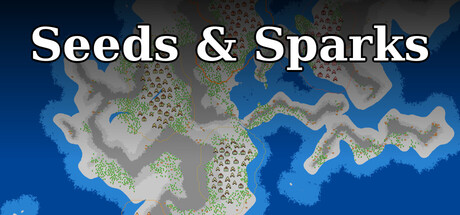 Seeds & Sparks In-game content textartaudio | Generative AI tools were used during development to create some supporting materials, including store page and promotional text, as well as certain marketing/community images.
In addition, the in-game music was generated using Suno.
Generative AI is not used in real time during gameplay; all content was reviewed and, where necessary, edited by the developer. | SMAR Studio | - | Mar 18, 2026 | |
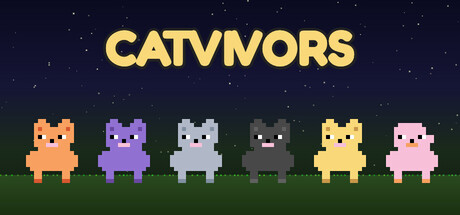 Catvivors Store/marketing codeart | This game code was optimized with Claude Code (AI model). Trailer for the game was partly generated with AI (initial 7 seconds). | Yotta Content LTD | - | Mar 18, 2026 | |
 Tiny Idle Farm Unclear | I used AI for assistance. | MLK Games | - | Mar 18, 2026 | |
 Dealer Bust! | Roguelike BlackJack In-game content artcode | Many of the assets and code in the game were created with the help of artificial intelligence. Since we don't have an artist, 95% of the visuals were created by AI. | Destina Games | - | Mar 18, 2026 | |
 RD Racing In-game content art | Some visual assets used in this game were generated with the assistance of AI tools. | See The Sea Std | - | Mar 18, 2026 | |
 The Winter Adventurer In-game content art | AI assisted with artistic creation, for example the background and characters. | Menace Gaming Studios | - | Mar 18, 2026 | |
 Evolver In-game content art | some of the games assets were generated using ai. Almost every time I used ai when making this game I had to tweak something within the image. The code was entirely made by human input. | lunatic studios | - | Mar 18, 2026 | |
 Ironseed : Lost Chapter In-game content arttextaudio | This game includes pre-generated visual assets created and edited using MidJourney.
Written content was developed with AI assistance (ChatGPT, GitHub Copilot) and edited by the developer.
Voice-over generated by ElevenLabs. | Robert Morgan | - | Mar 18, 2026 | |
 Doom of the Undying Store/marketing textart | Generative AI was used during development for early ideation (e.g., concept exploration and/or placeholder text). Any content shipped in the game is reviewed, curated, and edited by the developer.
Store page capsule images and promotional art created with AI assistance | ClawSea | - | Mar 18, 2026 | |
 eethCross In-game content artaudio | I am a software engineer with over 20 years of professional experience in fields from robotics to AI (writing actual neural networks, not typing prompts) to healthcare. I used some generated content for scaffolding of UI/UX, as well as music and some background VFX, but I am responsible for and able to understand and modify every line of code. The game itself is built on a program I wrote by hand several months ago from time of release. | eeth | - | Mar 18, 2026 | |
 Cliché Quest Store/marketing art | The Library Capsule, Library Header, and Library Hero are partially AI generated. The anime styled art is AI with some human edits but the logo and in game art are not AI. | Dane Reid | - | Mar 18, 2026 | |
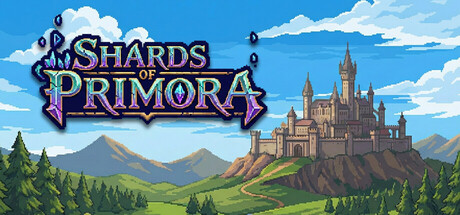 Shards of Primora In-game content artaudio | Level backgrounds and logo were created using generative AI. Icons, character sprites, and music were purchased from an artist on Itch.io - if you or someone you know is able to create pixel art backgrounds that align with the game design - please reach out as I am happy to pay for their services. | Vryapt | - | Mar 18, 2026 | |
 1K-Nights In-game content textart | Generative AI tools were employed to assist with localization and the creation of some art assets. | TokishigeMasaki | - | Mar 18, 2026 | |
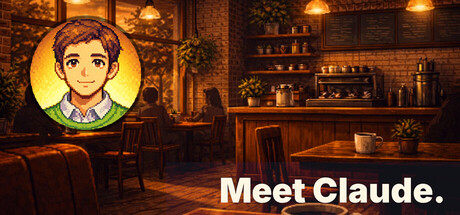 Meet Claude In-game content textcodeartaudio | This game was made entirely with AI. The writing, code, art, music, and deployment were all created using generative AI tools — primarily Claude by Anthropic. That's not a disclaimer, it's the premise. Meet Claude is a satire about AI dependency, built with AI, by someone still figuring out where the line is. | Farniente Lab | 10 | Mar 18, 2026 | |
 Rat Overflow In-game content text | AI used for text in-game and on the store page. All artwork in the game is fully handmade by me. | Little Beast Lab | 53 | Mar 18, 2026 | |
 生成式梦境 In-game content audiotextart | The music and translations in this game are generated using artificial intelligence technology. Additionally, the background images in the story sections, the coloring of the character Lang, the coloring of the boss in the third memory interface, and the images of the three crystals are also AI-generated. | 镜 | - | Mar 18, 2026 | |
 Letterwork In-game content art | Generative AI was trained on an original pixel art style and used to create the bases for props, which were then manually edited into their final forms. | Corban Millican | - | Mar 18, 2026 | |
 DEBRISVERSE In-game content text | Generative AI was used during the localization process to assist with translation and text refinement. | Studio RELIER | 27 | Mar 18, 2026 | |
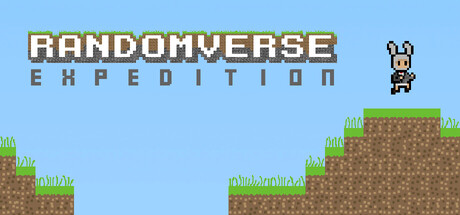 Randomverse: Expedition In-game content text | AI usage for some language localizations. | Randaro | - | Mar 18, 2026 | |
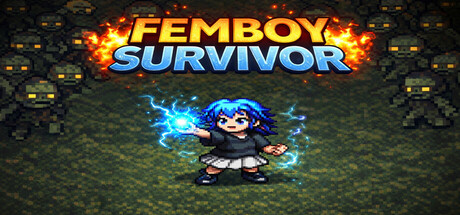 Femboy Survivor Store/marketing art | The images were generated using artificial intelligence. | Hellim Studios | - | Mar 18, 2026 | |
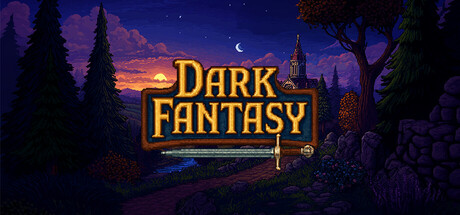 Dark Fantasy In-game content artaudiotext | Generative AI tools were used during development to assist in the creation of certain game assets, including 3D models, textures, images, voice processing, character dialogue, music, and sound effects. All AI-assisted content was reviewed, edited, and integrated by the developer to ensure quality and consistency with the game’s artistic vision. | Nolodin Games LLC | - | Mar 18, 2026 | |
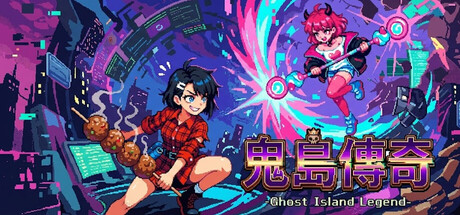 鬼島傳奇 In-game content arttextcode | The developer uses generative AI tools throughout the entire development process of this game.
Visual Arts: All character illustrations, card designs, backgrounds, and UI elements were generated using AI. The developer has manually reviewed and post-processed these assets to ensure artistic consistency and quality.
Code & Programming: The core game logic and systems were developed with the assistance of large language models (LLMs) to ensure stability and efficiency.
Script & Dialogue: All narrative content, world-building lore, and character dialogues were generated using AI and subsequently edited by the developer for narrative flow.
Commitment to Safety: > We ensure that the AI models and prompts used in development do not generate illegal or infringing content. All AI-generated assets have been thoroughly screened to comply with Steam's distribution policies. | 魔魔王 | - | Mar 18, 2026 | |
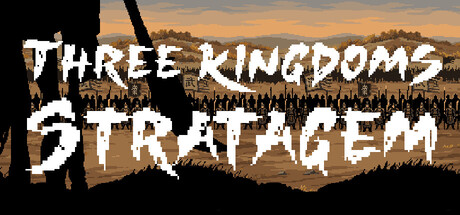 Three Kingdoms Stratagem In-game content artaudio | This game contains a mix of human-created and AI-generated pixel art assets. Some assets were initially AI-generated and then heavily modified by a human artist (e.g. the battle map hexes, horse sprites, intro screen).
The voice acting was generated with XTTS v2, an open-source text-to-speech model. This allowed a one-person project to have a large cast of voiced characters. | Iron Pagoda | - | Mar 18, 2026 | |
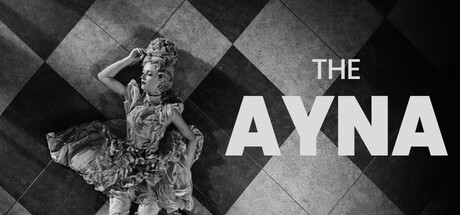 The Ayna Store/marketing art | Some poster designs. | Necha Games | - | Mar 18, 2026 | |
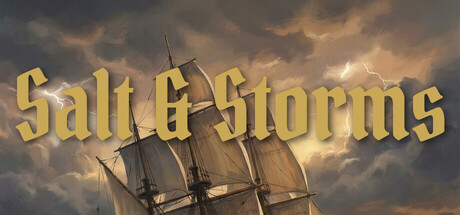 Salt & Storms In-game content artaudio | Some art assets (cargo icons, music tracks, marketing images) were created with assistance from AI generation tools and refined by the developer. All game code, design, and gameplay systems are human-created. No AI content is generated at runtime during gameplay. | Shoogar Games | - | Mar 18, 2026 | |
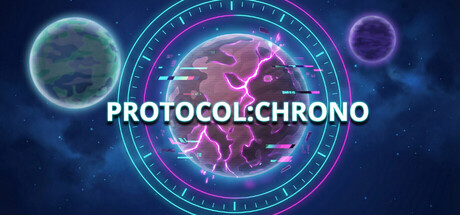 Protocol:Chrono In-game content artcode | Development uses AI tools as coding assistants to optimize scripts and refactor systems. Some UI icons and graphic elements may have been generated or iterated with AI assistance, but all were manually reviewed and edited to ensure final quality. | SilverMoon Labs | - | Mar 18, 2026 | |
 Revenger In-game content art | We are using AI to create feature phone-style frames. | nazenaninadesico | - | Mar 18, 2026 | |
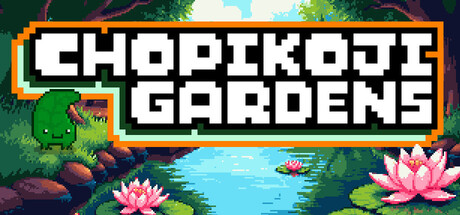 Chopikoji Gardens In-game content | AI was used in the creation of some assets. | Moleman Studios | - | Mar 18, 2026 | |
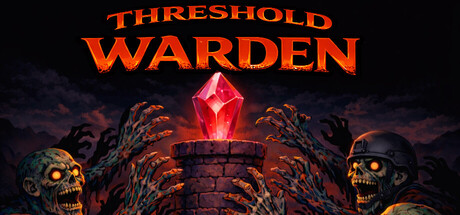 Threshold Warden Store/marketing art | The store page capsule image (cover art) was generated using AI. | HugePixel | 11 | Mar 18, 2026 | |
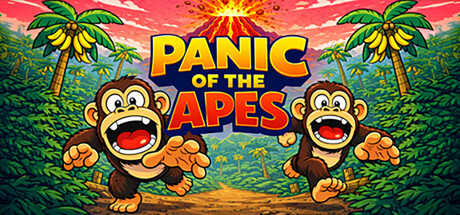 Panic of the Apes In-game content textart | AI generative models were used to create localization files to support languages that would otherwise be difficult for a solo developer. Placeholder AI-generated assets have been created for the Steam store splash images, with the intent of commissioning an artist if this gains community support. All in-game assets (sprites, music, sound effects, UI elements, and interactive content) were created by humans and are credited in the game credits. CPU opponents use traditional game AI algorithms, not generative AI models.
This is the third iteration of development, that was originally developed in 2019 with HTML + JS, then rebuilt in Unity, and then transferred to LOVE2D written in Lua. It was more-or-less built with a box of scraps in a cave in its first iterations, and modern software since those days have effectively blurred the line where task automation meets unethical AI consumption.
It's up to each of us to determine where that line is for ourselves in a rapidly changing digital age. As both a solo game dev and multimedia artist carrying a full-time job in neither of those fields, I feel that it's important to be educating ourselves on where AI can be a useful tool to allow new opportunities and expand capabilities for independent creators that are otherwise untenable, while keeping the human side of game dev at its core, especially in the indie genre. | Adam Weaver | - | Mar 18, 2026 | |
 Morse Depths: WWII In-game content art | Only used strictly as a foundational tool to assist in creating base concepts for certain 2D sprites and background textures. Every AI-assisted asset was heavily modified, color-corrected, and manually integrated to fit the retro aesthetic. | Sasunia Game Studio | - | Mar 18, 2026 | |
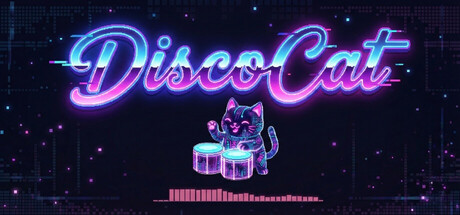 DiscoCat In-game content art | Generative AI was used during the development process to assist in creating 2D visual assets, including the character art (the cyber cat) and promotional imagery. These assets were pre-generated and are included as static files within the application. | LuviaWorks | - | Mar 18, 2026 | |
 Floaty Farm Dev only textcode | AI was used to assist with writing/editing text (I’m a non-native English speaker), as well as for calculations and development troubleshooting. No AI-generated art, audio, or in-game writing is included in the game, and the game does not generate AI content during gameplay. | Uzhuless | - | Mar 18, 2026 | |
 Drink In-game content codeaudio | Built by a solo developer using AI as a creative tool for coding, music composition, and production support. | Sam Small | - | Mar 18, 2026 |


