Public Steam disclosure research25,497 disclosures tracked
Where do games disclose AI use?
Search developers’ Steam disclosures, compare classified AI use across
games, and follow recorded changes.
This index adds cross-game classifications and statistics to
statements published on individual store pages.
Groups reflect automatic analysis of public disclosures; mature records are excluded. These counts do not measure AI use across all of Steam.
Missing or unclear statements cannot establish whether a game uses AI.
"Red Chair uses AI-assisted tools (such as ChatGPT and Midjourney) during development.
AI was used to help generate story materials, detective case files, and narrative texts, as well as some promotional artworks and store capsules.
All AI-assisted content was reviewed, edited, and finalized by our writing and art team before being included in the game.
No gameplay logic, detective mechanics, or interactive features were generated by AI."
Hello!
Since I’m new to this environment, I’m not yet fully familiar with how the process works.
AI tools were partially used to create some of the promotional images for the store page and a few in-game photos depicting students.
While developing the game we used various AI software to generate background images for our levels. Overall, we created more than 20,000 image out of which we selected the ones to be used in this first game release. We then further edited these / combined them in a photo editor to create the final background renderings seen in the game. Some of these images are also visible on the Steam Store page. However, the game itself does not use on-the-fly generative AI while the game is running. All AI images were pre-rendered during the development phase.
We also used AI to generate background music for all levels. We create over two hundred hours of such music, and then edited these to better suite our needs. The game itself does not contain any real time generative AI for music.
Throughout the development of our game, we may leverage AI-based tools to assist our small two-person team in content creation, but please rest assured that what you see in the game primarily reflects the creativity and hard work of our team; all core gameplay mechanics, level design, story, and programming were created entirely by our developers. Specifically, AI tools were utilized to generate atmospheric background music, eerie sound effects, and ambient noises for the Sound Design and Music, and were also used for minor visual elements such as unique textures, pictures, and posters used in some of our environments.
Some textures, objects, and parts of monsters were created with the help of AI, based on my sketches and followed by extensive edits. All the rest of the visuals are a mix of drawings and edited photographs.
We here at Toffee Co. used generative-AI tools during development to create artwork and write all the code. No content is generated while the game runs. All shipped assets were reviewed/edited by us; no real-person likenesses or third-party copyrighted IP are used.
Some artwork, in-game videos, and voices are AI generated for prototyping purposes but are planned to be entirely replaced with human-made content by the end of development and before release.
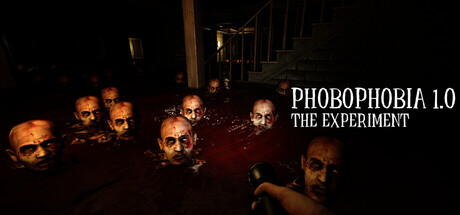
A very small portion of the visual artwork and environmental paintings in Phobophobia 1.0 – The Experiment were assisted by generative AI during development, used only sparingly for artistic refinement.
The game itself including all gameplay, story, and core content is 100 percent created by human developers, with no AI generated content used in game or produced live.
Ridiculous Games employs artists, designers and programmers to make our games. We used generative AI to help create this game. It's part of what lets a small team build a game like this. We believe in being transparent about the tools we use, but they're only tools. Every part of this game is reviewed, refined, and curated by our team to meet our creative vision and quality standards, and we hope you'll enjoy the game for the experience it delivers.
This game uses AI-generated music tracks and AI-generated UI icons.
All AI content is pre-rendered and shipped as standard audio and image files.
No AI generates content or code during gameplay.
During the development of this game, artificial intelligence was used to create some of the content:
🎨 A portion of the images and illustrations
🎵 The soundtrack
📝 Some in-game texts and localizations
All AI-generated content was carefully curated and reviewed to ensure high quality and alignment with the game's vision. AI was used as a tool in the creative process, but the final artistic oversight and approval of all content was performed by the game's author.
Our game uses generative AI during the development phase to create pre-rendered content including maps (using a Large Language Model) and code generation (using Claude AI). This content is finalized before release and included in the game and its marketing assets. We ensure all AI-generated content complies with copyright laws and Steam’s guidelines, and does not contain any infringing or inappropriate material.
The game does not use AI to generate any content or code live during gameplay. All AI-generated elements are pre-rendered before release. We comply with Steam’s standards distinguishing pre-rendered and live-generated AI content.
AI tools were used in a limited capacity during development:
· As Korean is not my native language, some Korean text was translated using AI. I am actively looking for a suitable localization translator; thank you for your understanding.
In the game, AI is used to recognize the questions raised by players in real time, and generates four types of responses ("Yes", "No", "Yes and No", and "Irrelevant") to help players solve the Lateral Thinking Puzzles.
User might use AI as necessary outside the the game. Any use of AI by players is done outside the executable itself. User generated content will NOT YET have a way to be imported to the game. The game is isolated and closed from interactions with AI beyond its simple assets.
This game uses AI-generated voice lines created with licensed text-to-speech technology.
All voiceovers were produced for entertainment purposes only and are not recordings of real actors.
"Red Chair uses AI-assisted tools (such as ChatGPT and Midjourney) during development.
AI was used to help generate story materials, detective case files, and narrative texts, as well as some promotional artworks and store capsules.
All AI-assisted content was reviewed, edited, and finalized by our writing and art team before being included in the game.
No gameplay logic, detective mechanics, or interactive features were generated by AI."
Hello!
Since I’m new to this environment, I’m not yet fully familiar with how the process works.
AI tools were partially used to create some of the promotional images for the store page and a few in-game photos depicting students.
While developing the game we used various AI software to generate background images for our levels. Overall, we created more than 20,000 image out of which we selected the ones to be used in this first game release. We then further edited these / combined them in a photo editor to create the final background renderings seen in the game. Some of these images are also visible on the Steam Store page. However, the game itself does not use on-the-fly generative AI while the game is running. All AI images were pre-rendered during the development phase.
We also used AI to generate background music for all levels. We create over two hundred hours of such music, and then edited these to better suite our needs. The game itself does not contain any real time generative AI for music.
Throughout the development of our game, we may leverage AI-based tools to assist our small two-person team in content creation, but please rest assured that what you see in the game primarily reflects the creativity and hard work of our team; all core gameplay mechanics, level design, story, and programming were created entirely by our developers. Specifically, AI tools were utilized to generate atmospheric background music, eerie sound effects, and ambient noises for the Sound Design and Music, and were also used for minor visual elements such as unique textures, pictures, and posters used in some of our environments.
Some textures, objects, and parts of monsters were created with the help of AI, based on my sketches and followed by extensive edits. All the rest of the visuals are a mix of drawings and edited photographs.
We here at Toffee Co. used generative-AI tools during development to create artwork and write all the code. No content is generated while the game runs. All shipped assets were reviewed/edited by us; no real-person likenesses or third-party copyrighted IP are used.
Some artwork, in-game videos, and voices are AI generated for prototyping purposes but are planned to be entirely replaced with human-made content by the end of development and before release.
A very small portion of the visual artwork and environmental paintings in Phobophobia 1.0 – The Experiment were assisted by generative AI during development, used only sparingly for artistic refinement.
The game itself including all gameplay, story, and core content is 100 percent created by human developers, with no AI generated content used in game or produced live.
Ridiculous Games employs artists, designers and programmers to make our games. We used generative AI to help create this game. It's part of what lets a small team build a game like this. We believe in being transparent about the tools we use, but they're only tools. Every part of this game is reviewed, refined, and curated by our team to meet our creative vision and quality standards, and we hope you'll enjoy the game for the experience it delivers.
This game uses AI-generated music tracks and AI-generated UI icons.
All AI content is pre-rendered and shipped as standard audio and image files.
No AI generates content or code during gameplay.
During the development of this game, artificial intelligence was used to create some of the content:
🎨 A portion of the images and illustrations
🎵 The soundtrack
📝 Some in-game texts and localizations
All AI-generated content was carefully curated and reviewed to ensure high quality and alignment with the game's vision. AI was used as a tool in the creative process, but the final artistic oversight and approval of all content was performed by the game's author.
Our game uses generative AI during the development phase to create pre-rendered content including maps (using a Large Language Model) and code generation (using Claude AI). This content is finalized before release and included in the game and its marketing assets. We ensure all AI-generated content complies with copyright laws and Steam’s guidelines, and does not contain any infringing or inappropriate material.
The game does not use AI to generate any content or code live during gameplay. All AI-generated elements are pre-rendered before release. We comply with Steam’s standards distinguishing pre-rendered and live-generated AI content.
AI tools were used in a limited capacity during development:
· As Korean is not my native language, some Korean text was translated using AI. I am actively looking for a suitable localization translator; thank you for your understanding.
In the game, AI is used to recognize the questions raised by players in real time, and generates four types of responses ("Yes", "No", "Yes and No", and "Irrelevant") to help players solve the Lateral Thinking Puzzles.
User might use AI as necessary outside the the game. Any use of AI by players is done outside the executable itself. User generated content will NOT YET have a way to be imported to the game. The game is isolated and closed from interactions with AI beyond its simple assets.
This game uses AI-generated voice lines created with licensed text-to-speech technology.
All voiceovers were produced for entertainment purposes only and are not recordings of real actors.