Public Steam disclosure research25,380 disclosures tracked
Where do games disclose AI use?
Search developers’ Steam disclosures, compare classified AI use across
games, and follow recorded changes.
This index adds cross-game classifications and statistics to
statements published on individual store pages.
Groups reflect automatic analysis of public disclosures; mature records are excluded. These counts do not measure AI use across all of Steam.
Missing or unclear statements cannot establish whether a game uses AI.
This game contains game assets created with machine learning technology and refined through human review and editing. Developed by Hayden-Fisher Technologies, Inc. (an independently owned tech consulting and engineering corporation).
Generative AI was used extensively during development to assist with writing and debugging code, creating concept and promotional artwork, and brainstorming game content. All final content was reviewed, tested, and implemented by the developer. The finished game does not use generative AI at runtime, and players will not encounter AI-generated content while playing.
Generative AI tools were used during development to assist in creating certain environmental textures and ambient sound effects to enhance the game's atmosphere. All generated assets were reviewed and integrated manually to fit the retro aesthetic of the game.
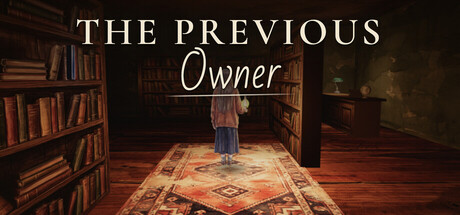
The Previous Owner uses generative AI as an assistive tool under human art direction and editorial control. The game's painted artwork — scene plates, room and prop textures, character and portrait art, the found photographs, the book spreads and the store art — was pre-generated with generative image tools, then curated, keyed, composited and hand-corrected by the developer; a small number of props are AI-generated 3D meshes, and some looping scene animations are AI-generated video. Music and sound effects are pre-generated with AI tools and edited by the developer. The narrative text is human–AI co-written under the author's direction and human-edited; the story, its structure and the game design are the author's. Everything ships pre-rendered in the build — the game generates nothing live during play. No real people are depicted; every character, book, photograph and document in the game is fictional.
Some in-game artwork (slot machine cabinet art, icons, and store page marketing images) was created with generative AI tools, then reviewed, selected, and post-processed by the developer. The game does not generate any content in real time.
Generative AI has been used for concepts and early sketches of some backgrounds. No final graphical assets included in the game have been generated by AI.
Some promotional images have been enhanced using AI.
Some music tracks have been created with the help of AI.
Some pre-rendered visual artwork, promotional material, as well as game elements were created with AI and then selected, edited, and integrated by the developer. The game does not generate AI content during gameplay and does not connect to third-party AI services during gameplay.
This game contains artwork and narrative content created with
the assistance of generative AI. All AI-generated materials
have been carefully reviewed, selected, and edited by the
development team to ensure quality and consistency with the
game's vision.
We believe AI tools can support and accelerate the creative
process when used responsibly, and we remain committed to
maintaining creative oversight and storytelling integrity
throughout development.
We've harnessed the power of Generative AI technology to create several of our game's unique theme background artworks, enhancing your gaming experience with visually stunning designs.
Generative AI was occasionally used to prototype assets and give ideas\reference for assets. It was also occasionally used to generate normal maps on textures I had created. Sometimes this had disastrous results.
Generated code is applied to:
Create some shaders (like smoke and vertex snapping)
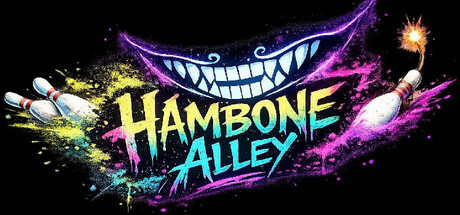
Procedurally draw billboard objects like pins and balls.
Procedurally produce sfx like pin knock sounds.
Some Store art is temporary generative concept art.
In-game Graffiti is hand drawn and not a product of generative AI.
Generative AI was used during development to assist with brainstorming, coding assistance, and drafting certain written materials. All game content, gameplay implementation, testing, review, and final decisions were completed and verified by the developer before release.
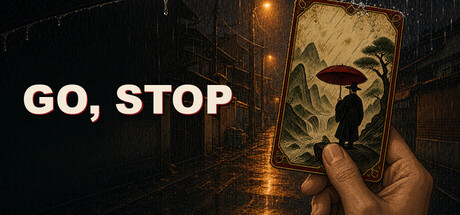
All 2D artwork (hwatu card illustrations, character portraits, backgrounds) and music tracks were created using generative AI tools, then curated, edited, and assembled by the developer. All AI content is pre-rendered during development — nothing is generated live at runtime. Localization was machine-assisted and human-reviewed. Store page assets were produced the same way.
I used Grok CLI for coding and all sprite generation. I use AI to debug.
There are AI generated videos in the tutorial sections.
AI was used to implement sound and music as well as menu assets and backgrounds.
No AI LLM is in the game. There is no real time AI asset generation or LLM streaming.
Some visual assets in the game (character portraits, photographs and website imagery) were created with the assistance of AI image generation tools, then curated and edited by the developer. Portions of the game's code were written with AI coding assistance. All narrative, game design, voice acting and story content were created by humans. The game does not generate any content at runtime using AI.
Some in-game text and code were written with AI assistance during development. All content was reviewed, edited and approved by the developer before shipping. The game does not generate any content using AI at runtime and does not connect to any AI service.
Generative AI tools (ChatGPT Image Generation / DALL-E) were used during development to generate concepts and visual marketing assets, including some store page banners and promotional artwork. All core gameplay pixel-art, character animations, sound design, and code were created manually by the developer.
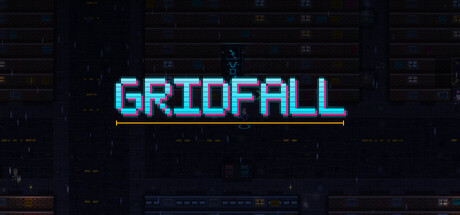
GRIDFALL was developed with extensive AI assistance (Anthropic's Claude): the game's code — including the procedural generators that produce all in-game art (pre-baked at build time) and synthesize all audio and music at runtime — was written with AI pair-programming under human direction and review. The game contains no pre-rendered AI-generated images or audio files; all art and audio assets are produced by deterministic code, and the sole third-party asset is the SIL-licensed Noto Sans UI font. Story, dialogue, and text were authored with AI assistance under human editorial control.
This game uses AI tools in a supporting capacity during the creation of some assets (such as background images, music, and sound effects).
No generated assets are used as-is; all have been processed, adjusted, and composited by human hands before being included in the game.
Generative AI tools were used to assist with the creation of some visual assets and music for the game. The resulting content was reviewed, edited, and integrated by the development team.
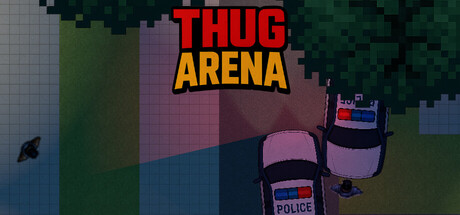
Thug Arena was made with the use of AI and LLMs to generate many of the graphical assets. The game was made by two brothers in our spare time, and none of us are artists or can afford to pay artists for this game. We have used AI creatively to get to a style we liked for the game including most but not all assets, such as trees, buildings, pedestrians and weapons.
FIRST LINE was designed and directed by its human developer: the gameplay systems, the mechanics, the narrative and every creative decision. The game's code — including the systems that render all visuals and synthesize all audio at runtime — was written with an AI coding assistant (Claude Code) under that direction. The English localization was also produced with AI assistance. No pre-generated AI images, audio, or video assets are included in the game. Parts of the store page text were also written with AI assistance.
Store artwork (capsules and icons) is likewise rendered by AI-written code under human direction.
AI tools were used during development to assist with programming and debugging. All game design, mechanics, artwork, audio, and final implementation decisions were created and managed by the developer.
This game contains game assets created with machine learning technology and refined through human review and editing. Developed by Hayden-Fisher Technologies, Inc. (an independently owned tech consulting and engineering corporation).
Generative AI was used extensively during development to assist with writing and debugging code, creating concept and promotional artwork, and brainstorming game content. All final content was reviewed, tested, and implemented by the developer. The finished game does not use generative AI at runtime, and players will not encounter AI-generated content while playing.
Generative AI tools were used during development to assist in creating certain environmental textures and ambient sound effects to enhance the game's atmosphere. All generated assets were reviewed and integrated manually to fit the retro aesthetic of the game.
The Previous Owner uses generative AI as an assistive tool under human art direction and editorial control. The game's painted artwork — scene plates, room and prop textures, character and portrait art, the found photographs, the book spreads and the store art — was pre-generated with generative image tools, then curated, keyed, composited and hand-corrected by the developer; a small number of props are AI-generated 3D meshes, and some looping scene animations are AI-generated video. Music and sound effects are pre-generated with AI tools and edited by the developer. The narrative text is human–AI co-written under the author's direction and human-edited; the story, its structure and the game design are the author's. Everything ships pre-rendered in the build — the game generates nothing live during play. No real people are depicted; every character, book, photograph and document in the game is fictional.
Some in-game artwork (slot machine cabinet art, icons, and store page marketing images) was created with generative AI tools, then reviewed, selected, and post-processed by the developer. The game does not generate any content in real time.
Generative AI has been used for concepts and early sketches of some backgrounds. No final graphical assets included in the game have been generated by AI.
Some promotional images have been enhanced using AI.
Some music tracks have been created with the help of AI.
Some pre-rendered visual artwork, promotional material, as well as game elements were created with AI and then selected, edited, and integrated by the developer. The game does not generate AI content during gameplay and does not connect to third-party AI services during gameplay.
This game contains artwork and narrative content created with
the assistance of generative AI. All AI-generated materials
have been carefully reviewed, selected, and edited by the
development team to ensure quality and consistency with the
game's vision.
We believe AI tools can support and accelerate the creative
process when used responsibly, and we remain committed to
maintaining creative oversight and storytelling integrity
throughout development.
We've harnessed the power of Generative AI technology to create several of our game's unique theme background artworks, enhancing your gaming experience with visually stunning designs.
Generative AI was occasionally used to prototype assets and give ideas\reference for assets. It was also occasionally used to generate normal maps on textures I had created. Sometimes this had disastrous results.
Generated code is applied to:
Create some shaders (like smoke and vertex snapping)
Procedurally draw billboard objects like pins and balls.
Procedurally produce sfx like pin knock sounds.
Some Store art is temporary generative concept art.
In-game Graffiti is hand drawn and not a product of generative AI.
Generative AI was used during development to assist with brainstorming, coding assistance, and drafting certain written materials. All game content, gameplay implementation, testing, review, and final decisions were completed and verified by the developer before release.
All 2D artwork (hwatu card illustrations, character portraits, backgrounds) and music tracks were created using generative AI tools, then curated, edited, and assembled by the developer. All AI content is pre-rendered during development — nothing is generated live at runtime. Localization was machine-assisted and human-reviewed. Store page assets were produced the same way.
I used Grok CLI for coding and all sprite generation. I use AI to debug.
There are AI generated videos in the tutorial sections.
AI was used to implement sound and music as well as menu assets and backgrounds.
No AI LLM is in the game. There is no real time AI asset generation or LLM streaming.
Some visual assets in the game (character portraits, photographs and website imagery) were created with the assistance of AI image generation tools, then curated and edited by the developer. Portions of the game's code were written with AI coding assistance. All narrative, game design, voice acting and story content were created by humans. The game does not generate any content at runtime using AI.
Some in-game text and code were written with AI assistance during development. All content was reviewed, edited and approved by the developer before shipping. The game does not generate any content using AI at runtime and does not connect to any AI service.
Generative AI tools (ChatGPT Image Generation / DALL-E) were used during development to generate concepts and visual marketing assets, including some store page banners and promotional artwork. All core gameplay pixel-art, character animations, sound design, and code were created manually by the developer.
GRIDFALL was developed with extensive AI assistance (Anthropic's Claude): the game's code — including the procedural generators that produce all in-game art (pre-baked at build time) and synthesize all audio and music at runtime — was written with AI pair-programming under human direction and review. The game contains no pre-rendered AI-generated images or audio files; all art and audio assets are produced by deterministic code, and the sole third-party asset is the SIL-licensed Noto Sans UI font. Story, dialogue, and text were authored with AI assistance under human editorial control.
This game uses AI tools in a supporting capacity during the creation of some assets (such as background images, music, and sound effects).
No generated assets are used as-is; all have been processed, adjusted, and composited by human hands before being included in the game.
Generative AI tools were used to assist with the creation of some visual assets and music for the game. The resulting content was reviewed, edited, and integrated by the development team.
Thug Arena was made with the use of AI and LLMs to generate many of the graphical assets. The game was made by two brothers in our spare time, and none of us are artists or can afford to pay artists for this game. We have used AI creatively to get to a style we liked for the game including most but not all assets, such as trees, buildings, pedestrians and weapons.
FIRST LINE was designed and directed by its human developer: the gameplay systems, the mechanics, the narrative and every creative decision. The game's code — including the systems that render all visuals and synthesize all audio at runtime — was written with an AI coding assistant (Claude Code) under that direction. The English localization was also produced with AI assistance. No pre-generated AI images, audio, or video assets are included in the game. Parts of the store page text were also written with AI assistance.
Store artwork (capsules and icons) is likewise rendered by AI-written code under human direction.
AI tools were used during development to assist with programming and debugging. All game design, mechanics, artwork, audio, and final implementation decisions were created and managed by the developer.