Public Steam disclosure research25,376 disclosures tracked
Where do games disclose AI use?
Search developers’ Steam disclosures, compare classified AI use across
games, and follow recorded changes.
This index adds cross-game classifications and statistics to
statements published on individual store pages.
Groups reflect automatic analysis of public disclosures; mature records are excluded. These counts do not measure AI use across all of Steam.
Missing or unclear statements cannot establish whether a game uses AI.
A minimal amount of non-essential content (such as minor textures and some translations) was created with limited AI assistance. No core gameplay, narrative, or artistic content was generated using AI.
AI helps me with texts on the Steam page (grammar correction, translations, and texts).
AI helps me correct errors in the game code and optimize it (Integrated Microsoft Copilot in the Visual Studio environment).
I don't use AI at all for music and sound creation.
I don't use AI at all for 3D or 2D graphics creation.
Some of the game's visual elements were created using AI tools during the development stage (for example, the design of Albums). Artists manually refined all such materials. Generative AI is not used in the gameplay and does not generate any content during the game.
AI is used in this game in the following ways:
- code generation and code error checking via LLMs
- AI is used to create reference images.
- The "generative fill" feature in Photoshop is used occasionally to create in detail on the stage artwork.
- AI generated images may be woven into certain stages.
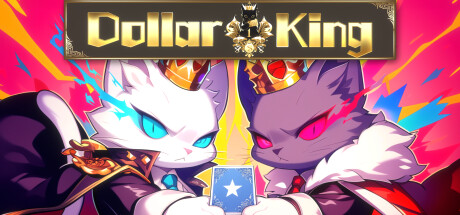
AI was used to enhance some card character drawings with more detail, and generate some voice lines. We'll strive to deliver more authentic content as soon as we can!
We use procedural and AI-assisted tools to support content creation. However, all final in-game content is shaped and reviewed by our development team reflecting our own creativity and expression.
AI is used to generate certain soundtracks, cosmetic and personalization elements, including car liveries, frames, avatars, and decals, allowing players to enjoy a wider variety of designs. AI-assisted translations help localize in-game content for different languages, ensuring smoother communication for a global player base. Additionally, some UI elements are optimized using AI to improve usability and presentation.
There some images generated by AI, prompted by the creative lead with the aim to showcase the concept he imagined. They are mainly placeholders for future artworks.
For our game, we've generated the following content using pre-production AI tools:
1.Hero illustrations for the gacha interface.
2.Hero icons.
Background music for the game.
The music was pre-rendered content using generative artificial intelligence with the use of general commercial terms allowed. Some of the store assets were also created using pre-rendered art from generative artificial intelligence and customized by the developer in another software to create a personalized touch.
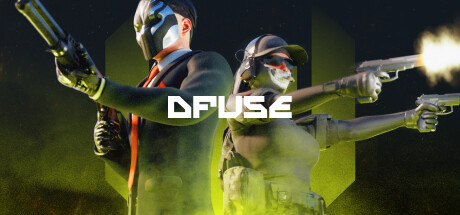
We provide an AI assisted tool for players to create their own cosmetics for our game. It exclusively is used as a UGC tool, so players do not need to achieve high technical skills to be able to create new content for DFUSE.
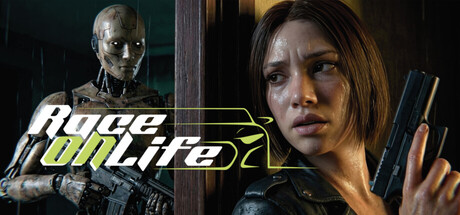
RaceOnLife uses AI-driven NPC systems to create more dynamic interactions inside the game world.
Some NPCs are designed to remember previous conversations, react to the player’s behavior, and respond differently depending on how the player communicates with them. These interactions may affect how NPCs guide, assist, ignore, challenge, or oppose the player during gameplay.
Our goal is to make the island feel more alive, where conversations with non-player characters are not just static dialogue lines, but part of the player’s personal journey through the story and open world.
AI features are used to support NPC behavior, dialogue variation, and player interaction systems. Core gameplay, world design, missions, vehicles, races, combat, progression, and major story content are created and directed by our development team.
For live AI interactions, we are working with safety rules and moderation limits to reduce the risk of inappropriate, harmful, or illegal generated content.
The skill display images are all generated using the text description of VIP Midjourney, based on the creative ideas of the author (myself). Not referencing any copyrighted images. Having specificity and uniqueness. There are no copyright related issues.
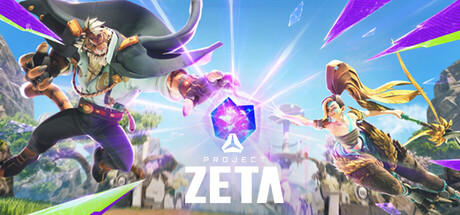
In Project ZETA, AI-generated content is actively utilized across various domains, including animation, sound, character design, and VFX. However, such content is employed solely to enhance development efficiency; all final art assets are meticulously reviewed and completed by designers to align with the project’s creative direction.
We used artificial intelligence as a tool for our artists. We created the visuals of our game with artificial intelligence tools, and our artists edited and finalized these visuals. We want to give you a unique experience by combining the convenience of technology with our art.
Most of the voices you hear in-game come directly from our friends and the development team. We used AI for a few characters, but we plan to replace them with professional voice actors as soon as we can.
Some of the store artwork (Steam capsules) are designed with assistance of generative AI.
The game itself - includding the music, levels, code and all artwork - is "hand made" without any of this AI stuff.
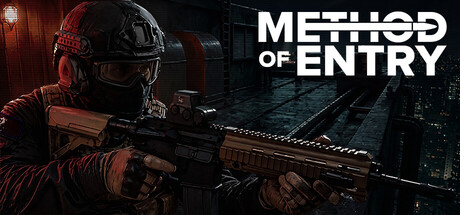
During development, our team MAY use assistive AI design tools to support the creation of certain static visual graphic elements, such as logos, graphics, and UI. Any such materials are further refined and shaped by our artists to ensure they align with the creative direction and standards of Method of Entry.
These tools allow us to maintain a high level of visual quality for the best experience possible from our small development team.
We generated drafts for the game's and company logos, part of the capsules art, the voice in the trailer and the store texts. Then we adapted them to our liking.
During the development process, we may use procedural- and AI-based tools to assist with content creation. In all such cases, the final product reflects the creativity and expression of our own development team. Examples include voiceover audio where we utilize text-to-speech tools to e.g. generate the audio of our in-game commentators Scotty & June.
This game used AI to help quickly iterate through designs for some UI elements using our own artwork as a baseline. AI is also used to help translate the game.
Translation into some languages (in the game and on the store page) and some of the store page assets were made with the assistance of AI. Some elements inside the game like shirts, items, textures, sounds, models and others may be generated with the assistance of AI.
Some of our card art was produced with AI-generated images which our artists painted over and edited before animating the finished card. Some older marketing and website material has been AI-generated as well.
Translation into some languages (in the game and on the store page) and some of the store page assets were made with the assistance of AI. Some elements inside the game like shirts of the players, may be generated with the assistance of AI.
Translation into some languages (in the game and on the store page) and some of the store page assets were made with the assistance of AI. Some elements inside the game like shirts of the players, may be generated with the assistance of AI.
A minimal amount of non-essential content (such as minor textures and some translations) was created with limited AI assistance. No core gameplay, narrative, or artistic content was generated using AI.
AI helps me with texts on the Steam page (grammar correction, translations, and texts).
AI helps me correct errors in the game code and optimize it (Integrated Microsoft Copilot in the Visual Studio environment).
I don't use AI at all for music and sound creation.
I don't use AI at all for 3D or 2D graphics creation.
Some of the game's visual elements were created using AI tools during the development stage (for example, the design of Albums). Artists manually refined all such materials. Generative AI is not used in the gameplay and does not generate any content during the game.
AI is used in this game in the following ways:
- code generation and code error checking via LLMs
- AI is used to create reference images.
- The "generative fill" feature in Photoshop is used occasionally to create in detail on the stage artwork.
- AI generated images may be woven into certain stages.
AI was used to enhance some card character drawings with more detail, and generate some voice lines. We'll strive to deliver more authentic content as soon as we can!
We use procedural and AI-assisted tools to support content creation. However, all final in-game content is shaped and reviewed by our development team reflecting our own creativity and expression.
AI is used to generate certain soundtracks, cosmetic and personalization elements, including car liveries, frames, avatars, and decals, allowing players to enjoy a wider variety of designs. AI-assisted translations help localize in-game content for different languages, ensuring smoother communication for a global player base. Additionally, some UI elements are optimized using AI to improve usability and presentation.
There some images generated by AI, prompted by the creative lead with the aim to showcase the concept he imagined. They are mainly placeholders for future artworks.
For our game, we've generated the following content using pre-production AI tools:
1.Hero illustrations for the gacha interface.
2.Hero icons.
Background music for the game.
The music was pre-rendered content using generative artificial intelligence with the use of general commercial terms allowed. Some of the store assets were also created using pre-rendered art from generative artificial intelligence and customized by the developer in another software to create a personalized touch.
We provide an AI assisted tool for players to create their own cosmetics for our game. It exclusively is used as a UGC tool, so players do not need to achieve high technical skills to be able to create new content for DFUSE.
RaceOnLife uses AI-driven NPC systems to create more dynamic interactions inside the game world.
Some NPCs are designed to remember previous conversations, react to the player’s behavior, and respond differently depending on how the player communicates with them. These interactions may affect how NPCs guide, assist, ignore, challenge, or oppose the player during gameplay.
Our goal is to make the island feel more alive, where conversations with non-player characters are not just static dialogue lines, but part of the player’s personal journey through the story and open world.
AI features are used to support NPC behavior, dialogue variation, and player interaction systems. Core gameplay, world design, missions, vehicles, races, combat, progression, and major story content are created and directed by our development team.
For live AI interactions, we are working with safety rules and moderation limits to reduce the risk of inappropriate, harmful, or illegal generated content.
The skill display images are all generated using the text description of VIP Midjourney, based on the creative ideas of the author (myself). Not referencing any copyrighted images. Having specificity and uniqueness. There are no copyright related issues.
In Project ZETA, AI-generated content is actively utilized across various domains, including animation, sound, character design, and VFX. However, such content is employed solely to enhance development efficiency; all final art assets are meticulously reviewed and completed by designers to align with the project’s creative direction.
We used artificial intelligence as a tool for our artists. We created the visuals of our game with artificial intelligence tools, and our artists edited and finalized these visuals. We want to give you a unique experience by combining the convenience of technology with our art.
Most of the voices you hear in-game come directly from our friends and the development team. We used AI for a few characters, but we plan to replace them with professional voice actors as soon as we can.
Some of the store artwork (Steam capsules) are designed with assistance of generative AI.
The game itself - includding the music, levels, code and all artwork - is "hand made" without any of this AI stuff.
During development, our team MAY use assistive AI design tools to support the creation of certain static visual graphic elements, such as logos, graphics, and UI. Any such materials are further refined and shaped by our artists to ensure they align with the creative direction and standards of Method of Entry.
These tools allow us to maintain a high level of visual quality for the best experience possible from our small development team.
We generated drafts for the game's and company logos, part of the capsules art, the voice in the trailer and the store texts. Then we adapted them to our liking.
During the development process, we may use procedural- and AI-based tools to assist with content creation. In all such cases, the final product reflects the creativity and expression of our own development team. Examples include voiceover audio where we utilize text-to-speech tools to e.g. generate the audio of our in-game commentators Scotty & June.
This game used AI to help quickly iterate through designs for some UI elements using our own artwork as a baseline. AI is also used to help translate the game.
Translation into some languages (in the game and on the store page) and some of the store page assets were made with the assistance of AI. Some elements inside the game like shirts, items, textures, sounds, models and others may be generated with the assistance of AI.
Some of our card art was produced with AI-generated images which our artists painted over and edited before animating the finished card. Some older marketing and website material has been AI-generated as well.
Translation into some languages (in the game and on the store page) and some of the store page assets were made with the assistance of AI. Some elements inside the game like shirts of the players, may be generated with the assistance of AI.
Translation into some languages (in the game and on the store page) and some of the store page assets were made with the assistance of AI. Some elements inside the game like shirts of the players, may be generated with the assistance of AI.