Public Steam disclosure research25,376 disclosures tracked
Where do games disclose AI use?
Search developers’ Steam disclosures, compare classified AI use across
games, and follow recorded changes.
This index adds cross-game classifications and statistics to
statements published on individual store pages.
Groups reflect automatic analysis of public disclosures; mature records are excluded. These counts do not measure AI use across all of Steam.
Missing or unclear statements cannot establish whether a game uses AI.
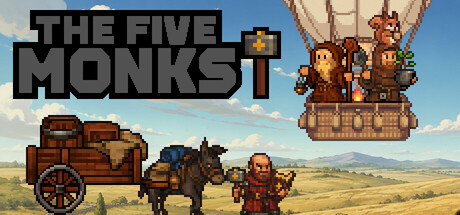
Generative AI tools were used during the development of The Five Monks as follows:
- Illustrations, icons, and in-game object art: initial images were generated with AI tools, then revised and finalized by hand by the development team. These edited assets ship with the game.
- Creature and character concepts: AI outputs were used as visual reference only. The final in-game art was recreated from scratch by the development team to fit the game's art direction.
- Store page text: portions were drafted with AI assistance and then edited by the team.
The game's music was composed by the development team without generative AI.
This game includes pre-generated content made with the assistance of generative AI tools during development. AI tools were used to help create and iterate some static story illustrations, character and store-art references, voice and sound-effect materials, texture details, copy polishing, and localization drafts. All such content is selected, edited, assembled, and manually reviewed by the developer before shipping. The game does not connect to a live generative AI service during play and does not generate new player-facing AI content at runtime.
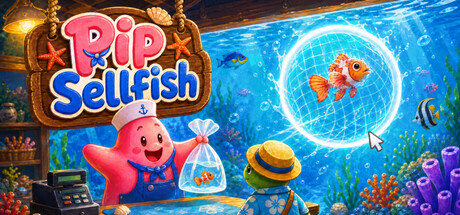
Pip Sellfish is made by one person. I used generative AI tools during development to help create some of the game's assets, such as artwork and music, every asset was hand-picked and integrated by me. No AI is used at runtime: nothing is generated while you play.
Generative AI is used solely to assist with localization and translation work. The game does not use AI-generated art, audio, or real-time in-game content.
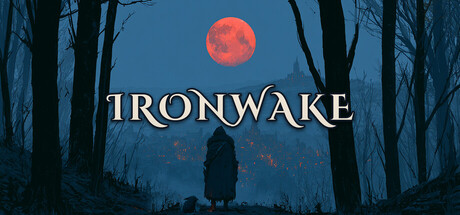
Ironwake contains pre-generated AI content. Some 2D art assets (character sprites, portraits, item illustrations,
backgrounds, and icon sets) were created using AI image-generation tools (PixelLab and MidJourney, plus licensed
third-party icon packs produced with Stable Diffusion). Some sound effects, ambient audio, and music tracks were created
using AI audio-generation tools (ElevenLabs). All AI-generated assets were reviewed, curated, and edited by the
developer. The game does not generate any content with AI at runtime, and no live AI models are accessed by the game.
Some character art, icons, and store capsule/key-art images in this game were
created with the help of generative AI tools (Google Gemini). All AI-generated
assets were reviewed, curated, and edited by the developer, and do not
misuse third-party copyrighted works. No AI content is generated live for
players at runtime — all assets are pre-generated and fixed.
This game was originally written in Chinese, and all non-Chinese localizations were created with the assistance of AI translation.
A part of game music was created by AI.
All other content — artwork, game design — was created by the development team without the use of generative AI.
About Generative AI
During development, we used generative AI tools to assist in creating some art assets, text copy, and voice-over segments. All AI‑generated content has been reviewed, modified, and refined item by item by our design team to ensure it meets the game’s overall style and quality standards, and final approval was carried out manually before release.
We have taken necessary measures to ensure that no AI‑generated content infringes upon any third‑party copyrights, trademarks, or other legal rights.
During the development process, I use AI tools to assist with content creation. Specifically, I use them to generate base assets such as textures, visuals, and sound assets, which are then edited and refined by hand before shipping. No content is generated at runtime. In all such cases, the final product reflects my personal creativity, vision, and expression as a solo developer.
Generative AI was used to assist with grammar and spelling checks for some in-game text, translate store page content, and generate some sound assets. All content was reviewed and approved by the developer before inclusion. The game does not use live-generated AI.
Although AI tools were used during the making of this game for efficiency, we have put our love, care, and effort into every part of it so players can experience the game as intended.
AI was used only as a support tool where helpful, and its use was kept minimal. All creative decisions, final content, and gameplay direction were reviewed and shaped by the developer to make sure nothing takes away from the intended player experience.
Some visual assets (creature sprites, plant and background illustrations, and tarot card art, including some store page images) were created using generative AI tools and then curated, edited, and art-directed by the developer. No AI content is generated during gameplay.
Generative AI tools were used as part of the visual development workflow, mainly to assist with concept exploration and selected artwork for the game and store page. All final assets were reviewed, selected, edited, and integrated by the developer. The game does not generate AI content during gameplay.
Some in-game visual assets (character portraits, icons, and interface art) were created with generative AI tools under commercial licenses, with direction and curation by the developer. Background music is licensed separately (Kevin MacLeod, CC BY 4.0). The game does not generate new art or text during gameplay.
Some creature sprites and artwork were created with the assistance of AI image generation tools (Pixellab) and subsequently edited and refined by hand. All game design, mechanics, and balance are human-made. Development tools with AI assistance were used for portions of the code. The game does not generate any content with AI at runtime.
Generative AI was used to create some promotional images for the Steam store page. The game itself and its gameplay do not contain AI-generated content.
Some visual assets in this game, including certain character and background art, were created with the assistance of generative AI tools and then reviewed and edited by the developer. All gameplay, code, and design are human-directed. This game does not use AI to generate any content during gameplay.
Generative AI was used only to assist with localization/translation partially. All localized text was reviewed and edited before release. No AI-generated content was used otherwise.
Store and marketing art assets were created with the assistance of generative AI image tools, based on the developer's original prompts. All other game content is human-authored. No AI content is generated during gameplay.
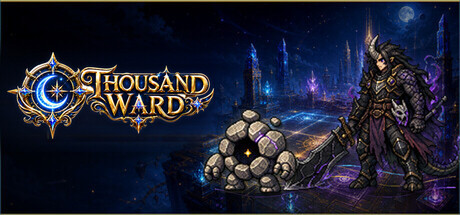
Thousand Ward uses generative AI as part of the development pipeline to help create and refine some visual assets, including promotional artwork, background illustrations, event imagery, and supporting art concepts. Gameplay systems, balance, progression, and player-facing game design are authored and reviewed by the development team.
We use generative AI tools to assist with:- Machine translation (MT) of interface and data text, reviewed before release.- Drafts of store page text and marketing materials.All content is reviewed by a human before publication.Art, creatures, and music [adjust to reflect reality] do not use generative AI / use AI for [X].
"Generative AI tools were utilized during the pre-production and development phases to assist in creating certain 2D visual assets and concept art. These assets were pre-generated, reviewed, and integrated into the game files prior to launch. No AI content is generated dynamically or in real-time by the game software itself. All final assets have been checked to ensure they adhere to proper copyright regulations."
AI-assisted tools were used during visual exploration and iteration for some marketing materials, select visual drafts and music. Final design, creative direction, editing, asset selection, and implementation were handled by the developer.
Generative AI was used as a development assistance tool for this game.
It was used to support coding, development tools for difficulty adjustment, concept and idea generation, research, localization, advice, bug detection, image creation, texture generation, and mesh generation.
The game was vibe coded. Many of the current assets were generated by various GenAI models, some of which will be staying but some of which are just placeholders for the time being. Much manual work still goes into making everything look good and come together even when using GenAI.
Some visual assets were created with the assistance of generative AI tools and then manually edited, adjusted, and finalized by the developer. The game does not use real-time generative AI during gameplay.
Some of Citadel Zero's visual assets (pixel-art sprites, icons, and backgrounds) were created with the help of generative AI tools, then reviewed and refined by the developer. All such content is pre-generated and baked into the game — Citadel Zero performs no real-time AI generation and connects to no AI service while you play.
As a solo developer several of the art assets used during the development of the game are generated using AI models with art references. Should the game be successful it is my hope to slowly start using commissioned art.
One man team here. AI helped me learn to code and I also used it to help generate some of the artwork and voices. All of the artwork generated by AI has been carefully polished and modified.
This game used generative AI tools as an aid in creating some of its visual assets, such as background illustrations and character/environment pixel art. All AI-generated output was reviewed, refined, and edited by the developer before being included in the game. No content is generated by AI in real time during gameplay.
Generative AI tools were used during the development of The Five Monks as follows:
- Illustrations, icons, and in-game object art: initial images were generated with AI tools, then revised and finalized by hand by the development team. These edited assets ship with the game.
- Creature and character concepts: AI outputs were used as visual reference only. The final in-game art was recreated from scratch by the development team to fit the game's art direction.
- Store page text: portions were drafted with AI assistance and then edited by the team.
The game's music was composed by the development team without generative AI.
This game includes pre-generated content made with the assistance of generative AI tools during development. AI tools were used to help create and iterate some static story illustrations, character and store-art references, voice and sound-effect materials, texture details, copy polishing, and localization drafts. All such content is selected, edited, assembled, and manually reviewed by the developer before shipping. The game does not connect to a live generative AI service during play and does not generate new player-facing AI content at runtime.
Pip Sellfish is made by one person. I used generative AI tools during development to help create some of the game's assets, such as artwork and music, every asset was hand-picked and integrated by me. No AI is used at runtime: nothing is generated while you play.
Generative AI is used solely to assist with localization and translation work. The game does not use AI-generated art, audio, or real-time in-game content.
Ironwake contains pre-generated AI content. Some 2D art assets (character sprites, portraits, item illustrations,
backgrounds, and icon sets) were created using AI image-generation tools (PixelLab and MidJourney, plus licensed
third-party icon packs produced with Stable Diffusion). Some sound effects, ambient audio, and music tracks were created
using AI audio-generation tools (ElevenLabs). All AI-generated assets were reviewed, curated, and edited by the
developer. The game does not generate any content with AI at runtime, and no live AI models are accessed by the game.
Some character art, icons, and store capsule/key-art images in this game were
created with the help of generative AI tools (Google Gemini). All AI-generated
assets were reviewed, curated, and edited by the developer, and do not
misuse third-party copyrighted works. No AI content is generated live for
players at runtime — all assets are pre-generated and fixed.
This game was originally written in Chinese, and all non-Chinese localizations were created with the assistance of AI translation.
A part of game music was created by AI.
All other content — artwork, game design — was created by the development team without the use of generative AI.
About Generative AI
During development, we used generative AI tools to assist in creating some art assets, text copy, and voice-over segments. All AI‑generated content has been reviewed, modified, and refined item by item by our design team to ensure it meets the game’s overall style and quality standards, and final approval was carried out manually before release.
We have taken necessary measures to ensure that no AI‑generated content infringes upon any third‑party copyrights, trademarks, or other legal rights.
During the development process, I use AI tools to assist with content creation. Specifically, I use them to generate base assets such as textures, visuals, and sound assets, which are then edited and refined by hand before shipping. No content is generated at runtime. In all such cases, the final product reflects my personal creativity, vision, and expression as a solo developer.
Generative AI was used to assist with grammar and spelling checks for some in-game text, translate store page content, and generate some sound assets. All content was reviewed and approved by the developer before inclusion. The game does not use live-generated AI.
Although AI tools were used during the making of this game for efficiency, we have put our love, care, and effort into every part of it so players can experience the game as intended.
AI was used only as a support tool where helpful, and its use was kept minimal. All creative decisions, final content, and gameplay direction were reviewed and shaped by the developer to make sure nothing takes away from the intended player experience.
Some visual assets (creature sprites, plant and background illustrations, and tarot card art, including some store page images) were created using generative AI tools and then curated, edited, and art-directed by the developer. No AI content is generated during gameplay.
Generative AI tools were used as part of the visual development workflow, mainly to assist with concept exploration and selected artwork for the game and store page. All final assets were reviewed, selected, edited, and integrated by the developer. The game does not generate AI content during gameplay.
Some in-game visual assets (character portraits, icons, and interface art) were created with generative AI tools under commercial licenses, with direction and curation by the developer. Background music is licensed separately (Kevin MacLeod, CC BY 4.0). The game does not generate new art or text during gameplay.
Some creature sprites and artwork were created with the assistance of AI image generation tools (Pixellab) and subsequently edited and refined by hand. All game design, mechanics, and balance are human-made. Development tools with AI assistance were used for portions of the code. The game does not generate any content with AI at runtime.
Generative AI was used to create some promotional images for the Steam store page. The game itself and its gameplay do not contain AI-generated content.
Some visual assets in this game, including certain character and background art, were created with the assistance of generative AI tools and then reviewed and edited by the developer. All gameplay, code, and design are human-directed. This game does not use AI to generate any content during gameplay.
Generative AI was used only to assist with localization/translation partially. All localized text was reviewed and edited before release. No AI-generated content was used otherwise.
Store and marketing art assets were created with the assistance of generative AI image tools, based on the developer's original prompts. All other game content is human-authored. No AI content is generated during gameplay.
Thousand Ward uses generative AI as part of the development pipeline to help create and refine some visual assets, including promotional artwork, background illustrations, event imagery, and supporting art concepts. Gameplay systems, balance, progression, and player-facing game design are authored and reviewed by the development team.
We use generative AI tools to assist with:- Machine translation (MT) of interface and data text, reviewed before release.- Drafts of store page text and marketing materials.All content is reviewed by a human before publication.Art, creatures, and music [adjust to reflect reality] do not use generative AI / use AI for [X].
"Generative AI tools were utilized during the pre-production and development phases to assist in creating certain 2D visual assets and concept art. These assets were pre-generated, reviewed, and integrated into the game files prior to launch. No AI content is generated dynamically or in real-time by the game software itself. All final assets have been checked to ensure they adhere to proper copyright regulations."
AI-assisted tools were used during visual exploration and iteration for some marketing materials, select visual drafts and music. Final design, creative direction, editing, asset selection, and implementation were handled by the developer.
Generative AI was used as a development assistance tool for this game.
It was used to support coding, development tools for difficulty adjustment, concept and idea generation, research, localization, advice, bug detection, image creation, texture generation, and mesh generation.
The game was vibe coded. Many of the current assets were generated by various GenAI models, some of which will be staying but some of which are just placeholders for the time being. Much manual work still goes into making everything look good and come together even when using GenAI.
Some visual assets were created with the assistance of generative AI tools and then manually edited, adjusted, and finalized by the developer. The game does not use real-time generative AI during gameplay.
Some of Citadel Zero's visual assets (pixel-art sprites, icons, and backgrounds) were created with the help of generative AI tools, then reviewed and refined by the developer. All such content is pre-generated and baked into the game — Citadel Zero performs no real-time AI generation and connects to no AI service while you play.
As a solo developer several of the art assets used during the development of the game are generated using AI models with art references. Should the game be successful it is my hope to slowly start using commissioned art.
One man team here. AI helped me learn to code and I also used it to help generate some of the artwork and voices. All of the artwork generated by AI has been carefully polished and modified.
This game used generative AI tools as an aid in creating some of its visual assets, such as background illustrations and character/environment pixel art. All AI-generated output was reviewed, refined, and edited by the developer before being included in the game. No content is generated by AI in real time during gameplay.