Public Steam disclosure research25,376 disclosures tracked
Where do games disclose AI use?
Search developers’ Steam disclosures, compare classified AI use across
games, and follow recorded changes.
This index adds cross-game classifications and statistics to
statements published on individual store pages.
Groups reflect automatic analysis of public disclosures; mature records are excluded. These counts do not measure AI use across all of Steam.
Missing or unclear statements cannot establish whether a game uses AI.
Some visual and creative assets for this game were created or assisted using generative AI tools and then reviewed and edited by the developer before inclusion in the final product. The game does not generate AI content during gameplay.
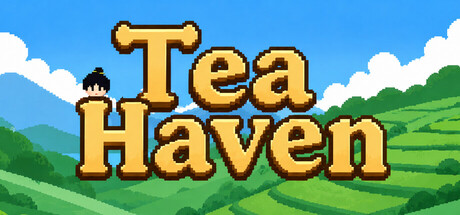
AI tools were used to assist with the creation of some visual assets and for code development assistance. Any AI-assisted visual content included in Tea Heaven was reviewed, edited, and integrated by the developer. AI-assisted code suggestions were manually reviewed and modified before implementation. The game does not use live generative AI during gameplay.
Generative AI tools were used to assist with development, including code support, store text drafting, and some visual/marketing assets. Final content was reviewed and edited by the developer.
Generative AI was used during development to assist with the creation of certain visual assets and development content. All AI-generated content was reviewed, modified, and integrated by the developer before inclusion in the final game. The game does not generate AI content during gameplay and does not connect to external AI services.
Some visual assets used in the game and store page were created using a combination of licensed art assets, generative AI-assisted imagery, and manual editing by the developer.
All AI-assisted content was reviewed and modified before being included in the final project.
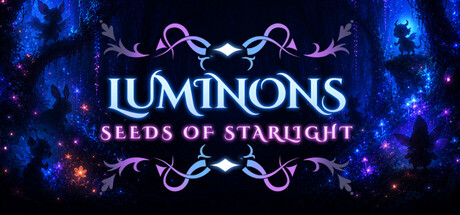
I'm a solo developer and a 3D and graphic design teacher by day. Every visual asset in this game (from the pixel art creatures to the 3D environments) is crafted by me. Music and sound effects come from licensed human creators.
AI tools helped me during development with coding, debugging, and organizing ideas, but never to create visual or audio content.
The English and Spanish localizations are written by me. For all other languages, I used AI-assisted translation, because there's nothing better than playing a game in your own language, and I wanted Luminons to reach as many people as possible. Professional translators are outside the budget for a solo project, but if this game finds its audience, revisiting every localization with human translators (and adding more languages) is absolutely on the list.
This game uses generative AI in the following areas:
• Background artwork: All static background images displayed in menus and screen backdrops (e.g. brewery interior, fields, market, taverns) were created using generative AI. All images were carefully curated, selected, and post-processed by the developer to fit the game's "Soft Cinematic" 19th-century Belle Époque visual style.
• Sound effects and ambient audio: Some in-game sounds were generated using AI audio tools under appropriate commercial licenses. All sounds were reviewed and selected by the developer.
• Mission and narrative text: The campaign concept, story arc, and game design are the original work of the developer. Some campaign mission descriptions and in-game event texts were initially drafted with AI assistance based on the developer's outlines, and then reviewed, edited, and adapted to fit the game's tone and historical setting.
No generative AI is used during gameplay. All gameplay logic, mechanics, character behaviors, and AI competitor strategies are implemented as deterministic code that does not generate content at runtime. The game does not connect to any external AI services.
AI was used to generate trailer music and couple of upgrades icons, but game is still in early development phase and i'm working on replacing those with real art.
Generative AI tools were used to assist in the creation of certain visual assets and sound effects. All content was reviewed, edited, and implemented manually by the developer.
In the development and promotion of "Farm of Hope," we utilize Generative AI tools solely to assist in the creation of our marketing video trailers and promotional cinematic materials.
Specifically, Generative AI is used to enhance video editing workflows, generate specific background music tracks, and refine visual effects exclusively for our promotional trailers. All core in-game assets, including the 3D models, programming code, animations, and story scripts within the game build itself, are entirely created by our development team without the use of generative AI.
We ensure that all tools used in our video marketing pipeline comply fully with copyright standards and Steam's publishing policies.
This game was developed with the assistance of generative AI tools. However, AI does not generate any content in real-time or directly within the application. It was used exclusively during the production phase to create certain user interface elements, including visual components visible in-game. All AI-generated content was reviewed and approved by the development team prior to integration.
Parts of the localization and most character portraits were created with the assistance of AI. All relevant content was manually reviewed and edited by me where possible and necessary.
Some 2D art (such as cosmetic items) and the background music were created using generative AI tools based on developer reference images, then reviewed and edited by the developer. No AI runs during gameplay.
This game uses generative AI to generate NPC dialogue, thoughts, and decisions in real time. The AI model can run locally via the built-in llama.cpp engine,. In local mode, AI content is generated on your device. We have implemented content filtering and anomaly detection, but AI-generated content may occasionally produce unpredictable results.
Generative AI tools were used to assist in the creation of certain visual assets during development. All final in-game content was reviewed and edited by the developer. No AI-generated content is produced during gameplay.
Some parts of the game’s production may involve procedural or AI-assisted tools, mainly to speed up iteration, explore visual directions or support asset creation. The game’s concept, tone, style, story and final creative choices are developed and decided by us.
AI was employed to create 2D environmental artwork, various UI components, and initial drafts of in-game dialogues. All AI-assisted content has been extensively reviewed, edited, and refined by the developer to ensure a cohesive solarpunk experience and a consistent narrative voice.
Some image assets and visual resources were created with the assistance of generative AI, then reviewed, edited, and refined by the developer. No live generative AI content is included during gameplay.
During the development of Beyond the Soil: Farming & Tales Prologue, generative AI technologies were used to optimize localization texts and assist in the design phase of certain visual marketing materials.
Different Ai tools used in creating artwork for the game, audio tracks, being a single developer utilizing different tools to help accomplish the same goal.
AI tools were used to assist with text editing, translation, illustrations, and marketing materials.
Game concept, writing, music direction, and narrative structure were created by a human.
Generative AI tools were used as development assistance for scripting and for some marketing or store presentation assets.
All 3D models and core visual assets were created by the developer. The game does not use AI to generate content, code, images, audio, or text during gameplay, and it does not connect to any external AI services.
Some graphical assets, musical assets, localization, and portions of code were partially created with the assistance of generative AI programs and large language models (LLMs).
Generative AI tools were used as development assistance for code prototyping, design iteration, selected promotional/store artwork, and AI-generated trailer music. The final game content is reviewed, edited, integrated, and curated by the developer.
The game does not use live generative AI during gameplay. No runtime AI-generated text, images, audio, or dialogue are produced for players.
This game was developed with the assistance of generative AI tools, which were used to help create visual assets, code, and some audio elements. All generated content was reviewed, edited, and integrated by the developer to ensure consistency and quality.
No generative AI is used during gameplay. All content is pre-generated and curated before release.
Some of the visual assets in this game (such as concept arts, UI elements, and store capsules) and the initial ideation processes were developed with the assistance of generative AI tools. All AI-generated concepts were manually edited, refined, and integrated into the game by the developer. The game does not contain any live, real-time generative AI systems that react to player interactions.
During the development of Beyond the Soil: Farming & Tales, generative AI technologies were used to optimize localization texts and assist in the design phase of certain visual marketing materials.
Store page graphical assets (capsule images, achievement icons, app icon) were created using AI-assisted tools. Game soundtrack is procedurally generated in real-time using the Web Audio API. All game code, gameplay systems, dialogue, and lore were written by the developer.
This game uses generative AI (Grok Imagine by xAI) to create visual assets for the Steam store page, including the header, capsules, background images, and logos.
Live in-game: NPC conversations are generated in real time by a large language model. Every dialogue you have with a villager is dynamically written rather than scripted, and NPCs remember what you've said to them across the playthrough. Conversations are filtered for safety, but as with any AI-generated text, responses may occasionally be unexpected.
Pre-rendered during development: Character and creature sprites, ambient music, and some background artwork were created with the assistance of generative AI tools and then hand-curated, edited, and integrated by the developer.
During the development process AI-based tools used to assist with content creation. In all such cases, the final product reflects the creativity and expression of the development team.
Some visual and audio assets in this game were created with the assistance of generative AI tools. All content was reviewed, edited, and integrated by the developer to ensure quality and consistency.
AI generation tools were utilized to assist in the creation of static 2D/3D background aesthetic assets, as well as for structural programming assistance involving the core mathematical idling engines
Some visual and creative assets for this game were created or assisted using generative AI tools and then reviewed and edited by the developer before inclusion in the final product. The game does not generate AI content during gameplay.
AI tools were used to assist with the creation of some visual assets and for code development assistance. Any AI-assisted visual content included in Tea Heaven was reviewed, edited, and integrated by the developer. AI-assisted code suggestions were manually reviewed and modified before implementation. The game does not use live generative AI during gameplay.
Generative AI tools were used to assist with development, including code support, store text drafting, and some visual/marketing assets. Final content was reviewed and edited by the developer.
Generative AI was used during development to assist with the creation of certain visual assets and development content. All AI-generated content was reviewed, modified, and integrated by the developer before inclusion in the final game. The game does not generate AI content during gameplay and does not connect to external AI services.
Some visual assets used in the game and store page were created using a combination of licensed art assets, generative AI-assisted imagery, and manual editing by the developer.
All AI-assisted content was reviewed and modified before being included in the final project.
I'm a solo developer and a 3D and graphic design teacher by day. Every visual asset in this game (from the pixel art creatures to the 3D environments) is crafted by me. Music and sound effects come from licensed human creators.
AI tools helped me during development with coding, debugging, and organizing ideas, but never to create visual or audio content.
The English and Spanish localizations are written by me. For all other languages, I used AI-assisted translation, because there's nothing better than playing a game in your own language, and I wanted Luminons to reach as many people as possible. Professional translators are outside the budget for a solo project, but if this game finds its audience, revisiting every localization with human translators (and adding more languages) is absolutely on the list.
This game uses generative AI in the following areas:
• Background artwork: All static background images displayed in menus and screen backdrops (e.g. brewery interior, fields, market, taverns) were created using generative AI. All images were carefully curated, selected, and post-processed by the developer to fit the game's "Soft Cinematic" 19th-century Belle Époque visual style.
• Sound effects and ambient audio: Some in-game sounds were generated using AI audio tools under appropriate commercial licenses. All sounds were reviewed and selected by the developer.
• Mission and narrative text: The campaign concept, story arc, and game design are the original work of the developer. Some campaign mission descriptions and in-game event texts were initially drafted with AI assistance based on the developer's outlines, and then reviewed, edited, and adapted to fit the game's tone and historical setting.
No generative AI is used during gameplay. All gameplay logic, mechanics, character behaviors, and AI competitor strategies are implemented as deterministic code that does not generate content at runtime. The game does not connect to any external AI services.
AI was used to generate trailer music and couple of upgrades icons, but game is still in early development phase and i'm working on replacing those with real art.
Generative AI tools were used to assist in the creation of certain visual assets and sound effects. All content was reviewed, edited, and implemented manually by the developer.
In the development and promotion of "Farm of Hope," we utilize Generative AI tools solely to assist in the creation of our marketing video trailers and promotional cinematic materials.
Specifically, Generative AI is used to enhance video editing workflows, generate specific background music tracks, and refine visual effects exclusively for our promotional trailers. All core in-game assets, including the 3D models, programming code, animations, and story scripts within the game build itself, are entirely created by our development team without the use of generative AI.
We ensure that all tools used in our video marketing pipeline comply fully with copyright standards and Steam's publishing policies.
This game was developed with the assistance of generative AI tools. However, AI does not generate any content in real-time or directly within the application. It was used exclusively during the production phase to create certain user interface elements, including visual components visible in-game. All AI-generated content was reviewed and approved by the development team prior to integration.
Parts of the localization and most character portraits were created with the assistance of AI. All relevant content was manually reviewed and edited by me where possible and necessary.
Some 2D art (such as cosmetic items) and the background music were created using generative AI tools based on developer reference images, then reviewed and edited by the developer. No AI runs during gameplay.
This game uses generative AI to generate NPC dialogue, thoughts, and decisions in real time. The AI model can run locally via the built-in llama.cpp engine,. In local mode, AI content is generated on your device. We have implemented content filtering and anomaly detection, but AI-generated content may occasionally produce unpredictable results.
Generative AI tools were used to assist in the creation of certain visual assets during development. All final in-game content was reviewed and edited by the developer. No AI-generated content is produced during gameplay.
Some parts of the game’s production may involve procedural or AI-assisted tools, mainly to speed up iteration, explore visual directions or support asset creation. The game’s concept, tone, style, story and final creative choices are developed and decided by us.
AI was employed to create 2D environmental artwork, various UI components, and initial drafts of in-game dialogues. All AI-assisted content has been extensively reviewed, edited, and refined by the developer to ensure a cohesive solarpunk experience and a consistent narrative voice.
Some image assets and visual resources were created with the assistance of generative AI, then reviewed, edited, and refined by the developer. No live generative AI content is included during gameplay.
During the development of Beyond the Soil: Farming & Tales Prologue, generative AI technologies were used to optimize localization texts and assist in the design phase of certain visual marketing materials.
Different Ai tools used in creating artwork for the game, audio tracks, being a single developer utilizing different tools to help accomplish the same goal.
AI tools were used to assist with text editing, translation, illustrations, and marketing materials.
Game concept, writing, music direction, and narrative structure were created by a human.
Generative AI tools were used as development assistance for scripting and for some marketing or store presentation assets.
All 3D models and core visual assets were created by the developer. The game does not use AI to generate content, code, images, audio, or text during gameplay, and it does not connect to any external AI services.
Some graphical assets, musical assets, localization, and portions of code were partially created with the assistance of generative AI programs and large language models (LLMs).
Generative AI tools were used as development assistance for code prototyping, design iteration, selected promotional/store artwork, and AI-generated trailer music. The final game content is reviewed, edited, integrated, and curated by the developer.
The game does not use live generative AI during gameplay. No runtime AI-generated text, images, audio, or dialogue are produced for players.
This game was developed with the assistance of generative AI tools, which were used to help create visual assets, code, and some audio elements. All generated content was reviewed, edited, and integrated by the developer to ensure consistency and quality.
No generative AI is used during gameplay. All content is pre-generated and curated before release.
Some of the visual assets in this game (such as concept arts, UI elements, and store capsules) and the initial ideation processes were developed with the assistance of generative AI tools. All AI-generated concepts were manually edited, refined, and integrated into the game by the developer. The game does not contain any live, real-time generative AI systems that react to player interactions.
During the development of Beyond the Soil: Farming & Tales, generative AI technologies were used to optimize localization texts and assist in the design phase of certain visual marketing materials.
Store page graphical assets (capsule images, achievement icons, app icon) were created using AI-assisted tools. Game soundtrack is procedurally generated in real-time using the Web Audio API. All game code, gameplay systems, dialogue, and lore were written by the developer.
This game uses generative AI (Grok Imagine by xAI) to create visual assets for the Steam store page, including the header, capsules, background images, and logos.
Live in-game: NPC conversations are generated in real time by a large language model. Every dialogue you have with a villager is dynamically written rather than scripted, and NPCs remember what you've said to them across the playthrough. Conversations are filtered for safety, but as with any AI-generated text, responses may occasionally be unexpected.
Pre-rendered during development: Character and creature sprites, ambient music, and some background artwork were created with the assistance of generative AI tools and then hand-curated, edited, and integrated by the developer.
During the development process AI-based tools used to assist with content creation. In all such cases, the final product reflects the creativity and expression of the development team.
Some visual and audio assets in this game were created with the assistance of generative AI tools. All content was reviewed, edited, and integrated by the developer to ensure quality and consistency.
AI generation tools were utilized to assist in the creation of static 2D/3D background aesthetic assets, as well as for structural programming assistance involving the core mathematical idling engines