Public Steam disclosure research25,376 disclosures tracked
Where do games disclose AI use?
Search developers’ Steam disclosures, compare classified AI use across
games, and follow recorded changes.
This index adds cross-game classifications and statistics to
statements published on individual store pages.
Groups reflect automatic analysis of public disclosures; mature records are excluded. These counts do not measure AI use across all of Steam.
Missing or unclear statements cannot establish whether a game uses AI.
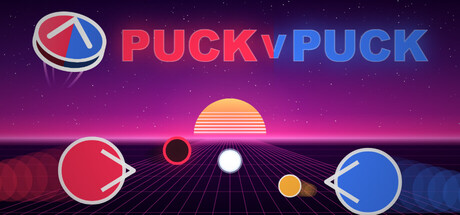
Development of PUCKVPUCK was assisted by an AI coding assistant. It helped write and review the game's code — including the sound effects, which are synthesised mathematically in code rather than recorded or sampled — and it drafted text for this store page. No AI image, audio or video generation models were used: the visuals are drawn procedurally by hand-written code, every screenshot and trailer clip is real captured gameplay, and all music was written and performed by the developers. Nothing is generated live while you play.
Some shipped content was created with the help of generative AI tools and then reviewed and edited by the developer: parts of the store and marketing artwork, the trailer music, and the first drafts of the interface translations (German, Spanish, French, Polish, Brazilian Portuguese). All gameplay, rules logic and code are deterministic and human-reviewed. The game does not generate any AI content at runtime.
The store page artwork (capsule images) was created with AI assistance and depicts the actual game. The game itself contains no AI-generated content: all gameplay, audio, and in-game visuals are created by the developer or by players themselves.
Background music was generated with Suno. Background images and character sprites were generated with image-generation AI (Google Gemini, Pollo AI), then curated and edited by the developer. Much of the program code was written with an AI coding assistant (Claude Code) under the developer's direction and review. Game design and sound effects are the developer's own work. No content is generated by AI at runtime.
Some visual assets and promotional images were created with generative AI tools and later reviewed, modified, and integrated by the developer. No generative AI content is created during gameplay.
Kingsfall:Chess uses pre-generated AI-generated imagery for some visual assets within the game and promotional/store materials. Other visual assets were created by artists using traditional methods. No content is generated by AI during gameplay.
No live AI generation is used during gameplay. TinSpring Soccer's boards, characters, textures, and sounds are produced procedurally by game code. AI tools were used under developer direction for implementation, localization, and selected store page artwork.
Generative AI was used during development for translations, some pixel art, and some music. AI-assisted content is human-reviewed before release. The main painting is historical public-domain art. Nothing is AI-generated during gameplay.
Generative AI was occasionally used to prototype assets and give ideas\reference for assets. It was also occasionally used to generate normal maps on textures I had created. Sometimes this had disastrous results.
MonsterBash includes pre-generated AI-assisted artwork for certain menu backgrounds and between-level illustrations. All AI-generated assets were reviewed, edited, and integrated by the developer. No AI-generated content is created during gameplay.
Generative artificial intelligence was used to create the artwork for HexLight’s Steam achievement icons. The resulting images were reviewed and prepared for use by the developer.
Some marketing materials for this game were made with generative AI: the trailer's narration uses an AI text-to-speech voice, and parts of this store page were drafted with AI assistance.
Nothing inside the game is AI-generated. The soundtrack is human-composed music licensed for commercial use, all artwork and logos are drawn programmatically by the game's own code, and every screenshot is captured from real gameplay. The game generates no AI content while you play.
This game uses generative AI in the creation of some graphics, text, and English localization. All AI-generated content has been reviewed and edited by the developer before being used.
No generative AI content is created during gameplay.
Some visual assets were created or assisted with generative AI tools, then selected and edited by the developer. Gameplay, rules, and the opponent AI are not generative AI.
Generative AI was used to create some pre-rendered marketing and store page artwork, including capsule images and promotional graphics. These assets were reviewed and selected by the developer before use. The game does not use live-generated AI content during gameplay.
Generative AI may have been used to assist in creating artwork for this game's store page and promotional materials. All AI-assisted content was created under human direction and is the result of a human-led artistic and creative process.
GloomDelve's visuals, audio, and dungeons are generated procedurally by hand-written code; calculated geometry, synthesized sound, and deterministic seed-based level generation, not by generative AI. Generative AI tools were used during development to assist with translating the interface into non-English languages. The game generates no content at runtime and connects to no AI service while you play. Every run is produced by the same deterministic procedural systems.
Some desk doodle or promotional art assets may have been created with AI-assisted tools and edited by the developer before being included in the game. No real-time generative AI is used during gameplay.
Some music tracks and visual art assets in this game were created with the help of generative AI tools. All such assets were curated, edited, and approved by the development team before being included in the build, and all required commercial-use rights have been secured.
All AI-generated content is pre-rendered and shipped with the game — no live AI generation occurs during gameplay, and the game does not connect to any external AI service at runtime.
The only AI assistance we used was for brainstorming and polishing the wording of the Steam store page description/marketing copy. AI was not used to generate visual assets or in-game content
AI-assisted tools are becoming part of modern game development, and we believe in being transparent about how we use them. Aviator combines AI-assisted workflows with human creative direction, design, review, and final decision-making throughout development.
During development, some in-game surface textures (e.g. ground/terrain tile materials) were created with the assistance of generative AI image tools and then hand-edited and integrated into the game as static assets. All such content is pre-generated and fixed at ship time; the game does not generate any content live at runtime. We have reviewed this content to ensure we have the appropriate rights to use it and that it does not infringe on the rights of others.
Shadow Slayer is built almost entirely in code. The character and enemy art is
drawn procedurally as vector graphics, and the sound effects and adaptive music
layers are synthesized in real time in the browser - none of that is AI-generated.
Generative AI tools were used to help create some of the content that ships with
the game:
- Music: several of the recorded background-music tracks were produced with the
help of generative AI music tools.
- Localization: the non-English translations were produced with AI-assisted
translation and reviewed by the developer.
- Store page & marketing images: some capsule/promotional artwork was created
with generative AI image tools.
All AI-assisted content was selected, edited, and integrated by a human
developer. No AI content is generated live while you play - everything ships
pre-made and reviewed.
During development, generative AI was used for programming assistance, drafting UI text and English localization, and assisting with the layout and composition of graphical assets for Steam. Any content incorporated into the final product was reviewed and edited by the developer. No AI-generated content is produced while the game is running.
AI was used to create some promotional assets, including store capsule images, banners, and other marketing artwork. AI-generated content was reviewed and edited by the developer before use.
Generative AI was used to create selected voice performances (including the in-game commentator) as well as concept artwork and promotional illustrations. All AI-generated assets were reviewed, edited, and integrated by the developer.
Ruthless Returns is a solo-developed game built and refined over hundreds of hours. The original version was created on paper in 2022, but at the time I did not have the resources to turn it into a full game.
Early prototypes used licensed images with a simple painted treatment. It worked, but the visual style was ultimately shaped by whatever suitable assets were available. Generative AI made it possible to create artwork specifically for Ruthless Returns and give the game a much more consistent look and feel from top to bottom. AI was used for the card artwork and character voices.
That also made it possible for me to finally turn the original paper concept into a PC game. If players enjoy it, I hope to take it full circle and eventually produce Ruthless Returns as a physical board game.
Balancing combines extensive human playtesting with more than 500,000 simulated games. The simulations were used to analyze win rates, card strength, strategies and interactions across a much larger number of matches than manual playtesting alone could realistically cover.
Power Pony Drift uses AI-generated content that was created during development, and every piece was reviewed, edited, and curated by the developer before being included:
- Character models: The base 3D pony models were generated with AI tools, then hand-rigged, animated, and tuned for the game.
- Audio: The music tracks and some sound effects and voice lines were generated with AI audio tools.
No content is generated while you play — the game contains no runtime AI systems, AI chatbots, or live-generated content. Store page artwork is composited from in-game footage.
Generative AI tools were used during development to assist with the creation of game content. All final content was reviewed and refined by the development team.
AI tools were used during development to assist with writing code, and to produce two categories of content shipped with the game: the original synthwave soundtrack (composed with AI music generation, curated and selected by the developer) and the interface translations for the non-English languages (reviewed by the developer). Some store page text was also drafted with AI assistance. All in-game worlds are generated procedurally by hand-written algorithms — no AI content is generated at runtime.
Development of PUCKVPUCK was assisted by an AI coding assistant. It helped write and review the game's code — including the sound effects, which are synthesised mathematically in code rather than recorded or sampled — and it drafted text for this store page. No AI image, audio or video generation models were used: the visuals are drawn procedurally by hand-written code, every screenshot and trailer clip is real captured gameplay, and all music was written and performed by the developers. Nothing is generated live while you play.
Some shipped content was created with the help of generative AI tools and then reviewed and edited by the developer: parts of the store and marketing artwork, the trailer music, and the first drafts of the interface translations (German, Spanish, French, Polish, Brazilian Portuguese). All gameplay, rules logic and code are deterministic and human-reviewed. The game does not generate any AI content at runtime.
The store page artwork (capsule images) was created with AI assistance and depicts the actual game. The game itself contains no AI-generated content: all gameplay, audio, and in-game visuals are created by the developer or by players themselves.
Background music was generated with Suno. Background images and character sprites were generated with image-generation AI (Google Gemini, Pollo AI), then curated and edited by the developer. Much of the program code was written with an AI coding assistant (Claude Code) under the developer's direction and review. Game design and sound effects are the developer's own work. No content is generated by AI at runtime.
Some visual assets and promotional images were created with generative AI tools and later reviewed, modified, and integrated by the developer. No generative AI content is created during gameplay.
Kingsfall:Chess uses pre-generated AI-generated imagery for some visual assets within the game and promotional/store materials. Other visual assets were created by artists using traditional methods. No content is generated by AI during gameplay.
No live AI generation is used during gameplay. TinSpring Soccer's boards, characters, textures, and sounds are produced procedurally by game code. AI tools were used under developer direction for implementation, localization, and selected store page artwork.
Generative AI was used during development for translations, some pixel art, and some music. AI-assisted content is human-reviewed before release. The main painting is historical public-domain art. Nothing is AI-generated during gameplay.
Generative AI was occasionally used to prototype assets and give ideas\reference for assets. It was also occasionally used to generate normal maps on textures I had created. Sometimes this had disastrous results.
MonsterBash includes pre-generated AI-assisted artwork for certain menu backgrounds and between-level illustrations. All AI-generated assets were reviewed, edited, and integrated by the developer. No AI-generated content is created during gameplay.
Generative artificial intelligence was used to create the artwork for HexLight’s Steam achievement icons. The resulting images were reviewed and prepared for use by the developer.
Some marketing materials for this game were made with generative AI: the trailer's narration uses an AI text-to-speech voice, and parts of this store page were drafted with AI assistance.
Nothing inside the game is AI-generated. The soundtrack is human-composed music licensed for commercial use, all artwork and logos are drawn programmatically by the game's own code, and every screenshot is captured from real gameplay. The game generates no AI content while you play.
This game uses generative AI in the creation of some graphics, text, and English localization. All AI-generated content has been reviewed and edited by the developer before being used.
No generative AI content is created during gameplay.
Some visual assets were created or assisted with generative AI tools, then selected and edited by the developer. Gameplay, rules, and the opponent AI are not generative AI.
Generative AI was used to create some pre-rendered marketing and store page artwork, including capsule images and promotional graphics. These assets were reviewed and selected by the developer before use. The game does not use live-generated AI content during gameplay.
Generative AI may have been used to assist in creating artwork for this game's store page and promotional materials. All AI-assisted content was created under human direction and is the result of a human-led artistic and creative process.
GloomDelve's visuals, audio, and dungeons are generated procedurally by hand-written code; calculated geometry, synthesized sound, and deterministic seed-based level generation, not by generative AI. Generative AI tools were used during development to assist with translating the interface into non-English languages. The game generates no content at runtime and connects to no AI service while you play. Every run is produced by the same deterministic procedural systems.
Some desk doodle or promotional art assets may have been created with AI-assisted tools and edited by the developer before being included in the game. No real-time generative AI is used during gameplay.
Some music tracks and visual art assets in this game were created with the help of generative AI tools. All such assets were curated, edited, and approved by the development team before being included in the build, and all required commercial-use rights have been secured.
All AI-generated content is pre-rendered and shipped with the game — no live AI generation occurs during gameplay, and the game does not connect to any external AI service at runtime.
The only AI assistance we used was for brainstorming and polishing the wording of the Steam store page description/marketing copy. AI was not used to generate visual assets or in-game content
AI-assisted tools are becoming part of modern game development, and we believe in being transparent about how we use them. Aviator combines AI-assisted workflows with human creative direction, design, review, and final decision-making throughout development.
During development, some in-game surface textures (e.g. ground/terrain tile materials) were created with the assistance of generative AI image tools and then hand-edited and integrated into the game as static assets. All such content is pre-generated and fixed at ship time; the game does not generate any content live at runtime. We have reviewed this content to ensure we have the appropriate rights to use it and that it does not infringe on the rights of others.
Shadow Slayer is built almost entirely in code. The character and enemy art is
drawn procedurally as vector graphics, and the sound effects and adaptive music
layers are synthesized in real time in the browser - none of that is AI-generated.
Generative AI tools were used to help create some of the content that ships with
the game:
- Music: several of the recorded background-music tracks were produced with the
help of generative AI music tools.
- Localization: the non-English translations were produced with AI-assisted
translation and reviewed by the developer.
- Store page & marketing images: some capsule/promotional artwork was created
with generative AI image tools.
All AI-assisted content was selected, edited, and integrated by a human
developer. No AI content is generated live while you play - everything ships
pre-made and reviewed.
During development, generative AI was used for programming assistance, drafting UI text and English localization, and assisting with the layout and composition of graphical assets for Steam. Any content incorporated into the final product was reviewed and edited by the developer. No AI-generated content is produced while the game is running.
AI was used to create some promotional assets, including store capsule images, banners, and other marketing artwork. AI-generated content was reviewed and edited by the developer before use.
Generative AI was used to create selected voice performances (including the in-game commentator) as well as concept artwork and promotional illustrations. All AI-generated assets were reviewed, edited, and integrated by the developer.
Ruthless Returns is a solo-developed game built and refined over hundreds of hours. The original version was created on paper in 2022, but at the time I did not have the resources to turn it into a full game.
Early prototypes used licensed images with a simple painted treatment. It worked, but the visual style was ultimately shaped by whatever suitable assets were available. Generative AI made it possible to create artwork specifically for Ruthless Returns and give the game a much more consistent look and feel from top to bottom. AI was used for the card artwork and character voices.
That also made it possible for me to finally turn the original paper concept into a PC game. If players enjoy it, I hope to take it full circle and eventually produce Ruthless Returns as a physical board game.
Balancing combines extensive human playtesting with more than 500,000 simulated games. The simulations were used to analyze win rates, card strength, strategies and interactions across a much larger number of matches than manual playtesting alone could realistically cover.
Power Pony Drift uses AI-generated content that was created during development, and every piece was reviewed, edited, and curated by the developer before being included:
- Character models: The base 3D pony models were generated with AI tools, then hand-rigged, animated, and tuned for the game.
- Audio: The music tracks and some sound effects and voice lines were generated with AI audio tools.
No content is generated while you play — the game contains no runtime AI systems, AI chatbots, or live-generated content. Store page artwork is composited from in-game footage.
Generative AI tools were used during development to assist with the creation of game content. All final content was reviewed and refined by the development team.
AI tools were used during development to assist with writing code, and to produce two categories of content shipped with the game: the original synthwave soundtrack (composed with AI music generation, curated and selected by the developer) and the interface translations for the non-English languages (reviewed by the developer). Some store page text was also drafted with AI assistance. All in-game worlds are generated procedurally by hand-written algorithms — no AI content is generated at runtime.