Public Steam disclosure research25,376 disclosures tracked
Where do games disclose AI use?
Search developers’ Steam disclosures, compare classified AI use across
games, and follow recorded changes.
This index adds cross-game classifications and statistics to
statements published on individual store pages.
Groups reflect automatic analysis of public disclosures; mature records are excluded. These counts do not measure AI use across all of Steam.
Missing or unclear statements cannot establish whether a game uses AI.
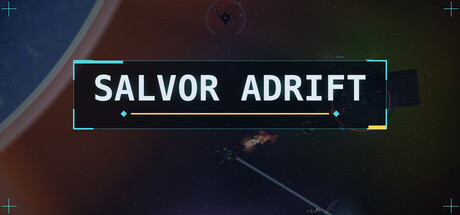
Designed and directed by one person. Every ship, station and planet is rendered in code, with no AI images. The soundtrack was made with Suno, an AI music tool, directed by the developer, and ships as fixed audio files. The story comes from the developer. AI helped turn it into text, tidy it up and translate the store page, like a very overqualified spell check. Nothing is generated by AI while you play.
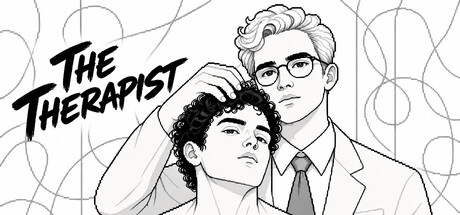
The Therapist was developed with the assistance of generative AI tools. AI was used to assist with programming and to generate certain visual and audio assets included in the game. The game's core concept, narrative direction, game design, mechanics, and creative direction were conceived and developed by the game's creator. AI-generated assets were selected, edited, integrated, and directed as part of the game's overall creative process.
Generative AI tools were used during development to assist with selected visual assets, written content, localization, and other parts of the production process. All AI-assisted content was reviewed, edited, and integrated by the developer. No generative AI content is created during gameplay.
Usage of AI-assisted coding tools were used to help debug, and write some lengthy aspects of the game. But all creative work (art, animation, music, sound effects, and all writing and dialogue) is made by hand, without any generative AI whatsoever.
Generative AI tools were used during development to assist with the creation of visual assets (backgrounds, character art, and UI elements), draft narrative ideas, and compose the background music. All generated visual and text materials were curated, manually edited, and refined by the developer.
AI coding assistance was used in developing some parts of the game's code and in drafting in-game text, all of it directed and reviewed by the developer.
Generative AI tools were used as development assistants, including assistance drafting and editing portions of store-page marketing text. All player-facing content is reviewed and edited by the developer. Main Street Operator does not use generative AI during gameplay and does not connect to external AI services while the game is running.
Generative AI was used during development to create and assist with some of the game's visual assets, including character artwork, event illustrations, backgrounds, and other graphical elements, as well as some of the music used in the game. AI-generated materials were reviewed, selected, and edited by the developer before being included in the game.
Generative AI is not used to dynamically generate gameplay, dialogue, story content, visual assets, or music while the game is running.
Some AI was used to generate marketing images and in-game content, including music and art.
This game would not be possible for a 1-person studio without such tools.
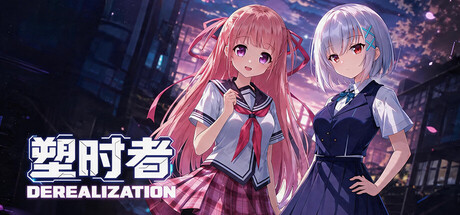
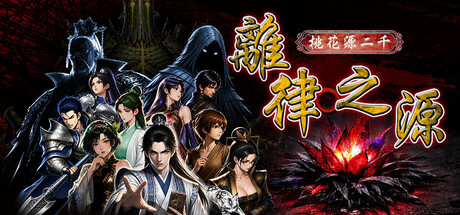
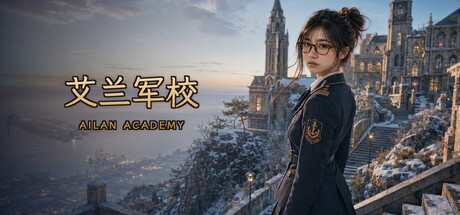
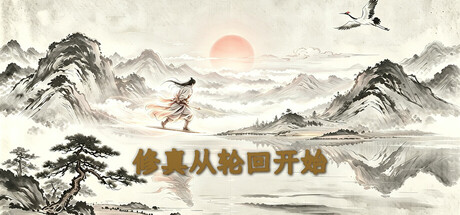
Some pre-generated static 2D visual assets were created with OpenAI image generation tools, including key art, fictional character portraits, historical event illustrations, map icons, and artwork used to derive store capsules. The developer selected, reviewed, edited, cropped, typeset, and integrated the final assets. Generated images contain no embedded title text; the Chinese and English logos are separately typeset using a licensed font. The game does not generate content with AI while it is running.
All textual copy, dialogue, and scripts in this game are entirely handcrafted and written by the developer without the use of AI. The background music and sound effects are licensed from Pixabay under commercial-use terms. Generative AI (Leonardo.ai) was utilized strictly to pre-generate initial CG illustrations and concept art, which were subsequently edited and refined manually by the developer before being built into the game.
The coding process used artificial intelligence, to allow the creator to focus on the creative aspects of game development. All art, story, mechanics, balancing, and creative direction is human-made.
Parts of this store page description, along with the in-game achievement names and descriptions, were drafted with the help of an AI assistant and then reviewed and edited by the developer. All artwork, animation, music, sound design, level design and gameplay content in Boomfrog was made by hand or generated procedurally in code. The game does not use generative AI while you play. Nothing in Boomfrog is created or altered by AI at runtime.
This game uses a large language model to generate the AI companion’s dialogue and ending titles in real time. Dialogue responses are generated based on player input and conversation context. Generative AI tools were also used to help create or edit some store and promotional artwork and assist with text translation and localization.
During the development of Spacepawn, generative AI tools were used to speed up coding, create certain in-game visuals, and assist with localization (translations). As an indie developer, AI was utilized as a support tool to fill expertise gaps in non-programming areas such as art design and translation. All AI-generated content has been carefully reviewed and edited by us to ensure it aligns perfectly with the game's overall vision and integrity.
Some assets in this game were created with the help of generative AI: background and character art, UI and achievement icons, music and sound effects, and promotional material such as the trailer. All of them were selected, edited and checked by hand before use. The script and all in-game text were written by a human. The game performs no AI generation at runtime and connects to no external AI service.
Tug-O-War Wrestling uses a locally-run AI model (Llama) to control enemy wrestler behaviour and decision-making during matches. This AI is not used to generate any art, audio, dialogue, or other player-facing content - all in-game content is human-created.
Generative AI tools were used as development assistance, including support for programming, text editing, brainstorming, and localization. The game's visual artwork and assets are created by the developer and do not use AI-generated images. Story concepts and final creative decisions are made and edited by the developer.
Some voice lines, sound effects, and music in the game and its trailer were
created with generative AI tools (ElevenLabs, Suno), then reviewed, edited,
and finalized by the developer. No content is generated by AI during gameplay.
Some of the images, music, and song lyrics in this game were created with the
assistance of generative AI tools. The creator performed all prompt design,
selection, editing, arrangement, and integration; every asset was reviewed and
adjusted by hand before being included in the game. The script, game design,
systems, and code were written by the creator.
This game's art and code are creatively directed by a human developer (me), directing, refining, reviewing, and quality-checking every part across hundreds of hours of iteration. I build it with Claude AI as my tool. The visuals are not pre-made image files or AI-generated images. They are drawn by code at runtime (procedural rendering) using standard 2D canvas drawing commands, and Claude AI writes and brings that code to life. The store page and marketing images come from that same in-game rendering. The game does not include third-party copyrighted material.
Some 2D art in this game was created with the assistance of AI image generation tools and then curated, pixel-processed and hand-corrected by the developer: backgrounds, story cutscene illustrations, card art, the title logo, and the Steam store assets. All game design, systems, balance, code and the original Korean script were written by the developer. The nine non-Korean localizations were produced with AI translation assistance and then reviewed and corrected in-game. The game does not generate any content with AI while you play, and it never connects to an AI service.
In the interest of transparency, illustrations were created with the help of AI-assisted tools, used as creative support within a human-led artistic process.
Some visual assets and 3D assets used in this game were created with the assistance of generative AI. The generated assets were edited and adjusted by the developer as needed before being incorporated into the game. No content is generated by AI in real time during gameplay.
The games code is made by AI, but everything else is made by the creator (story, models, design, animations, some textures and other stuff) and some assets are made by real people NOT AI (credits are in the end of the game)
Generative AI tools (such as Gemini) were used during development to assist in creating graphic design elements for in-game parody VHS cover art and store page graphic assets. All AI-generated artwork was manually curated, edited, and formatted into final 3D texture maps for the game's assets.
Generative AI tools were used during the creation of some visual materials for the game. These materials were subsequently manually edited, refined, and adapted to match the project’s visual style. The game does not generate AI content during gameplay.
Generative AI tools were used to assist with certain code, UI elements, and visual effect assets. All AI-assisted content was reviewed and ultimately approved by actual humans on the development team. The game’s environments, NPCs, and related artwork were handcrafted by our artist. All gameplay design, creative direction, and final content decisions were made by the development team.
3D character and prop models, their textures, and pre-rendered cutscene video clips were created with generative AI tools. Character voice lines were synthesized with AI text-to-speech. Dialogue and story text were written with AI assistance. All AI-generated content is pre-rendered; nothing is generated during gameplay.
Designed and directed by one person. Every ship, station and planet is rendered in code, with no AI images. The soundtrack was made with Suno, an AI music tool, directed by the developer, and ships as fixed audio files. The story comes from the developer. AI helped turn it into text, tidy it up and translate the store page, like a very overqualified spell check. Nothing is generated by AI while you play.
The Therapist was developed with the assistance of generative AI tools. AI was used to assist with programming and to generate certain visual and audio assets included in the game. The game's core concept, narrative direction, game design, mechanics, and creative direction were conceived and developed by the game's creator. AI-generated assets were selected, edited, integrated, and directed as part of the game's overall creative process.
Generative AI tools were used during development to assist with selected visual assets, written content, localization, and other parts of the production process. All AI-assisted content was reviewed, edited, and integrated by the developer. No generative AI content is created during gameplay.
Usage of AI-assisted coding tools were used to help debug, and write some lengthy aspects of the game. But all creative work (art, animation, music, sound effects, and all writing and dialogue) is made by hand, without any generative AI whatsoever.
Generative AI tools were used during development to assist with the creation of visual assets (backgrounds, character art, and UI elements), draft narrative ideas, and compose the background music. All generated visual and text materials were curated, manually edited, and refined by the developer.
AI coding assistance was used in developing some parts of the game's code and in drafting in-game text, all of it directed and reviewed by the developer.
Generative AI tools were used as development assistants, including assistance drafting and editing portions of store-page marketing text. All player-facing content is reviewed and edited by the developer. Main Street Operator does not use generative AI during gameplay and does not connect to external AI services while the game is running.
Generative AI was used during development to create and assist with some of the game's visual assets, including character artwork, event illustrations, backgrounds, and other graphical elements, as well as some of the music used in the game. AI-generated materials were reviewed, selected, and edited by the developer before being included in the game.
Generative AI is not used to dynamically generate gameplay, dialogue, story content, visual assets, or music while the game is running.
Some AI was used to generate marketing images and in-game content, including music and art.
This game would not be possible for a 1-person studio without such tools.
Some pre-generated static 2D visual assets were created with OpenAI image generation tools, including key art, fictional character portraits, historical event illustrations, map icons, and artwork used to derive store capsules. The developer selected, reviewed, edited, cropped, typeset, and integrated the final assets. Generated images contain no embedded title text; the Chinese and English logos are separately typeset using a licensed font. The game does not generate content with AI while it is running.
All textual copy, dialogue, and scripts in this game are entirely handcrafted and written by the developer without the use of AI. The background music and sound effects are licensed from Pixabay under commercial-use terms. Generative AI (Leonardo.ai) was utilized strictly to pre-generate initial CG illustrations and concept art, which were subsequently edited and refined manually by the developer before being built into the game.
The coding process used artificial intelligence, to allow the creator to focus on the creative aspects of game development. All art, story, mechanics, balancing, and creative direction is human-made.
Parts of this store page description, along with the in-game achievement names and descriptions, were drafted with the help of an AI assistant and then reviewed and edited by the developer. All artwork, animation, music, sound design, level design and gameplay content in Boomfrog was made by hand or generated procedurally in code. The game does not use generative AI while you play. Nothing in Boomfrog is created or altered by AI at runtime.
This game uses a large language model to generate the AI companion’s dialogue and ending titles in real time. Dialogue responses are generated based on player input and conversation context. Generative AI tools were also used to help create or edit some store and promotional artwork and assist with text translation and localization.
During the development of Spacepawn, generative AI tools were used to speed up coding, create certain in-game visuals, and assist with localization (translations). As an indie developer, AI was utilized as a support tool to fill expertise gaps in non-programming areas such as art design and translation. All AI-generated content has been carefully reviewed and edited by us to ensure it aligns perfectly with the game's overall vision and integrity.
Some assets in this game were created with the help of generative AI: background and character art, UI and achievement icons, music and sound effects, and promotional material such as the trailer. All of them were selected, edited and checked by hand before use. The script and all in-game text were written by a human. The game performs no AI generation at runtime and connects to no external AI service.
Tug-O-War Wrestling uses a locally-run AI model (Llama) to control enemy wrestler behaviour and decision-making during matches. This AI is not used to generate any art, audio, dialogue, or other player-facing content - all in-game content is human-created.
Generative AI tools were used as development assistance, including support for programming, text editing, brainstorming, and localization. The game's visual artwork and assets are created by the developer and do not use AI-generated images. Story concepts and final creative decisions are made and edited by the developer.
Some voice lines, sound effects, and music in the game and its trailer were
created with generative AI tools (ElevenLabs, Suno), then reviewed, edited,
and finalized by the developer. No content is generated by AI during gameplay.
Some of the images, music, and song lyrics in this game were created with the
assistance of generative AI tools. The creator performed all prompt design,
selection, editing, arrangement, and integration; every asset was reviewed and
adjusted by hand before being included in the game. The script, game design,
systems, and code were written by the creator.
This game's art and code are creatively directed by a human developer (me), directing, refining, reviewing, and quality-checking every part across hundreds of hours of iteration. I build it with Claude AI as my tool. The visuals are not pre-made image files or AI-generated images. They are drawn by code at runtime (procedural rendering) using standard 2D canvas drawing commands, and Claude AI writes and brings that code to life. The store page and marketing images come from that same in-game rendering. The game does not include third-party copyrighted material.
Some 2D art in this game was created with the assistance of AI image generation tools and then curated, pixel-processed and hand-corrected by the developer: backgrounds, story cutscene illustrations, card art, the title logo, and the Steam store assets. All game design, systems, balance, code and the original Korean script were written by the developer. The nine non-Korean localizations were produced with AI translation assistance and then reviewed and corrected in-game. The game does not generate any content with AI while you play, and it never connects to an AI service.
In the interest of transparency, illustrations were created with the help of AI-assisted tools, used as creative support within a human-led artistic process.
Some visual assets and 3D assets used in this game were created with the assistance of generative AI. The generated assets were edited and adjusted by the developer as needed before being incorporated into the game. No content is generated by AI in real time during gameplay.
The games code is made by AI, but everything else is made by the creator (story, models, design, animations, some textures and other stuff) and some assets are made by real people NOT AI (credits are in the end of the game)
Generative AI tools (such as Gemini) were used during development to assist in creating graphic design elements for in-game parody VHS cover art and store page graphic assets. All AI-generated artwork was manually curated, edited, and formatted into final 3D texture maps for the game's assets.
Generative AI tools were used during the creation of some visual materials for the game. These materials were subsequently manually edited, refined, and adapted to match the project’s visual style. The game does not generate AI content during gameplay.
Generative AI tools were used to assist with certain code, UI elements, and visual effect assets. All AI-assisted content was reviewed and ultimately approved by actual humans on the development team. The game’s environments, NPCs, and related artwork were handcrafted by our artist. All gameplay design, creative direction, and final content decisions were made by the development team.
3D character and prop models, their textures, and pre-rendered cutscene video clips were created with generative AI tools. Character voice lines were synthesized with AI text-to-speech. Dialogue and story text were written with AI assistance. All AI-generated content is pre-rendered; nothing is generated during gameplay.