Public Steam disclosure research25,380 disclosures tracked
Where do games disclose AI use?
Search developers’ Steam disclosures, compare classified AI use across
games, and follow recorded changes.
This index adds cross-game classifications and statistics to
statements published on individual store pages.
Groups reflect automatic analysis of public disclosures; mature records are excluded. These counts do not measure AI use across all of Steam.
Missing or unclear statements cannot establish whether a game uses AI.
Generative AI was used to assist in the creation of a small number of pre-generated sound effects. All AI-assisted audio was reviewed and curated by the developer. No generative AI is used during gameplay, and the game does not generate content in real time.
AI was used in the initial generation of some assets, but we edited them in Photoshop to adjust proportions and remove any obvious AI Slop.
As this is primarily a management game, we focused heavily on the gameplay mechanics, ensuring the game is bug-free, fun to play, and, dare we say, addicting!
That said, we would love for the art to be more authentic and beautiful. We have an artist under contract who can replace all of the art in the game if the game sells well enough, and we will release the updated art as a patch to all users who have previously purchased the game.
Some visual assets used in the game and its promotional materials were created with the assistance of generative AI. These assets were reviewed and integrated by the developer as part of the game's overall art direction.
We've harnessed the power of Generative AI technology to create several of our game's unique theme background artworks, enhancing your gaming experience with visually stunning designs.
Generative AI was occasionally used to prototype assets and give ideas\reference for assets. It was also occasionally used to generate normal maps on textures I had created. Sometimes this had disastrous results.
Portions of this game's content were created with generative AI assistance under human direction and review: in-game text (social feed posts, event copy), localization into 8 languages, and marketing materials including the trailer. All AI-assisted content was reviewed by the developer. The game does not generate AI content at runtime.
This game uses generative AI in the creation of some graphics, text, and English localization. All AI-generated content has been reviewed and edited by the developer before being used.
No generative AI content is created during gameplay.
AI-generated content in Pin a Million:
- Music: All in-game music tracks were created using generative AI (Suno).
- Icons: The icon artwork on Peg and Perk cards was generated using AI tools.
All on-board gameplay effects, animations, and visuals are hand-coded and rendered procedurally at runtime (no AI-generated content).
Generative AI was used as a base/concept for creating store page capsule graphics, which were subsequently hand-edited and post-processed in image editing software. No AI content is present in the game itself.
Einige visuelle Elemente des Spiels wurden mithilfe generativer KI-Tools erstellt und anschließend vom Entwickler ausgewählt, bearbeitet und integriert. Während des Spielablaufs kommt keine generative KI zum Einsatz.
AI tools were used during development to help compose the soundtrack, draw the pixel art, and draft text (including localization and this store page), all under human direction — every piece was reviewed, curated, and approved by the developer. All content is fixed at build time; the game contains no live or runtime AI generation.
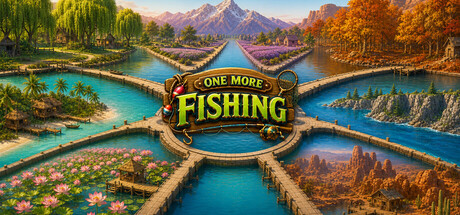
One More Fishing contains selected pre-generated content created or refined with generative AI tools during development. This includes selected in-game artwork and UI assets, selected Steam store and marketing artwork, audio assets such as music, ambience, sound effects and selected character voice lines, plus assistance with narrative and quest drafting and localization. All shipped content is selected, edited and integrated before release.
The game does not use live-generated AI. It does not contact generative AI services while running and does not send player prompts or player data to such services. At runtime it only loads, selects, animates, processes and mixes fixed content prepared before shipping.
Generative AI tools (ChatGPT Image Generation / DALL-E) were used during development to generate concepts and visual marketing assets, including some store page banners and promotional artwork. All core gameplay pixel-art, character animations, sound design, and code were created manually by the developer.
Some of the game's 2D artwork (the slot machine cabinet and its symbols) was created with the help of generative AI image tools, then reviewed, corrected and integrated by hand. Part of the soundtrack was created with generative AI music tools. All game design, gameplay code and text were authored by the developer, who also used AI coding assistants during development. Nothing is AI-generated at runtime: the game contains no live AI content.
Partial artwork uses generative AI assistance. Scripts are fully original written by the developer. Background music is CC0 public domain material, no in-game real-time AI generation.
Some of Stick Legion's in-game text and promotional materials were created with the help of generative AI tools, all reviewed and edited by the developer. The game performs no live AI generation during play.
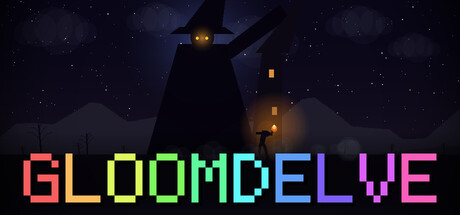
GloomDelve's visuals, audio, and dungeons are generated procedurally by hand-written code; calculated geometry, synthesized sound, and deterministic seed-based level generation, not by generative AI. Generative AI tools were used during development to assist with translating the interface into non-English languages. The game generates no content at runtime and connects to no AI service while you play. Every run is produced by the same deterministic procedural systems.
Generative AI was used to assist in creating certain promotional and store page artwork. All AI-generated content was reviewed, edited, and refined by the developer. No generative AI is used during gameplay.
CivEconomy: Future Leader uses locally-running AI for two optional gameplay features. All AI processing runs entirely on the player's machine — no data is sent to external servers.
Text AI (Command Processing): An on-device language model (Llama 3.2 1B via Ollama) interprets natural language player commands and classifies them into game actions. A keyword-matching fallback system works identically without AI enabled.
Image AI (Chieftain Portraits): An on-device Stable Diffusion 1.5 model generates decorative chieftain portrait images. These are purely cosmetic with no gameplay impact.
Both features are completely optional. The game is fully functional and playable without any AI features active.
The game includes licensed background music from Pixabay. Some of the music tracks used in the game are labeled by their creators as AI-generated. No AI-generated gameplay, artwork, or code is used.
AI has been used to help code and shape the games content including Codex and Claude code. A premium Suno account was used to create music for the game. Codex was used to help generate art and in-game assets. All lore, scripting, and general architecture was hand crafted by the author of the game.
Some store/library marketing art and some in-game art assets (character portraits, backgrounds, item icons and UI elements) were created with the assistance of AI image generation tools, followed by manual editing and integration by the developer. We have rights to use the generated images and they do not infringe third-party IP.
Generative AI was used during the early development phase to create placeholders, concept art base layers, and certain visual assets/sprites. As a solo developer working alongside a demanding full-time job, this technology served as a vital tool to help bring the project's vision to life within limited hours. All AI-generated art has been manually edited, stylized, and integrated by the developer to fit the game's pixel art aesthetic.
Note on Future Development: The developer is fully committed to replacing 100% of the AI-generated visual content with handcrafted, original artwork by the time of the full 1.0 release.
This game contains some pre-generated AI-assisted artwork and music. All AI-assisted content has been reviewed, curated, and integrated by the developer. AI coding tools were also used during development.
Generative AI was used throughout the development process. It was utilized alongside the developer to assist with tasks. Notably: debugging, localization, asset creation, and marketing materials. All AI-generated content was reviewed, edited, and integrated by the developer to ensure both quality and consistency standards were met.
Generative AI is used only during development to create and refine certain visual assets, including textures, icons, and UI elements. All generated materials are reviewed and edited by the developer when necessary before being added to the game. AI does not generate content during gameplay or process user data.
Generative AI was used to create selected voice performances (including the in-game commentator) as well as concept artwork and promotional illustrations. All AI-generated assets were reviewed, edited, and integrated by the developer.
Generative AI was used to assist with initial drafts of some localized text. All final translations were manually reviewed and edited.
No AI-generated artwork, animation, audio, code, or live-generated content is included in the game. All visual assets shown in the game and on the store page were created by human artists.
AI tools were used during development to assist with writing code, and to produce two categories of content shipped with the game: the original synthwave soundtrack (composed with AI music generation, curated and selected by the developer) and the interface translations for the non-English languages (reviewed by the developer). Some store page text was also drafted with AI assistance. All in-game worlds are generated procedurally by hand-written algorithms — no AI content is generated at runtime.
Pixel art assets, the soundtrack, and portions of the game's writing were created with generative AI, then curated and edited by the developer. The game's design, satirical concept, and systems are original human work. All sound effects were recorded by voice actors.
During the development of this game, artificial intelligence tools were used strictly for pre-generated content. Specifically, AI was utilized to assist with code refinement, the creation of initial concept art, and the design of certain user interface (UI) elements. All AI-assisted assets and code were thoroughly reviewed, modified, and integrated manually to ensure they meet the game's specific style and technical requirements.
Generative AI was used during development to assist with a small portion of the game's code, improve and translate dialogue, and create or refine a limited number of sprite assets. All AI-assisted content was reviewed, edited, and integrated by the developer. No generative AI is used in real time during gameplay.
Some of this game's artwork — including key art, the main-menu background, and store/marketing images — was created with the help of generative AI (Midjourney) and then curated and edited by the developer.
Everything else, including gameplay, code, sound, and the in-game pixel art, is human-made or from licensed asset packs. No AI-generated content is produced live while you play.
Some in-game text translations were produced with AI assistance and reviewed for accuracy.
Generative AI was used to assist in the creation of a small number of pre-generated sound effects. All AI-assisted audio was reviewed and curated by the developer. No generative AI is used during gameplay, and the game does not generate content in real time.
AI was used in the initial generation of some assets, but we edited them in Photoshop to adjust proportions and remove any obvious AI Slop.
As this is primarily a management game, we focused heavily on the gameplay mechanics, ensuring the game is bug-free, fun to play, and, dare we say, addicting!
That said, we would love for the art to be more authentic and beautiful. We have an artist under contract who can replace all of the art in the game if the game sells well enough, and we will release the updated art as a patch to all users who have previously purchased the game.
Some visual assets used in the game and its promotional materials were created with the assistance of generative AI. These assets were reviewed and integrated by the developer as part of the game's overall art direction.
We've harnessed the power of Generative AI technology to create several of our game's unique theme background artworks, enhancing your gaming experience with visually stunning designs.
Generative AI was occasionally used to prototype assets and give ideas\reference for assets. It was also occasionally used to generate normal maps on textures I had created. Sometimes this had disastrous results.
Portions of this game's content were created with generative AI assistance under human direction and review: in-game text (social feed posts, event copy), localization into 8 languages, and marketing materials including the trailer. All AI-assisted content was reviewed by the developer. The game does not generate AI content at runtime.
This game uses generative AI in the creation of some graphics, text, and English localization. All AI-generated content has been reviewed and edited by the developer before being used.
No generative AI content is created during gameplay.
AI-generated content in Pin a Million:
- Music: All in-game music tracks were created using generative AI (Suno).
- Icons: The icon artwork on Peg and Perk cards was generated using AI tools.
All on-board gameplay effects, animations, and visuals are hand-coded and rendered procedurally at runtime (no AI-generated content).
Generative AI was used as a base/concept for creating store page capsule graphics, which were subsequently hand-edited and post-processed in image editing software. No AI content is present in the game itself.
Einige visuelle Elemente des Spiels wurden mithilfe generativer KI-Tools erstellt und anschließend vom Entwickler ausgewählt, bearbeitet und integriert. Während des Spielablaufs kommt keine generative KI zum Einsatz.
AI tools were used during development to help compose the soundtrack, draw the pixel art, and draft text (including localization and this store page), all under human direction — every piece was reviewed, curated, and approved by the developer. All content is fixed at build time; the game contains no live or runtime AI generation.
One More Fishing contains selected pre-generated content created or refined with generative AI tools during development. This includes selected in-game artwork and UI assets, selected Steam store and marketing artwork, audio assets such as music, ambience, sound effects and selected character voice lines, plus assistance with narrative and quest drafting and localization. All shipped content is selected, edited and integrated before release.
The game does not use live-generated AI. It does not contact generative AI services while running and does not send player prompts or player data to such services. At runtime it only loads, selects, animates, processes and mixes fixed content prepared before shipping.
Generative AI tools (ChatGPT Image Generation / DALL-E) were used during development to generate concepts and visual marketing assets, including some store page banners and promotional artwork. All core gameplay pixel-art, character animations, sound design, and code were created manually by the developer.
Some of the game's 2D artwork (the slot machine cabinet and its symbols) was created with the help of generative AI image tools, then reviewed, corrected and integrated by hand. Part of the soundtrack was created with generative AI music tools. All game design, gameplay code and text were authored by the developer, who also used AI coding assistants during development. Nothing is AI-generated at runtime: the game contains no live AI content.
Partial artwork uses generative AI assistance. Scripts are fully original written by the developer. Background music is CC0 public domain material, no in-game real-time AI generation.
Some of Stick Legion's in-game text and promotional materials were created with the help of generative AI tools, all reviewed and edited by the developer. The game performs no live AI generation during play.
GloomDelve's visuals, audio, and dungeons are generated procedurally by hand-written code; calculated geometry, synthesized sound, and deterministic seed-based level generation, not by generative AI. Generative AI tools were used during development to assist with translating the interface into non-English languages. The game generates no content at runtime and connects to no AI service while you play. Every run is produced by the same deterministic procedural systems.
Generative AI was used to assist in creating certain promotional and store page artwork. All AI-generated content was reviewed, edited, and refined by the developer. No generative AI is used during gameplay.
CivEconomy: Future Leader uses locally-running AI for two optional gameplay features. All AI processing runs entirely on the player's machine — no data is sent to external servers.
Text AI (Command Processing): An on-device language model (Llama 3.2 1B via Ollama) interprets natural language player commands and classifies them into game actions. A keyword-matching fallback system works identically without AI enabled.
Image AI (Chieftain Portraits): An on-device Stable Diffusion 1.5 model generates decorative chieftain portrait images. These are purely cosmetic with no gameplay impact.
Both features are completely optional. The game is fully functional and playable without any AI features active.
The game includes licensed background music from Pixabay. Some of the music tracks used in the game are labeled by their creators as AI-generated. No AI-generated gameplay, artwork, or code is used.
AI has been used to help code and shape the games content including Codex and Claude code. A premium Suno account was used to create music for the game. Codex was used to help generate art and in-game assets. All lore, scripting, and general architecture was hand crafted by the author of the game.
Some store/library marketing art and some in-game art assets (character portraits, backgrounds, item icons and UI elements) were created with the assistance of AI image generation tools, followed by manual editing and integration by the developer. We have rights to use the generated images and they do not infringe third-party IP.
Generative AI was used during the early development phase to create placeholders, concept art base layers, and certain visual assets/sprites. As a solo developer working alongside a demanding full-time job, this technology served as a vital tool to help bring the project's vision to life within limited hours. All AI-generated art has been manually edited, stylized, and integrated by the developer to fit the game's pixel art aesthetic.
Note on Future Development: The developer is fully committed to replacing 100% of the AI-generated visual content with handcrafted, original artwork by the time of the full 1.0 release.
This game contains some pre-generated AI-assisted artwork and music. All AI-assisted content has been reviewed, curated, and integrated by the developer. AI coding tools were also used during development.
Generative AI was used throughout the development process. It was utilized alongside the developer to assist with tasks. Notably: debugging, localization, asset creation, and marketing materials. All AI-generated content was reviewed, edited, and integrated by the developer to ensure both quality and consistency standards were met.
Generative AI is used only during development to create and refine certain visual assets, including textures, icons, and UI elements. All generated materials are reviewed and edited by the developer when necessary before being added to the game. AI does not generate content during gameplay or process user data.
Generative AI was used to create selected voice performances (including the in-game commentator) as well as concept artwork and promotional illustrations. All AI-generated assets were reviewed, edited, and integrated by the developer.
Generative AI was used to assist with initial drafts of some localized text. All final translations were manually reviewed and edited.
No AI-generated artwork, animation, audio, code, or live-generated content is included in the game. All visual assets shown in the game and on the store page were created by human artists.
AI tools were used during development to assist with writing code, and to produce two categories of content shipped with the game: the original synthwave soundtrack (composed with AI music generation, curated and selected by the developer) and the interface translations for the non-English languages (reviewed by the developer). Some store page text was also drafted with AI assistance. All in-game worlds are generated procedurally by hand-written algorithms — no AI content is generated at runtime.
Pixel art assets, the soundtrack, and portions of the game's writing were created with generative AI, then curated and edited by the developer. The game's design, satirical concept, and systems are original human work. All sound effects were recorded by voice actors.
During the development of this game, artificial intelligence tools were used strictly for pre-generated content. Specifically, AI was utilized to assist with code refinement, the creation of initial concept art, and the design of certain user interface (UI) elements. All AI-assisted assets and code were thoroughly reviewed, modified, and integrated manually to ensure they meet the game's specific style and technical requirements.
Generative AI was used during development to assist with a small portion of the game's code, improve and translate dialogue, and create or refine a limited number of sprite assets. All AI-assisted content was reviewed, edited, and integrated by the developer. No generative AI is used in real time during gameplay.
Some of this game's artwork — including key art, the main-menu background, and store/marketing images — was created with the help of generative AI (Midjourney) and then curated and edited by the developer.
Everything else, including gameplay, code, sound, and the in-game pixel art, is human-made or from licensed asset packs. No AI-generated content is produced live while you play.
Some in-game text translations were produced with AI assistance and reviewed for accuracy.