Public Steam disclosure research25,376 disclosures tracked
Where do games disclose AI use?
Search developers’ Steam disclosures, compare classified AI use across
games, and follow recorded changes.
This index adds cross-game classifications and statistics to
statements published on individual store pages.
Groups reflect automatic analysis of public disclosures; mature records are excluded. These counts do not measure AI use across all of Steam.
Missing or unclear statements cannot establish whether a game uses AI.
GloomDelve's visuals, audio, and dungeons are generated procedurally by hand-written code; calculated geometry, synthesized sound, and deterministic seed-based level generation, not by generative AI. Generative AI tools were used during development to assist with translating the interface into non-English languages. The game generates no content at runtime and connects to no AI service while you play. Every run is produced by the same deterministic procedural systems.
Some pre-generated 2D artwork, character portraits, branding, and marketing assets were created using generative AI tools and subsequently selected, edited, and integrated by the developer. The game does not use live-generated AI content during gameplay.
Some visual assets (character portraits, dice, and background pixel art) were created with the assistance of generative AI tools and were then curated and edited by the developer. The soundtrack was created with Suno under a paid commercial license. All AI-assisted content was reviewed and finalized by the developer. The game does not generate any content with AI at runtime.
StorySmith uses generative AI to write its stories live as you and your Twitch chat make choices. The AI model runs locally on your machine by default, with an optional bring-your-own-key cloud option — so your playthroughs stay private and no two are ever the same.
This game uses pre-generated AI-assisted content during development. AI tools were used to assist with the creation of certain visual assets and early concept artwork. All AI-generated content has been reviewed, edited, and curated by the developer before inclusion in the final game. The game does not use live AI generation during gameplay.
Pre-release, temporary audio and visual publicly available assets have been used that may be AI generated. Programming and localization are LLM assisted. Custom creative content (artwork, sprites, narrative, etc.) is all handcrafted.
This game is being developed solo. As an independent developer working with limited resources and budget, AI tools have been used in the production of some visual and musical assets:
Some character concept art, store page marketing materials, and background/atmospheric visuals were created using AI visual generation tools, then edited and integrated by the developer to fit the game's art direction.
Some visuals are included as placeholders and will be changed during development.
Some background music tracks were created using AI music generation tools.
The game's codebase, gameplay mechanics, character design, dialogue writing, and overall creative direction were all created manually by the developer alone. AI tools were used as a tool where access to a professional art/sound team was not possible as a solo developer; final decisions, edits, and the overall creative direction of the game were shaped by the developer.
Parts of this game's content were created with the help of generative AI, always under human direction and review: some in-game artwork and text, and the store page's localizations. All AI-assisted content is pre-rendered — nothing is generated live while you play.
Johnny Jagung uses generative AI across much of its content. The visual art (character, enemy, boss, and UI artwork), music, sound effects, in-game text, and Indonesian translation were all created with the help of generative AI tools, then reviewed, curated, and assembled into the game by the developer — for instance, character art is hand-edited, composited, and animated from generated source images. All AI-generated content is created during development; the game does not generate anything live while you play.
Currently I am developing this game as a solo self-funded "indie dev" and games need a lot of assets to be fun. I currently have used free (Creative Commons Zero) assets for audio, and generative AI for some placeholders in the game. I am currently in the process of finding both audio and visual artists to replace the AI generated assets, it takes time and resources, but ultimately I want all the assets to be hand authored by humans.
Pre-generated AI content:
Some of the game's 2D illustrations — world and game-mode cover art, story-scene illustrations, character portraits, and store/promotional images — were created with the assistance of generative AI image tools. Every image was prompted, curated, selected and edited by the developer.
Portions of the game's source code were written with the assistance of an AI coding tool, always under direct human direction, review and testing.
Gameplay sprites, user interface, and fonts come from licensed third-party asset packs or were made by hand.
The game does NOT generate any content with AI at runtime: all content is fixed at development time, and no player data is sent to any AI service.
Generative tools were used during development to assist with certain aspects of the games rendering systems; all such content was curated, reviewed, and integrated by the development team.
The background music in this game was created using generative AI tools. All other content — artwork, code, gameplay systems, and design — is made by humans.
Most of the art assets in this game are human-made, but there are some AI-generated portraits of African, Indian, and East Asian characters, since the (human-made) portrait packs used did not contain all ethnic groups represented in the game.
All dialogue in the game is human-directed and edited, but some was AI-generated in order to flesh out the world with unique dialogue for every region and situation.
Some pre-rendered 2D artwork (several of the optional tile-art style packs, plus store capsule and marketing images) was created with generative AI image tools, then curated, edited and integrated by the developer. Portions of the game's code and text were written with AI coding assistance under full human review. The game does not generate any content with AI at runtime, and contains no AI chat features.
The game utilizes pre-generated AI content for early concept references, Store Page promotional artwork, and in-game localization. All AI-assisted assets are manually edited to match the game's aesthetic. I plan to continuously review, refine, and potentially replace these assets throughout development to ensure a polished, high-quality, and consistent experience for the official full release.
Generative AI tools were used during the development process to assist in creating and refining some visual assets. All AI-assisted content was reviewed, edited, and curated by the developer before being included in the game or its promotional materials.
Currently, the game uses around 10% conceptual/placeholder AI-generated textures. All of these placeholders will be completely replaced prior to the 1.0 full release.
The following are temporary AI placeholder textures:
- Most UI buttons
- Vehicle textures
- The home screen
- The mouse cursor
- Most of the shop scene
- All bridges
The following are NOT AI textures (100% custom-made):
- All enemy models and textures (minus the boss "evil reforged bot mk9001")
- All item icons and textures
- All levels (except for the underground bunker and frozen ridge, which temporarily share the home screen texture)
This game uses generative AI to pre-generate visual assets (character portraits, capsule/marketing art) and voice narration (TTS). All AI-generated content is created during development and reviewed/curated
by the developer before shipping. No generative AI runs live during gameplay. We have the necessary rights to use the AI tools and their outputs, and the content does not infringe third-party IP.
AI was used strictly to block out a few initial base meshes, which I then manually reworked to fit the game's style & performance.
No AI runs at runtime.
Some game text, procedural artwork, sound effects, and store page copy were created with AI assistance, then reviewed and curated by the developer. Character and enemy sprites are licensed, human-made pixel art. No content is AI-generated during gameplay.
AI generated art and other assets were referenced and partly used during development, but every effort is taken to make the game original. At UWS, we make every effort to support our art/design team and use AI very rarely to meet our production needs
AI-assisted. Developer-directed. Generative AI was used as a production tool during development: Claude assisted with prototyping and implementation, while Google Lyria was used to create the game's original 15-track soundtrack. The music and all other AI-assisted material were selected, edited, integrated, and play-tested by the developer to serve Boiler & Blood's dieselpunk folk-occult world.
We’re currently using AI-generated images for our Steam page as temporary placeholders. We plan to replace them with original artwork as soon as possible.
During development we used generative AI tools to create some content that ships in the game:
- Visual art: Some 2D art (card illustrations, store/capsule art, boss and deity illustrations, UI seals, and marketing images) was generated with an image model, then hand-edited, composited, and curated by us.
- Music: The looping background music tracks were generated with an AI music tool, then edited and mastered (trimmed and crossfade-looped) by us before inclusion.
- Text / localization: Some in-game text and its translations (Traditional Chinese, Simplified Chinese, English) were produced with AI assistance and then reviewed and edited by us.
All AI-generated content was reviewed by a human before shipping.
We have confirmed our right to use these tools' output commercially, and have taken steps to ensure the content does not infringe third-party IP.
Generative artificial intelligence has been used to generate store page thumbnails based on the developers artwork. All in game artwork has been drawn by hand by the developer.
The visual art assets in this game — including character and enemy portraits, item icons, environment/scene artwork, UI elements, the game icon, and the store/library capsule images — were created with the help of generative AI image tools during development. All of this content was manually reviewed, curated, and edited by the team. The game does not use generative AI in real time during gameplay.
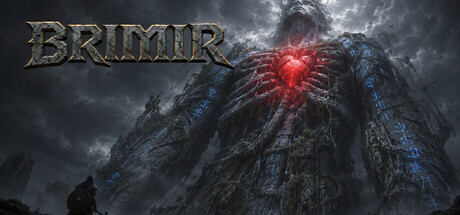
Some 2D art assets in Brimir: Pilgrimage to the Heart (such as background illustrations and key art) were created with the help of AI image-generation tools, then reviewed and edited by the development team. Purchased asset packs and tilesets, as well as all game code,
systems, and design, are not AI-generated. We have taken care to ensure the generated content does not infringe on existing intellectual property.
AI tools were used to assist in drafting some written text (in-game lore entries and store page descriptions); all such text was reviewed and edited by the developer. All artwork, animation, music, and sound effects are human-created licensed assets. The game does not use AI to generate any content at runtime.
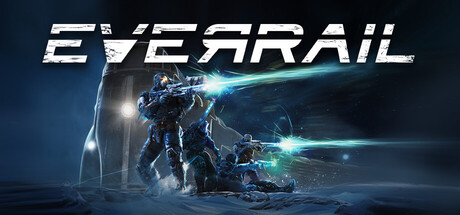
In EverRail, AI-generated voiceover is used only for machine characters: the train's AI board computer and robot enemies, voices that are artificial in the story itself, which also lets us offer them in multiple languages. Beyond that, our team uses generative AI as a tool to support development, with our artists, designers, and engineers refining and hand-building every asset that makes it into the game.
This game uses generative AI as part of its art and localization pipeline. Specifically:
- Character portrait artwork: The hunters' painted bust portraits (shown on the character-select screen, and reused in store page capsule art and the trailer) were generated using a local Stable Diffusion XL model with a custom LoRA, then composited by hand into final scenes.
- Localization: UI text translations for French, German, Spanish (Spain), Spanish (Latin America), Portuguese (Brazil), Italian, Polish, and Turkish were produced with AI assistance and reviewed before shipping.
All AI-assisted content was reviewed by the development team before inclusion. No content is generated live or in response to player input during gameplay — all AI-assisted assets are fixed at build time.
GridIron Grit is made with love, for us hardcore football sim fans, but AI did much of the heavy lifting.
AI helped me bring my dream game to life, writing code and generating game assets.
The game itself uses no generative AI within.
Some promotional and store page artwork used for marketing materials was created or assisted using generative AI tools. No generative AI is used during gameplay, and the game does not generate AI-created content for players.
This game's art and music were created during development using generative AI tools. Specifically: the painted 2D illustrations — card art, event illustrations, and background images — were generated with AI image tools, and the background music tracks were produced with AI music tools. In every case the developer reviewed, selected, edited, and finalized the results, which ship as fixed image and audio files.
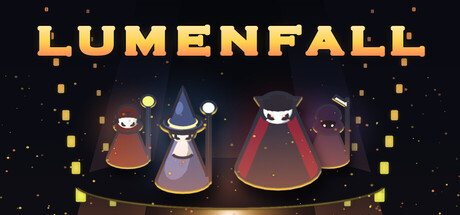
Lumenfall is built by a small studio using AI-assisted development tools. Some pre-generated content — including portions of the game's code, the store page text, and the 2D promotional/capsule artwork and achievement icons — was created with the help of AI tools, always under human direction and review. The game does not generate any content with AI at runtime; everything you play is fixed, hand-tuned content.
Some temporary horror sound effects and vocal effects in this game were created using generative AI tools during development. These assets have been reviewed and integrated by the developer. As development continues and resources become available, these temporary AI-generated audio assets may be replaced with recordings created by professional voice actors and sound engineers to further enhance the game's atmosphere and realism.
We use AI-generated or AI-assisted content for some announcement and promotional materials, including announcement screenshots, trailers, GIFs, and game icons.
The final release version of the game will not use AI-generated content.
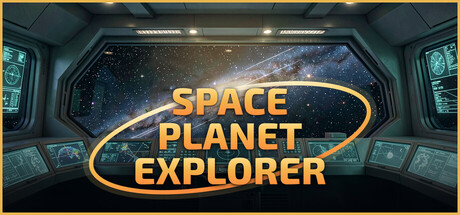
Space Planet Explorer uses generative AI to create assets that ship with the game, including planet surface textures, cinematic sequences, voice narration, and music. All of this content was generated during development — no AI content is generated live during gameplay. Planet visuals are AI-generated interpretations based on real scientific data, not actual NASA photography.
Generative AI tools were used during development and marketing to assist with ideation, drafting, rewriting, and visual exploration for IN & OUT.
All final content included in the game, store page, screenshots, capsules, trailers, and marketing materials is reviewed, selected, edited, and approved by the development team before publication.
The game does not use live-generated AI content at runtime. No player input is sent to an AI service, and no gameplay, puzzle, narrative, visual, audio, or localization content is generated dynamically by AI while the game is running.
Some in-game art assets were created or assisted using generative AI tools, then reviewed, edited, and integrated by the developer. AI tools were also used as development assistance for parts of the code. The game does not generate AI content during gameplay.
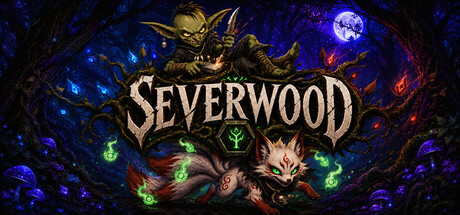
Severwood uses generative AI as part of its development. Many visual assets — including character art, backgrounds, and card illustrations — were created with the assistance of AI image-generation tools, then selected, edited, and assembled by the developer to fit the game's art direction. Some code was written with AI assistance, directed and reviewed by the developer. Game design, writing, planning, and systems are created and directed by the human developer. No AI-generated content is produced live during gameplay; all assets are fixed and were finalized during development.
- Character photos and video clips shown in the in-game Stories feed were generated using AI tools (image and video generation), then reviewed, edited, and composited by the developer to fit the game's art direction.
- AI-assisted tools were used in parts of the development process.
Some 2D art (sprites, icons, key art) was generated with a locally run image model, then hand-curated and edited by the developer. Sound effects and music were generated with local audio models and hand-picked. Everything shipped was reviewed by a human; the game performs no AI generation at runtime.
GloomDelve's visuals, audio, and dungeons are generated procedurally by hand-written code; calculated geometry, synthesized sound, and deterministic seed-based level generation, not by generative AI. Generative AI tools were used during development to assist with translating the interface into non-English languages. The game generates no content at runtime and connects to no AI service while you play. Every run is produced by the same deterministic procedural systems.
Some pre-generated 2D artwork, character portraits, branding, and marketing assets were created using generative AI tools and subsequently selected, edited, and integrated by the developer. The game does not use live-generated AI content during gameplay.
Some visual assets (character portraits, dice, and background pixel art) were created with the assistance of generative AI tools and were then curated and edited by the developer. The soundtrack was created with Suno under a paid commercial license. All AI-assisted content was reviewed and finalized by the developer. The game does not generate any content with AI at runtime.
StorySmith uses generative AI to write its stories live as you and your Twitch chat make choices. The AI model runs locally on your machine by default, with an optional bring-your-own-key cloud option — so your playthroughs stay private and no two are ever the same.
This game uses pre-generated AI-assisted content during development. AI tools were used to assist with the creation of certain visual assets and early concept artwork. All AI-generated content has been reviewed, edited, and curated by the developer before inclusion in the final game. The game does not use live AI generation during gameplay.
Pre-release, temporary audio and visual publicly available assets have been used that may be AI generated. Programming and localization are LLM assisted. Custom creative content (artwork, sprites, narrative, etc.) is all handcrafted.
This game is being developed solo. As an independent developer working with limited resources and budget, AI tools have been used in the production of some visual and musical assets:
Some character concept art, store page marketing materials, and background/atmospheric visuals were created using AI visual generation tools, then edited and integrated by the developer to fit the game's art direction.
Some visuals are included as placeholders and will be changed during development.
Some background music tracks were created using AI music generation tools.
The game's codebase, gameplay mechanics, character design, dialogue writing, and overall creative direction were all created manually by the developer alone. AI tools were used as a tool where access to a professional art/sound team was not possible as a solo developer; final decisions, edits, and the overall creative direction of the game were shaped by the developer.
Parts of this game's content were created with the help of generative AI, always under human direction and review: some in-game artwork and text, and the store page's localizations. All AI-assisted content is pre-rendered — nothing is generated live while you play.
Johnny Jagung uses generative AI across much of its content. The visual art (character, enemy, boss, and UI artwork), music, sound effects, in-game text, and Indonesian translation were all created with the help of generative AI tools, then reviewed, curated, and assembled into the game by the developer — for instance, character art is hand-edited, composited, and animated from generated source images. All AI-generated content is created during development; the game does not generate anything live while you play.
Currently I am developing this game as a solo self-funded "indie dev" and games need a lot of assets to be fun. I currently have used free (Creative Commons Zero) assets for audio, and generative AI for some placeholders in the game. I am currently in the process of finding both audio and visual artists to replace the AI generated assets, it takes time and resources, but ultimately I want all the assets to be hand authored by humans.
Pre-generated AI content:
Some of the game's 2D illustrations — world and game-mode cover art, story-scene illustrations, character portraits, and store/promotional images — were created with the assistance of generative AI image tools. Every image was prompted, curated, selected and edited by the developer.
Portions of the game's source code were written with the assistance of an AI coding tool, always under direct human direction, review and testing.
Gameplay sprites, user interface, and fonts come from licensed third-party asset packs or were made by hand.
The game does NOT generate any content with AI at runtime: all content is fixed at development time, and no player data is sent to any AI service.
Generative tools were used during development to assist with certain aspects of the games rendering systems; all such content was curated, reviewed, and integrated by the development team.
The background music in this game was created using generative AI tools. All other content — artwork, code, gameplay systems, and design — is made by humans.
Most of the art assets in this game are human-made, but there are some AI-generated portraits of African, Indian, and East Asian characters, since the (human-made) portrait packs used did not contain all ethnic groups represented in the game.
All dialogue in the game is human-directed and edited, but some was AI-generated in order to flesh out the world with unique dialogue for every region and situation.
Some pre-rendered 2D artwork (several of the optional tile-art style packs, plus store capsule and marketing images) was created with generative AI image tools, then curated, edited and integrated by the developer. Portions of the game's code and text were written with AI coding assistance under full human review. The game does not generate any content with AI at runtime, and contains no AI chat features.
The game utilizes pre-generated AI content for early concept references, Store Page promotional artwork, and in-game localization. All AI-assisted assets are manually edited to match the game's aesthetic. I plan to continuously review, refine, and potentially replace these assets throughout development to ensure a polished, high-quality, and consistent experience for the official full release.
Generative AI tools were used during the development process to assist in creating and refining some visual assets. All AI-assisted content was reviewed, edited, and curated by the developer before being included in the game or its promotional materials.
Currently, the game uses around 10% conceptual/placeholder AI-generated textures. All of these placeholders will be completely replaced prior to the 1.0 full release.
The following are temporary AI placeholder textures:
- Most UI buttons
- Vehicle textures
- The home screen
- The mouse cursor
- Most of the shop scene
- All bridges
The following are NOT AI textures (100% custom-made):
- All enemy models and textures (minus the boss "evil reforged bot mk9001")
- All item icons and textures
- All levels (except for the underground bunker and frozen ridge, which temporarily share the home screen texture)
This game uses generative AI to pre-generate visual assets (character portraits, capsule/marketing art) and voice narration (TTS). All AI-generated content is created during development and reviewed/curated
by the developer before shipping. No generative AI runs live during gameplay. We have the necessary rights to use the AI tools and their outputs, and the content does not infringe third-party IP.
AI was used strictly to block out a few initial base meshes, which I then manually reworked to fit the game's style & performance.
No AI runs at runtime.
Some game text, procedural artwork, sound effects, and store page copy were created with AI assistance, then reviewed and curated by the developer. Character and enemy sprites are licensed, human-made pixel art. No content is AI-generated during gameplay.
AI generated art and other assets were referenced and partly used during development, but every effort is taken to make the game original. At UWS, we make every effort to support our art/design team and use AI very rarely to meet our production needs
AI-assisted. Developer-directed. Generative AI was used as a production tool during development: Claude assisted with prototyping and implementation, while Google Lyria was used to create the game's original 15-track soundtrack. The music and all other AI-assisted material were selected, edited, integrated, and play-tested by the developer to serve Boiler & Blood's dieselpunk folk-occult world.
We’re currently using AI-generated images for our Steam page as temporary placeholders. We plan to replace them with original artwork as soon as possible.
During development we used generative AI tools to create some content that ships in the game:
- Visual art: Some 2D art (card illustrations, store/capsule art, boss and deity illustrations, UI seals, and marketing images) was generated with an image model, then hand-edited, composited, and curated by us.
- Music: The looping background music tracks were generated with an AI music tool, then edited and mastered (trimmed and crossfade-looped) by us before inclusion.
- Text / localization: Some in-game text and its translations (Traditional Chinese, Simplified Chinese, English) were produced with AI assistance and then reviewed and edited by us.
All AI-generated content was reviewed by a human before shipping.
We have confirmed our right to use these tools' output commercially, and have taken steps to ensure the content does not infringe third-party IP.
Generative artificial intelligence has been used to generate store page thumbnails based on the developers artwork. All in game artwork has been drawn by hand by the developer.
The visual art assets in this game — including character and enemy portraits, item icons, environment/scene artwork, UI elements, the game icon, and the store/library capsule images — were created with the help of generative AI image tools during development. All of this content was manually reviewed, curated, and edited by the team. The game does not use generative AI in real time during gameplay.
Some 2D art assets in Brimir: Pilgrimage to the Heart (such as background illustrations and key art) were created with the help of AI image-generation tools, then reviewed and edited by the development team. Purchased asset packs and tilesets, as well as all game code,
systems, and design, are not AI-generated. We have taken care to ensure the generated content does not infringe on existing intellectual property.
AI tools were used to assist in drafting some written text (in-game lore entries and store page descriptions); all such text was reviewed and edited by the developer. All artwork, animation, music, and sound effects are human-created licensed assets. The game does not use AI to generate any content at runtime.
In EverRail, AI-generated voiceover is used only for machine characters: the train's AI board computer and robot enemies, voices that are artificial in the story itself, which also lets us offer them in multiple languages. Beyond that, our team uses generative AI as a tool to support development, with our artists, designers, and engineers refining and hand-building every asset that makes it into the game.
This game uses generative AI as part of its art and localization pipeline. Specifically:
- Character portrait artwork: The hunters' painted bust portraits (shown on the character-select screen, and reused in store page capsule art and the trailer) were generated using a local Stable Diffusion XL model with a custom LoRA, then composited by hand into final scenes.
- Localization: UI text translations for French, German, Spanish (Spain), Spanish (Latin America), Portuguese (Brazil), Italian, Polish, and Turkish were produced with AI assistance and reviewed before shipping.
All AI-assisted content was reviewed by the development team before inclusion. No content is generated live or in response to player input during gameplay — all AI-assisted assets are fixed at build time.
GridIron Grit is made with love, for us hardcore football sim fans, but AI did much of the heavy lifting.
AI helped me bring my dream game to life, writing code and generating game assets.
The game itself uses no generative AI within.
Some promotional and store page artwork used for marketing materials was created or assisted using generative AI tools. No generative AI is used during gameplay, and the game does not generate AI-created content for players.
This game's art and music were created during development using generative AI tools. Specifically: the painted 2D illustrations — card art, event illustrations, and background images — were generated with AI image tools, and the background music tracks were produced with AI music tools. In every case the developer reviewed, selected, edited, and finalized the results, which ship as fixed image and audio files.
Lumenfall is built by a small studio using AI-assisted development tools. Some pre-generated content — including portions of the game's code, the store page text, and the 2D promotional/capsule artwork and achievement icons — was created with the help of AI tools, always under human direction and review. The game does not generate any content with AI at runtime; everything you play is fixed, hand-tuned content.
Some temporary horror sound effects and vocal effects in this game were created using generative AI tools during development. These assets have been reviewed and integrated by the developer. As development continues and resources become available, these temporary AI-generated audio assets may be replaced with recordings created by professional voice actors and sound engineers to further enhance the game's atmosphere and realism.
We use AI-generated or AI-assisted content for some announcement and promotional materials, including announcement screenshots, trailers, GIFs, and game icons.
The final release version of the game will not use AI-generated content.
Space Planet Explorer uses generative AI to create assets that ship with the game, including planet surface textures, cinematic sequences, voice narration, and music. All of this content was generated during development — no AI content is generated live during gameplay. Planet visuals are AI-generated interpretations based on real scientific data, not actual NASA photography.
Generative AI tools were used during development and marketing to assist with ideation, drafting, rewriting, and visual exploration for IN & OUT.
All final content included in the game, store page, screenshots, capsules, trailers, and marketing materials is reviewed, selected, edited, and approved by the development team before publication.
The game does not use live-generated AI content at runtime. No player input is sent to an AI service, and no gameplay, puzzle, narrative, visual, audio, or localization content is generated dynamically by AI while the game is running.
Some in-game art assets were created or assisted using generative AI tools, then reviewed, edited, and integrated by the developer. AI tools were also used as development assistance for parts of the code. The game does not generate AI content during gameplay.
Severwood uses generative AI as part of its development. Many visual assets — including character art, backgrounds, and card illustrations — were created with the assistance of AI image-generation tools, then selected, edited, and assembled by the developer to fit the game's art direction. Some code was written with AI assistance, directed and reviewed by the developer. Game design, writing, planning, and systems are created and directed by the human developer. No AI-generated content is produced live during gameplay; all assets are fixed and were finalized during development.
- Character photos and video clips shown in the in-game Stories feed were generated using AI tools (image and video generation), then reviewed, edited, and composited by the developer to fit the game's art direction.
- AI-assisted tools were used in parts of the development process.
Some 2D art (sprites, icons, key art) was generated with a locally run image model, then hand-curated and edited by the developer. Sound effects and music were generated with local audio models and hand-picked. Everything shipped was reviewed by a human; the game performs no AI generation at runtime.