








Disclosure
Audio and images were generated with AI to speed up and cost reduction of game development
- Creator
- Atlantic Game Development
- Reviews
- -
- Added
- Aug 25, 2026
Public Steam disclosure research 25,376 disclosures tracked
Search developers’ Steam disclosures, compare classified AI use across games, and follow recorded changes. This index adds cross-game classifications and statistics to statements published on individual store pages.
Code help, debugging and other development work.
Capsule art, trailers and promotional material.
Pre-made art, audio, writing and other game assets.
Interactive or runtime AI features disclosed by the developer.
Groups reflect automatic analysis of public disclosures; mature records are excluded. These counts do not measure AI use across all of Steam. Missing or unclear statements cannot establish whether a game uses AI.
Audio and images were generated with AI to speed up and cost reduction of game development
We used AI tools (such as Claude) to assist with brainstorming game ideas, structuring code logic, and drafting textual content during development.
The 3D environment and props are human made, but the images on the cover, and code were made with the help of AI.
Portions of the game's code were written with AI assistance and reviewed, tested and integrated by the developer. Localization into non-English languages was machine-assisted and human-reviewed. Some 2D concept/marketing artwork was AI-assisted and manually refined. All gameplay, game design and audio are human-made. The game does not generate any content with AI at runtime.
This game contains pre-generated 2D artwork and source code created with ChatGPT during development. All game source code was generated with ChatGPT, then reviewed, tested, debugged, and integrated by the developer. The artwork was generated from original prompts written for Gravefire Tavern, then reviewed, selected, edited, composited, cropped, and integrated by the developer. No generative AI runs during gameplay, and no player input is sent to an AI service.
Some of the artwork in The Dawn Forge — the item, building, unit and boss illustrations — and the spoken narration lines were created using AI image and voice tools, working from the developer's own art direction and scripts, and then composed and edited by hand. Nothing is generated while you play: the game runs entirely offline and never contacts an AI service.
I used AI as an aid for a few things: parts of the writing, the translations into French, Spanish and Italian, and some of the more complex store artwork. Everything that came out of it was reworked by hand before it went in. It isn't something I'm a fan of, but as a solo developer without a studio behind me, some things are simply out of reach otherwise.
During game development, we used AI tools to assist with the creation of some visual art assets and to support programming work.
AI was used during development to assist with the creation of certain visual elements. All AI-assisted content is reviewed, edited, and approved by the developer before being integrated into the game.
The game's menu interface and Steam store page assets (capsule images and other promotional artwork) were designed with the assistance of an AI-based design tool. All other art, environments, characters, and audio in the game were created without the use of generative AI.
As an indie studio, we use generative AI to continue developing the games we love. It allows us to accomplish tasks that would otherwise be beyond our small team's capacity. Generative AI was used during the development of the game's user interface and to assist with creating parts of the game's audio. Every AI-generated asset was carefully reviewed and refined before being included in the final game.
Localization of simplified chinese and spanish were generated by ai. No artwork or sound were made by ai to my knowledge.
Parts of this game's text were produced with the help of generative AI: the store description, and the translations of the in-game text into German, Spanish, French, Brazilian Portuguese, Russian and Simplified Chinese. The English and Turkish text was written by hand. No AI-generated art, audio or voice is used anywhere in the game, and the game does not generate anything while you play.
This game uses generative AI during development to assist with selected artwork, relic and character illustrations, and limited text drafts. All generated material was created offline during development, then manually reviewed, edited, integrated, and quality-checked before being included in the game. The game does not generate images, audio, text, code, or other content in real time, and it does not send player data or game content to external AI services during gameplay.
Some art assets were initially created with the assistance of generative AI tools, then manually edited and finalized by the developer. AI tools were also used to assist with multilingual localization.
I’m a broke college student and don’t have the budget to hire a professional artist for everything, so generative AI was used to help create some marketing and promotional artwork for the game do forgive me.
Generative AI used for products box textures.
Generative AI tools were used during development to create and refine selected 2D artwork and UI elements, and to assist with some narrative text and localization. All AI-assisted content was reviewed, edited, and integrated by the developer. The game does not generate content using AI during gameplay.
The game does not contain any AI-generated content. AI was used only to create the logo on our Steam store page.
Generative AI tools were used during the development of this game to assist with programming, debugging, translation, and content creation. Some artwork, text, and other assets were also generated or processed with the assistance of generative AI, then reviewed and edited by the development team. The game does not use generative AI at runtime or generate content in response to player input. The development team remains responsible for all content included in the final game.
AI was used for help with minor assets and some copy. The AI content will get removed throughout the timeline of this game up until full release.
The voice acting was mostly generated. Some minor graphics were generated when needed.
Ebru Artist Simulator uses generative AI-assisted artwork for a small number of textures and UI icons. AI is not used in any other aspect of the game, and we are currently working to replace these AI-assisted visuals before the full release.
Artificial intelligence was used to aim the creation of the game's certain art assets.
A small portion of art assets were created with AI assistance. All AI-generated outputs were manually reviewed, modified, and refined before use.
Since we developed the game with two people and didn't have a budget, we created some models using artificial intelligence.
Generative AI was used for some of the game's 2D artwork and for localizing in-game and store text into 8 languages, all reviewed by the developer.No content is generated by AI while you play.
the code/image of game are mostly implemented by AI.
Generative AI was used during development as a coding assistant and to assist with drafting and translating store-page and marketing text. Some pixel-art assets were rendered by deterministic drawing code written with AI assistance; the final images were not directly output by a text-to-image or diffusion model. All shipped and published content was reviewed and edited by the developer. No generative AI runs in the game, and no content is generated from player input.
Generative AI tools were used during development to assist with concept exploration and some fixed, pre-generated visual assets. All outputs were reviewed, edited, curated, and integrated by the developer. The game does not generate AI content at runtime, and players cannot prompt or create AI-generated content.
Generative AI was used during the development of Between Jobs to assist in creating 2D graphical assets. This includes static background art, environmental textures, and store page graphics. No AI content is live-generated while playing the game.
Parts of the artwork (customer portraits, studio backgrounds, skin imagery, some tattoo motifs), the background music, and some store page images were created with generative AI tools and then edited and integrated by the developer. Game design, mechanics and game logic are the developer's own work. No content is generated while the game is running.
AI-generated content was used for some visual assets and headers in the game.
The images shown on the monster reveal screen after an egg is cracked, and the artwork used on the daily report screen, were created with generative AI.
It has been used in the store page images and achievement images.
The visual art in Gearbound is made with PixelLab, an AI pixel-art tool. Every sprite, animation, tileset, background, prop, interface element and piece of marketing art was generated with PixelLab and then directed, edited and assembled by us. The music and sound effects are rendered by synthesis scripts that were written with AI assistance. No generative audio model was used, and nothing was sourced from a music-generation service. Nothing is generated by AI while you play. Every asset is finished and baked into the build before it ships, and the game makes no AI calls at runtime.
Music and sound effects were AI-generated (Suno / ElevenLabs) and edited by the developer. AI (Claude Code) was also used as a coding assistant during development. Visual assets are licensed/purchased assets and are not AI-generated. No AI content is generated live during gameplay all content is fixed and authored before release.
Generative AI tools were used to assist in the creation of some artwork, store page graphics, 3D assets, and audio content. No generative AI is used to generate content live during gameplay.
Some assets on the store page have been AI‑enhanced.
AI tools were used for some initial concept designs. All final in-game assets, characters and scenes have been extensively hand-edited, redrawn and post-processed by the developer to achieve a consistent hand-drawn comic style.
AI has been used to localize page descriptions into some languages. Generative translation will eventually be replaced by human translation.
Some of the game's art, including character illustrations and environments, was created using AI.
AI tools are used to generate some of the game's content, which is then reviewed, edited and polished by the team.
Generative AI was used during development to assist with selected pre-generated marketing and Steam store artwork, concept and reference images, product packaging artwork and textures, and localization. All AI-assisted content was reviewed, edited and curated by the developer before being included. The game does not generate AI content during gameplay.
Selected pre-generated visual materials used for the Steam store page, capsule artwork, promotional assets, and presentation screenshots were created or refined with the assistance of generative AI tools. The game does not use live generative AI during gameplay. No gameplay content, dialogue, images, audio, or missions are generated in real time by AI, and the game does not connect to external AI services during play.
AI was used to create store page assets, promotional images.
AI-assisted tools were used during parts of the development process.
AI was used to get blurbs of movies and data such as year
The Previous Owner uses generative AI as an assistive tool under human art direction and editorial control. The game's painted artwork — scene plates, room and prop textures, character and portrait art, the found photographs, the book spreads and the store art — was pre-generated with generative image tools, then curated, keyed, composited and hand-corrected by the developer; a small number of props are AI-generated 3D meshes, and some looping scene animations are AI-generated video. Music and sound effects are pre-generated with AI tools and edited by the developer. The narrative text is human–AI co-written under the author's direction and human-edited; the story, its structure and the game design are the author's. Everything ships pre-rendered in the build — the game generates nothing live during play. No real people are depicted; every character, book, photograph and document in the game is fictional.
Game logo was generated using Google Gemini.
| Title⇅ | Disclosure | Creator⇅ | Src | Reviews⇅ | Added↓ |
|---|---|---|---|---|---|
 Eclesiar In-game content artaudio | Audio and images were generated with AI to speed up and cost reduction of game development | Atlantic Game Development | - | Aug 25, 2026 | |
 Swinging Pier Clean Simulator Dev only textcode | We used AI tools (such as Claude) to assist with brainstorming game ideas, structuring code logic, and drafting textual content during development. | Ozgur Boruzanci | - | Aug 25, 2026 | |
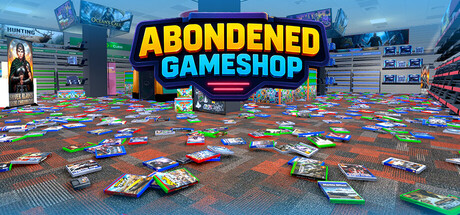 Abandoned Gameshop Store/marketing artcode | The 3D environment and props are human made, but the images on the cover, and code were made with the help of AI. | Zero Code Studios | - | Aug 24, 2026 | |
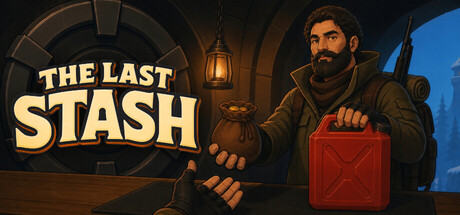 The Last Stash In-game content codetextart | Portions of the game's code were written with AI assistance and reviewed, tested and integrated by the developer. Localization into non-English languages was machine-assisted and human-reviewed. Some 2D concept/marketing artwork was AI-assisted and manually refined. All gameplay, game design and audio are human-made. The game does not generate any content with AI at runtime. | Kaldforge Studio | - | Aug 24, 2026 | |
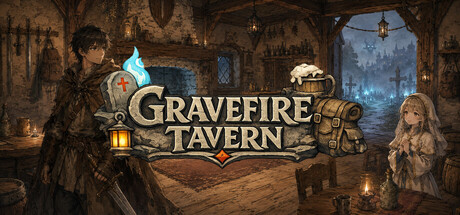 墓火酒館 In-game content artcode | This game contains pre-generated 2D artwork and source code created with ChatGPT during development. All game source code was generated with ChatGPT, then reviewed, tested, debugged, and integrated by the developer. The artwork was generated from original prompts written for Gravefire Tavern, then reviewed, selected, edited, composited, cropped, and integrated by the developer. No generative AI runs during gameplay, and no player input is sent to an AI service. | SynGameLab | - | Aug 24, 2026 | |
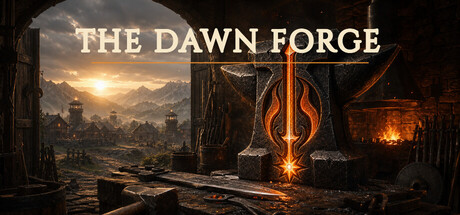 The Dawn Forge In-game content artaudio | Some of the artwork in The Dawn Forge — the item, building, unit and boss illustrations — and the spoken narration lines were created using AI image and voice tools, working from the developer's own art direction and scripts, and then composed and edited by hand. Nothing is generated while you play: the game runs entirely offline and never contacts an AI service. | Carlos | - | Aug 23, 2026 | |
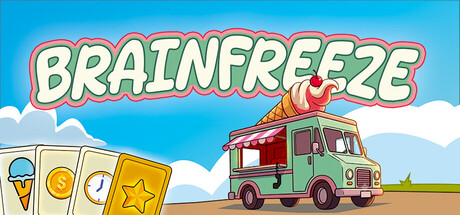 BRAINFREEZE In-game content textart | I used AI as an aid for a few things: parts of the writing, the translations into
French, Spanish and Italian, and some of the more complex store artwork. Everything
that came out of it was reworked by hand before it went in. It isn't something I'm a
fan of, but as a solo developer without a studio behind me, some things are simply out
of reach otherwise. | Flixo Games | - | Aug 23, 2026 | |
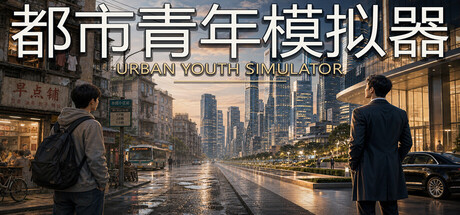 都市青年模拟器 In-game content artcode | During game development, we used AI tools to assist with the creation of some visual art assets and to support programming work. | HF GAME | 12 | Aug 23, 2026 | |
 Moon Shop Simulator In-game content art | AI was used during development to assist with the creation of certain visual elements.
All AI-assisted content is reviewed, edited, and approved by the developer before being integrated into the game. | Hakkah Studio | - | Aug 23, 2026 | |
 Rust & Reveal: Restoration Simulator Store/marketing art | The game's menu interface and Steam store page assets (capsule images and other promotional artwork) were designed with the assistance of an AI-based design tool. All other art, environments, characters, and audio in the game were created without the use of generative AI. | NovaFell | - | Aug 23, 2026 | |
 The Winery - Winemaking Simulator In-game content artaudio | As an indie studio, we use generative AI to continue developing the games we love. It allows us to accomplish tasks that would otherwise be beyond our small team's capacity.
Generative AI was used during the development of the game's user interface and to assist with creating parts of the game's audio. Every AI-generated asset was carefully reviewed and refined before being included in the final game. | Quasar Studio | - | Aug 23, 2026 | |
 Quiet Hour In-game content text | Localization of simplified chinese and spanish were generated by ai. No artwork or sound were made by ai to my knowledge. | FAB | - | Aug 23, 2026 | |
 Pitchside Empire In-game content text | Parts of this game's text were produced with the help of generative AI: the store description, and the translations of the in-game text into German, Spanish, French, Brazilian Portuguese, Russian and Simplified Chinese. The English and Turkish text was written by hand. No AI-generated art, audio or voice is used anywhere in the game, and the game does not generate anything while you play. | Bombastik Studio | - | Aug 22, 2026 | |
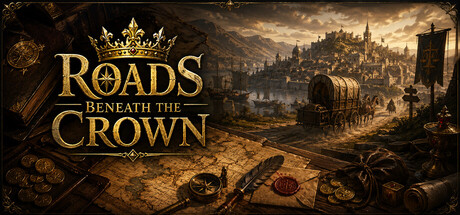 Roads Beneath The Crown In-game content arttext | This game uses generative AI during development to assist with selected artwork, relic and character illustrations, and limited text drafts. All generated material was created offline during development, then manually reviewed, edited, integrated, and quality-checked before being included in the game.
The game does not generate images, audio, text, code, or other content in real time, and it does not send player data or game content to external AI services during gameplay. | Wayward Salmon | - | Aug 22, 2026 | |
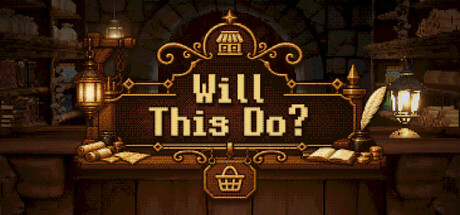 Will This Do? In-game content arttext | Some art assets were initially created with the assistance of generative AI tools, then manually edited and finalized by the developer. AI tools were also used to assist with multilingual localization. | tititto | - | Aug 22, 2026 | |
 Please Stop Breeding the Ducks In-game content art | I’m a broke college student and don’t have the budget to hire a professional artist for everything, so generative AI was used to help create some marketing and promotional artwork for the game do forgive me. | Solarice Interactives | - | Aug 22, 2026 | |
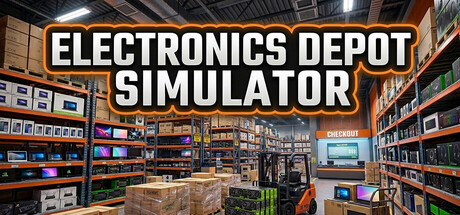 Electronics Depot Simulator In-game content art | Generative AI used for products box textures. | Last Bullet Games | - | Aug 22, 2026 | |
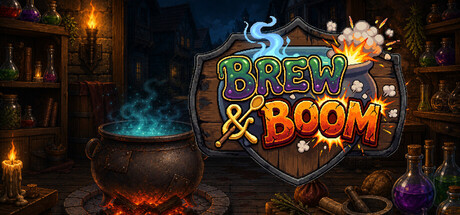 Brew & Boom In-game content arttext | Generative AI tools were used during development to create and refine selected 2D artwork and UI elements, and to assist with some narrative text and localization. All AI-assisted content was reviewed, edited, and integrated by the developer. The game does not generate content using AI during gameplay. | Zocke_Peter | - | Aug 22, 2026 | |
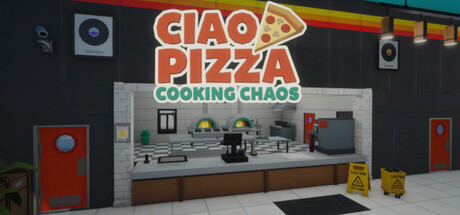 Ciao Pizza: Cooking Chaos Store/marketing art | The game does not contain any AI-generated content. AI was used only to create the logo on our Steam store page. | AxlPlay | - | Aug 22, 2026 | |
 Video Game Store Simulator In-game content artcodetext | Generative AI tools were used during the development of this game to assist with programming, debugging, translation, and content creation. Some artwork, text, and other assets were also generated or processed with the assistance of generative AI, then reviewed and edited by the development team. The game does not use generative AI at runtime or generate content in response to player input. The development team remains responsible for all content included in the final game. | luuuuyang | - | Aug 22, 2026 | |
 Keycap Co In-game content arttext | AI was used for help with minor assets and some copy. The AI content will get removed throughout the timeline of this game up until full release. | Pixel Galaxies s.r.o | - | Aug 22, 2026 | |
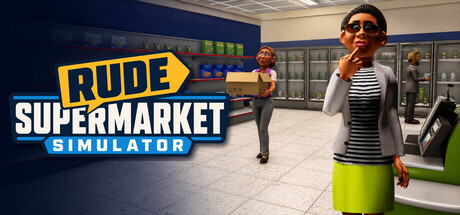 Rude Supermarket Simulator In-game content audioart | The voice acting was mostly generated. Some minor graphics were generated when needed. | Buder Games | - | Aug 22, 2026 | |
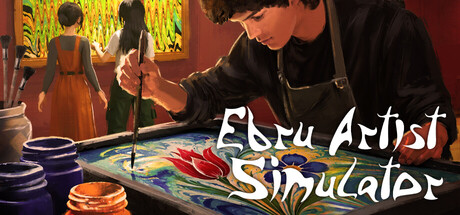 Ebru Artist Simulator In-game content art | Ebru Artist Simulator uses generative AI-assisted artwork for a small number of textures and UI icons. AI is not used in any other aspect of the game, and we are currently working to replace these AI-assisted visuals before the full release. | Stillwater Studio | - | Aug 22, 2026 | |
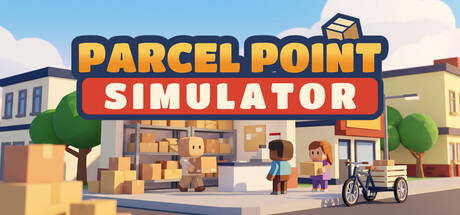 Pickup Station Simulator In-game content art | Artificial intelligence was used to aim the creation of the game's certain art assets. | BlazinFinity | - | Aug 22, 2026 | |
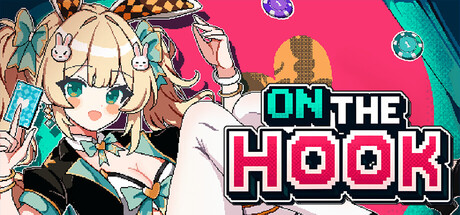 On The Hook In-game content art | A small portion of art assets were created with AI assistance.
All AI-generated outputs were manually reviewed, modified, and refined before use. | TrueEnding | - | Aug 22, 2026 | |
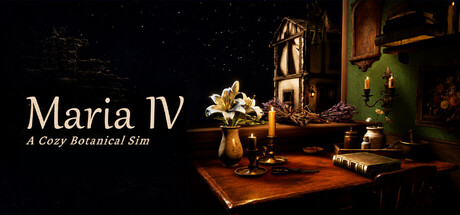 Maria IV: A Cozy Botanical Sim In-game content art | Since we developed the game with two people and didn't have a budget, we created some models using artificial intelligence. | DoubleShot Games | - | Aug 22, 2026 | |
 Football Agent In-game content arttext | Generative AI was used for some of the game's 2D artwork and for localizing in-game and store text into 8 languages, all reviewed by the developer.No content is generated by AI while you play. | ATERO GAMES | - | Aug 22, 2026 | |
 Harvest Story In-game content artcode | the code/image of game are mostly implemented by AI. | CYCLOPS | - | Aug 20, 2026 | |
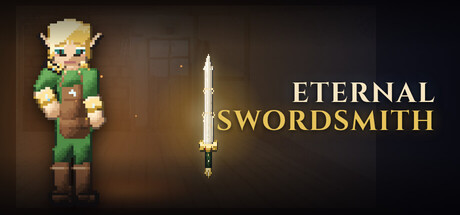 Eternal Swordsmith Dev only codetextart | Generative AI was used during development as a coding assistant and to assist with drafting and translating store-page and marketing text. Some pixel-art assets were rendered by deterministic drawing code written with AI assistance; the final images were not directly output by a text-to-image or diffusion model. All shipped and published content was reviewed and edited by the developer. No generative AI runs in the game, and no content is generated from player input. | sasoriken-games | - | Aug 20, 2026 | |
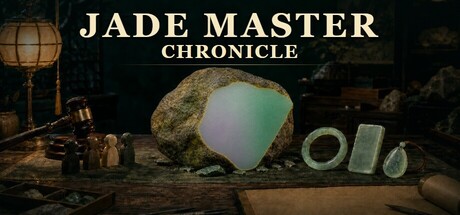 Jade Master: Chronicle In-game content art | Generative AI tools were used during development to assist with concept exploration and some fixed, pre-generated visual assets. All outputs were reviewed, edited, curated, and integrated by the developer. The game does not generate AI content at runtime, and players cannot prompt or create AI-generated content. | Fine Games | - | Aug 20, 2026 | |
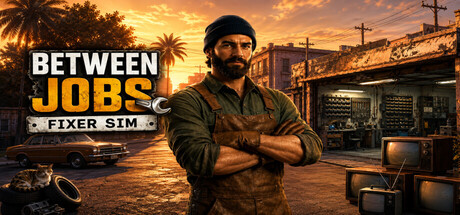 Between Jobs : Fixer Sim In-game content art | Generative AI was used during the development of Between Jobs to assist in creating 2D graphical assets. This includes static background art, environmental textures, and store page graphics. No AI content is live-generated while playing the game. | YRSD Games | - | Aug 20, 2026 | |
 Cheap Tattoo In-game content artaudio | Parts of the artwork (customer portraits, studio backgrounds, skin imagery, some tattoo motifs), the background music, and some store page images were created with generative AI tools and then edited and integrated by the developer. Game design, mechanics and game logic are the developer's own work. No content is generated while the game is running. | Cheap Games | - | Aug 20, 2026 | |
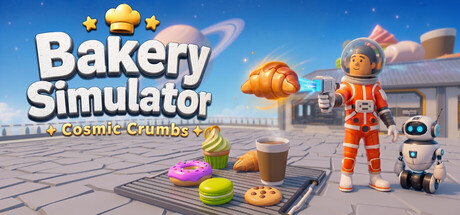 Cosmic Crumbs: Bakery Simulator In-game content art | AI-generated content was used for some visual assets and headers in the game. | NVM Game | - | Aug 20, 2026 | |
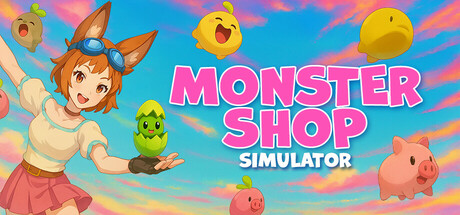 Monster Shop Simulator In-game content art | The images shown on the monster reveal screen after an egg is cracked, and the artwork used on the daily report screen, were created with generative AI. | For Fun Games | - | Aug 20, 2026 | |
 Supermarket Empire Together Store/marketing art | It has been used in the store page images and achievement images. | cnsgames | - | Aug 19, 2026 | |
 Gearbound In-game content artaudio | The visual art in Gearbound is made with PixelLab, an AI pixel-art tool. Every sprite, animation, tileset, background, prop, interface element and piece of marketing art was generated with PixelLab and then directed, edited and assembled by us.
The music and sound effects are rendered by synthesis scripts that were written with AI assistance. No generative audio model was used, and nothing was sourced from a music-generation service.
Nothing is generated by AI while you play. Every asset is finished and baked into the build before it ships, and the game makes no AI calls at runtime. | Osaka Rock | - | Aug 19, 2026 | |
 Scroll Shop In-game content audiocode | Music and sound effects were AI-generated (Suno / ElevenLabs) and edited by the developer. AI (Claude Code) was also used as a coding assistant during development. Visual assets are licensed/purchased assets and are not AI-generated. No AI content is generated live during gameplay all content is fixed and authored before release. | indie-dir | - | Aug 19, 2026 | |
 Tire Dealer Simulator In-game content artaudio | Generative AI tools were used to assist in the creation of some artwork, store page graphics, 3D assets, and audio content. No generative AI is used to generate content live during gameplay. | RamWhite Interactive | - | Aug 19, 2026 | |
 零氪超变 Store/marketing art | Some assets on the store page have been AI‑enhanced. | 零氪超变 | - | Aug 19, 2026 | |
 The Rift Trader In-game content art | AI tools were used for some initial concept designs. All final in-game assets, characters and scenes have been extensively hand-edited, redrawn and post-processed by the developer to achieve a consistent hand-drawn comic style. | Tremolo Games | - | Aug 19, 2026 | |
 Magic Shop Chaos In-game content text | AI has been used to localize page descriptions into some languages. Generative translation will eventually be replaced by human translation. | Freewill Games | - | Aug 19, 2026 | |
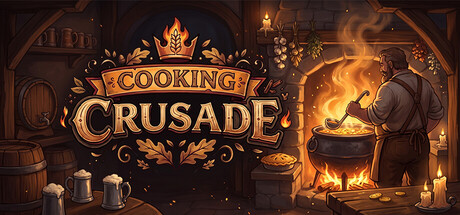 Cooking Crusade In-game content art | Some of the game's art, including character illustrations and environments, was created using AI. | toogaryn | - | Aug 19, 2026 | |
 Holy Relic Shop Simulator In-game content | AI tools are used to generate some of the game's content, which is then reviewed, edited and polished by the team. | Iron Sanctum | - | Aug 17, 2026 | |
 Retail Nation: My Supermarket In-game content arttext | Generative AI was used during development to assist with selected pre-generated marketing and Steam store artwork, concept and reference images, product packaging artwork and textures, and localization. All AI-assisted content was reviewed, edited and curated by the developer before being included. The game does not generate AI content during gameplay. | PerforMetric | - | Aug 17, 2026 | |
 Beach Manager Simulator Store/marketing art | Selected pre-generated visual materials used for the Steam store page, capsule artwork, promotional assets, and presentation screenshots were created or refined with the assistance of generative AI tools.
The game does not use live generative AI during gameplay. No gameplay content, dialogue, images, audio, or missions are generated in real time by AI, and the game does not connect to external AI services during play. | E&Y Studio | - | Aug 16, 2026 | |
 Gas Station Simulator Store/marketing art | AI was used to create store page assets, promotional images. | TrianCat Studio | - | Aug 16, 2026 | |
 FreshSheets Dev only | AI-assisted tools were used during parts of the development process. | IGBS ZSTUDIO | - | Aug 16, 2026 | |
 VHS Nights: The Tidy Up Shift Dev only text | AI was used to get blurbs of movies and data such as year | Isolated Gamerz | - | Aug 16, 2026 | |
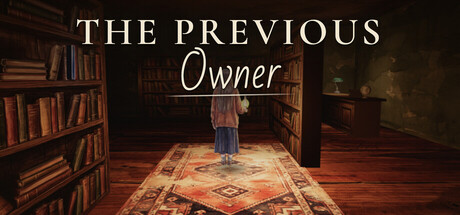 The Previous Owner In-game content artaudiotext | The Previous Owner uses generative AI as an assistive tool under human art direction and editorial control. The game's painted artwork — scene plates, room and prop textures, character and portrait art, the found photographs, the book spreads and the store art — was pre-generated with generative image tools, then curated, keyed, composited and hand-corrected by the developer; a small number of props are AI-generated 3D meshes, and some looping scene animations are AI-generated video. Music and sound effects are pre-generated with AI tools and edited by the developer. The narrative text is human–AI co-written under the author's direction and human-edited; the story, its structure and the game design are the author's. Everything ships pre-rendered in the build — the game generates nothing live during play. No real people are depicted; every character, book, photograph and document in the game is fictional. | 3Cats Studio | - | Aug 16, 2026 | |
 NighClub Manager Simulator Store/marketing art | Game logo was generated using Google Gemini. | OzKay Studios | - | Aug 16, 2026 |


