Public Steam disclosure research25,376 disclosures tracked
Where do games disclose AI use?
Search developers’ Steam disclosures, compare classified AI use across
games, and follow recorded changes.
This index adds cross-game classifications and statistics to
statements published on individual store pages.
Groups reflect automatic analysis of public disclosures; mature records are excluded. These counts do not measure AI use across all of Steam.
Missing or unclear statements cannot establish whether a game uses AI.
Some graphic assets (club crests, flags, and interface icons) were created
with the help of generative AI tools during development. All content is
original and fictional, and does not reproduce any real brands, crests, or
logos. The match simulation, the game data, and the game code do not use AI
at runtime.
Background graphics have been generated with AI. This might change during Early Access, as the goal is to replace all AI artwork by artwork made by real artists.
Generative AI tools were used during development as part of the production workflow for pre-generated visual, 3D, audio, written, and localization content included in the game. All final content was selected, reviewed, edited, adapted, and integrated as part of the game's development process. No generative AI systems run during gameplay and no content is generated dynamically for players.
Some pre-rendered content was created with the help of generative AI tools: the music tracks, the game logo and store/marketing artwork, and the store page texts including localization. All gameplay, graphics and race simulation are deterministic and hand-coded; no content is generated by AI at runtime.
Generative AI was used to assist in creating certain decorative user interface elements, and background graphics. All gameplay systems, mechanics, programming, game design, and core game content were created and curated by the development team.
This game includes limited use of generative artificial intelligence in the creation of certain visual and audio assets. These AI-assisted elements were used to support the development process and are integrated alongside original, human-created content. All assets have been reviewed and curated to ensure they meet the quality and artistic standards of the game.
This game uses generative AI in parts of its development.
Generative AI is used to help generate the game's program code. However, all final testing, adjustment, and verification of the generated code are carried out by human developers.
Generative AI is also used to create the game's background music (BGM).
Generative AI was used to create initial drafts for some in-game localization text. All AI-assisted content is pre-generated; the game does not generate AI content during play or connect to external AI services.
Some assets used during the development of Agent Pro were created or assisted using generative AI tools. All content included in the released version of the game has been reviewed, edited, and approved by the developer before being integrated into the game. No AI-generated content is created by players or generated dynamically during gameplay.
This game uses generative AI in a limited way, and only for some artwork.
Selected visual assets — including fictional club kits, generic stadium photographs and blueprint-style ground plans — were created or edited with image-generation tools, then reviewed, cropped, and placed by us. Player names, club names, and brands in the public release are invented; they are not official likenesses.
The game itself is not an AI chatbot. Matches, tactics, transfers, finances, and the season are simulated by our own code. No generative AI runs on your PC while you play, and the game does not send your actions to an AI service.
We do not use generative AI to impersonate real clubs, real players, or real people.
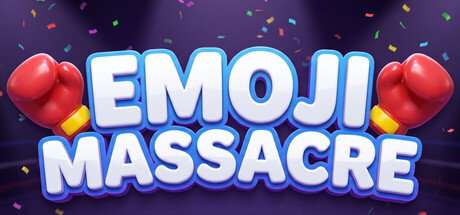
Some of this game's promotional and background artwork was made with generative AI tools and then edited by the developer: the store capsule/key art images, the painted title-screen background, and the cinematic clips used in the intro trailer. All gameplay, code, game design, in-game visuals (the emoji fighters, gloves, effects and UI), sound effects and music were created without generative AI. No AI content is generated during gameplay and the game does not connect to any AI service.
Artwork used on the Steam store page was created with the assistance of generative AI and was subsequently manually edited, refined, and improved. AI tools were also used to assist with the localization of the Steam store page.
Generative AI technologies were utilized during the development and content creation process of our game. In addition to software development support, AI tools were used to draft in-game narratives, assist with localization, and generate store page descriptions. All AI-assisted content has been thoroughly reviewed, edited, and curated by the development team to ensure quality standards and compliance with copyright policies.
We used generative AI on fighter portraits for deeper immersion and as a pre-production tool for early concept layouts. From there, all character assets and visual elements were extensively edited and manually hand-painted by human artists to ensure high visual quality and artistic control.
Generative AI was used to assist in the creation of some promotional artwork and to help with the writing and localization of certain text. All such content was reviewed and, where necessary, edited before use. No AI-generated content is created in real time during gameplay.
This game has been developed using AI programming agents, and also contains audio and image files generated by AI. No AI contents are generated during gameplay.
Generative AI was used to create 2D artwork, visual assets, and music. All AI-generated content was reviewed and edited by the developer before being included in the game.
Generative AI was used extensively throughout the development of **Crazy Fußball-Manager**. **ChatGPT Codex** and **Claude Code** were used primarily for programming, technical implementation, and textual content. Graphics and visual assets were created and edited with the assistance of generative AI tools. **Suno** and **Mureka** were used to create music, sound effects, and other audio content.
Nearly all content in the game – including code, graphics, text, music, and sounds – was created with the assistance of generative AI and subsequently integrated into the game.
Some visual assets and music used in this game were created with the assistance of generative AI. All AI-generated content was reviewed, if needed edited, and curated by the developer before being included in the game.
Some of the written copy on this game's store page was drafted with the assistance of AI tools, with all text reviewed and edited by our team. No AI was used in any visual material on this page, including screenshots and trailers, or in any in-game assets such as graphics, audio, and text.
Game Arena X uses AI-generated content only to a very limited extent. A small number of UI elements were initially created with the assistance of AI, after which they were extensively refined, adjusted, and customized by our in-house design team.
All other aspects of Game Arena X — including the platform’s concept, visual design, competitive systems, gameplay features, user experience, and overall development — are entirely original and created by our team.
Generative AI tools were used during development to assist with programming, game systems, debugging, visual assets and written content. All AI-assisted work is reviewed, tested, edited, and integrated by the developer before being included.
Generative AI tools were only used to assist with writing some C# code scripts during development and to translate/draft the text descriptions for the Steam Store page. There are no AI-generated visual (art/UI) or audio assets included in the game.
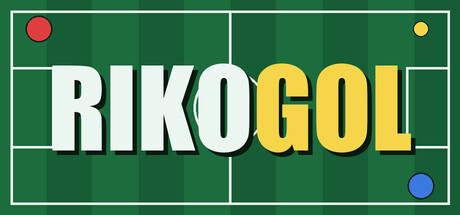
The written text for Rikogol — this store page, its marketing copy and the game's in-game text — was drafted with AI assistance. No generative AI model produced any of the game's visuals or audio: everything you see in a match is drawn at runtime by our own code from plain geometric shapes, every sound effect is synthesised procedurally in code, and the store artwork comes from a deterministic drawing script. The game generates no content while you play and connects to no AI service.
Contenu visuel pré-généré uniquement. Des outils d'IA générative ont servi à
produire une partie des illustrations livrées avec le jeu (portraits de
personnages, décors, illustrations de cartes, icônes de succès) ainsi que des
ressources graphiques de la page du magasin. Toutes les images ont été
sélectionnées, retouchées et validées manuellement par le développeur avant
intégration. Aucune génération en temps réel pendant le jeu.
Generative AI was used as a creative tool to assist with parts of the artwork, code, and written content. All design choices, creative direction, edits, and final decisions were made by the human developer, with all AI-assisted work reviewed and refined before release.
This game uses generative AI tools during development.
AI-assisted tools are used to help create or refine some artwork, including fictional team logos, mascots, character portraits, background illustrations, and marketing images.
AI-assisted tools are also used to help create or refine some sound and music-related materials, such as fictional team cheering themes and audio concepts.
AI is used to assist with fictional game data creation, including team concepts, player data, regional flavor text, news text, event ideas, and other in-game text content.
AI-assisted coding tools are used during development to help write, review, debug, and improve parts of the game code.
All content is reviewed and edited by the developer before being included in the game. The game does not use live generative AI during gameplay.
During the development of Valdivia AllStars, we used generative artificial intelligence tools to assist with specific parts of the content creation process.
These tools were primarily used to assist in the creation and exploration of certain visual assets, including concept art, visual references, textures, and some graphical elements used during the development of the game. Content created with the assistance of these tools was subsequently selected, modified, adapted, and reviewed by our team before being incorporated into the final product.
Generative AI was used as a supporting tool for our developers and artists, rather than as an autonomous system for creating the game. Character and environment design, gameplay mechanics, programming, 3D modeling, animation, content integration, and the overall artistic direction of the game were created and supervised by our development team.
Valdivia AllStars does not use generative AI to dynamically create content during gameplay, nor does it require players to submit content to be processed by generative AI systems.
AI was used to create textures, some of the code, create a player model and rig it for animation. The sounds of footsteps, goals and ball bounces, albeit mastered, started as AI generated before being edited and mastered. Localization languages were also created by AI. (Therefore any corrections will be welcome)
Animations, music, game design, and all other elements of creativity are the work of a human exclusively.
Badgerworks Studios will never rely on AI for creativity, music, ideas for games, and once an artist has been hired, AI models either. Due to lack of in-house ability to rig models or create them from scratch, the current player model was generated and rigged (skeleton matched to model) by AI. Animations were hand made, but on the AI created and rigged model.
No AI, LLM, of frontier models are being called during game play nor will any introduced features be allowed to do so.
As a solo indie developer, I'm a programmer rather than a designer, so AI was used to assist with layout creation while I focused on building the core of the game.
Parts of this game's text were produced with the help of generative AI: the store description, and the translations of the in-game text into German, Spanish, French, Brazilian Portuguese, Russian and Simplified Chinese. The English and Turkish text was written by hand. No AI-generated art, audio or voice is used anywhere in the game, and the game does not generate anything while you play.
Some background images and illustrations in this game are pre-generated content created using generative AI. These assets have been reviewed and, where necessary, adjusted by the developer before being included.
Generative AI tools were used during development to assist in creating pre-generated visual assets for the game, including character and hero artwork, team logos, backgrounds, interface elements, and other decorative assets. All generated content is reviewed, selected, edited, and integrated into the game by the developer. The game does not generate AI content during gameplay.
AI tools were used in the creation of some promotional renderings and in-game scene assets. All AI-generated visual content was reviewed, edited, and finalized by the development team to ensure consistency with the game's artistic direction.
Generative AI tools were used during development to assist with selected 2D visual assets, UI artwork, and initial drafts of interface and localization text. All AI-assisted content included in the game was reviewed, edited, and approved by the developer before release. The game does not generate content during gameplay and does not connect to external AI services.
Some graphic assets (club crests, flags, and interface icons) were created
with the help of generative AI tools during development. All content is
original and fictional, and does not reproduce any real brands, crests, or
logos. The match simulation, the game data, and the game code do not use AI
at runtime.
Background graphics have been generated with AI. This might change during Early Access, as the goal is to replace all AI artwork by artwork made by real artists.
Generative AI tools were used during development as part of the production workflow for pre-generated visual, 3D, audio, written, and localization content included in the game. All final content was selected, reviewed, edited, adapted, and integrated as part of the game's development process. No generative AI systems run during gameplay and no content is generated dynamically for players.
Some pre-rendered content was created with the help of generative AI tools: the music tracks, the game logo and store/marketing artwork, and the store page texts including localization. All gameplay, graphics and race simulation are deterministic and hand-coded; no content is generated by AI at runtime.
Generative AI was used to assist in creating certain decorative user interface elements, and background graphics. All gameplay systems, mechanics, programming, game design, and core game content were created and curated by the development team.
This game includes limited use of generative artificial intelligence in the creation of certain visual and audio assets. These AI-assisted elements were used to support the development process and are integrated alongside original, human-created content. All assets have been reviewed and curated to ensure they meet the quality and artistic standards of the game.
This game uses generative AI in parts of its development.
Generative AI is used to help generate the game's program code. However, all final testing, adjustment, and verification of the generated code are carried out by human developers.
Generative AI is also used to create the game's background music (BGM).
Generative AI was used to create initial drafts for some in-game localization text. All AI-assisted content is pre-generated; the game does not generate AI content during play or connect to external AI services.
Some assets used during the development of Agent Pro were created or assisted using generative AI tools. All content included in the released version of the game has been reviewed, edited, and approved by the developer before being integrated into the game. No AI-generated content is created by players or generated dynamically during gameplay.
This game uses generative AI in a limited way, and only for some artwork.
Selected visual assets — including fictional club kits, generic stadium photographs and blueprint-style ground plans — were created or edited with image-generation tools, then reviewed, cropped, and placed by us. Player names, club names, and brands in the public release are invented; they are not official likenesses.
The game itself is not an AI chatbot. Matches, tactics, transfers, finances, and the season are simulated by our own code. No generative AI runs on your PC while you play, and the game does not send your actions to an AI service.
We do not use generative AI to impersonate real clubs, real players, or real people.
Some of this game's promotional and background artwork was made with generative AI tools and then edited by the developer: the store capsule/key art images, the painted title-screen background, and the cinematic clips used in the intro trailer. All gameplay, code, game design, in-game visuals (the emoji fighters, gloves, effects and UI), sound effects and music were created without generative AI. No AI content is generated during gameplay and the game does not connect to any AI service.
Artwork used on the Steam store page was created with the assistance of generative AI and was subsequently manually edited, refined, and improved. AI tools were also used to assist with the localization of the Steam store page.
Generative AI technologies were utilized during the development and content creation process of our game. In addition to software development support, AI tools were used to draft in-game narratives, assist with localization, and generate store page descriptions. All AI-assisted content has been thoroughly reviewed, edited, and curated by the development team to ensure quality standards and compliance with copyright policies.
We used generative AI on fighter portraits for deeper immersion and as a pre-production tool for early concept layouts. From there, all character assets and visual elements were extensively edited and manually hand-painted by human artists to ensure high visual quality and artistic control.
Generative AI was used to assist in the creation of some promotional artwork and to help with the writing and localization of certain text. All such content was reviewed and, where necessary, edited before use. No AI-generated content is created in real time during gameplay.
This game has been developed using AI programming agents, and also contains audio and image files generated by AI. No AI contents are generated during gameplay.
Generative AI was used to create 2D artwork, visual assets, and music. All AI-generated content was reviewed and edited by the developer before being included in the game.
Generative AI was used extensively throughout the development of **Crazy Fußball-Manager**. **ChatGPT Codex** and **Claude Code** were used primarily for programming, technical implementation, and textual content. Graphics and visual assets were created and edited with the assistance of generative AI tools. **Suno** and **Mureka** were used to create music, sound effects, and other audio content.
Nearly all content in the game – including code, graphics, text, music, and sounds – was created with the assistance of generative AI and subsequently integrated into the game.
Some visual assets and music used in this game were created with the assistance of generative AI. All AI-generated content was reviewed, if needed edited, and curated by the developer before being included in the game.
Some of the written copy on this game's store page was drafted with the assistance of AI tools, with all text reviewed and edited by our team. No AI was used in any visual material on this page, including screenshots and trailers, or in any in-game assets such as graphics, audio, and text.
Game Arena X uses AI-generated content only to a very limited extent. A small number of UI elements were initially created with the assistance of AI, after which they were extensively refined, adjusted, and customized by our in-house design team.
All other aspects of Game Arena X — including the platform’s concept, visual design, competitive systems, gameplay features, user experience, and overall development — are entirely original and created by our team.
Generative AI tools were used during development to assist with programming, game systems, debugging, visual assets and written content. All AI-assisted work is reviewed, tested, edited, and integrated by the developer before being included.
Generative AI tools were only used to assist with writing some C# code scripts during development and to translate/draft the text descriptions for the Steam Store page. There are no AI-generated visual (art/UI) or audio assets included in the game.
The written text for Rikogol — this store page, its marketing copy and the game's in-game text — was drafted with AI assistance. No generative AI model produced any of the game's visuals or audio: everything you see in a match is drawn at runtime by our own code from plain geometric shapes, every sound effect is synthesised procedurally in code, and the store artwork comes from a deterministic drawing script. The game generates no content while you play and connects to no AI service.
Contenu visuel pré-généré uniquement. Des outils d'IA générative ont servi à
produire une partie des illustrations livrées avec le jeu (portraits de
personnages, décors, illustrations de cartes, icônes de succès) ainsi que des
ressources graphiques de la page du magasin. Toutes les images ont été
sélectionnées, retouchées et validées manuellement par le développeur avant
intégration. Aucune génération en temps réel pendant le jeu.
Generative AI was used as a creative tool to assist with parts of the artwork, code, and written content. All design choices, creative direction, edits, and final decisions were made by the human developer, with all AI-assisted work reviewed and refined before release.
This game uses generative AI tools during development.
AI-assisted tools are used to help create or refine some artwork, including fictional team logos, mascots, character portraits, background illustrations, and marketing images.
AI-assisted tools are also used to help create or refine some sound and music-related materials, such as fictional team cheering themes and audio concepts.
AI is used to assist with fictional game data creation, including team concepts, player data, regional flavor text, news text, event ideas, and other in-game text content.
AI-assisted coding tools are used during development to help write, review, debug, and improve parts of the game code.
All content is reviewed and edited by the developer before being included in the game. The game does not use live generative AI during gameplay.
During the development of Valdivia AllStars, we used generative artificial intelligence tools to assist with specific parts of the content creation process.
These tools were primarily used to assist in the creation and exploration of certain visual assets, including concept art, visual references, textures, and some graphical elements used during the development of the game. Content created with the assistance of these tools was subsequently selected, modified, adapted, and reviewed by our team before being incorporated into the final product.
Generative AI was used as a supporting tool for our developers and artists, rather than as an autonomous system for creating the game. Character and environment design, gameplay mechanics, programming, 3D modeling, animation, content integration, and the overall artistic direction of the game were created and supervised by our development team.
Valdivia AllStars does not use generative AI to dynamically create content during gameplay, nor does it require players to submit content to be processed by generative AI systems.
AI was used to create textures, some of the code, create a player model and rig it for animation. The sounds of footsteps, goals and ball bounces, albeit mastered, started as AI generated before being edited and mastered. Localization languages were also created by AI. (Therefore any corrections will be welcome)
Animations, music, game design, and all other elements of creativity are the work of a human exclusively.
Badgerworks Studios will never rely on AI for creativity, music, ideas for games, and once an artist has been hired, AI models either. Due to lack of in-house ability to rig models or create them from scratch, the current player model was generated and rigged (skeleton matched to model) by AI. Animations were hand made, but on the AI created and rigged model.
No AI, LLM, of frontier models are being called during game play nor will any introduced features be allowed to do so.
As a solo indie developer, I'm a programmer rather than a designer, so AI was used to assist with layout creation while I focused on building the core of the game.
Parts of this game's text were produced with the help of generative AI: the store description, and the translations of the in-game text into German, Spanish, French, Brazilian Portuguese, Russian and Simplified Chinese. The English and Turkish text was written by hand. No AI-generated art, audio or voice is used anywhere in the game, and the game does not generate anything while you play.
Some background images and illustrations in this game are pre-generated content created using generative AI. These assets have been reviewed and, where necessary, adjusted by the developer before being included.
Generative AI tools were used during development to assist in creating pre-generated visual assets for the game, including character and hero artwork, team logos, backgrounds, interface elements, and other decorative assets. All generated content is reviewed, selected, edited, and integrated into the game by the developer. The game does not generate AI content during gameplay.
AI tools were used in the creation of some promotional renderings and in-game scene assets. All AI-generated visual content was reviewed, edited, and finalized by the development team to ensure consistency with the game's artistic direction.
Generative AI tools were used during development to assist with selected 2D visual assets, UI artwork, and initial drafts of interface and localization text. All AI-assisted content included in the game was reviewed, edited, and approved by the developer before release. The game does not generate content during gameplay and does not connect to external AI services.