Public Steam disclosure research25,376 disclosures tracked
Where do games disclose AI use?
Search developers’ Steam disclosures, compare classified AI use across
games, and follow recorded changes.
This index adds cross-game classifications and statistics to
statements published on individual store pages.
Groups reflect automatic analysis of public disclosures; mature records are excluded. These counts do not measure AI use across all of Steam.
Missing or unclear statements cannot establish whether a game uses AI.
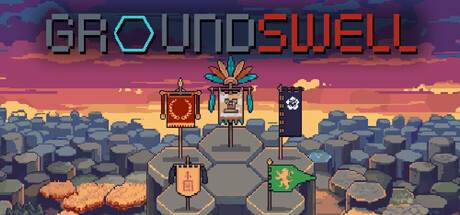
I would use pictures, send them through Nano Banana to enhance and modify (Example: silver eyes for Bees) then have AI turn the creatures into sprites. Game mechanics are all mine but AI would make the Pop up's. (Example: For a $5 bonus correctly spell the territory you captured.) A few sounds are AI generated.
Generative AI technology is used in a supplementary capacity during the creation of some user interface assets.
Any such assets are replaced through our production pipeline by our art and development teams, ensuring they meet our quality standards and creative direction.
During development we use AI-based tools to assist with content creation, including modelling, voice lines, music and translations. All of it is reviewed by the team to ensure the final product stays true to our own vision.
Voice lines and sound effects were produced with AI voice synthesis
(ElevenLabs) during development. Some character portraits and UI/VFX
textures were created with AI-assisted tools. All assets were reviewed,
edited and integrated by the developer.
No generative AI runs at runtime — the game ships only pre-generated,
fixed assets.
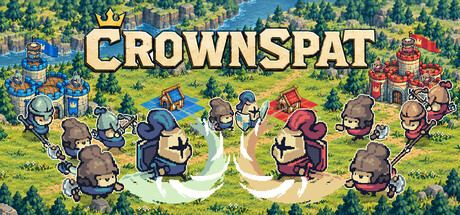
Generative AI tools were used during development to help create some visual assets and localized text, including Steam store artwork and achievement icons. This content is prepared in advance and included as fixed assets and text. Crownspat does not use generative AI to create content during gameplay and does not connect to external AI services.
Generative AI tools were used during development to help create some of the game's art, textures and icons, audio (including music and voice), in-game text, and store and marketing materials. The game does not generate any AI content during gameplay.
The soundtrack was composed with Suno, and the sound effects and unit/announcer voice lines were generated with ElevenLabs; all were selected, edited and mixed by the developer. The title logo illustration was drafted with an AI image tool and finished by hand. The UI frame art is a licensed commercial kit (not AI). No AI content is generated while the game runs.
Some art, music and the non-English translations were created with the help of AI tools during development, then edited by hand. Everything ships as static files; nothing is generated while you play.
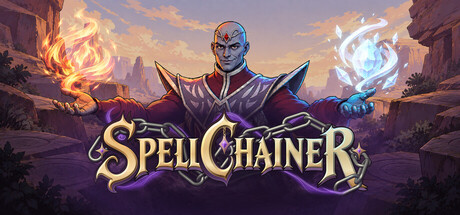
Spellchainer is made by a solo developer. I used generative AI sporadically to help fill gaps in artwork and textures, including selected in-game and marketing visuals. These assets were reviewed and edited before inclusion. No content is generated by AI during gameplay.
Generative AI tools were used during development to assist in creating some visual assets, music, sound effects, and voice-over content. All AI-generated content was created and reviewed prior to its inclusion in the game. The game does not generate AI content during gameplay.
I use generative technologies strictly in a supporting role, including: brain-storming; editing text; altering images; research; transcription…
Generated assets are never the first seed nor the last product of any content in my games.
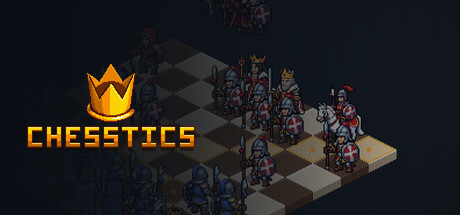
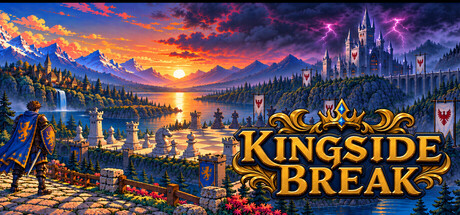
Pre-generated AI-assisted content is present for background art, portions of the Steam/Windows key art and logo derivatives. Kingside Break contains no runtime generative-AI system or live AI-content generation. Its chess opponent is conventional gameplay AI, not generative AI.
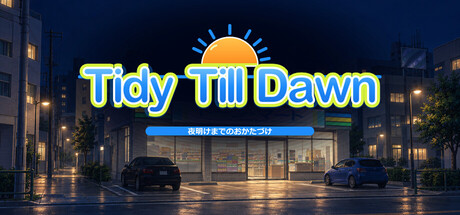
This game uses generative AI for: in-game product packaging (bento, ice cream, chips, cup noodles, gummies, gum, chocolate, candy, dried snacks, stationery, sundries, bath salts, hair care and hair color, coffee/tea boxes, drink and can labels, magazine covers, newspaper pages, and so on); full-screen art (title background, intro and epilogue illustrations, character icons, the morning results screen, the store floor plan, skill cards, skill icons, and effect overlays); some UI elements (panels, buttons, tabs); outdoor art and props (night sky panorama, vending machines, signage, banner flags, pavement, building walls, the traffic signal textures and the textures of small props by the entrance); the store capsule art and achievement icons; some 3D models (the radio by the register, the parking wheel stops, the trash bins by the entrance, three parked cars, the traffic lights, the coffee machine, the oden pot, the bun steamer and the bread crates, generated with Meshy and finished by the developer in Blender); and the background music (title and in-store tracks, also used in the trailer), generated with Suno and selected and arranged by the developer. All generated assets were reviewed and edited by the developer to avoid resembling real trademarks, people, or works. No content is generated by AI at runtime.
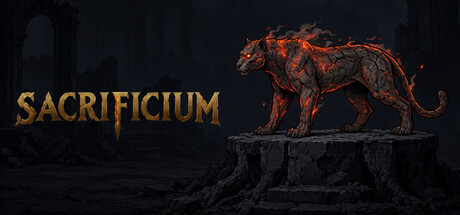
Some of the visual assets in Sacrificium — creature sprites, animations and background art — were created with the help of generative AI tools, then reviewed, edited and integrated by hand. All generative AI content is pre-generated; nothing is generated at runtime while you play. Game design, code, systems and all in-game text were written entirely by a human.
Some marketing concept art (store page / website) was created with Leonardo.ai and is labelled as concept art. No AI-generated content ships in the game itself. Every mesh, texture, material and sound is generated procedurally by the game's own code at runtime.
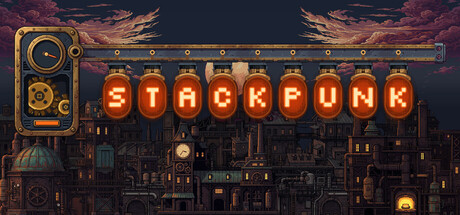
Some of STACKPUNK's 2D pixel art — including boss portraits, card artwork, background scenes, UI ornaments and achievement icons — was created with the assistance of a generative AI pixel-art tool during development. All AI-assisted images were generated ahead of time, then reviewed, edited and hand-finished by us before being shipped as fixed image files in the game. STACKPUNK does not generate any content live while you play, and the game never connects to an AI service. All gameplay, code, design, music and sound are authored by us or sourced from properly licensed/CC0 material.
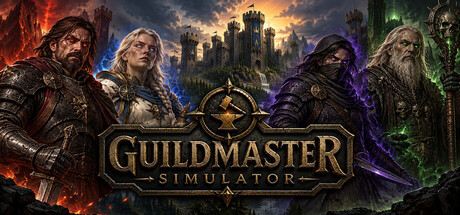
Guildmaster Simulator is developed independently, and I use generative AI as one of the tools that helps me bring the game to life. As I am not a professional graphic designer or illustrator, AI-assisted tools have helped me create selected visual assets, character artwork, interface elements and promotional imagery that I can then review, refine and adapt to fit the game’s established style.
Generative AI has also assisted with portions of the game’s written content, including some quest, event and narrative text. All AI-assisted content is reviewed, edited and shaped by me before being included in the game to ensure it fits the world, characters, gameplay systems and overall creative direction of Guildmaster Simulator.
No generative AI is used during gameplay. All AI-assisted content is created during development and is fixed within the shipped game.
Generative tools were used during development to create and refine pre-generated artwork, some 3D assets, textures, audio, cinematic sequences, and store/marketing materials, including translated store descriptions. These assets are included as fixed content. The game does not generate AI content during play and does not connect to a generative AI service.
Artificial Intelligence was used to assist for the art, music, and development as this was built by a single person working a full time job. Your support is appreciated and we understand if this does not align with your values.
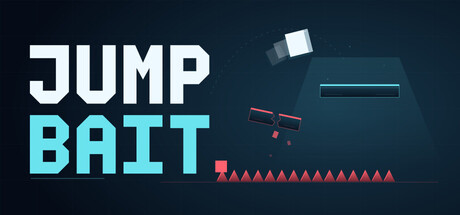
Jump Bait was created using generative AI, including its code, visual assets, music, and written content. AI-generated content was created during development. The game does not generate AI content or connect to third-party AI services during gameplay.
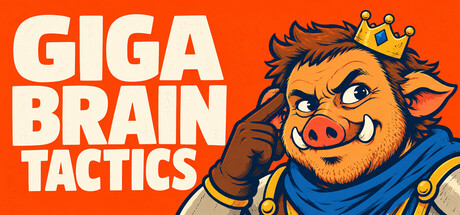
Generative AI tools were used during the development of GIGA BRAIN TACTICS to assist with the creation of certain visual and audio assets, as well as during the game development process.
All AI-assisted content is reviewed, refined, and integrated by the developers to ensure consistency with the game's visual style and quality standards.
Some environment prop artwork was created with an image-generation model from written briefs, then hand-reviewed, cropped and integrated. Sprites, tilesets, audio, UI, achievement icons and all code are authored procedurally or by hand. No AI-generated text, narrative or live-generated content.
This game features AI-assisted artwork and language translation. All assets were [reviewed or edited or approved] by the developer to ensure quality and consistency with the game's vision.
Some of the assets in this game were created using generative AI tools. Generated assets were reviewed by the developer and edited where necessary before use. The game itself does not use AI to generate content or code while it is running, and it does not connect to any external AI service.
Generative AI-assisted tools were used in parts of the development process, including selected visual assets, 3D models, music/audio, and promotional materials. These elements are reviewed and integrated by the developer as part of the game's overall creative direction. No generative AI is used to create content live during gameplay.
Generative AI tools are used during development to help create selected artwork, including ability icons, and to draft and edit text. This content is prepared before release. No content is generated by AI during gameplay, and the game does not connect to external AI services.
Some 2D sprites, sound effects, and music tracks were created with the assistance of generative AI tools during development and were manually reviewed and edited by the developer.
AI was used to help with created capsule art and assist with building the teaser trailers. There is no generative AI art, sound effects, video, or voice art in the game itself.
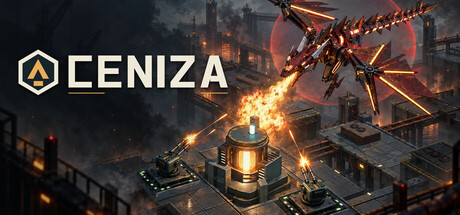
CENIZA is created using AI tools under human creative direction. Pre-generated content includes environmental textures, interface artwork, game text and translations, promotional art, and assets produced through AI-assisted modeling, coding and audio workflows. The base game does not generate content with generative AI while you play and does not connect to an AI service. Mod authors may optionally use external AI tools; manual editing and conventional tools are equally welcome.
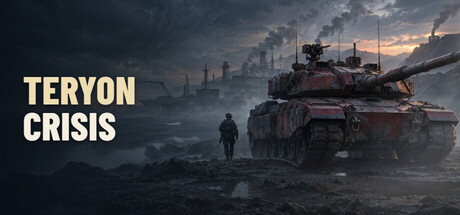
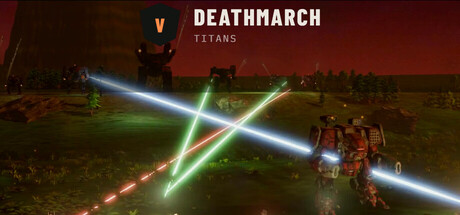
AI was used to create write parts of the game code and scripting, to refine mech textures, and for voiceover and audio content - to be used as placeholders while in playtests.
Generative AI assisted with development-time content, including procedural visual assets and pre-written store-page text. Content is prepared before release; the game does not generate AI content during gameplay or connect to an external AI service.
Generative AI tools were used to assist with drafting and revising some store-page text, interface text, and Italian/English localization. All content was reviewed and edited by the developer. The game does not generate AI content at runtime.
Generative AI was used during development for some card artwork, textures, sound effects, text, and translations. These are fixed, pre-generated assets. No generative AI runs during gameplay.
This game uses generative AI in parts of its development.
- Code — an AI coding assistant was used to help write the source code.
- Text translation — AI was used to translate the game's text into each supported language.
All of the above was reviewed and adjusted by the developer before release.
No content is generated by AI while the game is running.
Generative AI tools were used during development to help create some visual assets, including environment textures, branding and promotional artwork, as well as store copy and localization. These materials are selected, reviewed and integrated by the developer. Gameplay screenshots are captured from the game. No generative AI content is created during play, and the game does not connect to external AI services.
I would use pictures, send them through Nano Banana to enhance and modify (Example: silver eyes for Bees) then have AI turn the creatures into sprites. Game mechanics are all mine but AI would make the Pop up's. (Example: For a $5 bonus correctly spell the territory you captured.) A few sounds are AI generated.
Generative AI technology is used in a supplementary capacity during the creation of some user interface assets.
Any such assets are replaced through our production pipeline by our art and development teams, ensuring they meet our quality standards and creative direction.
During development we use AI-based tools to assist with content creation, including modelling, voice lines, music and translations. All of it is reviewed by the team to ensure the final product stays true to our own vision.
Voice lines and sound effects were produced with AI voice synthesis
(ElevenLabs) during development. Some character portraits and UI/VFX
textures were created with AI-assisted tools. All assets were reviewed,
edited and integrated by the developer.
No generative AI runs at runtime — the game ships only pre-generated,
fixed assets.
Generative AI tools were used during development to help create some visual assets and localized text, including Steam store artwork and achievement icons. This content is prepared in advance and included as fixed assets and text. Crownspat does not use generative AI to create content during gameplay and does not connect to external AI services.
Generative AI tools were used during development to help create some of the game's art, textures and icons, audio (including music and voice), in-game text, and store and marketing materials. The game does not generate any AI content during gameplay.
The soundtrack was composed with Suno, and the sound effects and unit/announcer voice lines were generated with ElevenLabs; all were selected, edited and mixed by the developer. The title logo illustration was drafted with an AI image tool and finished by hand. The UI frame art is a licensed commercial kit (not AI). No AI content is generated while the game runs.
Some art, music and the non-English translations were created with the help of AI tools during development, then edited by hand. Everything ships as static files; nothing is generated while you play.
Spellchainer is made by a solo developer. I used generative AI sporadically to help fill gaps in artwork and textures, including selected in-game and marketing visuals. These assets were reviewed and edited before inclusion. No content is generated by AI during gameplay.
Generative AI tools were used during development to assist in creating some visual assets, music, sound effects, and voice-over content. All AI-generated content was created and reviewed prior to its inclusion in the game. The game does not generate AI content during gameplay.
I use generative technologies strictly in a supporting role, including: brain-storming; editing text; altering images; research; transcription…
Generated assets are never the first seed nor the last product of any content in my games.
Pre-generated AI-assisted content is present for background art, portions of the Steam/Windows key art and logo derivatives. Kingside Break contains no runtime generative-AI system or live AI-content generation. Its chess opponent is conventional gameplay AI, not generative AI.
This game uses generative AI for: in-game product packaging (bento, ice cream, chips, cup noodles, gummies, gum, chocolate, candy, dried snacks, stationery, sundries, bath salts, hair care and hair color, coffee/tea boxes, drink and can labels, magazine covers, newspaper pages, and so on); full-screen art (title background, intro and epilogue illustrations, character icons, the morning results screen, the store floor plan, skill cards, skill icons, and effect overlays); some UI elements (panels, buttons, tabs); outdoor art and props (night sky panorama, vending machines, signage, banner flags, pavement, building walls, the traffic signal textures and the textures of small props by the entrance); the store capsule art and achievement icons; some 3D models (the radio by the register, the parking wheel stops, the trash bins by the entrance, three parked cars, the traffic lights, the coffee machine, the oden pot, the bun steamer and the bread crates, generated with Meshy and finished by the developer in Blender); and the background music (title and in-store tracks, also used in the trailer), generated with Suno and selected and arranged by the developer. All generated assets were reviewed and edited by the developer to avoid resembling real trademarks, people, or works. No content is generated by AI at runtime.
Some of the visual assets in Sacrificium — creature sprites, animations and background art — were created with the help of generative AI tools, then reviewed, edited and integrated by hand. All generative AI content is pre-generated; nothing is generated at runtime while you play. Game design, code, systems and all in-game text were written entirely by a human.
Some marketing concept art (store page / website) was created with Leonardo.ai and is labelled as concept art. No AI-generated content ships in the game itself. Every mesh, texture, material and sound is generated procedurally by the game's own code at runtime.
Some of STACKPUNK's 2D pixel art — including boss portraits, card artwork, background scenes, UI ornaments and achievement icons — was created with the assistance of a generative AI pixel-art tool during development. All AI-assisted images were generated ahead of time, then reviewed, edited and hand-finished by us before being shipped as fixed image files in the game. STACKPUNK does not generate any content live while you play, and the game never connects to an AI service. All gameplay, code, design, music and sound are authored by us or sourced from properly licensed/CC0 material.
Guildmaster Simulator is developed independently, and I use generative AI as one of the tools that helps me bring the game to life. As I am not a professional graphic designer or illustrator, AI-assisted tools have helped me create selected visual assets, character artwork, interface elements and promotional imagery that I can then review, refine and adapt to fit the game’s established style.
Generative AI has also assisted with portions of the game’s written content, including some quest, event and narrative text. All AI-assisted content is reviewed, edited and shaped by me before being included in the game to ensure it fits the world, characters, gameplay systems and overall creative direction of Guildmaster Simulator.
No generative AI is used during gameplay. All AI-assisted content is created during development and is fixed within the shipped game.
Generative tools were used during development to create and refine pre-generated artwork, some 3D assets, textures, audio, cinematic sequences, and store/marketing materials, including translated store descriptions. These assets are included as fixed content. The game does not generate AI content during play and does not connect to a generative AI service.
Artificial Intelligence was used to assist for the art, music, and development as this was built by a single person working a full time job. Your support is appreciated and we understand if this does not align with your values.
Jump Bait was created using generative AI, including its code, visual assets, music, and written content. AI-generated content was created during development. The game does not generate AI content or connect to third-party AI services during gameplay.
Generative AI tools were used during the development of GIGA BRAIN TACTICS to assist with the creation of certain visual and audio assets, as well as during the game development process.
All AI-assisted content is reviewed, refined, and integrated by the developers to ensure consistency with the game's visual style and quality standards.
Some environment prop artwork was created with an image-generation model from written briefs, then hand-reviewed, cropped and integrated. Sprites, tilesets, audio, UI, achievement icons and all code are authored procedurally or by hand. No AI-generated text, narrative or live-generated content.
This game features AI-assisted artwork and language translation. All assets were [reviewed or edited or approved] by the developer to ensure quality and consistency with the game's vision.
Some of the assets in this game were created using generative AI tools. Generated assets were reviewed by the developer and edited where necessary before use. The game itself does not use AI to generate content or code while it is running, and it does not connect to any external AI service.
Generative AI-assisted tools were used in parts of the development process, including selected visual assets, 3D models, music/audio, and promotional materials. These elements are reviewed and integrated by the developer as part of the game's overall creative direction. No generative AI is used to create content live during gameplay.
Generative AI tools are used during development to help create selected artwork, including ability icons, and to draft and edit text. This content is prepared before release. No content is generated by AI during gameplay, and the game does not connect to external AI services.
Some 2D sprites, sound effects, and music tracks were created with the assistance of generative AI tools during development and were manually reviewed and edited by the developer.
AI was used to help with created capsule art and assist with building the teaser trailers. There is no generative AI art, sound effects, video, or voice art in the game itself.
CENIZA is created using AI tools under human creative direction. Pre-generated content includes environmental textures, interface artwork, game text and translations, promotional art, and assets produced through AI-assisted modeling, coding and audio workflows. The base game does not generate content with generative AI while you play and does not connect to an AI service. Mod authors may optionally use external AI tools; manual editing and conventional tools are equally welcome.
AI was used to create write parts of the game code and scripting, to refine mech textures, and for voiceover and audio content - to be used as placeholders while in playtests.
Generative AI assisted with development-time content, including procedural visual assets and pre-written store-page text. Content is prepared before release; the game does not generate AI content during gameplay or connect to an external AI service.
Generative AI tools were used to assist with drafting and revising some store-page text, interface text, and Italian/English localization. All content was reviewed and edited by the developer. The game does not generate AI content at runtime.
Generative AI was used during development for some card artwork, textures, sound effects, text, and translations. These are fixed, pre-generated assets. No generative AI runs during gameplay.
This game uses generative AI in parts of its development.
- Code — an AI coding assistant was used to help write the source code.
- Text translation — AI was used to translate the game's text into each supported language.
All of the above was reviewed and adjusted by the developer before release.
No content is generated by AI while the game is running.
Generative AI tools were used during development to help create some visual assets, including environment textures, branding and promotional artwork, as well as store copy and localization. These materials are selected, reviewed and integrated by the developer. Gameplay screenshots are captured from the game. No generative AI content is created during play, and the game does not connect to external AI services.