Public Steam disclosure research25,376 disclosures tracked
Where do games disclose AI use?
Search developers’ Steam disclosures, compare classified AI use across
games, and follow recorded changes.
This index adds cross-game classifications and statistics to
statements published on individual store pages.
Groups reflect automatic analysis of public disclosures; mature records are excluded. These counts do not measure AI use across all of Steam.
Missing or unclear statements cannot establish whether a game uses AI.
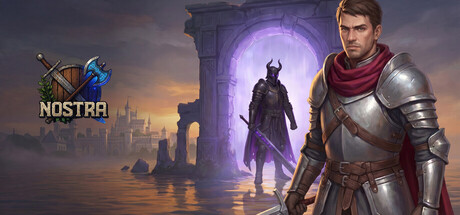
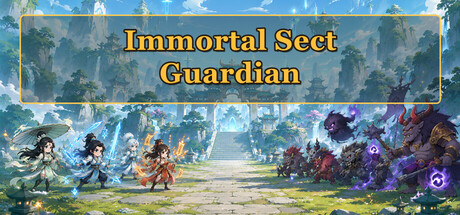
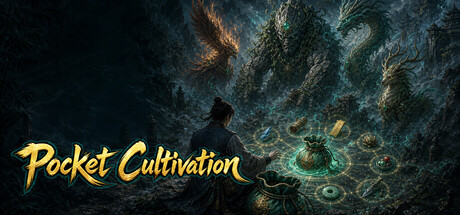
Some non-gameplay assets in this game (backgrounds, environment and concept art) were created using AI-assisted workflows, specifically: Runecraft AI (in-house workflow), Higgsfield and Pixellabs (select assets). The game's music is produced through studio recordings with live-played instruments; Suno is used supplementarily for optimizations and atmospheric additions. The majority of all game content (characters, sprites and core assets) is hand-crafted; AI is a supplementary tool in the production process. The shipped game does not generate any content at runtime via AI.
During production we use generative AI in one narrow way: internal placeholders. Rough concept sketches and scratch voice lines hold a spot while the real assets are being made. Every placeholder is flagged in-engine, and none of it ships in the game players buy — the release version contains no generative AI content. Testers in early builds may spot flagged placeholders; that's what the flags are for. All art, writing, and voice work in the finished game is made by people. We know even placeholder use is a fair thing to question, so where we do use these tools, we aim for ones that license their training data and compensate the creators behind it.
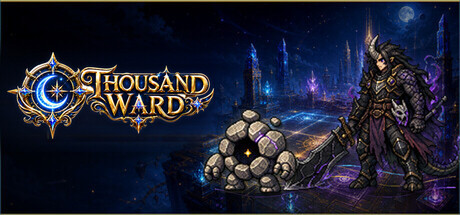
Thousand Ward uses generative AI as part of the development pipeline to help create and refine some visual assets, including promotional artwork, background illustrations, event imagery, and supporting art concepts. Gameplay systems, balance, progression, and player-facing game design are authored and reviewed by the development team.
Some art, music, and 3D assets in this game were created with the help of generative AI tools. Every AI-generated asset was carefully reviewed, refined, and hand-curated by the developer to fit the game's art direction and tone. The game does not use any live-generated (runtime) AI content.
Some visual assets, including characters, environments, objects, and backgrounds, were produced with the help of generative AI tools during development, then curated, edited, cleaned up, and integrated manually under human art direction to achieve a consistent visual style.
Erevael is made by a solo developer who uses generative AI as part of the development process. The following player-facing content is created with AI and reviewed by the developer before release:
- Visual art, including assets used in the procedurally generated world.
- Localization: translations are machine-generated and have not yet been professionally reviewed.
Music and sound effects are sourced from licensed, human-made libraries and are not AI-generated. AI coding assistants are also used during development.
The AI-generated art is a starting point. If the game finds an audience, the plan is to replace it with work from human artists in a free update for everyone, while keeping the original art available as an optional mod.
AI Generated Content Disclosure
Pre-generated AI:
"Artificial intelligence tools were utilized during the development process to generate initial 3D character assets and models. Following the generation, our development team extensively refined the textures, customized the coloring, and completely performed the rigging and weight painting manually."
This game contains pre-generated AI-assisted content, including some character artwork, visual assets, and audio. All AI-generated content has been reviewed, edited, and integrated into the game by the developer.
Generative artificial intelligence was employed during pre-production and development to create concept art, historical background illustrations, and compose the soundtrack. Additionally, AI was used to generate initial base meshes for select 3D models, which were then fully refined, textured, and optimized manually by the development team.
Generative AI was used as an assistive tool in the development of this game. It was used to help create some in-game icon images and to assist with programming code.
I used AI to help review code and check for any bugs. Also a few small pieces of art that will be changed/updated by release while we get artists commissioned.
This game contains some pre-generated AI-created artwork. AI-assisted images are used for certain visual assets, such as event illustrations (for example, cup draw graphics), news imagery, and other decorative artwork. These images are pre-generated during development and are not created dynamically during gameplay. All gameplay, mechanics, and player decisions are authored by the developer.
Some visual assets in the game (such as background elements and sprites) were created with the assistance of generative AI tools. Some localizations were produced using AI-assisted translation. AI tools may also be used for some promotional and store page materials.
Some pre-generated visual and audio assets were created or assisted with generative AI tools and then selected, edited, integrated, and reviewed by the developer. The game does not use live generative AI to create content during gameplay.
Generative AI was used as a supporting tool during the creation of some of the Steam Community assets, with all AI-generated images being carefully refined and significantly reworked by a professional graphic artist. The game itself (and all in-game artwork) was created entirely by human developers and artists, without the use of generative AI.
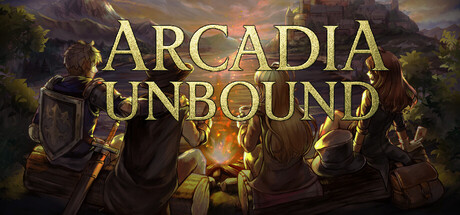
Arcadia Unbound does not use AI-generated artwork, music, sound effects, voice acting, story content, quests, localization, or character dialogue.
Arcadia Unbound uses a locally running language model as part of the AURA Framework to interpret player speech during specific conversation sequences. The model analyzes player intent and conversational context, and then selects from developer-authored dialogue responses and narrative outcomes.
All artwork, music, voice acting, story content, character dialogue, and gameplay content presented to players are created and curated by the development team and performed by professional voice actors where applicable. No AI system generates any type of dialogue, story events, artwork, audio, or player-facing content.
Generative AI was used during development to assist with creating some art assets, music, sound effects, gameplay prototypes, text, and code iteration. All AI-generated content used in the game has been manually reviewed, edited, integrated, and tested before inclusion.
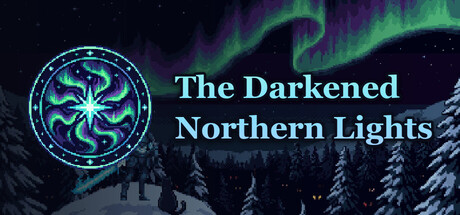
The Darkened Northern Lights uses generative AI to help create some of the content that ships with the game:
Artwork: many of the game's pixel-art characters and graphics were made with the help of an AI art tool.
Sound: some of the game's audio was created with the help of AI.
Text and localization: parts of the game's text and its Finnish and English translations were produced with the help of AI.
All of this content was reviewed by the developer and is fixed - it does not change while you play. The game does not generate any content live during gameplay. An optional feature that generates extra storybook tales may be added in a future update; if so, this notice will be updated.
This game utilizes generative AI tools as an assisting tool for creating various assets, including Artwork (Character portraits, backgrounds, and some UI elements), Sound (BGM and effects), and Text (localization).
AI was also used to assist in programming and debugging. All assets were carefully selected by the developer, and the core gameplay systems, balance, boss design, and all strategic features were entirely designed and implemented by hand.
This game uses generative AI tools during development to create or assist with some pre-generated content. This includes code assistance, visual asset creation, and music creation.
Generative AI tools are used to assist with programming during development, to create or assist with character artwork, background artwork, store page graphics, Steam community assets, and marketing materials, and to create or assist with background music.
AI-assisted assets and code are reviewed, edited, and integrated by the developer before release. The game does not use generative AI to generate real-time content during gameplay, and players do not directly interact with a generative AI system.
The “combat AI” described in the game is a gameplay system that controls enemy behavior and tactical decision-making. It is not generative AI.
Ashen Crown was built almost entirely with the help of generative AI. The game's code was written through conversation with an AI assistant (Claude), with me directing, correcting, testing, and deciding what the game should be. All in-game visuals are drawn in code rather than created by an artist, and the sound and music were generated with AI as well. No third-party art, audio, or text assets were used. AI was a tool throughout development; the design, direction, and final decisions are mine.
The developer used generative AI tools during development to assist in creating pre-generated assets, including concept art for backgrounds and placeholder text assets. None of the AI content is generated in real-time during gameplay.
Some store page promotional artworks and trailer footage materials are assisted and initially generated by AI tools. All AI-generated content has been deeply manually revised, adjusted and optimized by our development team to ensure originality and compliance. No runtime AI dynamic content will be generated during the game running process.
Some assets *may* be AI. These assets were secured from a third party and I cannot confirm this, but if that's the kind of thing that bothers you, you may want to steer clear.
My game currently uses generative AI only to assist with temporary localization and translation work, mainly as a placeholder until the translations can be reviewed and replaced by professional human translators.
Some in-game assets, including textures / background art / sound effects / narrative texts, were created with the help of generative AI tools during development. All AI-generated content has been reviewed and manually adjusted to ensure it meets the game's quality standards and does not contain any infringing or inappropriate material.
AI technologies were used extensively throughout the development of this game. The vast majority of the game's design, balancing data, art assets, audio assets, programming, and testing were completed with AI assistance.
Generative AI tools were utilized during the development process to assist in the creation of certain in-game art assets. Specifically, this includes character portraits, environmental backgrounds, item icons, and foundational visual elements for some of the user interfaces. All initial AI-generated materials have undergone rigorous manual review, selection, and post-production refinement by the developer, ensuring they contain no inappropriate or policy-violating content. The game does not feature any content generated by real-time AI computation.
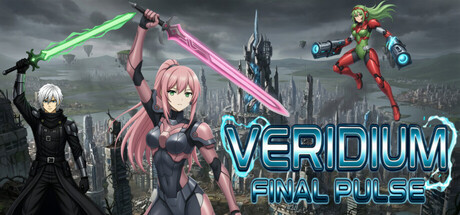
As the sole developer of Veridium: Final Pulse, I utilize generative AI tools as development assistants to create pre-rendered assets. AI technologies were used to generate 2D artwork, animations, music, sound effects, coding workflows, and promotional store texts. Crucially, all AI-generated elements have been thoroughly reviewed and curated, and were manually edited, modified, or refined wherever necessary to ensure high quality and artistic cohesion. The game contains no real-time or dynamically generated AI content during gameplay, and all tools are used under valid commercial licenses.
This game uses generative artificial intelligence to create portions of its GDScript code, Steam store promotional graphics, character designs, skills, in‑game items, environment maps, sound effects, background audio, and various dynamic content. All AI‑generated content is manually reviewed and adjusted before release to ensure quality, consistency, and safety, and many AI outputs undergo significant hand‑editing.
During game development, some NPC dialogue was first refined and translated using generative AI, after which filtering and moderation mechanisms were applied to ensure the dialogue remained safe, appropriate, and consistent with the game’s world. No unreviewed real‑time AI output is used in the game.
This game uses generative AI to produce certain content, and all AI outputs are subject to human review and filtering to ensure compliance with Steam’s guidelines and the game’s content standards. No unauthorized copyrighted material is included.
I have used generative AI tools to assist with localization of in-game text into additional languages, as I am a native English speaker. Source text (UI strings, menus, tutorial/coaching content) is authored in English; AI is used to produce initial translations, which are then reviewed and edited before shipping. The game contains no live/real-time AI-generated content. All other game content including artwork, audio and design, is created by real humans. This includes assets from the Unity store, Synty store, Humble Bundles and Fiverr artists.
This game does not use Live-Generated AI during gameplay.
The game does not connect to any external AI service, does not send player input to AI models, and does not generate new AI content while the game is running.
Some visual assets in the game were created with the assistance of generative AI tools during development. These assets are static, pre-generated, reviewed by the developer, and included directly in the game build.
All AI-assisted visual content is used as fixed in-game artwork and is not dynamically generated during gameplay
Generative AI tools were used during the development of certain visual and promotional assets for this game. All final content was reviewed and curated by the developer.
Some non-gameplay assets in this game (backgrounds, environment and concept art) were created using AI-assisted workflows, specifically: Runecraft AI (in-house workflow), Higgsfield and Pixellabs (select assets). The game's music is produced through studio recordings with live-played instruments; Suno is used supplementarily for optimizations and atmospheric additions. The majority of all game content (characters, sprites and core assets) is hand-crafted; AI is a supplementary tool in the production process. The shipped game does not generate any content at runtime via AI.
During production we use generative AI in one narrow way: internal placeholders. Rough concept sketches and scratch voice lines hold a spot while the real assets are being made. Every placeholder is flagged in-engine, and none of it ships in the game players buy — the release version contains no generative AI content. Testers in early builds may spot flagged placeholders; that's what the flags are for. All art, writing, and voice work in the finished game is made by people. We know even placeholder use is a fair thing to question, so where we do use these tools, we aim for ones that license their training data and compensate the creators behind it.
Thousand Ward uses generative AI as part of the development pipeline to help create and refine some visual assets, including promotional artwork, background illustrations, event imagery, and supporting art concepts. Gameplay systems, balance, progression, and player-facing game design are authored and reviewed by the development team.
Some art, music, and 3D assets in this game were created with the help of generative AI tools. Every AI-generated asset was carefully reviewed, refined, and hand-curated by the developer to fit the game's art direction and tone. The game does not use any live-generated (runtime) AI content.
Some visual assets, including characters, environments, objects, and backgrounds, were produced with the help of generative AI tools during development, then curated, edited, cleaned up, and integrated manually under human art direction to achieve a consistent visual style.
Erevael is made by a solo developer who uses generative AI as part of the development process. The following player-facing content is created with AI and reviewed by the developer before release:
- Visual art, including assets used in the procedurally generated world.
- Localization: translations are machine-generated and have not yet been professionally reviewed.
Music and sound effects are sourced from licensed, human-made libraries and are not AI-generated. AI coding assistants are also used during development.
The AI-generated art is a starting point. If the game finds an audience, the plan is to replace it with work from human artists in a free update for everyone, while keeping the original art available as an optional mod.
AI Generated Content Disclosure
Pre-generated AI:
"Artificial intelligence tools were utilized during the development process to generate initial 3D character assets and models. Following the generation, our development team extensively refined the textures, customized the coloring, and completely performed the rigging and weight painting manually."
This game contains pre-generated AI-assisted content, including some character artwork, visual assets, and audio. All AI-generated content has been reviewed, edited, and integrated into the game by the developer.
Generative artificial intelligence was employed during pre-production and development to create concept art, historical background illustrations, and compose the soundtrack. Additionally, AI was used to generate initial base meshes for select 3D models, which were then fully refined, textured, and optimized manually by the development team.
Generative AI was used as an assistive tool in the development of this game. It was used to help create some in-game icon images and to assist with programming code.
I used AI to help review code and check for any bugs. Also a few small pieces of art that will be changed/updated by release while we get artists commissioned.
This game contains some pre-generated AI-created artwork. AI-assisted images are used for certain visual assets, such as event illustrations (for example, cup draw graphics), news imagery, and other decorative artwork. These images are pre-generated during development and are not created dynamically during gameplay. All gameplay, mechanics, and player decisions are authored by the developer.
Some visual assets in the game (such as background elements and sprites) were created with the assistance of generative AI tools. Some localizations were produced using AI-assisted translation. AI tools may also be used for some promotional and store page materials.
Some pre-generated visual and audio assets were created or assisted with generative AI tools and then selected, edited, integrated, and reviewed by the developer. The game does not use live generative AI to create content during gameplay.
Generative AI was used as a supporting tool during the creation of some of the Steam Community assets, with all AI-generated images being carefully refined and significantly reworked by a professional graphic artist. The game itself (and all in-game artwork) was created entirely by human developers and artists, without the use of generative AI.
Arcadia Unbound does not use AI-generated artwork, music, sound effects, voice acting, story content, quests, localization, or character dialogue.
Arcadia Unbound uses a locally running language model as part of the AURA Framework to interpret player speech during specific conversation sequences. The model analyzes player intent and conversational context, and then selects from developer-authored dialogue responses and narrative outcomes.
All artwork, music, voice acting, story content, character dialogue, and gameplay content presented to players are created and curated by the development team and performed by professional voice actors where applicable. No AI system generates any type of dialogue, story events, artwork, audio, or player-facing content.
Generative AI was used during development to assist with creating some art assets, music, sound effects, gameplay prototypes, text, and code iteration. All AI-generated content used in the game has been manually reviewed, edited, integrated, and tested before inclusion.
The Darkened Northern Lights uses generative AI to help create some of the content that ships with the game:
Artwork: many of the game's pixel-art characters and graphics were made with the help of an AI art tool.
Sound: some of the game's audio was created with the help of AI.
Text and localization: parts of the game's text and its Finnish and English translations were produced with the help of AI.
All of this content was reviewed by the developer and is fixed - it does not change while you play. The game does not generate any content live during gameplay. An optional feature that generates extra storybook tales may be added in a future update; if so, this notice will be updated.
This game utilizes generative AI tools as an assisting tool for creating various assets, including Artwork (Character portraits, backgrounds, and some UI elements), Sound (BGM and effects), and Text (localization).
AI was also used to assist in programming and debugging. All assets were carefully selected by the developer, and the core gameplay systems, balance, boss design, and all strategic features were entirely designed and implemented by hand.
This game uses generative AI tools during development to create or assist with some pre-generated content. This includes code assistance, visual asset creation, and music creation.
Generative AI tools are used to assist with programming during development, to create or assist with character artwork, background artwork, store page graphics, Steam community assets, and marketing materials, and to create or assist with background music.
AI-assisted assets and code are reviewed, edited, and integrated by the developer before release. The game does not use generative AI to generate real-time content during gameplay, and players do not directly interact with a generative AI system.
The “combat AI” described in the game is a gameplay system that controls enemy behavior and tactical decision-making. It is not generative AI.
Ashen Crown was built almost entirely with the help of generative AI. The game's code was written through conversation with an AI assistant (Claude), with me directing, correcting, testing, and deciding what the game should be. All in-game visuals are drawn in code rather than created by an artist, and the sound and music were generated with AI as well. No third-party art, audio, or text assets were used. AI was a tool throughout development; the design, direction, and final decisions are mine.
The developer used generative AI tools during development to assist in creating pre-generated assets, including concept art for backgrounds and placeholder text assets. None of the AI content is generated in real-time during gameplay.
Some store page promotional artworks and trailer footage materials are assisted and initially generated by AI tools. All AI-generated content has been deeply manually revised, adjusted and optimized by our development team to ensure originality and compliance. No runtime AI dynamic content will be generated during the game running process.
Some assets *may* be AI. These assets were secured from a third party and I cannot confirm this, but if that's the kind of thing that bothers you, you may want to steer clear.
My game currently uses generative AI only to assist with temporary localization and translation work, mainly as a placeholder until the translations can be reviewed and replaced by professional human translators.
Some in-game assets, including textures / background art / sound effects / narrative texts, were created with the help of generative AI tools during development. All AI-generated content has been reviewed and manually adjusted to ensure it meets the game's quality standards and does not contain any infringing or inappropriate material.
AI technologies were used extensively throughout the development of this game. The vast majority of the game's design, balancing data, art assets, audio assets, programming, and testing were completed with AI assistance.
Generative AI tools were utilized during the development process to assist in the creation of certain in-game art assets. Specifically, this includes character portraits, environmental backgrounds, item icons, and foundational visual elements for some of the user interfaces. All initial AI-generated materials have undergone rigorous manual review, selection, and post-production refinement by the developer, ensuring they contain no inappropriate or policy-violating content. The game does not feature any content generated by real-time AI computation.
As the sole developer of Veridium: Final Pulse, I utilize generative AI tools as development assistants to create pre-rendered assets. AI technologies were used to generate 2D artwork, animations, music, sound effects, coding workflows, and promotional store texts. Crucially, all AI-generated elements have been thoroughly reviewed and curated, and were manually edited, modified, or refined wherever necessary to ensure high quality and artistic cohesion. The game contains no real-time or dynamically generated AI content during gameplay, and all tools are used under valid commercial licenses.
This game uses generative artificial intelligence to create portions of its GDScript code, Steam store promotional graphics, character designs, skills, in‑game items, environment maps, sound effects, background audio, and various dynamic content. All AI‑generated content is manually reviewed and adjusted before release to ensure quality, consistency, and safety, and many AI outputs undergo significant hand‑editing.
During game development, some NPC dialogue was first refined and translated using generative AI, after which filtering and moderation mechanisms were applied to ensure the dialogue remained safe, appropriate, and consistent with the game’s world. No unreviewed real‑time AI output is used in the game.
This game uses generative AI to produce certain content, and all AI outputs are subject to human review and filtering to ensure compliance with Steam’s guidelines and the game’s content standards. No unauthorized copyrighted material is included.
I have used generative AI tools to assist with localization of in-game text into additional languages, as I am a native English speaker. Source text (UI strings, menus, tutorial/coaching content) is authored in English; AI is used to produce initial translations, which are then reviewed and edited before shipping. The game contains no live/real-time AI-generated content. All other game content including artwork, audio and design, is created by real humans. This includes assets from the Unity store, Synty store, Humble Bundles and Fiverr artists.
This game does not use Live-Generated AI during gameplay.
The game does not connect to any external AI service, does not send player input to AI models, and does not generate new AI content while the game is running.
Some visual assets in the game were created with the assistance of generative AI tools during development. These assets are static, pre-generated, reviewed by the developer, and included directly in the game build.
All AI-assisted visual content is used as fixed in-game artwork and is not dynamically generated during gameplay
Generative AI tools were used during the development of certain visual and promotional assets for this game. All final content was reviewed and curated by the developer.