Public Steam disclosure research25,512 disclosures tracked
Where do games disclose AI use?
Search developers’ Steam disclosures, compare classified AI use across
games, and follow recorded changes.
This index adds cross-game classifications and statistics to
statements published on individual store pages.
Groups reflect automatic analysis of public disclosures; mature records are excluded. These counts do not measure AI use across all of Steam.
Missing or unclear statements cannot establish whether a game uses AI.
Generative artificial intelligence has been used to create store page thumbnails based on the developer's scene work.
Generative artificial intelligence has been used by the developer to vastly improve the performance of the developers code with respect to loading times. The developer struggled for months to figure out how to reduce a 30 second+ loading time and thanks to the contributions of gen AI that has been brought down to 5 seconds.
Generative AI was used during development to create a limited number of in-game images and to generate translations for multiple languages. All AI-generated content was reviewed and edited as needed by the development team.
This game uses AI-generated content in two areas: background music tracks were created using Mureka AI, and some pixel art assets were generated using PixelLab. All AI-generated content was reviewed, curated, and integrated by the developer.
Generative AI was used to assist in the development of the game, including parts of the game engine code, internal development tools, some visual assets, and language proofreading. All AI-generated output was reviewed and supervised by a human. The game's audio was sourced from third-party providers outside the studio and, to the best of our knowledge, was not created using generative AI.
This game was built in a basement by a dad of 3 with claude, gemini, grok, copilot and chat gpt, all pitched in with various parts. some of the backgrounds and icons atrwork had ai refinement in the process but were all reformatted and redrawn as conceptualized by dev
Generative artificial intelligence has been used to create store page thumbnails based on the developer's scene work.
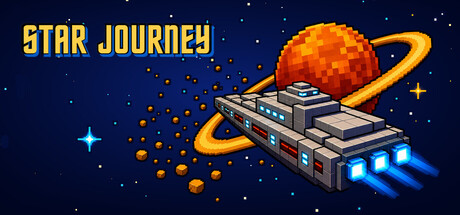
Generative artificial intelligence has been used by the developer to improve the performance of the developers code to achieve incredible in game performance with respect to voxel mesh rendering and voxel lighting calculations. Thanks to the contributions of gen ai Star Journey performs beautifully even on laptops that have no dedicated GPU.
Some images used in the game were created or assisted with the help of AI-generated content. All AI-generated assets were reviewed, edited, and integrated by the developer as part of the game's final artwork.
We did use AI generated images, but human edited and perfected images for our Steam Store and logos. Static UI elements and backgrounds were also generated using AI, but again, human edited.
We have used generative AI tools to translate the game into additional languages and make it accessible to a wider audience. The development team has reviewed and overseen the integration of all text to ensure it is displayed correctly and that the interface and menus function properly.
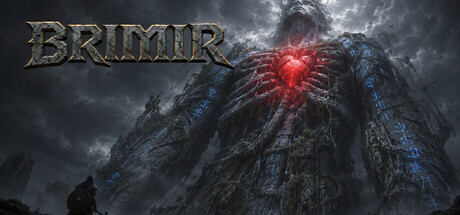
Some 2D art assets in Brimir: Pilgrimage to the Heart (such as background illustrations and key art) were created with the help of AI image-generation tools, then reviewed and edited by the development team. Purchased asset packs and tilesets, as well as all game code,
systems, and design, are not AI-generated. We have taken care to ensure the generated content does not infringe on existing intellectual property.
I know many players have reservations about AI-generated content, so I want to be upfront about exactly how it was used in this game.
I'm an ordinary gamer who has played games for almost twenty years and always dreamed of making one of my own. But I can't write code, and I've never been trained in art or music. This game exists because generative AI filled those gaps for me: parts of the code were written with the help of AI coding tools; some character, environment, and UI art was created with image-generation models, then hand-picked and adjusted by me; some animation, music, and sound effects were also made with AI tools.
Everything that makes it an actual game, though — the design, the balancing, the game feel, and every "is this fun?" decision — was done by me, across hundreds of playtests. The game contains no live-generated AI content.
For me, AI wasn't an assembly line making a game in my place. It's what let an ordinary player finally build the game he'd been dreaming about. I hope some of that comes through when you play — and I'd genuinely welcome your feedback.
Store Page Description
Please enter a message to players describing how this game uses generative artificial intelligence.
Note: The Steam Store will display this message under the 'About This Game' section on the game's store page. You can return to this survey at any time to update this message or its localizations.
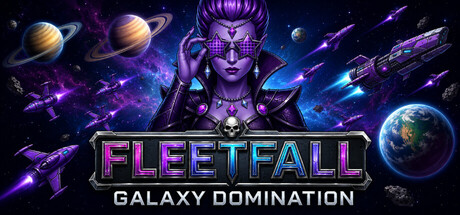
Artificial intelligence was used to generate the base concepts for the characters and planets in the game. All generated assets were then significantly edited, refined, and finalized manually to fit the game's unique art style.
Generative AI tools are used to create some background images and marketing materials, as well as to assist with the animation production process. The final assets are adjusted by the development team.
This game uses generative AI in the following ways:
- Some of the in-game and store page artwork was created using AI image generation tools.
- Some localization (translations) was assisted by AI tools.
All AI-generated content is reviewed and edited by the developer before release.
Background music uses royalty-free tracks and is not AI-generated.
Parts of the game's code were written with the assistance of AI coding tools.
Koi Frenzy contains pre-generated AI-assisted visual assets, including artwork and certain in-game graphics. All AI-generated content was reviewed, edited where necessary, and integrated by the developer. The game does not use live AI generation during gameplay.
Some store artwork and promotional assets were created with the assistance of AI tools. The final game content, gameplay, and mechanics were developed by our team.
Updated 8/24/2026 for Full Transparency:
Send Them to Hell was built by a very small team with a very large appetite for demonic slaughter. Generative AI was used during development to create concept art and visual references for the graphic design team. These concepts were used as references during the creation and refinement of the game’s sprites and visual assets. The final assets were created and modified by the development team. The remainder of the artwork was created by human artists, who were compensated for their work and are credited in-game.
Some pre-generated visual assets used in the game and store materials were created with the help of generative AI tools during development. These include selected images for the title screen, options screen, game over screen and promotional artwork. No live AI generation is used during gameplay.
Sound design and Localization (localization can hopefully be community sourced with proper credit given in-game for users that assist with translations)
During gameplay, the AI generates regional information and sightseeing guides (utilizing the Google Gemini API ). These generated texts change in real time and may occasionally contain inaccurate information.
Additionally, some images displayed within the game and on the store page utilize assets pre-generated by Google Gemini. (These are pre-generated contents, not live-generated during gameplay.)
AI Generated Content Disclosure:
"MalwareBurster" utilizes generative AI tools during its development process to assist with content creation. The specific details are as follows:
Visual Art: A portion of the character concepts, visual textures, and icons utilized AI tools to generate "raw asset templates." However, every single asset has been heavily refined, repainted, and polished manually by a human artist to ensure high quality and alignment with the game's retro-grid art style.
Music and Audio: Some background music (BGM) tracks were generated with the assistance of Suno.ai, which have been blended and edited alongside other appropriately licensed, royalty-free, and fair-use audio assets.
Note: This game does not feature any "Live-generated" AI content. All assets are fully pre-rendered prior to release, and no AI generation occurs in real-time while the game is running.
Some artwork used in this game was created with the assistance of generative AI. All AI-assisted graphics were further edited, refined, and finalized by the developer before being included in the final game.
We used generative AI tools during development to create pre-generated background map textures and illustrations for the game stages. No live generative AI is used during gameplay, and all pre-generated assets are fully vetted to ensure they do not violate any copyright or third-party intellectual property rights.
AI Gen tools were used in a variety of ways for this game. Asset image concepting, narrative re-writes, 3d meshing, and marketing assets typically went through some form of a.i. modification, but then returned to a human-in-the-loop production step before game integration.
Generative AI was used during development as an assistance tool for code development, review, debugging, and refinement. Final implementation and testing were performed by the developer. The game does not use generative AI to create content at runtime. Visual assets are either original works or appropriately licensed third-party assets that were manually edited and adapted for the game.
In EverRail, AI-generated voiceover is used only for machine characters: the train's AI board computer and robot enemies, voices that are artificial in the story itself, which also lets us offer them in multiple languages. Beyond that, our team uses generative AI as a tool to support development, with our artists, designers, and engineers refining and hand-building every asset that makes it into the game.
This game makes use of AI for localization of the following languages: Ukrainian, Spanish, Japanese, Korean, Polish, Portugese (Brasil), Russian, Simplified Chinese, Traditional Chinese, Turkish, Hindi. We're working with native translators, so expect this list to become shorter with time.
Generative AI was used to create the Library Hero artwork, the background image displayed in the main menu, and a short pre-rendered video shown at the beginning of the “Demo Night” scene. All of these assets are pre-generated and no content is generated by AI during gameplay.
During Early Access, we use AI-generated voice-overs as temporary placeholders for some characters. These will be replaced with professionally recorded voice-overs during development or, at the latest, after the end of the Early Access period.
This game was created in collaboration with my friend Claude Code.
Listen.. I know AI is hated by the community, but I am a single developer with limited time and i wanted to make my progress during that time more efficient.
The direction comes from my side and the passion for this project is still real.
Generative AI tools were used during development to assist with creating some concept art, graphical assets, and text for the game and its Steam store page. All generated content was reviewed, edited, and integrated by the developer. No generative AI is used during gameplay.
Generative artificial intelligence has been used to create store page thumbnails based on the developer's scene work.
Generative artificial intelligence has been used by the developer to vastly improve the performance of the developers code with respect to loading times. The developer struggled for months to figure out how to reduce a 30 second+ loading time and thanks to the contributions of gen AI that has been brought down to 5 seconds.
Generative AI was used during development to create a limited number of in-game images and to generate translations for multiple languages. All AI-generated content was reviewed and edited as needed by the development team.
This game uses AI-generated content in two areas: background music tracks were created using Mureka AI, and some pixel art assets were generated using PixelLab. All AI-generated content was reviewed, curated, and integrated by the developer.
Generative AI was used to assist in the development of the game, including parts of the game engine code, internal development tools, some visual assets, and language proofreading. All AI-generated output was reviewed and supervised by a human. The game's audio was sourced from third-party providers outside the studio and, to the best of our knowledge, was not created using generative AI.
This game was built in a basement by a dad of 3 with claude, gemini, grok, copilot and chat gpt, all pitched in with various parts. some of the backgrounds and icons atrwork had ai refinement in the process but were all reformatted and redrawn as conceptualized by dev
Generative artificial intelligence has been used to create store page thumbnails based on the developer's scene work.
Generative artificial intelligence has been used by the developer to improve the performance of the developers code to achieve incredible in game performance with respect to voxel mesh rendering and voxel lighting calculations. Thanks to the contributions of gen ai Star Journey performs beautifully even on laptops that have no dedicated GPU.
Some images used in the game were created or assisted with the help of AI-generated content. All AI-generated assets were reviewed, edited, and integrated by the developer as part of the game's final artwork.
We did use AI generated images, but human edited and perfected images for our Steam Store and logos. Static UI elements and backgrounds were also generated using AI, but again, human edited.
We have used generative AI tools to translate the game into additional languages and make it accessible to a wider audience. The development team has reviewed and overseen the integration of all text to ensure it is displayed correctly and that the interface and menus function properly.
Some 2D art assets in Brimir: Pilgrimage to the Heart (such as background illustrations and key art) were created with the help of AI image-generation tools, then reviewed and edited by the development team. Purchased asset packs and tilesets, as well as all game code,
systems, and design, are not AI-generated. We have taken care to ensure the generated content does not infringe on existing intellectual property.
I know many players have reservations about AI-generated content, so I want to be upfront about exactly how it was used in this game.
I'm an ordinary gamer who has played games for almost twenty years and always dreamed of making one of my own. But I can't write code, and I've never been trained in art or music. This game exists because generative AI filled those gaps for me: parts of the code were written with the help of AI coding tools; some character, environment, and UI art was created with image-generation models, then hand-picked and adjusted by me; some animation, music, and sound effects were also made with AI tools.
Everything that makes it an actual game, though — the design, the balancing, the game feel, and every "is this fun?" decision — was done by me, across hundreds of playtests. The game contains no live-generated AI content.
For me, AI wasn't an assembly line making a game in my place. It's what let an ordinary player finally build the game he'd been dreaming about. I hope some of that comes through when you play — and I'd genuinely welcome your feedback.
Store Page Description
Please enter a message to players describing how this game uses generative artificial intelligence.
Note: The Steam Store will display this message under the 'About This Game' section on the game's store page. You can return to this survey at any time to update this message or its localizations.
Artificial intelligence was used to generate the base concepts for the characters and planets in the game. All generated assets were then significantly edited, refined, and finalized manually to fit the game's unique art style.
Generative AI tools are used to create some background images and marketing materials, as well as to assist with the animation production process. The final assets are adjusted by the development team.
This game uses generative AI in the following ways:
- Some of the in-game and store page artwork was created using AI image generation tools.
- Some localization (translations) was assisted by AI tools.
All AI-generated content is reviewed and edited by the developer before release.
Background music uses royalty-free tracks and is not AI-generated.
Parts of the game's code were written with the assistance of AI coding tools.
Koi Frenzy contains pre-generated AI-assisted visual assets, including artwork and certain in-game graphics. All AI-generated content was reviewed, edited where necessary, and integrated by the developer. The game does not use live AI generation during gameplay.
Some store artwork and promotional assets were created with the assistance of AI tools. The final game content, gameplay, and mechanics were developed by our team.
Updated 8/24/2026 for Full Transparency:
Send Them to Hell was built by a very small team with a very large appetite for demonic slaughter. Generative AI was used during development to create concept art and visual references for the graphic design team. These concepts were used as references during the creation and refinement of the game’s sprites and visual assets. The final assets were created and modified by the development team. The remainder of the artwork was created by human artists, who were compensated for their work and are credited in-game.
Some pre-generated visual assets used in the game and store materials were created with the help of generative AI tools during development. These include selected images for the title screen, options screen, game over screen and promotional artwork. No live AI generation is used during gameplay.
Sound design and Localization (localization can hopefully be community sourced with proper credit given in-game for users that assist with translations)
During gameplay, the AI generates regional information and sightseeing guides (utilizing the Google Gemini API ). These generated texts change in real time and may occasionally contain inaccurate information.
Additionally, some images displayed within the game and on the store page utilize assets pre-generated by Google Gemini. (These are pre-generated contents, not live-generated during gameplay.)
AI Generated Content Disclosure:
"MalwareBurster" utilizes generative AI tools during its development process to assist with content creation. The specific details are as follows:
Visual Art: A portion of the character concepts, visual textures, and icons utilized AI tools to generate "raw asset templates." However, every single asset has been heavily refined, repainted, and polished manually by a human artist to ensure high quality and alignment with the game's retro-grid art style.
Music and Audio: Some background music (BGM) tracks were generated with the assistance of Suno.ai, which have been blended and edited alongside other appropriately licensed, royalty-free, and fair-use audio assets.
Note: This game does not feature any "Live-generated" AI content. All assets are fully pre-rendered prior to release, and no AI generation occurs in real-time while the game is running.
Some artwork used in this game was created with the assistance of generative AI. All AI-assisted graphics were further edited, refined, and finalized by the developer before being included in the final game.
We used generative AI tools during development to create pre-generated background map textures and illustrations for the game stages. No live generative AI is used during gameplay, and all pre-generated assets are fully vetted to ensure they do not violate any copyright or third-party intellectual property rights.
AI Gen tools were used in a variety of ways for this game. Asset image concepting, narrative re-writes, 3d meshing, and marketing assets typically went through some form of a.i. modification, but then returned to a human-in-the-loop production step before game integration.
Generative AI was used during development as an assistance tool for code development, review, debugging, and refinement. Final implementation and testing were performed by the developer. The game does not use generative AI to create content at runtime. Visual assets are either original works or appropriately licensed third-party assets that were manually edited and adapted for the game.
In EverRail, AI-generated voiceover is used only for machine characters: the train's AI board computer and robot enemies, voices that are artificial in the story itself, which also lets us offer them in multiple languages. Beyond that, our team uses generative AI as a tool to support development, with our artists, designers, and engineers refining and hand-building every asset that makes it into the game.
This game makes use of AI for localization of the following languages: Ukrainian, Spanish, Japanese, Korean, Polish, Portugese (Brasil), Russian, Simplified Chinese, Traditional Chinese, Turkish, Hindi. We're working with native translators, so expect this list to become shorter with time.
Generative AI was used to create the Library Hero artwork, the background image displayed in the main menu, and a short pre-rendered video shown at the beginning of the “Demo Night” scene. All of these assets are pre-generated and no content is generated by AI during gameplay.
During Early Access, we use AI-generated voice-overs as temporary placeholders for some characters. These will be replaced with professionally recorded voice-overs during development or, at the latest, after the end of the Early Access period.
This game was created in collaboration with my friend Claude Code.
Listen.. I know AI is hated by the community, but I am a single developer with limited time and i wanted to make my progress during that time more efficient.
The direction comes from my side and the passion for this project is still real.
Generative AI tools were used during development to assist with creating some concept art, graphical assets, and text for the game and its Steam store page. All generated content was reviewed, edited, and integrated by the developer. No generative AI is used during gameplay.