Public Steam disclosure research25,512 disclosures tracked
Where do games disclose AI use?
Search developers’ Steam disclosures, compare classified AI use across
games, and follow recorded changes.
This index adds cross-game classifications and statistics to
statements published on individual store pages.
Groups reflect automatic analysis of public disclosures; mature records are excluded. These counts do not measure AI use across all of Steam.
Missing or unclear statements cannot establish whether a game uses AI.
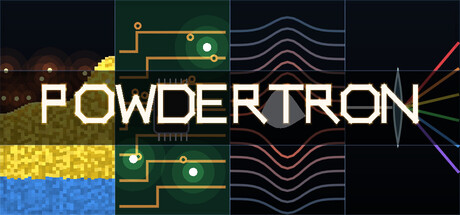
Some of Powdertron's development and marketing materials were produced with AI assistance. The store page text was drafted with an AI writing tool and edited by hand, and the capsule images and trailer were rendered by procedural code written with AI assistance, using the game's own artwork and captured gameplay footage.
The game itself contains no generative AI. Nothing is generated at runtime, no AI service is contacted while you play, and all in-game content — the materials, reaction rules, simulations and interface — is authored and deterministic.
Cover art, store page imagery and music were created with AI generation tools. All game design, writing and gameplay systems were created by the developer.
Investors and characters respond to the business idea you type, because a language model re-words our hand-written dialogue at runtime. It only changes wording — never numbers, outcomes, or anything in your save. If a generation fails, you get the hand-written line instead.
Your product illustration is generated from your own idea text.
Some store page text, including the game description, was drafted with the assistance of generative AI and reviewed/edited by the developer before publication. The game does not generate AI content during gameplay.
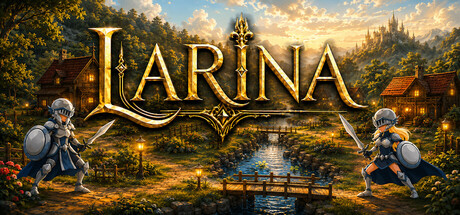
This game uses generative AI during development to assist with selected artwork, relic and character illustrations, and limited text drafts. All generated material was created offline during development, then manually reviewed, edited, integrated, and quality-checked before being included in the game.
The game does not generate images, audio, text, code, or other content in real time, and it does not send player data or game content to external AI services during gameplay.
Generative AI was used as an assistant throughout development, and the developer reviewed and approved everything before it shipped.
It helped draft part of the in-game text, some of the marketing copy, and the scripts that generate the artwork and the audio.
No image or audio file came out of a generative model: every sprite, glyph, sound effect and music track is drawn or synthesised by deterministic code, and the same script always produces the same pixels and the same samples.
The game does not generate any content with AI while you play.
Generative AI tools were used during development to create some pre-generated visual assets, including certain ships, enemies, bosses, and visual effects. These assets were reviewed, selected, edited, and manually processed before being integrated into the game. HULLSTORM does not generate content using AI during gameplay.
Some visual assets used in Retro TV Tycoon were created with the assistance of generative AI.
Specifically, AI-generated imagery is used for some of the fictional thumbnail artwork displayed in the **TV Catalog** and **Film Archives** sections of the game. These images are pre-generated assets created during development and are not generated dynamically while the game is running.
Generative AI is not used to generate gameplay, player interactions, or live content. The AI-assisted images are used solely as visual illustrations and thumbnails representing fictional television programs and films within the game's catalog and archive interfaces.
Generative AI was used during development to create selected 2D artwork, including crew portraits, environmental elements, user interface icons, and key art. Generated assets were selected, edited, and adapted to match the game’s visual style and technical requirements. The game does not generate any AI content at runtime and does not send player data to generative AI services.
Some art assets were initially created with the assistance of generative AI tools, then manually edited and finalized by the developer. AI tools were also used to assist with multilingual localization.
Some visual assets used in the game and its promotional materials were created with the assistance of generative AI. The game does not generate AI content at runtime.
Generative AI tools were used during development to assist in creating pre-generated visual assets for the game, including character and hero artwork, team logos, backgrounds, interface elements, and other decorative assets. All generated content is reviewed, selected, edited, and integrated into the game by the developer. The game does not generate AI content during gameplay.
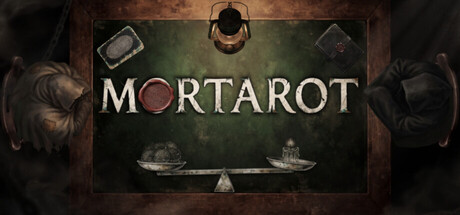
Some of MORTAROT's visual assets were created with the assistance of generative AI image tools and then edited, composited, and refined by hand by the artist. Some interface text and the English localization were drafted with AI assistance and reviewed by the team. AI coding assistants were also used during development. All AI-generated content has been reviewed to ensure that it does not contain infringing or illegal material.
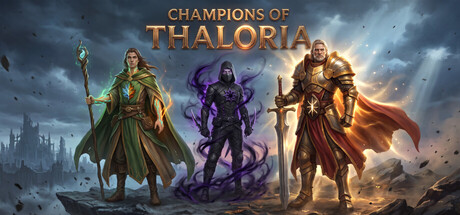
Some of the visual assets in Champions of Thaloria were created with the help
of generative AI tools during development. This includes parts of the store
page artwork and trailer, along with a portion of the in-game 2D art such as
item icons, avatar frames and class emblems.
Every AI-assisted asset was selected, edited and assembled by hand before it
went into the game, and all of it was reviewed by the developer.
The game does not generate anything while you play. No content is created at
runtime and no AI service is contacted during gameplay — everything ships
with the game.
Pre-generated content: Some promotional and store-page visual assets, including logo variations, were created or enhanced with generative AI during development. No generative AI is used at runtime. The game does not generate AI content for players.
As a solo developer, I used generative AI tools during the development process to assist with creating game assets (such as character artwork and item graphics), composing background music, and generating or refining code snippets. All AI-assisted content was pre-generated prior to release and manually curated. No AI content is generated live during gameplay.
This game uses generative AI tools for parts of its 3D model creation and music/sound effect production.
Core elements of the game experience — including the scenario, game design, AI logic design and implementation, and part balance adjustments — are created and decided primarily by the developer himself.
In keeping with the game's own concept of "designing AI logic to fight," the development process itself also actively incorporates collaboration with AI. This game was completed by using dialogue with AI to work around the limitations of a one-person team.
Some card artwork, character illustrations, and marketing text were created with the assistance of generative AI tools, then reviewed, edited, and curated by the developer. All game design and code direction is human-led. No AI content is generated live during gameplay.
Generative AI tools were used to assist in creating some store page artwork and marketing materials, as well as parts of the game's word content. All AI-assisted content was reviewed, edited, and integrated by the developer. Game design, programming, and final implementation were created by the developer.
Generative AI was used during development to assist in creating and refining some visual assets and development materials. All AI-assisted content included in the game and its marketing is reviewed, selected, and edited by the developer before publication. No AI-generated content is created during gameplay.
Generative AI is used solely for localization from Japanese into other languages, both within the game itself and for external content such as this store page. All artwork and story content in the game are created by hand, and no generative AI is used in their creation.
AI tools were used in the creation of some promotional renderings and in-game scene assets. All AI-generated visual content was reviewed, edited, and finalized by the development team to ensure consistency with the game's artistic direction.
Generative AI tools were used during development to create and refine selected 2D artwork and UI elements, and to assist with some narrative text and localization. All AI-assisted content was reviewed, edited, and integrated by the developer. The game does not generate content using AI during gameplay.
Generative AI was used to assist in creating some visual assets, dialogue, and localization for the game. AI-generated visual assets were manually pixel-edited, recolored, and refined by the developer to match the game's art style. AI-assisted dialogue and localization were reviewed and edited by the developer before being included in the game. No generative AI content is created dynamically during gameplay.
Some of the content in this game was created with generative AI tools.
· The five background music tracks were generated with an AI music tool, then edited
and looped to fit the game.
· 2D sprites (props, enemies, bosses, UI) started as generative AI image drafts and
went through background removal, resizing and color correction before shipping.
· Interface translations — the source language is Korean; the other languages were
machine-translated with AI and only some have had a human pass. If you spot an
awkward line, tell us and we will fix it.
Sound effects are not AI-generated. They are synthesized in real time by the game's code.
No AI runs while you play. Every piece of content ships as a fixed file — the game does
not generate anything during play and does not contact any AI service.
Generative AI tools were used during development to assist in creating visual promotional artwork, UI graphics, and character concept designs. All AI-generated assets were reviewed, modified, and curated by the developer to ensure quality and consistency with the game's art style. No real-time AI content generation is used during gameplay.
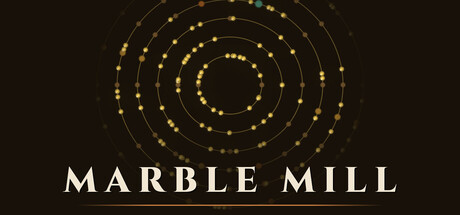
Marble Mill's text was written with generative AI assistance — the in-game strings, the achievement and perk descriptions, and this store page.
Nothing else is AI-generated. The mill is drawn by the game's own renderer rather than from image files: the build contains no art assets beyond the window icon, which a script in the project generates. Every chime is synthesised in code as it plays, so the game ships no audio files at all. And nothing is generated while you play — there is no AI model in the game and no calls out to one.
About 10% of this game’s art assets were created with AI-assisted design, including some combat scenes and talent icons. All AI-generated content was reviewed, adjusted, and polished by artists. The remaining art assets were hand-crafted.
Generative AI tools were used during development to assist with selected 2D visual assets, UI artwork, and initial drafts of interface and localization text. All AI-assisted content included in the game was reviewed, edited, and approved by the developer before release. The game does not generate content during gameplay and does not connect to external AI services.
Generative AI tools assisted with some pre-generated player-facing text, localization, visual designs, and store and marketing content. All resulting material was reviewed and edited before inclusion. Random Mix does not use generative AI at runtime or connect to an AI service. Its music is generated locally through conventional procedural algorithms based on music-theory rules; no machine-learning model is involved.
Some game assets were created with AI assistance under paid commercial licenses: background art and the title logo (image generation), BGM (Suno), and sound effects (ElevenLabs). All AI-generated assets are recorded in an internal license ledger, were generated on paid plans permitting commercial use, and were reviewed by the developer before inclusion.
The core mechanic uses AI at runtime: the player draws a creature and enters a name for it, and both the drawing and the player-supplied name are sent to a vision AI model, which evaluates them and produces the creature's element, size, stats, move names and descriptions, catchphrase, and flavor text. The creature always carries the name the player typed: the model returns a suggested name, but the server discards it whenever the player supplied one, and falls back to the model's name only when the player leaves the field blank. Guardrails: (1) every submission passes a server-side moderation gate before any sharing — CSAM is absolutely blocked with evidence preservation and reporting, and clearly NSFW content is auto-rejected; (2) all player-visible text generated by AI is length-clamped and moderated (names, catchphrases, flavor text, move names); (3) shared content (ghost teams) is moderated again server-side, is opt-in, expires automatically (TTL), and there is no public gallery; (4) a player report channel (notice-and-takedown) is provided in-game and on the official site; (5) battle results are computed deterministically by game rules, not by AI.
Some of Powdertron's development and marketing materials were produced with AI assistance. The store page text was drafted with an AI writing tool and edited by hand, and the capsule images and trailer were rendered by procedural code written with AI assistance, using the game's own artwork and captured gameplay footage.
The game itself contains no generative AI. Nothing is generated at runtime, no AI service is contacted while you play, and all in-game content — the materials, reaction rules, simulations and interface — is authored and deterministic.
Cover art, store page imagery and music were created with AI generation tools. All game design, writing and gameplay systems were created by the developer.
Investors and characters respond to the business idea you type, because a language model re-words our hand-written dialogue at runtime. It only changes wording — never numbers, outcomes, or anything in your save. If a generation fails, you get the hand-written line instead.
Your product illustration is generated from your own idea text.
Some store page text, including the game description, was drafted with the assistance of generative AI and reviewed/edited by the developer before publication. The game does not generate AI content during gameplay.
This game uses generative AI during development to assist with selected artwork, relic and character illustrations, and limited text drafts. All generated material was created offline during development, then manually reviewed, edited, integrated, and quality-checked before being included in the game.
The game does not generate images, audio, text, code, or other content in real time, and it does not send player data or game content to external AI services during gameplay.
Generative AI was used as an assistant throughout development, and the developer reviewed and approved everything before it shipped.
It helped draft part of the in-game text, some of the marketing copy, and the scripts that generate the artwork and the audio.
No image or audio file came out of a generative model: every sprite, glyph, sound effect and music track is drawn or synthesised by deterministic code, and the same script always produces the same pixels and the same samples.
The game does not generate any content with AI while you play.
Generative AI tools were used during development to create some pre-generated visual assets, including certain ships, enemies, bosses, and visual effects. These assets were reviewed, selected, edited, and manually processed before being integrated into the game. HULLSTORM does not generate content using AI during gameplay.
Some visual assets used in Retro TV Tycoon were created with the assistance of generative AI.
Specifically, AI-generated imagery is used for some of the fictional thumbnail artwork displayed in the **TV Catalog** and **Film Archives** sections of the game. These images are pre-generated assets created during development and are not generated dynamically while the game is running.
Generative AI is not used to generate gameplay, player interactions, or live content. The AI-assisted images are used solely as visual illustrations and thumbnails representing fictional television programs and films within the game's catalog and archive interfaces.
Generative AI was used during development to create selected 2D artwork, including crew portraits, environmental elements, user interface icons, and key art. Generated assets were selected, edited, and adapted to match the game’s visual style and technical requirements. The game does not generate any AI content at runtime and does not send player data to generative AI services.
Some art assets were initially created with the assistance of generative AI tools, then manually edited and finalized by the developer. AI tools were also used to assist with multilingual localization.
Some visual assets used in the game and its promotional materials were created with the assistance of generative AI. The game does not generate AI content at runtime.
Generative AI tools were used during development to assist in creating pre-generated visual assets for the game, including character and hero artwork, team logos, backgrounds, interface elements, and other decorative assets. All generated content is reviewed, selected, edited, and integrated into the game by the developer. The game does not generate AI content during gameplay.
Some of MORTAROT's visual assets were created with the assistance of generative AI image tools and then edited, composited, and refined by hand by the artist. Some interface text and the English localization were drafted with AI assistance and reviewed by the team. AI coding assistants were also used during development. All AI-generated content has been reviewed to ensure that it does not contain infringing or illegal material.
Some of the visual assets in Champions of Thaloria were created with the help
of generative AI tools during development. This includes parts of the store
page artwork and trailer, along with a portion of the in-game 2D art such as
item icons, avatar frames and class emblems.
Every AI-assisted asset was selected, edited and assembled by hand before it
went into the game, and all of it was reviewed by the developer.
The game does not generate anything while you play. No content is created at
runtime and no AI service is contacted during gameplay — everything ships
with the game.
Pre-generated content: Some promotional and store-page visual assets, including logo variations, were created or enhanced with generative AI during development. No generative AI is used at runtime. The game does not generate AI content for players.
As a solo developer, I used generative AI tools during the development process to assist with creating game assets (such as character artwork and item graphics), composing background music, and generating or refining code snippets. All AI-assisted content was pre-generated prior to release and manually curated. No AI content is generated live during gameplay.
This game uses generative AI tools for parts of its 3D model creation and music/sound effect production.
Core elements of the game experience — including the scenario, game design, AI logic design and implementation, and part balance adjustments — are created and decided primarily by the developer himself.
In keeping with the game's own concept of "designing AI logic to fight," the development process itself also actively incorporates collaboration with AI. This game was completed by using dialogue with AI to work around the limitations of a one-person team.
Some card artwork, character illustrations, and marketing text were created with the assistance of generative AI tools, then reviewed, edited, and curated by the developer. All game design and code direction is human-led. No AI content is generated live during gameplay.
Generative AI tools were used to assist in creating some store page artwork and marketing materials, as well as parts of the game's word content. All AI-assisted content was reviewed, edited, and integrated by the developer. Game design, programming, and final implementation were created by the developer.
Generative AI was used during development to assist in creating and refining some visual assets and development materials. All AI-assisted content included in the game and its marketing is reviewed, selected, and edited by the developer before publication. No AI-generated content is created during gameplay.
Generative AI is used solely for localization from Japanese into other languages, both within the game itself and for external content such as this store page. All artwork and story content in the game are created by hand, and no generative AI is used in their creation.
AI tools were used in the creation of some promotional renderings and in-game scene assets. All AI-generated visual content was reviewed, edited, and finalized by the development team to ensure consistency with the game's artistic direction.
Generative AI tools were used during development to create and refine selected 2D artwork and UI elements, and to assist with some narrative text and localization. All AI-assisted content was reviewed, edited, and integrated by the developer. The game does not generate content using AI during gameplay.
Generative AI was used to assist in creating some visual assets, dialogue, and localization for the game. AI-generated visual assets were manually pixel-edited, recolored, and refined by the developer to match the game's art style. AI-assisted dialogue and localization were reviewed and edited by the developer before being included in the game. No generative AI content is created dynamically during gameplay.
Some of the content in this game was created with generative AI tools.
· The five background music tracks were generated with an AI music tool, then edited
and looped to fit the game.
· 2D sprites (props, enemies, bosses, UI) started as generative AI image drafts and
went through background removal, resizing and color correction before shipping.
· Interface translations — the source language is Korean; the other languages were
machine-translated with AI and only some have had a human pass. If you spot an
awkward line, tell us and we will fix it.
Sound effects are not AI-generated. They are synthesized in real time by the game's code.
No AI runs while you play. Every piece of content ships as a fixed file — the game does
not generate anything during play and does not contact any AI service.
Generative AI tools were used during development to assist in creating visual promotional artwork, UI graphics, and character concept designs. All AI-generated assets were reviewed, modified, and curated by the developer to ensure quality and consistency with the game's art style. No real-time AI content generation is used during gameplay.
Marble Mill's text was written with generative AI assistance — the in-game strings, the achievement and perk descriptions, and this store page.
Nothing else is AI-generated. The mill is drawn by the game's own renderer rather than from image files: the build contains no art assets beyond the window icon, which a script in the project generates. Every chime is synthesised in code as it plays, so the game ships no audio files at all. And nothing is generated while you play — there is no AI model in the game and no calls out to one.
About 10% of this game’s art assets were created with AI-assisted design, including some combat scenes and talent icons. All AI-generated content was reviewed, adjusted, and polished by artists. The remaining art assets were hand-crafted.
Generative AI tools were used during development to assist with selected 2D visual assets, UI artwork, and initial drafts of interface and localization text. All AI-assisted content included in the game was reviewed, edited, and approved by the developer before release. The game does not generate content during gameplay and does not connect to external AI services.
Generative AI tools assisted with some pre-generated player-facing text, localization, visual designs, and store and marketing content. All resulting material was reviewed and edited before inclusion. Random Mix does not use generative AI at runtime or connect to an AI service. Its music is generated locally through conventional procedural algorithms based on music-theory rules; no machine-learning model is involved.
Some game assets were created with AI assistance under paid commercial licenses: background art and the title logo (image generation), BGM (Suno), and sound effects (ElevenLabs). All AI-generated assets are recorded in an internal license ledger, were generated on paid plans permitting commercial use, and were reviewed by the developer before inclusion.
The core mechanic uses AI at runtime: the player draws a creature and enters a name for it, and both the drawing and the player-supplied name are sent to a vision AI model, which evaluates them and produces the creature's element, size, stats, move names and descriptions, catchphrase, and flavor text. The creature always carries the name the player typed: the model returns a suggested name, but the server discards it whenever the player supplied one, and falls back to the model's name only when the player leaves the field blank. Guardrails: (1) every submission passes a server-side moderation gate before any sharing — CSAM is absolutely blocked with evidence preservation and reporting, and clearly NSFW content is auto-rejected; (2) all player-visible text generated by AI is length-clamped and moderated (names, catchphrases, flavor text, move names); (3) shared content (ghost teams) is moderated again server-side, is opt-in, expires automatically (TTL), and there is no public gallery; (4) a player report channel (notice-and-takedown) is provided in-game and on the official site; (5) battle results are computed deterministically by game rules, not by AI.