Public Steam disclosure research25,512 disclosures tracked
Where do games disclose AI use?
Search developers’ Steam disclosures, compare classified AI use across
games, and follow recorded changes.
This index adds cross-game classifications and statistics to
statements published on individual store pages.
Groups reflect automatic analysis of public disclosures; mature records are excluded. These counts do not measure AI use across all of Steam.
Missing or unclear statements cannot establish whether a game uses AI.
This game includes an AI opponent for practice battles. The opponent is a non-generative, scripted system that adjusts answer speed and accuracy. Generative AI tools were used only to create some pre-rendered marketing/store artwork; no generative AI is used to generate gameplay content at runtime.
Some AI tools were used by the developer for UI design and coding assistance only.
No generative AI was used to create in-game content, visuals, audio, or gameplay mechanics.
All game assets and logic are created or selected by the developer.
"Generative AI was used solely for the creation of marketing and promotional materials, such as storefront banners and promotional posters. All in-game assets—including 3D models, textures, environments, and animations—have been manually hand-crafted by the developer without the use of AI to ensure artistic integrity and the highest quality for the gameplay experience."
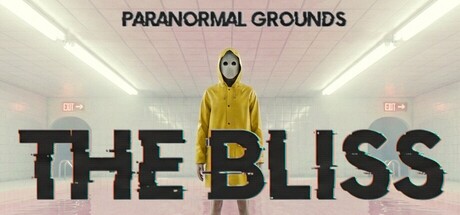
Generative AI tools were utilized during the development of The Bliss to assist with initial script brainstorming, technical troubleshooting, and the creation of minor 2D artwork elements. All AI-assisted content was heavily modified, edited, and curated by the development team to align with the game's strict artistic vision. (Note: Any 3D AI-generated assets were used strictly as temporary placeholders during prototyping and have been completely replaced by human-crafted models in the final release).
We utilize AI tools to assist in our development process. Any content generated with AI is then carefully refined and polished by our design team to ensure it aligns perfectly with the game's unique art style and overall vision.
Use of UI Assets and Visual Elements
The game uses a combination of custom-made assets and assisted tools for certain visual elements.
Some UI icons and minor interface elements were created with the help of generation tools and then manually edited and integrated into the game.
This includes:
small UI icons
damage indicators
ability cards and card elements
UI cards and visual overlays
promotional banners for the Steam store
All generated elements are used as supporting visuals, refined and adapted to fit the game’s original design, gameplay systems, and overall art direction.
Core gameplay visuals, mechanics, environments, and animations are fully custom and developed specifically for the game.
The AI is used in game to generate some props (small in-game objects models which make environment look more authentic.
The AI is NOT USED for any of the major game features, narrative or important visuals
This game uses AI-generated content during development, including some pre-rendered voice acting and textures. AI was also used to assist in the creation of certain promotional artwork. No AI-generated content is created dynamically during gameplay, and players do not interact with AI systems during play.
This uses AI-assisted tools within software like Adobe Photoshop, Adobe Illustrator, or programs such as Topaz Gigapixel to enhance or upscale texture quality in development.
We are using AI-powered tools in the promotion process of our game. AI plays a supportive role in language translation, store pages, marketing materials, and content creation for community posts.
All AI-generated content is reviewed and improved by our team before finalization.
The soundtrack uses curated, AI-assisted music tracks created with a generative tool. All audio is pre-rendered, reviewed by the developer, and not generated dynamically for players.
This game used artificial intelligence tools during the development process to create some text, music, sound effects, and 3D models. All content generated by artificial intelligence is not subject to copyright. However, artificial intelligence is not used to generate content or code in real time during gameplay.
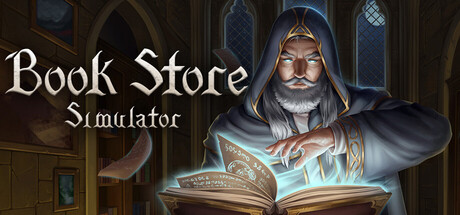
Artificial intelligence was only used to generate book covers, as there were a huge number of them and they were only used on classic books, they were not used on the remaining unique and magical books.
Some visual assets used in Static Watch were created with the assistance of generative AI tools and then manually edited and integrated by the developer.
Generative AI is not used during gameplay, and no content is generated dynamically or in real time for players.
I use AI to debug my existing code so I don't need to spend time looking at documentation. I also use AI to generate some of the art but not all of it.
Some of the promotional and storefront images were created with AI tools and then refined by hand. All of the in-game assets were designed by a 3D artist.
If you could peek inside my code or topology, you would BEG me to use AI to fix it. BUT NO. This crap is handmade and stays that way! The soundtrack, however, is a hybrid: I used generative AI to create raw textures, which I then manually arranged and mixed.
As a solo dev, I do not have the skills like many other dev teams. Therefore some parts like the game icon, and the image of the game name, are made with the help of AI.
I do not have any plans to expand beyond that.
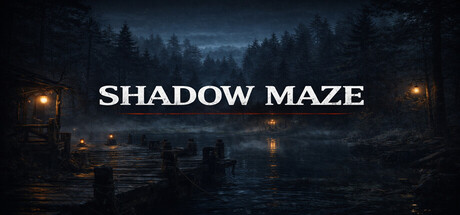
During the development of "SHADOW MAZE Descent into Fear", AI tools were used in the following ways:
1. **Design & planning**: ChatGPT was used as a brainstorming assistant for game design ideas, mechanics, and narrative concepts.
2. **Visual concepts**: One initial store capsule image was generated using an AI image tool (Midjourney/DALL-E) during early prototyping. This image has since been replaced with original, human-created artwork and in-game screenshots.
3. **Code assistance**: ChatGPT provided examples and explanations for basic scripting and debugging.
All AI-generated visual content has been removed from the final store page and game build. The current store assets are original or gameplay screenshots. No AI-generated content remains in the publicly available version of the game.
This game includes an AI opponent for practice battles. The opponent is a non-generative, scripted system that adjusts answer speed and accuracy. Generative AI tools were used only to create some pre-rendered marketing/store artwork; no generative AI is used to generate gameplay content at runtime.
Some AI tools were used by the developer for UI design and coding assistance only.
No generative AI was used to create in-game content, visuals, audio, or gameplay mechanics.
All game assets and logic are created or selected by the developer.
"Generative AI was used solely for the creation of marketing and promotional materials, such as storefront banners and promotional posters. All in-game assets—including 3D models, textures, environments, and animations—have been manually hand-crafted by the developer without the use of AI to ensure artistic integrity and the highest quality for the gameplay experience."
Generative AI tools were utilized during the development of The Bliss to assist with initial script brainstorming, technical troubleshooting, and the creation of minor 2D artwork elements. All AI-assisted content was heavily modified, edited, and curated by the development team to align with the game's strict artistic vision. (Note: Any 3D AI-generated assets were used strictly as temporary placeholders during prototyping and have been completely replaced by human-crafted models in the final release).
We utilize AI tools to assist in our development process. Any content generated with AI is then carefully refined and polished by our design team to ensure it aligns perfectly with the game's unique art style and overall vision.
Use of UI Assets and Visual Elements
The game uses a combination of custom-made assets and assisted tools for certain visual elements.
Some UI icons and minor interface elements were created with the help of generation tools and then manually edited and integrated into the game.
This includes:
small UI icons
damage indicators
ability cards and card elements
UI cards and visual overlays
promotional banners for the Steam store
All generated elements are used as supporting visuals, refined and adapted to fit the game’s original design, gameplay systems, and overall art direction.
Core gameplay visuals, mechanics, environments, and animations are fully custom and developed specifically for the game.
The AI is used in game to generate some props (small in-game objects models which make environment look more authentic.
The AI is NOT USED for any of the major game features, narrative or important visuals
This game uses AI-generated content during development, including some pre-rendered voice acting and textures. AI was also used to assist in the creation of certain promotional artwork. No AI-generated content is created dynamically during gameplay, and players do not interact with AI systems during play.
This uses AI-assisted tools within software like Adobe Photoshop, Adobe Illustrator, or programs such as Topaz Gigapixel to enhance or upscale texture quality in development.
We are using AI-powered tools in the promotion process of our game. AI plays a supportive role in language translation, store pages, marketing materials, and content creation for community posts.
All AI-generated content is reviewed and improved by our team before finalization.
The soundtrack uses curated, AI-assisted music tracks created with a generative tool. All audio is pre-rendered, reviewed by the developer, and not generated dynamically for players.
This game used artificial intelligence tools during the development process to create some text, music, sound effects, and 3D models. All content generated by artificial intelligence is not subject to copyright. However, artificial intelligence is not used to generate content or code in real time during gameplay.
Artificial intelligence was only used to generate book covers, as there were a huge number of them and they were only used on classic books, they were not used on the remaining unique and magical books.
Some visual assets used in Static Watch were created with the assistance of generative AI tools and then manually edited and integrated by the developer.
Generative AI is not used during gameplay, and no content is generated dynamically or in real time for players.
I use AI to debug my existing code so I don't need to spend time looking at documentation. I also use AI to generate some of the art but not all of it.
Some of the promotional and storefront images were created with AI tools and then refined by hand. All of the in-game assets were designed by a 3D artist.
If you could peek inside my code or topology, you would BEG me to use AI to fix it. BUT NO. This crap is handmade and stays that way! The soundtrack, however, is a hybrid: I used generative AI to create raw textures, which I then manually arranged and mixed.
As a solo dev, I do not have the skills like many other dev teams. Therefore some parts like the game icon, and the image of the game name, are made with the help of AI.
I do not have any plans to expand beyond that.
During the development of "SHADOW MAZE Descent into Fear", AI tools were used in the following ways:
1. **Design & planning**: ChatGPT was used as a brainstorming assistant for game design ideas, mechanics, and narrative concepts.
2. **Visual concepts**: One initial store capsule image was generated using an AI image tool (Midjourney/DALL-E) during early prototyping. This image has since been replaced with original, human-created artwork and in-game screenshots.
3. **Code assistance**: ChatGPT provided examples and explanations for basic scripting and debugging.
All AI-generated visual content has been removed from the final store page and game build. The current store assets are original or gameplay screenshots. No AI-generated content remains in the publicly available version of the game.