Public Steam disclosure research25,512 disclosures tracked
Where do games disclose AI use?
Search developers’ Steam disclosures, compare classified AI use across
games, and follow recorded changes.
This index adds cross-game classifications and statistics to
statements published on individual store pages.
Groups reflect automatic analysis of public disclosures; mature records are excluded. These counts do not measure AI use across all of Steam.
Missing or unclear statements cannot establish whether a game uses AI.
I use Bezi, an AI coding tool for Unity to help develop some of the more complicated algorithms used in pathfinding and enemy AI. I review all generated code used in the game and make modifications when necessary.
Generative AI was used to assist in the creation of some graphical and marketing assets for the game and its Steam store page. All AI-assisted content was reviewed and selected by the developer before being included in the final product.
This game does not use live-generated AI during gameplay.
Some pre-generated content in the game was created with assistance from generative AI tools during development, including portions of written text, game data, music arrangement ideas, and pixel-art implementation support. All such content was reviewed, edited, and integrated by the developer before being included in the game.
Pre-generated AI artwork was used for characters, enemies, bosses, environments, interface icons, and store and promotional artwork. These assets were selected, edited, and integrated during development. The game does not generate AI content during play or connect to external AI services.
The developer first created a visual guide for the character NULL. Based on that guide, Meshy AI was used to create one pre-generated 3D character model. No AI-generated content is created during gameplay. All other game content, music, audiovisual works, film, website, and Unreal Engine and Wwise systems were created by the developer.
Generative AI tools were used during development to assist with some 2D background artwork and decorative visual assets. All AI-assisted assets were reviewed and edited before inclusion. The game does not use generative AI during gameplay, and no player input or data is sent to generative AI services. Puzzles and answers are not generated by AI.
Generative AI was used to draft text only: the in-game interface strings, the achievement names and descriptions, their translations into 13 non-English languages, and this store page. All of it was reviewed and edited by the developer before release.
No AI-generated images, audio or video are used. This game ships with no image or audio files at all — every shape, sound and note is produced by the game's own code at run time.
Nothing is generated while you play. The game makes no network calls and contacts no AI service.
Generative AI tools were used to create some visual assets for the game and its promotional materials, and to assist with writing and translating the store page descriptions. This content is prepared in advance. The game does not use generative AI to create content during gameplay.
AI was used to help code the game, and some of the in-game text was generated by it (and checked my grammar). I love video games, but I work in the financial universe, so without AI I would not be able to mechanically develop the game and do all the steps as a solo project. (Kudos to solo developers pre-AI, next level people)
Generative AI was used exclusively to assist in polishing the game's logo. All gameplay systems, code, and visual elements were developed directly by me.
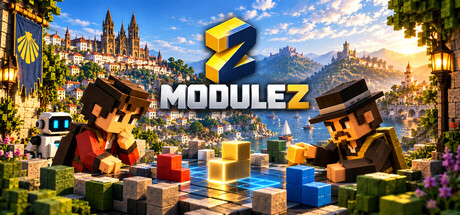
Generative AI was used to assist in the creation of some pre-generated promotional artwork for the Steam store page. ModuleZ does not use generative AI to generate content during gameplay.
Generative AI was used during development to assist with in-game text and translations, under the developer’s direction. The game does not generate AI content during gameplay or connect to external AI services.
The coding process used artificial intelligence, to allow the creator to focus on the creative aspects of game development. All art, story, mechanics, balancing, and creative direction is human-made.
Generative AI tools were used throughout development to create all of the game's visual art assets and program code, as well as localization and promotional materials. All outputs were directed, reviewed, edited, tested, and integrated under the developer's supervision. The game does not generate AI content during gameplay or connect to external AI services.
Parts of this store page description, along with the in-game achievement names and descriptions, were drafted with the help of an AI assistant and then reviewed and edited by the developer. All artwork, animation, music, sound design, level design and gameplay content in Boomfrog was made by hand or generated procedurally in code. The game does not use generative AI while you play. Nothing in Boomfrog is created or altered by AI at runtime.
This game uses generative AI in the following areas:
Art: Character sprites, background images, UI elements, and other
visual assets were created with the assistance of generative AI tools.
All generated assets were reviewed, edited, and adjusted by the
developer before being used in the game.
Localization: Store page text and in-game text in languages other
than Japanese were translated with the assistance of generative AI,
and reviewed before publication.
Programming: Generative AI was used as a coding assistant during
development.
No AI-generated content is produced at runtime. All game content
is fixed and pre-authored.
This game uses AI-generated images for some of its backgrounds, obstacles, collectible items, UI, fonts, logo, and visual effects, and an AI-generated sound effect on the results screen. Character designs were primarily hand-drawn by REBORNSMITH's designers, with generative AI used as an assistive tool in places. Generative AI tools were also used for some of the background music and parts of the promotional trailer. All AI-assisted content was reviewed and edited by our team. The game does not generate any images, audio, or text with AI during gameplay.
This game uses assets created with the help of generative AI. The generated material was selected and edited by the developer before being included in the game.
Generative AI was used to assist in the creation of character illustrations and some in-game text. All AI-assisted content was reviewed, edited, and integrated by the developer. No generative AI is used during gameplay or at runtime.
Generative AI tools were used to assist in the creation or editing of certain visual assets, promotional materials, cinematic elements, draft copy, and audio elements.
All final outputs were reviewed and selected by the development team, and were revised where necessary before being incorporated into the game and related materials.
Generative AI is not used during gameplay, and the game does not connect to any generative AI services.
Some character voices in the game were generated using AI voice technology. AI was used only to generate pre-recorded character dialogue. No AI-generated content is created dynamically during gameplay.
Some of the images used in the game were created with generative AI tools. However, all questions, answer choices, facts, and other written content were created and edited by humans.
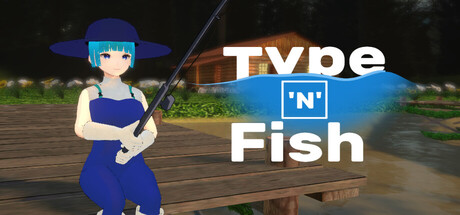
Generative AI was used during development to assist in creating some pre-generated 2D artwork, including backgrounds, characters, fish/creatures, logos, and some marketing artwork. Generated assets were reviewed, selected, edited, and integrated by the developer. The game does not use generative AI to create content during gameplay.
The original game design, mechanics, and core concept were created by the developer. However, the majority of in-game assets—including code, 3D visuals, sound effects, and UI elements—were generated or assisted by generative AI tools. The developer curated, edited, assembled, and implemented all AI-generated content to realize the intended gameplay experience.
Pre-generated content only. No AI runs while the game is played.
Some monster and boss sprites were generated with PixelLab (an AI pixel-art tool) and then hand-edited, cut into animation strips and cleaned up by the developer. A few background art pieces, such as arcade machine sheets and map-card thumbnails, were generated with Google Gemini and then reworked by hand. The music soundtrack was generated with Suno on a paid licence. Some store page art may be based on these assets.
All gameplay code, the level design, the rest of the sprite art, UI, sound effects and all text were made by the developer without generative AI. The game does not generate any content at runtime.
This game uses a large language model to generate the AI companion’s dialogue and ending titles in real time. Dialogue responses are generated based on player input and conversation context. Generative AI tools were also used to help create or edit some store and promotional artwork and assist with text translation and localization.
Some of the game's 2D art, character voice acting, and localization content utilized generative AI assistance during production. All related content was generated and manually reviewed before release; no generative AI-generated content will be used during gameplay.
The illustrations in this game (Battle Card art, faction emblems, Commander portraits and board imagery) were generated with Midjourney, working from the designer's own concept art and art direction. Each image was then selected, tone-matched to the card stock, fitted and composited into the game's frames.
Card names, card text and the written rules were drafted with the assistance of a large language model, working from the designer's original hand-written rules and card designs, then edited and finalized by hand. The music and sound effects were generated with Suno. Voice recordings were performed by the creator.
The game itself is a person's work: the rules, the mechanics, the economy and the balance decisions were designed by hand over many revisions, with AI used as a collaborator rather than an author. The physical board game came first.
No content is generated by AI while you play. The computer opponents are conventional rule-based code, not a generative model.
Generative AI tools were used to assist in the creation of some 3D models and textures in this game. All such content was pre-generated during development, reviewed and adjusted as necessary by the developer before being included in the game. The game does not use generative AI to generate content during gameplay.
I use Bezi, an AI coding tool for Unity to help develop some of the more complicated algorithms used in pathfinding and enemy AI. I review all generated code used in the game and make modifications when necessary.
Generative AI was used to assist in the creation of some graphical and marketing assets for the game and its Steam store page. All AI-assisted content was reviewed and selected by the developer before being included in the final product.
This game does not use live-generated AI during gameplay.
Some pre-generated content in the game was created with assistance from generative AI tools during development, including portions of written text, game data, music arrangement ideas, and pixel-art implementation support. All such content was reviewed, edited, and integrated by the developer before being included in the game.
Pre-generated AI artwork was used for characters, enemies, bosses, environments, interface icons, and store and promotional artwork. These assets were selected, edited, and integrated during development. The game does not generate AI content during play or connect to external AI services.
The developer first created a visual guide for the character NULL. Based on that guide, Meshy AI was used to create one pre-generated 3D character model. No AI-generated content is created during gameplay. All other game content, music, audiovisual works, film, website, and Unreal Engine and Wwise systems were created by the developer.
Generative AI tools were used during development to assist with some 2D background artwork and decorative visual assets. All AI-assisted assets were reviewed and edited before inclusion. The game does not use generative AI during gameplay, and no player input or data is sent to generative AI services. Puzzles and answers are not generated by AI.
Generative AI was used to draft text only: the in-game interface strings, the achievement names and descriptions, their translations into 13 non-English languages, and this store page. All of it was reviewed and edited by the developer before release.
No AI-generated images, audio or video are used. This game ships with no image or audio files at all — every shape, sound and note is produced by the game's own code at run time.
Nothing is generated while you play. The game makes no network calls and contacts no AI service.
Generative AI tools were used to create some visual assets for the game and its promotional materials, and to assist with writing and translating the store page descriptions. This content is prepared in advance. The game does not use generative AI to create content during gameplay.
AI was used to help code the game, and some of the in-game text was generated by it (and checked my grammar). I love video games, but I work in the financial universe, so without AI I would not be able to mechanically develop the game and do all the steps as a solo project. (Kudos to solo developers pre-AI, next level people)
Generative AI was used exclusively to assist in polishing the game's logo. All gameplay systems, code, and visual elements were developed directly by me.
Generative AI was used to assist in the creation of some pre-generated promotional artwork for the Steam store page. ModuleZ does not use generative AI to generate content during gameplay.
Generative AI was used during development to assist with in-game text and translations, under the developer’s direction. The game does not generate AI content during gameplay or connect to external AI services.
The coding process used artificial intelligence, to allow the creator to focus on the creative aspects of game development. All art, story, mechanics, balancing, and creative direction is human-made.
Generative AI tools were used throughout development to create all of the game's visual art assets and program code, as well as localization and promotional materials. All outputs were directed, reviewed, edited, tested, and integrated under the developer's supervision. The game does not generate AI content during gameplay or connect to external AI services.
Parts of this store page description, along with the in-game achievement names and descriptions, were drafted with the help of an AI assistant and then reviewed and edited by the developer. All artwork, animation, music, sound design, level design and gameplay content in Boomfrog was made by hand or generated procedurally in code. The game does not use generative AI while you play. Nothing in Boomfrog is created or altered by AI at runtime.
This game uses generative AI in the following areas:
Art: Character sprites, background images, UI elements, and other
visual assets were created with the assistance of generative AI tools.
All generated assets were reviewed, edited, and adjusted by the
developer before being used in the game.
Localization: Store page text and in-game text in languages other
than Japanese were translated with the assistance of generative AI,
and reviewed before publication.
Programming: Generative AI was used as a coding assistant during
development.
No AI-generated content is produced at runtime. All game content
is fixed and pre-authored.
This game uses AI-generated images for some of its backgrounds, obstacles, collectible items, UI, fonts, logo, and visual effects, and an AI-generated sound effect on the results screen. Character designs were primarily hand-drawn by REBORNSMITH's designers, with generative AI used as an assistive tool in places. Generative AI tools were also used for some of the background music and parts of the promotional trailer. All AI-assisted content was reviewed and edited by our team. The game does not generate any images, audio, or text with AI during gameplay.
This game uses assets created with the help of generative AI. The generated material was selected and edited by the developer before being included in the game.
Generative AI was used to assist in the creation of character illustrations and some in-game text. All AI-assisted content was reviewed, edited, and integrated by the developer. No generative AI is used during gameplay or at runtime.
Generative AI tools were used to assist in the creation or editing of certain visual assets, promotional materials, cinematic elements, draft copy, and audio elements.
All final outputs were reviewed and selected by the development team, and were revised where necessary before being incorporated into the game and related materials.
Generative AI is not used during gameplay, and the game does not connect to any generative AI services.
Some character voices in the game were generated using AI voice technology. AI was used only to generate pre-recorded character dialogue. No AI-generated content is created dynamically during gameplay.
Some of the images used in the game were created with generative AI tools. However, all questions, answer choices, facts, and other written content were created and edited by humans.
Generative AI was used during development to assist in creating some pre-generated 2D artwork, including backgrounds, characters, fish/creatures, logos, and some marketing artwork. Generated assets were reviewed, selected, edited, and integrated by the developer. The game does not use generative AI to create content during gameplay.
The original game design, mechanics, and core concept were created by the developer. However, the majority of in-game assets—including code, 3D visuals, sound effects, and UI elements—were generated or assisted by generative AI tools. The developer curated, edited, assembled, and implemented all AI-generated content to realize the intended gameplay experience.
Pre-generated content only. No AI runs while the game is played.
Some monster and boss sprites were generated with PixelLab (an AI pixel-art tool) and then hand-edited, cut into animation strips and cleaned up by the developer. A few background art pieces, such as arcade machine sheets and map-card thumbnails, were generated with Google Gemini and then reworked by hand. The music soundtrack was generated with Suno on a paid licence. Some store page art may be based on these assets.
All gameplay code, the level design, the rest of the sprite art, UI, sound effects and all text were made by the developer without generative AI. The game does not generate any content at runtime.
This game uses a large language model to generate the AI companion’s dialogue and ending titles in real time. Dialogue responses are generated based on player input and conversation context. Generative AI tools were also used to help create or edit some store and promotional artwork and assist with text translation and localization.
Some of the game's 2D art, character voice acting, and localization content utilized generative AI assistance during production. All related content was generated and manually reviewed before release; no generative AI-generated content will be used during gameplay.
The illustrations in this game (Battle Card art, faction emblems, Commander portraits and board imagery) were generated with Midjourney, working from the designer's own concept art and art direction. Each image was then selected, tone-matched to the card stock, fitted and composited into the game's frames.
Card names, card text and the written rules were drafted with the assistance of a large language model, working from the designer's original hand-written rules and card designs, then edited and finalized by hand. The music and sound effects were generated with Suno. Voice recordings were performed by the creator.
The game itself is a person's work: the rules, the mechanics, the economy and the balance decisions were designed by hand over many revisions, with AI used as a collaborator rather than an author. The physical board game came first.
No content is generated by AI while you play. The computer opponents are conventional rule-based code, not a generative model.
Generative AI tools were used to assist in the creation of some 3D models and textures in this game. All such content was pre-generated during development, reviewed and adjusted as necessary by the developer before being included in the game. The game does not use generative AI to generate content during gameplay.