Public Steam disclosure research25,514 disclosures tracked
Where do games disclose AI use?
Search developers’ Steam disclosures, compare classified AI use across
games, and follow recorded changes.
This index adds cross-game classifications and statistics to
statements published on individual store pages.
Groups reflect automatic analysis of public disclosures; mature records are excluded. These counts do not measure AI use across all of Steam.
Missing or unclear statements cannot establish whether a game uses AI.
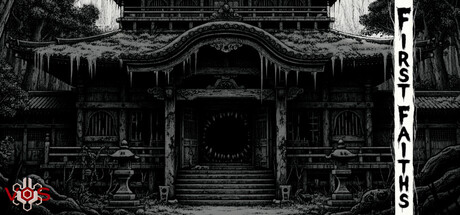
As a solo independent project, generative AI tools were used as a foundation for the initial creation of visual and audio assets. Please note that every asset has been systematically retouched, edited, and hand-refined to ensure unique artistic consistency and to bring the raw vision of First Faiths to life.
The game was designed, assembled, reworked, tested, and integrated by the developer, with a manually defined artistic direction and gameplay experience.
Generative AI tools were used as creative assistance for certain visual, audio, cinematic, code-related, and promotional content.
This content was then selected, edited, adapted, and adjusted to match the game’s artistic identity, gameplay, and final experience.
The game was vibe coded. Many of the current assets were generated by various GenAI models, some of which will be staying but some of which are just placeholders for the time being. Much manual work still goes into making everything look good and come together even when using GenAI.
Generative AI (a large language model) was used to assist in drafting text content — store page descriptions, in-game text, and marketing copy — and to assist with code. All output was reviewed and edited by the developer. Game art is from licensed/CC0 asset packs and procedural rendering; audio is procedurally synthesized. No AI-generated imagery or audio ships in the game, and no AI is generated live at runtime.
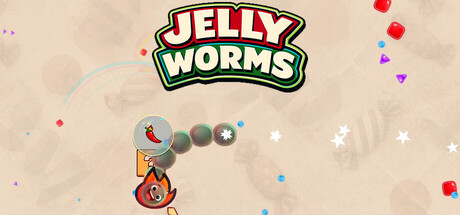
JellyWorms uses generative AI-assisted visual content for some game art, store assets, and marketing materials. Final assets are reviewed and edited by the developer before release. The game does not generate live AI content during gameplay.
Generative AI was used to assist in creating some visual assets during development. All final in-game artwork was manually retouched and finalized by human artists.
AI generation tools were used to assist in creating 2D asset designs, specifically the main menu background artwork, enemy sprites, and power-up graphics. All code, level design, and core gameplay mechanics were traditionally developed.
Some 2D store and marketing assets — such as store capsule images, achievement icons, and key art — were created using AI image-generation tools and then refined and composited by hand. All gameplay, code, level design, and game systems are made by the developer without generative AI. All AI-assisted assets are reviewed to ensure they are appropriate and comply with Steam's rules.
This game uses generative AI to help create some assets, including audio/voice and visual content. All outputs are reviewed and edited by the developers before being used.
This game was developed with the assistance of generative AI (Claude) in the following ways:
- Authoring and editing C# scripts for game systems
- Translation of in-game text into English and Chinese
- Debugging and optimization assistance
No AI runs at runtime within the game itself.
Generative AI was used during the development of this game to assist with:
- Generating static illustrations for in-game achievement icons.
- Generating placeholder sound effects to be swapped before exiting EA
Artificial intelligence tools were used to refine part of the game's music and certain sound effects, as well as specific graphical assets, support programming, debugging, and bug-fixing tasks
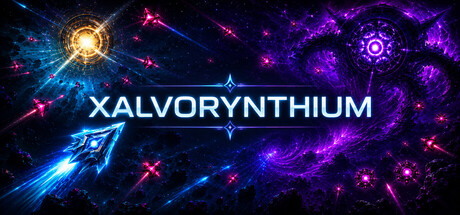
Xalvorynthium does not use generative AI during gameplay and does not connect to any external AI service while the game is running.
Some pre-generated visual assets used for store marketing, promotional artwork, capsule images, logos, or related presentation materials may have been created or assisted with generative AI tools. These assets were reviewed and selected by the developer before use.
I used AI to help review code and check for any bugs. Also a few small pieces of art that will be changed/updated by release while we get artists commissioned.
> **AI was used exclusively for the creation of certain artwork and promotional materials for the game. All programming, mechanics, systems, achievements, and playable content were developed manually by the developer. The game does not use generative AI during execution.**
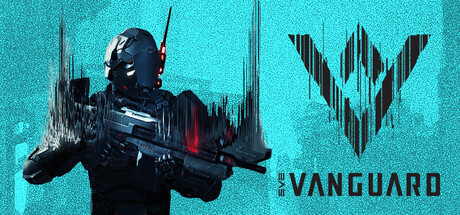
EVE Vanguard uses AI-generated text-to-speech (TTS) for certain voice-over content, including character barks and narration. These assets are created under the direction of the development team to support the game's production and player experience. All writing, gameplay, worldbuilding, and overall creative vision are authored and curated by the game’s developers.
Some visual assets used in this game were created or assisted using generative AI during development and have been reviewed and edited by the developer before being included in the final game. The game does not use generative AI during gameplay and does not generate content in real time.
This game uses pre-generated AI-assisted content in a limited way. Some selected audio assets and minor in-game written/visual elements may have been created or edited with AI-assisted tools during development. The game does not use live-generated AI during gameplay and does not connect to any external AI service during gameplay.
Generative AI tools were used during development to assist with drafting, revising, and refactoring portions of the game’s source code. It was reviewed, edited, compiled, and tested by the developer before inclusion.
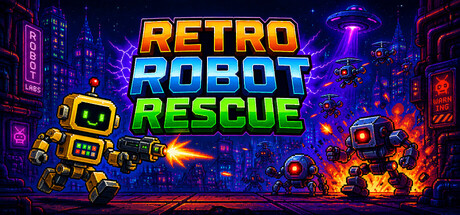
Retro Robot Rescue was developed with the assistance of generative AI tools. AI assisted tools were used during development to help create and refine certain visual assets, music, sound effects, localization content, marketing materials, and portions of the game's code. All content included in the final game was selected, reviewed, edited, and integrated by the developer.
Generative AI tools were used during development to assist in the creation of certain visual assets, including Steam store capsules, and some UI button icons (keyboard and controller prompts). AI was also used to assist with text translation, writing improvements, and programming assistance during development. All AI-assisted content has been reviewed, edited, and integrated by the developer before being included in the game or on the Steam store page. The game does not generate AI content during gameplay.
This game makes extensive use of generative AI for nearly all player-facing content.
All assets, textures, shaders, fonts, some animations, sound effects, and music are fully generated using AI tools and then integrated and refined within the game. As a core rule of the project, everything the player sees and hears has to be AI-generated.
Game design, mechanics, level design, and technical implementation are created and controlled by the developer. AI is used as a content creation tool and does not dynamically generate gameplay content or influence player experience in real time.
No personal player data is processed by AI systems during gameplay.
TIDEFALL uses generative AI in parts of its development:
• Some 2D artwork and the store/marketing images were created or assembled with the help of AI tools, then edited and reviewed by the developer.
• The Korean and Simplified Chinese localizations were produced with AI assistance and reviewed for quality and consistency.
All music and sound effects are human-made, openly-licensed (CC0) works and are not AI-generated. No generative AI runs while you play — the game generates no content or code at runtime and connects to no external AI service.
Some visual assets used in the game and store page were created or modified with the assistance of generative AI, including certain UI elements, icons, and promotional artwork. AI-assisted translation was also used for some store page localizations. All AI-generated content was reviewed, edited, and integrated by the developer.
Our game utilized Generative AI tools strictly for specific conceptual and design elements during development, ensuring no automated content replaces our team's hand-crafted work:
- Characters & Monsters: We used Midjourney to generate initial visual concepts for the main playable character and a few specific monsters. Our pixel artists used these generated images purely as a creative reference to manually draw and animate the final 2D pixel-art sprites from scratch.
- Relics & UI Elements: ChatGPT was utilized during the brainstorming phase to conceptualize the initial ideas for in-game relics and various UI design layouts. Based on the generated outputs, we thoroughly refined the designs, adjusted the details, and performed visual post-processing to adapt and implement them into the game as our final production assets.
We are committed to delivering a high-quality game where AI is only used as a selective tool to spark creativity, respecting the dedicated work of our development team.
A Note on AI in This Game
Almost all of the visuals and music you'll experience in this game were created with the help of generative AI tools. These AI-generated assets were curated, refined, and integrated by me to bring the game's world to life.
I believe in being upfront with my players — AI was a creative tool in my process, not a replacement for the care and intention I put into making this experience for you.
During the development of this game, generative AI tools were used to assist in creating specific 2D visual assets. This includes decorative murals on environmental walls (such as character paintings) and certain UI icons for the achievement system.
The core content of the game, including all 3D level design, physics-based climbing mechanics, the economic system, and core programming, was entirely handcrafted and developed by the creator. We are committed to providing players with a pure, hardcore, and challenging vertical parkour experience.
As a solo independent project, generative AI tools were used as a foundation for the initial creation of visual and audio assets. Please note that every asset has been systematically retouched, edited, and hand-refined to ensure unique artistic consistency and to bring the raw vision of First Faiths to life.
The game was designed, assembled, reworked, tested, and integrated by the developer, with a manually defined artistic direction and gameplay experience.
Generative AI tools were used as creative assistance for certain visual, audio, cinematic, code-related, and promotional content.
This content was then selected, edited, adapted, and adjusted to match the game’s artistic identity, gameplay, and final experience.
The game was vibe coded. Many of the current assets were generated by various GenAI models, some of which will be staying but some of which are just placeholders for the time being. Much manual work still goes into making everything look good and come together even when using GenAI.
Generative AI (a large language model) was used to assist in drafting text content — store page descriptions, in-game text, and marketing copy — and to assist with code. All output was reviewed and edited by the developer. Game art is from licensed/CC0 asset packs and procedural rendering; audio is procedurally synthesized. No AI-generated imagery or audio ships in the game, and no AI is generated live at runtime.
JellyWorms uses generative AI-assisted visual content for some game art, store assets, and marketing materials. Final assets are reviewed and edited by the developer before release. The game does not generate live AI content during gameplay.
Generative AI was used to assist in creating some visual assets during development. All final in-game artwork was manually retouched and finalized by human artists.
AI generation tools were used to assist in creating 2D asset designs, specifically the main menu background artwork, enemy sprites, and power-up graphics. All code, level design, and core gameplay mechanics were traditionally developed.
Some 2D store and marketing assets — such as store capsule images, achievement icons, and key art — were created using AI image-generation tools and then refined and composited by hand. All gameplay, code, level design, and game systems are made by the developer without generative AI. All AI-assisted assets are reviewed to ensure they are appropriate and comply with Steam's rules.
This game uses generative AI to help create some assets, including audio/voice and visual content. All outputs are reviewed and edited by the developers before being used.
This game was developed with the assistance of generative AI (Claude) in the following ways:
- Authoring and editing C# scripts for game systems
- Translation of in-game text into English and Chinese
- Debugging and optimization assistance
No AI runs at runtime within the game itself.
Generative AI was used during the development of this game to assist with:
- Generating static illustrations for in-game achievement icons.
- Generating placeholder sound effects to be swapped before exiting EA
Artificial intelligence tools were used to refine part of the game's music and certain sound effects, as well as specific graphical assets, support programming, debugging, and bug-fixing tasks
Xalvorynthium does not use generative AI during gameplay and does not connect to any external AI service while the game is running.
Some pre-generated visual assets used for store marketing, promotional artwork, capsule images, logos, or related presentation materials may have been created or assisted with generative AI tools. These assets were reviewed and selected by the developer before use.
I used AI to help review code and check for any bugs. Also a few small pieces of art that will be changed/updated by release while we get artists commissioned.
> **AI was used exclusively for the creation of certain artwork and promotional materials for the game. All programming, mechanics, systems, achievements, and playable content were developed manually by the developer. The game does not use generative AI during execution.**
EVE Vanguard uses AI-generated text-to-speech (TTS) for certain voice-over content, including character barks and narration. These assets are created under the direction of the development team to support the game's production and player experience. All writing, gameplay, worldbuilding, and overall creative vision are authored and curated by the game’s developers.
Some visual assets used in this game were created or assisted using generative AI during development and have been reviewed and edited by the developer before being included in the final game. The game does not use generative AI during gameplay and does not generate content in real time.
This game uses pre-generated AI-assisted content in a limited way. Some selected audio assets and minor in-game written/visual elements may have been created or edited with AI-assisted tools during development. The game does not use live-generated AI during gameplay and does not connect to any external AI service during gameplay.
Generative AI tools were used during development to assist with drafting, revising, and refactoring portions of the game’s source code. It was reviewed, edited, compiled, and tested by the developer before inclusion.
Retro Robot Rescue was developed with the assistance of generative AI tools. AI assisted tools were used during development to help create and refine certain visual assets, music, sound effects, localization content, marketing materials, and portions of the game's code. All content included in the final game was selected, reviewed, edited, and integrated by the developer.
Generative AI tools were used during development to assist in the creation of certain visual assets, including Steam store capsules, and some UI button icons (keyboard and controller prompts). AI was also used to assist with text translation, writing improvements, and programming assistance during development. All AI-assisted content has been reviewed, edited, and integrated by the developer before being included in the game or on the Steam store page. The game does not generate AI content during gameplay.
This game makes extensive use of generative AI for nearly all player-facing content.
All assets, textures, shaders, fonts, some animations, sound effects, and music are fully generated using AI tools and then integrated and refined within the game. As a core rule of the project, everything the player sees and hears has to be AI-generated.
Game design, mechanics, level design, and technical implementation are created and controlled by the developer. AI is used as a content creation tool and does not dynamically generate gameplay content or influence player experience in real time.
No personal player data is processed by AI systems during gameplay.
TIDEFALL uses generative AI in parts of its development:
• Some 2D artwork and the store/marketing images were created or assembled with the help of AI tools, then edited and reviewed by the developer.
• The Korean and Simplified Chinese localizations were produced with AI assistance and reviewed for quality and consistency.
All music and sound effects are human-made, openly-licensed (CC0) works and are not AI-generated. No generative AI runs while you play — the game generates no content or code at runtime and connects to no external AI service.
Some visual assets used in the game and store page were created or modified with the assistance of generative AI, including certain UI elements, icons, and promotional artwork. AI-assisted translation was also used for some store page localizations. All AI-generated content was reviewed, edited, and integrated by the developer.
Our game utilized Generative AI tools strictly for specific conceptual and design elements during development, ensuring no automated content replaces our team's hand-crafted work:
- Characters & Monsters: We used Midjourney to generate initial visual concepts for the main playable character and a few specific monsters. Our pixel artists used these generated images purely as a creative reference to manually draw and animate the final 2D pixel-art sprites from scratch.
- Relics & UI Elements: ChatGPT was utilized during the brainstorming phase to conceptualize the initial ideas for in-game relics and various UI design layouts. Based on the generated outputs, we thoroughly refined the designs, adjusted the details, and performed visual post-processing to adapt and implement them into the game as our final production assets.
We are committed to delivering a high-quality game where AI is only used as a selective tool to spark creativity, respecting the dedicated work of our development team.
A Note on AI in This Game
Almost all of the visuals and music you'll experience in this game were created with the help of generative AI tools. These AI-generated assets were curated, refined, and integrated by me to bring the game's world to life.
I believe in being upfront with my players — AI was a creative tool in my process, not a replacement for the care and intention I put into making this experience for you.
During the development of this game, generative AI tools were used to assist in creating specific 2D visual assets. This includes decorative murals on environmental walls (such as character paintings) and certain UI icons for the achievement system.
The core content of the game, including all 3D level design, physics-based climbing mechanics, the economic system, and core programming, was entirely handcrafted and developed by the creator. We are committed to providing players with a pure, hardcore, and challenging vertical parkour experience.