Public Steam disclosure research25,514 disclosures tracked
Where do games disclose AI use?
Search developers’ Steam disclosures, compare classified AI use across
games, and follow recorded changes.
This index adds cross-game classifications and statistics to
statements published on individual store pages.
Groups reflect automatic analysis of public disclosures; mature records are excluded. These counts do not measure AI use across all of Steam.
Missing or unclear statements cannot establish whether a game uses AI.
This game uses AI-generated imagery for store page assets and marketing materials. Including, capsule art and banner images. AI-generated music was used in the trailer and promotional materials. All in-game content is crated by developer.
This game uses AI-assisted tools during development for certain visual and technical elements. All generated content has been manually reviewed, refined, and integrated to ensure a cohesive artistic direction and high-quality player experience.
AI-generated images were used during the concept and reference phase. All final in-game artwork, including card illustrations, backgrounds, UI elements, and promotional materials, was hand-crafted and finalized by the developer.
AI tools were used during development to help generate select visual assets and concepts. These assets were reviewed, refined, and integrated into the game by the developer to ensure consistency with the overall style and experience.
Generative AI was used to assist in the creation of certain pre-rendered store assets and promotional images for the Steam store page. No generative AI is used during gameplay, and the game does not rely on live AI-generated content.
This game was 100% developed using AI (Claude Code by Anthropic) — including game design, programming, balancing, and localization. No AI is used during gameplay.
Character portraits, battle scene backgrounds, and promotional artwork were created using AI image generation (Midjourney). All game design, narrative, code, and music are human-created.
We use AI to improve our work in all spheres of the game. We generate images where appropriate and enhance them where it makes the game better. AI helps us with animations and in-between frames in cutscenes, and also assists in writing music
Some visual assets and artwork in this game were created with the assistance of generative AI tools and then curated, edited, and integrated by the developer.
All final content has been reviewed and adjusted to ensure consistency, quality, and compliance with Steam guidelines.
Generative AI were used only to assist with localization and translation. All localized text is reviewed and edited by the development team.
No art, audio, or code used AI generation.
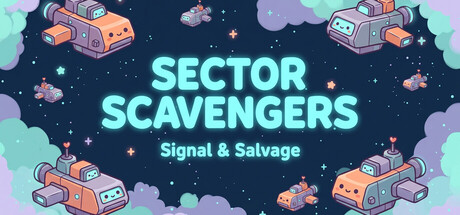
Sector Scavengers was built almost 100% using AI agents and tools. Makko.ai created the game art, animations, and game code/logic, and the trailers were made with a combination of Grok and 11 Labs.
Some of the promotional and storefront images were created with AI tools and then refined by hand. All of the in-game assets were designed by a 3D artist.
This game uses AI-generated audio for select in-game dialogue, designed to achieve a synthetic, machine-like sound aesthetic. Certain in-game artwork, including hint posters and environmental paintings, was also created with AI generation tools.
AI tools were used during development to assist with text localization,
narrative drafting, and music prompt generation. All game design, pixel art,
code, and final creative decisions are made by the developer.
AI Disclosure
This game was developed by a solo developer using AI-assisted tools for image generation and coding support. All creative direction, game design, narrative, and artistic vision were conceived and executed by the developer. AI tools were used to make solo development feasible — not to replace creativity, but to support it.
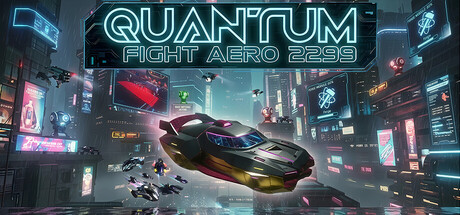
We use generative AI tools during our development process to assist in the creation of certain visual assets, such as concept art for environments and base textures for some 3D models. All AI-generated content is meticulously refined and integrated by our team to ensure it meets the artistic standards of Quantum Fight: Aero 2299. Our goal is to use these technologies as a support tool to enhance the game's atmosphere while maintaining full creative control over the final experience.
AI-powered image generation tools were used to create the game's visual elements, including character and environment images. AI tools were also used to support translations into multiple languages.
This game includes some AI-generated visual assets, such as certain in-game images and store page artwork like the logo are ai. These assets are used for visual design purposes and do not impact gameplay or player interaction.
This game was made using tools like Photoshop, Chat GPT and Grok. As a solo developer it is useful to have these tools available to create games like this one.
Some visual assets and marketing materials for this game were created with the assistance of generative AI tools.
All AI-generated content has been carefully reviewed, refined, and integrated by the developer to ensure a consistent visual style and high-quality presentation.
No AI is used to generate content during gameplay.
Some in-game audio content, such as radio dialogue and in-game radio music may be generated using artificial intelligence tools. These elements are used to enhance immersion and provide dynamic environmental storytelling.
All gameplay systems, mechanics, and core content are designed and implemented by the developer.
We used generative AI (ChatGPT) to compose and refine the store page description and in-game text. In addition, image generation AI was used to create the app icon and some in-game background assets, which were then adjusted and processed by the developer. All content has been reviewed and edited by the developer to ensure it does not infringe on any third-party rights.
During development, AI tools were used to assist with code generation, debugging, and drafting of game documentation. Voice callouts were generated using AI text-to-speech and processed with radio filters to simulate authentic ATC communications.
This game includes some content created with the assistance of generative AI during development, such as visual assets, text, and a small portion of background music.
All generated content has been carefully reviewed, refined, and integrated by the developer to ensure a consistent artistic direction.
We use generative AI tools to assist with some game audio assets, such as dinosaur sounds and other sound effects, as well as some store page, marketing, and promotional artwork. These assets are reviewed, selected, edited, and integrated by the developer before use. Generative AI is not currently used to create live gameplay content during play.
Hi, fellow players! While developing Flavor Legend, I used AI to assist in generating some character models, art textures, animation videos, background music, and ambient sound effects. All these assets have been manually reviewed and revised. The core gameplay, story, and all interactive experiences of the game are entirely original and created by me, with no AI-driven NPCs or dialogue features used. If any copyright disputes are found in the future, I will adjust and replace them immediately. Thank you for your understanding and support!
This game uses generative AI for some in-game paintings, store artwork, and the introductory voiceover. All content was reviewed and integrated by the developer.
Our store assets were created using a hybrid workflow. We used AI tools to generate initial concepts and textures, which were then extensively edited, refined, and combined with custom illustrations by an artist to ensure a unique, high-quality final result.
Developing Aevalore solo meant tackling a massive project on my own. To manage the 500+ sprite sheets required, I used generative AI for the artwork (most hand polished for finish) and 90% of the music. Some of the music was made by a friend and me. This allowed me to pour all my energy into coding the 81-ability system, 12+ unique characters and crafting the world. These tools didn't replace my vision; they made it possible for a solo dev to build it.
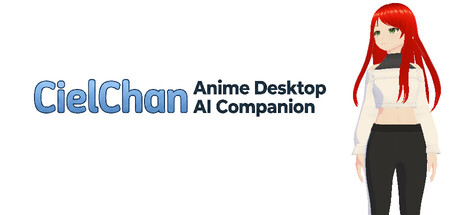
CielChan uses generative AI to create real-time conversation responses and voice synthesis. By default, a local AI model generates text responses, and bundled TTS engines convert those responses to speech directly on your device.
All core functionality is fully available offline, and no internet connection is required to use the application.
Optional cloud-based AI and voice features are available for advanced users. When enabled, these features may send text or audio data to selected third-party providers using user-provided API keys.
The AI model, voice synthesis, and core systems are included in the download, allowing CielChan to function independently offline.
This game uses AI-generated imagery for store page assets and marketing materials. Including, capsule art and banner images. AI-generated music was used in the trailer and promotional materials. All in-game content is crated by developer.
This game uses AI-assisted tools during development for certain visual and technical elements. All generated content has been manually reviewed, refined, and integrated to ensure a cohesive artistic direction and high-quality player experience.
AI-generated images were used during the concept and reference phase. All final in-game artwork, including card illustrations, backgrounds, UI elements, and promotional materials, was hand-crafted and finalized by the developer.
AI tools were used during development to help generate select visual assets and concepts. These assets were reviewed, refined, and integrated into the game by the developer to ensure consistency with the overall style and experience.
Generative AI was used to assist in the creation of certain pre-rendered store assets and promotional images for the Steam store page. No generative AI is used during gameplay, and the game does not rely on live AI-generated content.
This game was 100% developed using AI (Claude Code by Anthropic) — including game design, programming, balancing, and localization. No AI is used during gameplay.
Character portraits, battle scene backgrounds, and promotional artwork were created using AI image generation (Midjourney). All game design, narrative, code, and music are human-created.
We use AI to improve our work in all spheres of the game. We generate images where appropriate and enhance them where it makes the game better. AI helps us with animations and in-between frames in cutscenes, and also assists in writing music
Some visual assets and artwork in this game were created with the assistance of generative AI tools and then curated, edited, and integrated by the developer.
All final content has been reviewed and adjusted to ensure consistency, quality, and compliance with Steam guidelines.
Generative AI were used only to assist with localization and translation. All localized text is reviewed and edited by the development team.
No art, audio, or code used AI generation.
Sector Scavengers was built almost 100% using AI agents and tools. Makko.ai created the game art, animations, and game code/logic, and the trailers were made with a combination of Grok and 11 Labs.
Some of the promotional and storefront images were created with AI tools and then refined by hand. All of the in-game assets were designed by a 3D artist.
This game uses AI-generated audio for select in-game dialogue, designed to achieve a synthetic, machine-like sound aesthetic. Certain in-game artwork, including hint posters and environmental paintings, was also created with AI generation tools.
AI tools were used during development to assist with text localization,
narrative drafting, and music prompt generation. All game design, pixel art,
code, and final creative decisions are made by the developer.
AI Disclosure
This game was developed by a solo developer using AI-assisted tools for image generation and coding support. All creative direction, game design, narrative, and artistic vision were conceived and executed by the developer. AI tools were used to make solo development feasible — not to replace creativity, but to support it.
We use generative AI tools during our development process to assist in the creation of certain visual assets, such as concept art for environments and base textures for some 3D models. All AI-generated content is meticulously refined and integrated by our team to ensure it meets the artistic standards of Quantum Fight: Aero 2299. Our goal is to use these technologies as a support tool to enhance the game's atmosphere while maintaining full creative control over the final experience.
AI-powered image generation tools were used to create the game's visual elements, including character and environment images. AI tools were also used to support translations into multiple languages.
This game includes some AI-generated visual assets, such as certain in-game images and store page artwork like the logo are ai. These assets are used for visual design purposes and do not impact gameplay or player interaction.
This game was made using tools like Photoshop, Chat GPT and Grok. As a solo developer it is useful to have these tools available to create games like this one.
Some visual assets and marketing materials for this game were created with the assistance of generative AI tools.
All AI-generated content has been carefully reviewed, refined, and integrated by the developer to ensure a consistent visual style and high-quality presentation.
No AI is used to generate content during gameplay.
Some in-game audio content, such as radio dialogue and in-game radio music may be generated using artificial intelligence tools. These elements are used to enhance immersion and provide dynamic environmental storytelling.
All gameplay systems, mechanics, and core content are designed and implemented by the developer.
We used generative AI (ChatGPT) to compose and refine the store page description and in-game text. In addition, image generation AI was used to create the app icon and some in-game background assets, which were then adjusted and processed by the developer. All content has been reviewed and edited by the developer to ensure it does not infringe on any third-party rights.
During development, AI tools were used to assist with code generation, debugging, and drafting of game documentation. Voice callouts were generated using AI text-to-speech and processed with radio filters to simulate authentic ATC communications.
This game includes some content created with the assistance of generative AI during development, such as visual assets, text, and a small portion of background music.
All generated content has been carefully reviewed, refined, and integrated by the developer to ensure a consistent artistic direction.
We use generative AI tools to assist with some game audio assets, such as dinosaur sounds and other sound effects, as well as some store page, marketing, and promotional artwork. These assets are reviewed, selected, edited, and integrated by the developer before use. Generative AI is not currently used to create live gameplay content during play.
Hi, fellow players! While developing Flavor Legend, I used AI to assist in generating some character models, art textures, animation videos, background music, and ambient sound effects. All these assets have been manually reviewed and revised. The core gameplay, story, and all interactive experiences of the game are entirely original and created by me, with no AI-driven NPCs or dialogue features used. If any copyright disputes are found in the future, I will adjust and replace them immediately. Thank you for your understanding and support!
This game uses generative AI for some in-game paintings, store artwork, and the introductory voiceover. All content was reviewed and integrated by the developer.
Our store assets were created using a hybrid workflow. We used AI tools to generate initial concepts and textures, which were then extensively edited, refined, and combined with custom illustrations by an artist to ensure a unique, high-quality final result.
Developing Aevalore solo meant tackling a massive project on my own. To manage the 500+ sprite sheets required, I used generative AI for the artwork (most hand polished for finish) and 90% of the music. Some of the music was made by a friend and me. This allowed me to pour all my energy into coding the 81-ability system, 12+ unique characters and crafting the world. These tools didn't replace my vision; they made it possible for a solo dev to build it.
CielChan uses generative AI to create real-time conversation responses and voice synthesis. By default, a local AI model generates text responses, and bundled TTS engines convert those responses to speech directly on your device.
All core functionality is fully available offline, and no internet connection is required to use the application.
Optional cloud-based AI and voice features are available for advanced users. When enabled, these features may send text or audio data to selected third-party providers using user-provided API keys.
The AI model, voice synthesis, and core systems are included in the download, allowing CielChan to function independently offline.