Public Steam disclosure research25,514 disclosures tracked
Where do games disclose AI use?
Search developers’ Steam disclosures, compare classified AI use across
games, and follow recorded changes.
This index adds cross-game classifications and statistics to
statements published on individual store pages.
Groups reflect automatic analysis of public disclosures; mature records are excluded. These counts do not measure AI use across all of Steam.
Missing or unclear statements cannot establish whether a game uses AI.
Game art assets are generated using AI tools to create initial concept art, which is then manually adjusted and modified by artists. The final works combine AI-generated foundational designs with human artistic revisions.
Some dynamic art assets are assisted in their creation by AI tools.
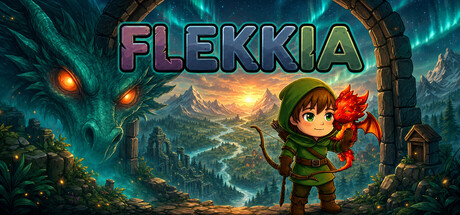
Some of Flekkia's assets were created with the help of generative AI tools
during development: part of the artwork (backgrounds, screens and event cards)
and the game's music. They were then selected, edited and integrated by hand.
The same assets appear on the store page and in the trailer.
No content is generated by AI while you play. Everything you see and hear is
fixed in the game and identical for every player: Flekkia does not connect to
any AI service and sends none of your data to one.
Since the game is still in active development, generative AI tools were used to create most of the artwork and text included in the game and on the store page. All generated content was carefully reviewed, heavily edited, and integrated by the developers.
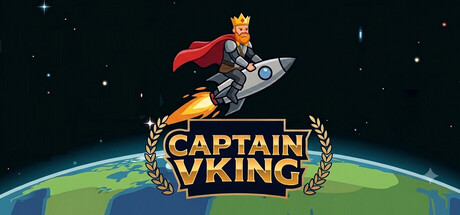
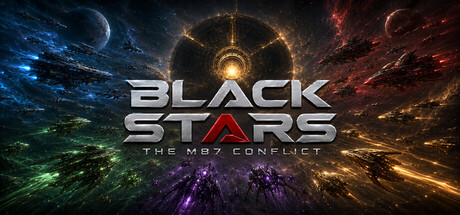
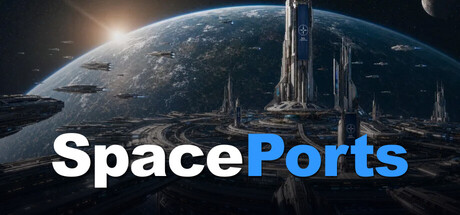
3d Models for Space Ships created with Meshy.
cooperation in Thinking, design and balance.
C# coding.
Unity Editor Agent for crafting suns and planets out of bought Unity Asset Store Assets.
I used modern AI tools as creative assistants while building the world of my game. This allowed me to share the dark fantasy universe in my mind with you in a much more vivid and detailed way.
No art or sound generation was used. Some help for coding the complex in-game enemy AI interactions were utilized from LLM models. Also the game analysis was made with coding help.
A small amount of the art is generated or seeded using AI, but much of it is altered, changed or had custom things done with it. All music, sound, writing and code was made by a human.
Some pre-rendered assets in this game and on its store page, including artwork, music, and sound effects, were created with the assistance of generative AI tools. All AI-assisted content was directed, reviewed, and edited by the developer. No content is generated by AI during gameplay.
Some visual assets were created using generative AI and post-processed, including filtering, compositing, and integration into the game's final environments.
Some of this game's shipped assets were created with the assistance of generative AI tools, all reviewed and curated by our team: 3D models and their textures (generated from our team's original concept designs), 2D illustrations and UI artwork, music and sound effects, and AI-assisted translations of in-game text for some supported languages. All AI-generated assets are used under commercial licenses with full usage rights. No content is generated while the game is running, and the game does not connect to any external AI service.
This game uses generative AI to pre-generate visual assets (character portraits, capsule/marketing art) and voice narration (TTS). All AI-generated content is created during development and reviewed/curated
by the developer before shipping. No generative AI runs live during gameplay. We have the necessary rights to use the AI tools and their outputs, and the content does not infringe third-party IP.
Some in-game visual assets were created or refined using generative AI during development. These assets are pre-generated and included with the game. The game does not generate AI content while running.
Generative AI tools were used to help create parts of this game, always under the developer's direction: a significant part of the artwork (such as backgrounds, unit graphics, UI elements and store page images) was created with AI assistance and then reviewed, edited and hand-tuned by the developer. AI also assisted in writing the in-game text and translating it, along with this store page, into the supported languages. Music and sound effects are not AI-generated. No AI content is generated live during gameplay.
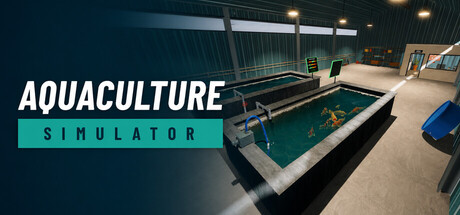
Some of this game's assets were created with generative AI tools and then integrated by hand: the fish models, the facility hall, and the tanks. Some in-game text, the tutorial and the customer emails, was written with the help of an AI language model. All other assets (music, sound, icons, textures, remaining UI) are hand-made or CC0. Every game system, the water simulation, koi grading, economy, customer and calendar logic, is hand-written code. No generative AI runs at runtime; nothing is generated live while you play.
Ai is used to create some loading-screens and other branding materials, also can be used in descriptive texts of the game.
All game code/assets are 100% made by humans.
Some placeholder artwork and images currently use generative AI or AI-assisted enhancement. These assets may be replaced or revised during development.
Generative AI was used for some game assets, music, and promotional materials. All content was manually reviewed and selected. No AI is used during gameplay.
This game is built by a two-member team: a human developer and an AI assistant working under his direction. Large parts of the game code and many pre-rendered assets (enemy creatures, towers, environment props, marketing artwork) were created with the assistance of generative AI — always based on human design decisions, and reviewed, tested and curated by the developer. The game does not generate any content at runtime using AI.
This game uses generative AI tools to create some of its artwork: promotional art such as the key visual and store capsule images, and some in-game image assets such as character portraits and map textures. All of it was reviewed, curated, and adjusted by the developer before use. Every screenshot shown on the store page is captured from actual gameplay and is not AI-generated. The shipped game does not use any AI to generate images, text, or audio at runtime.
AI was used strictly to block out a few initial base meshes, which I then manually reworked to fit the game's style & performance.
No AI runs at runtime.
Some game text, procedural artwork, sound effects, and store page copy were created with AI assistance, then reviewed and curated by the developer. Character and enemy sprites are licensed, human-made pixel art. No content is AI-generated during gameplay.
Some pre-generated artwork and sound assets used in the game and its marketing materials were created or edited with the assistance of generative AI tools. All such content was manually selected, reviewed, and edited as needed by the developer. The game does not generate AI content during gameplay.
AI tools were used during development to assist in creating portions of the game's code, text, and 2D artwork, including some store page assets. All AI-assisted content was generated during development and reviewed by the developer. The game does not use AI to generate any content at runtime.
We've harnessed the power of Generative AI technology to create several of our game's unique theme background artworks, enhancing your gaming experience with visually stunning designs.
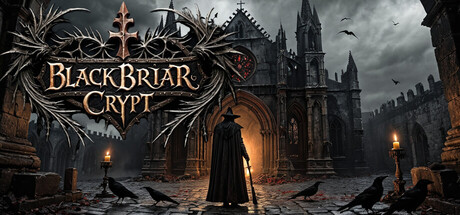
Visual assets in Blackbriar Crypt were created with generative AI tools (Stable Diffusion via ComfyUI), including in-game 2D art such as item icons, character portraits, enemy sprites, and UI backgrounds, as well as store and library marketing images. Each asset was selected, edited, and approved by the developer before release.
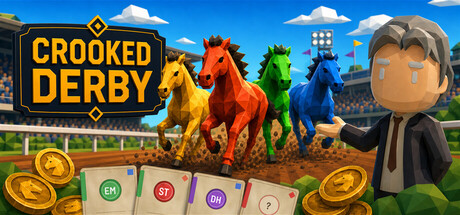
Crooked Derby includes some pre-generated visual assets created with generative AI. All AI-assisted content was iterated on, reviewed, and approved by the developer before being included in the game.
Generative AI was used to assist in creating certain store assets. Additionally, some in-game enemy artwork was generated from developer-created mockups.
Some of this game's visual assets (such as background art, city and airport imagery, and icons) and background music tracks were created
with the help of generative AI tools,
Generative AI was used during the development of this game to assist with the creation of certain visual assets and to help with portions of the programming process. All gameplay mechanics, game design, story, progression, and creative direction were designed and implemented by the developer.
None of the game's artwork, audio, or imagery is AI-generated. Portraits, interface, and all store and marketing art are hand-authored vector and procedural work, and that is a hard rule of the project. We do use AI assistance during development for writing and code, including drafting store text and the scripts that lay out our marketing art, all of it reviewed and edited by hand. No image-generation models are used anywhere, in the game or in its marketing.
Dialogue and narration are generated at runtime by a small language model running entirely on the player's machine. Nothing is sent to any server. The model has no authority over the game: a deterministic simulation decides every outcome, fact, and number, and the model only phrases scenes from state the engine hands it. Its output is structurally constrained and validated against the simulation before it appears, and invalid output is rejected. Prompts and validation keep generated text within the game's fiction and its PG-13 register. Player-typed orders go only to the local model and never leave the machine.
This game used generative AI as an assistive tool for translation and localization, and for producing some sound effects and music. All final text and audio were reviewed, edited, and approved by humans before inclusion.
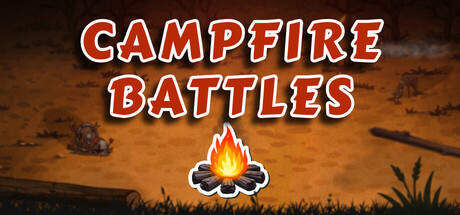
Campfire Battles is our attempt to bring an idea to life as a two-person team. AI tools helped us work quickly, particularly on the coding side, but every piece was reviewed and refined by hand.
During the development process, I use AI tools to assist with content creation. Specifically, I use them to generate base assets such as textures, visuals, and sound assets, which are then edited and refined by hand before shipping. No content is generated at runtime. In all such cases, the final product reflects my personal creativity, vision, and expression as a solo developer.
Game art assets are generated using AI tools to create initial concept art, which is then manually adjusted and modified by artists. The final works combine AI-generated foundational designs with human artistic revisions.
Some dynamic art assets are assisted in their creation by AI tools.
Some of Flekkia's assets were created with the help of generative AI tools
during development: part of the artwork (backgrounds, screens and event cards)
and the game's music. They were then selected, edited and integrated by hand.
The same assets appear on the store page and in the trailer.
No content is generated by AI while you play. Everything you see and hear is
fixed in the game and identical for every player: Flekkia does not connect to
any AI service and sends none of your data to one.
Since the game is still in active development, generative AI tools were used to create most of the artwork and text included in the game and on the store page. All generated content was carefully reviewed, heavily edited, and integrated by the developers.
3d Models for Space Ships created with Meshy.
cooperation in Thinking, design and balance.
C# coding.
Unity Editor Agent for crafting suns and planets out of bought Unity Asset Store Assets.
I used modern AI tools as creative assistants while building the world of my game. This allowed me to share the dark fantasy universe in my mind with you in a much more vivid and detailed way.
No art or sound generation was used. Some help for coding the complex in-game enemy AI interactions were utilized from LLM models. Also the game analysis was made with coding help.
A small amount of the art is generated or seeded using AI, but much of it is altered, changed or had custom things done with it. All music, sound, writing and code was made by a human.
Some pre-rendered assets in this game and on its store page, including artwork, music, and sound effects, were created with the assistance of generative AI tools. All AI-assisted content was directed, reviewed, and edited by the developer. No content is generated by AI during gameplay.
Some visual assets were created using generative AI and post-processed, including filtering, compositing, and integration into the game's final environments.
Some of this game's shipped assets were created with the assistance of generative AI tools, all reviewed and curated by our team: 3D models and their textures (generated from our team's original concept designs), 2D illustrations and UI artwork, music and sound effects, and AI-assisted translations of in-game text for some supported languages. All AI-generated assets are used under commercial licenses with full usage rights. No content is generated while the game is running, and the game does not connect to any external AI service.
This game uses generative AI to pre-generate visual assets (character portraits, capsule/marketing art) and voice narration (TTS). All AI-generated content is created during development and reviewed/curated
by the developer before shipping. No generative AI runs live during gameplay. We have the necessary rights to use the AI tools and their outputs, and the content does not infringe third-party IP.
Some in-game visual assets were created or refined using generative AI during development. These assets are pre-generated and included with the game. The game does not generate AI content while running.
Generative AI tools were used to help create parts of this game, always under the developer's direction: a significant part of the artwork (such as backgrounds, unit graphics, UI elements and store page images) was created with AI assistance and then reviewed, edited and hand-tuned by the developer. AI also assisted in writing the in-game text and translating it, along with this store page, into the supported languages. Music and sound effects are not AI-generated. No AI content is generated live during gameplay.
Some of this game's assets were created with generative AI tools and then integrated by hand: the fish models, the facility hall, and the tanks. Some in-game text, the tutorial and the customer emails, was written with the help of an AI language model. All other assets (music, sound, icons, textures, remaining UI) are hand-made or CC0. Every game system, the water simulation, koi grading, economy, customer and calendar logic, is hand-written code. No generative AI runs at runtime; nothing is generated live while you play.
Ai is used to create some loading-screens and other branding materials, also can be used in descriptive texts of the game.
All game code/assets are 100% made by humans.
Some placeholder artwork and images currently use generative AI or AI-assisted enhancement. These assets may be replaced or revised during development.
Generative AI was used for some game assets, music, and promotional materials. All content was manually reviewed and selected. No AI is used during gameplay.
This game is built by a two-member team: a human developer and an AI assistant working under his direction. Large parts of the game code and many pre-rendered assets (enemy creatures, towers, environment props, marketing artwork) were created with the assistance of generative AI — always based on human design decisions, and reviewed, tested and curated by the developer. The game does not generate any content at runtime using AI.
This game uses generative AI tools to create some of its artwork: promotional art such as the key visual and store capsule images, and some in-game image assets such as character portraits and map textures. All of it was reviewed, curated, and adjusted by the developer before use. Every screenshot shown on the store page is captured from actual gameplay and is not AI-generated. The shipped game does not use any AI to generate images, text, or audio at runtime.
AI was used strictly to block out a few initial base meshes, which I then manually reworked to fit the game's style & performance.
No AI runs at runtime.
Some game text, procedural artwork, sound effects, and store page copy were created with AI assistance, then reviewed and curated by the developer. Character and enemy sprites are licensed, human-made pixel art. No content is AI-generated during gameplay.
Some pre-generated artwork and sound assets used in the game and its marketing materials were created or edited with the assistance of generative AI tools. All such content was manually selected, reviewed, and edited as needed by the developer. The game does not generate AI content during gameplay.
AI tools were used during development to assist in creating portions of the game's code, text, and 2D artwork, including some store page assets. All AI-assisted content was generated during development and reviewed by the developer. The game does not use AI to generate any content at runtime.
We've harnessed the power of Generative AI technology to create several of our game's unique theme background artworks, enhancing your gaming experience with visually stunning designs.
Visual assets in Blackbriar Crypt were created with generative AI tools (Stable Diffusion via ComfyUI), including in-game 2D art such as item icons, character portraits, enemy sprites, and UI backgrounds, as well as store and library marketing images. Each asset was selected, edited, and approved by the developer before release.
Crooked Derby includes some pre-generated visual assets created with generative AI. All AI-assisted content was iterated on, reviewed, and approved by the developer before being included in the game.
Generative AI was used to assist in creating certain store assets. Additionally, some in-game enemy artwork was generated from developer-created mockups.
Some of this game's visual assets (such as background art, city and airport imagery, and icons) and background music tracks were created
with the help of generative AI tools,
Generative AI was used during the development of this game to assist with the creation of certain visual assets and to help with portions of the programming process. All gameplay mechanics, game design, story, progression, and creative direction were designed and implemented by the developer.
None of the game's artwork, audio, or imagery is AI-generated. Portraits, interface, and all store and marketing art are hand-authored vector and procedural work, and that is a hard rule of the project. We do use AI assistance during development for writing and code, including drafting store text and the scripts that lay out our marketing art, all of it reviewed and edited by hand. No image-generation models are used anywhere, in the game or in its marketing.
Dialogue and narration are generated at runtime by a small language model running entirely on the player's machine. Nothing is sent to any server. The model has no authority over the game: a deterministic simulation decides every outcome, fact, and number, and the model only phrases scenes from state the engine hands it. Its output is structurally constrained and validated against the simulation before it appears, and invalid output is rejected. Prompts and validation keep generated text within the game's fiction and its PG-13 register. Player-typed orders go only to the local model and never leave the machine.
This game used generative AI as an assistive tool for translation and localization, and for producing some sound effects and music. All final text and audio were reviewed, edited, and approved by humans before inclusion.
Campfire Battles is our attempt to bring an idea to life as a two-person team. AI tools helped us work quickly, particularly on the coding side, but every piece was reviewed and refined by hand.
During the development process, I use AI tools to assist with content creation. Specifically, I use them to generate base assets such as textures, visuals, and sound assets, which are then edited and refined by hand before shipping. No content is generated at runtime. In all such cases, the final product reflects my personal creativity, vision, and expression as a solo developer.