Public Steam disclosure research25,514 disclosures tracked
Where do games disclose AI use?
Search developers’ Steam disclosures, compare classified AI use across
games, and follow recorded changes.
This index adds cross-game classifications and statistics to
statements published on individual store pages.
Groups reflect automatic analysis of public disclosures; mature records are excluded. These counts do not measure AI use across all of Steam.
Missing or unclear statements cannot establish whether a game uses AI.
Generative AI was used strictly as an assistive tool during development. It was utilized to help debug code, optimize scripts, and generate minor background visual elements. All core gameplay mechanics, main graphics, story, and game design were created entirely by the developer.
Generative AI tools were used exclusively to assist in the creation of background ambient audio tracks. All code, environmental concept art, and level design were hand-crafted without the use of generative AI.
The things the player sees are mostly made manually by humans. But some visuals, like a couple of seamless textures that are used in the environment, were AI-generated and then modified by hand. AI was used to boost productivity generally, so it was used in a lot of workflows here and there to be finish tasks faster.
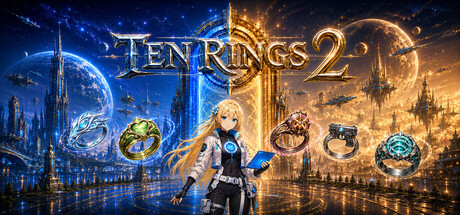
Ten Rings 2 uses generative AI during development to assist with some 2D visual asset production, concept iteration, and writing drafts. Final in-game content is selected, edited, integrated, and reviewed by the developer. Generative AI is not used to create live or personalized content during gameplay.
AI tools were used to create promotional visuals (capsule artwork) and in-game character voice lines (ElevenLabs text-to-speech). All game design, code, 3D models, and gameplay were created by the developer
AI was used during development to help fix scripting errors and improve development efficiency. No AI was used in the creation of the game’s levels, menus, UI, or graphic designs.
The art assets, source code, and portions of the related content in this game were primarily created with the assistance of artificial intelligence (AI), including but not limited to character designs, environment assets, UI elements, text assistance, and programming development. The developer reviewed, adjusted, and integrated the generated content for the final production and release of the game.
Some of the English text content and translations in this game were created with the help of generative AI tools. All text has been reviewed and edited by our development team to ensure accuracy and educational quality.
Since our artistic skills don't quite allow us to realize everything we have in mind, we use AI to create some visuals, but we also try to edit them so as not to degrade the gaming experience.
There are AI voices in certain parts of the game: TikTok-style narration voice in the Tiktok parody intro, retro robotic text-to-speech voices for a character, etc...
The game itself is made entirely by human hands. All in-game art, music, sound design, and writing are created or directed by human authors without generative AI. All gameplay footage shown on this store page is real, captured from the actual game.
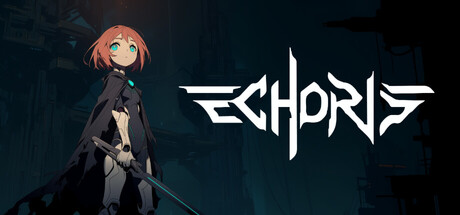
Generative AI is used for some marketing materials — including promotional images, social media assets, and capsule art — to support a small independent studio's marketing within budget constraints. These AI-generated images are intended to represent the game's existing hand-made art style.
No AI-generated content is shipped inside the game itself. If Echo Pandemic recovers its development costs, capsule images and marketing material will be replaced with commissioned human work.
This game uses generative AI (KlingAI) to create artwork, including characters and backgrounds. These images are directed, selected, and adjusted by the developer before being incorporated into the game.
All scenario text and scripts are written entirely by a human author. No generative AI is used for the writing.
The music is composed by a human and produced using a DAW (Cakewalk) and singing-voice synthesis software (VoiSona). No generative AI is used in the music production.
Visuals:
This game features cinematic visuals crafted through 3D modeling and digital composition, with Photoshop's Generative Fill used selectively for background enhancements and asset integration.
Music:
The soundtrack includes cover versions of the original theme composed by Yasunori Shiono, arranged using Suno with the composer's permission.
Generative Artificial Intelligence used in this game includes:
- Sound Effects (SFX)
- BGM cover (AI covers based on medley composed by Author)
- Refining textures, icons
1. The game code was pre-generated by AI in an IDE tool and then manually reviewed.
2. Some sound effects and music were generated as MIDI files from a large language model and then manually modified in music editing software.
3. Art assets were initially generated by online AI. All generated images were manually selected and modified to ensure they conformed to the overall art style of the game.
This game includes some visual and audio contents created with the assistance of generative A.I. All content included in the final release was curated, edited, and integrated by the developer as part of the creative process. The game engine and logic is 100% human created.
Some background environments and character animations in this game were created with the assistance of AI generation tools. All AI-generated content has been reviewed, edited, and integrated by the development team to ensure quality and consistency with the game's artistic vision.
Due to the small scale of the project, many visual assets in the current demo were created using AI-assisted image generation tools, with additional manual editing and selection by the developer.
Some assets may be replaced or redrawn in future versions during development.
Character design,character writing, story structure, dialogue, game design, and overall direction were totally created by the developer.
This is a small independent narrative project focused primarily on storytelling and atmosphere.Thank you for playing, reading, and supporting the project.
This game utilizes pre-generated AI content across multiple disciplines, including visual assets, code optimization, and audio design. These tools were used strictly to assist a solo developer in the production process. All AI-assisted assets have been thoroughly vetted to ensure they adhere to copyright and intellectual property standards, and no live-generation tools are present in the build.
Generative AI was used strictly as an assistive tool during development. It was utilized to help debug code, optimize scripts, and generate minor background visual elements. All core gameplay mechanics, main graphics, story, and game design were created entirely by the developer.
Generative AI tools were used exclusively to assist in the creation of background ambient audio tracks. All code, environmental concept art, and level design were hand-crafted without the use of generative AI.
The things the player sees are mostly made manually by humans. But some visuals, like a couple of seamless textures that are used in the environment, were AI-generated and then modified by hand. AI was used to boost productivity generally, so it was used in a lot of workflows here and there to be finish tasks faster.
Ten Rings 2 uses generative AI during development to assist with some 2D visual asset production, concept iteration, and writing drafts. Final in-game content is selected, edited, integrated, and reviewed by the developer. Generative AI is not used to create live or personalized content during gameplay.
AI tools were used to create promotional visuals (capsule artwork) and in-game character voice lines (ElevenLabs text-to-speech). All game design, code, 3D models, and gameplay were created by the developer
AI was used during development to help fix scripting errors and improve development efficiency. No AI was used in the creation of the game’s levels, menus, UI, or graphic designs.
The art assets, source code, and portions of the related content in this game were primarily created with the assistance of artificial intelligence (AI), including but not limited to character designs, environment assets, UI elements, text assistance, and programming development. The developer reviewed, adjusted, and integrated the generated content for the final production and release of the game.
Some of the English text content and translations in this game were created with the help of generative AI tools. All text has been reviewed and edited by our development team to ensure accuracy and educational quality.
Since our artistic skills don't quite allow us to realize everything we have in mind, we use AI to create some visuals, but we also try to edit them so as not to degrade the gaming experience.
There are AI voices in certain parts of the game: TikTok-style narration voice in the Tiktok parody intro, retro robotic text-to-speech voices for a character, etc...
The game itself is made entirely by human hands. All in-game art, music, sound design, and writing are created or directed by human authors without generative AI. All gameplay footage shown on this store page is real, captured from the actual game.
Generative AI is used for some marketing materials — including promotional images, social media assets, and capsule art — to support a small independent studio's marketing within budget constraints. These AI-generated images are intended to represent the game's existing hand-made art style.
No AI-generated content is shipped inside the game itself. If Echo Pandemic recovers its development costs, capsule images and marketing material will be replaced with commissioned human work.
This game uses generative AI (KlingAI) to create artwork, including characters and backgrounds. These images are directed, selected, and adjusted by the developer before being incorporated into the game.
All scenario text and scripts are written entirely by a human author. No generative AI is used for the writing.
The music is composed by a human and produced using a DAW (Cakewalk) and singing-voice synthesis software (VoiSona). No generative AI is used in the music production.
Visuals:
This game features cinematic visuals crafted through 3D modeling and digital composition, with Photoshop's Generative Fill used selectively for background enhancements and asset integration.
Music:
The soundtrack includes cover versions of the original theme composed by Yasunori Shiono, arranged using Suno with the composer's permission.
Generative Artificial Intelligence used in this game includes:
- Sound Effects (SFX)
- BGM cover (AI covers based on medley composed by Author)
- Refining textures, icons
1. The game code was pre-generated by AI in an IDE tool and then manually reviewed.
2. Some sound effects and music were generated as MIDI files from a large language model and then manually modified in music editing software.
3. Art assets were initially generated by online AI. All generated images were manually selected and modified to ensure they conformed to the overall art style of the game.
This game includes some visual and audio contents created with the assistance of generative A.I. All content included in the final release was curated, edited, and integrated by the developer as part of the creative process. The game engine and logic is 100% human created.
Some background environments and character animations in this game were created with the assistance of AI generation tools. All AI-generated content has been reviewed, edited, and integrated by the development team to ensure quality and consistency with the game's artistic vision.
Due to the small scale of the project, many visual assets in the current demo were created using AI-assisted image generation tools, with additional manual editing and selection by the developer.
Some assets may be replaced or redrawn in future versions during development.
Character design,character writing, story structure, dialogue, game design, and overall direction were totally created by the developer.
This is a small independent narrative project focused primarily on storytelling and atmosphere.Thank you for playing, reading, and supporting the project.
This game utilizes pre-generated AI content across multiple disciplines, including visual assets, code optimization, and audio design. These tools were used strictly to assist a solo developer in the production process. All AI-assisted assets have been thoroughly vetted to ensure they adhere to copyright and intellectual property standards, and no live-generation tools are present in the build.