Public Steam disclosure research25,514 disclosures tracked
Where do games disclose AI use?
Search developers’ Steam disclosures, compare classified AI use across
games, and follow recorded changes.
This index adds cross-game classifications and statistics to
statements published on individual store pages.
Groups reflect automatic analysis of public disclosures; mature records are excluded. These counts do not measure AI use across all of Steam.
Missing or unclear statements cannot establish whether a game uses AI.
This project incorporates the use of artificial intelligence tools to assist in development. AI was used to help generate portions of the C# codebase, streamlining implementation and problem-solving, as well as to create some textures used within the game. All AI-generated content was reviewed, adapted, and integrated to fit the overall design and functionality of the project
This game uses generative artificial intelligence to polish the store page description, add text to some screenshots, and compose the trailer music. No AI was used to generate core gameplay content or in-game assets.
None of the assets seen or heard in the game have been generated by AI, but AI generated images and music have been used when ideating the finished content created by humans.
AI has been used to help in the coding process and localisation, but everything has been always checked (if not created) by at least one human. Localisations usually have been created by one person and checked by another to assure quality of translations.
The steam shop page features some language translations that were generated with the help of DeepL.
The game itself does not use any AI generated translations or any other AI generated assets or code.
This game uses pre-generated visual assets, including images and cinematic sequences created with external tools. These assets are used for environmental storytelling and menu presentation, and do not involve real-time AI generation.
Some visual assets and UI elements were originally created by a human designer and later refined with the assistance of AI tools to improve clarity and polish.
In addition, some background music was created with the assistance of AI tools and then edited and integrated by the developer.
All final assets were reviewed, modified, and implemented by the development team.
Generative AI was used during development to draft initial art concepts and assist with the foundation of text localization. All final in-game visual assets were manually refined, edited, and finished in Photoshop to ensure a high-quality, hand-crafted aesthetic. Localization was human-reviewed to ensure accuracy for players.
I used AI for debugging game build errors. Going through thousands lines of error logs and call stacks is not a total nightmare once I get pointed to the right direction.
I also localized steam page using it to some languages.
Generative AI was utilized in the process of creating and optimizing UI background images and certain in-game text content, such as item descriptions and lore. All AI-generated assets were carefully reviewed, retouched, and edited by the developer to ensure they align with the game's unique atmosphere and artistic vision.
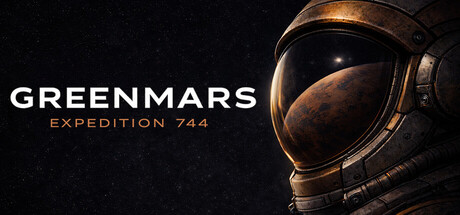
GreenMars: Expedition 744 is a solo-led independent project.
Generative AI tools are used occasionally as production support for certain pre-rendered content and communication materials. The artistic direction, original designs, and core creative decisions remain fully defined internally by human authors.
The game does not use generative AI during gameplay.
Some visual assets were generated with the assistance of AI tools, and OpenClaw has been integrated as the underlying logic framework for the NPC companion system.
Generative AI tools, including ChatGPT, were used as development assistance for programming support, debugging, design iteration, writing assistance, and workflow planning.
All final implementation, integration, testing, and creative decisions were manually reviewed and assembled by the developer.
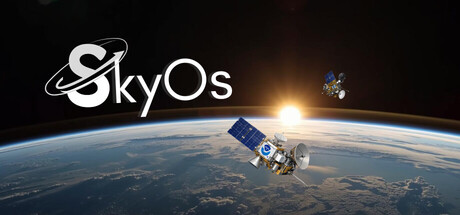
SKYOS does not use live generative AI during gameplay, and players cannot generate AI content in-game.
I started this journey at 18. From January 2025 to April 2026, every line and every drawing of Nuktedan was made purely by my own hand. I never touched AI.
But the reality of indie development is harsh. Financial hardship left me facing a choice: shelve the game, or bring it to you through Early Access. I chose the latter.
This came at a cost: I had to use AI support during coding and for certain specific visuals, like the bird's memory drawings. It didn't sit right with me, but it was the decision that kept the project alive.
My promise to you is clear: after Early Access, or in the full release, every trace of AI on the visual side will be completely removed. Those drawings will be redrawn from scratch, by my own hand.
Even in its current form, Nuktedan represents two years of my life. Thank you for your understanding and patience. We're growing this game together.
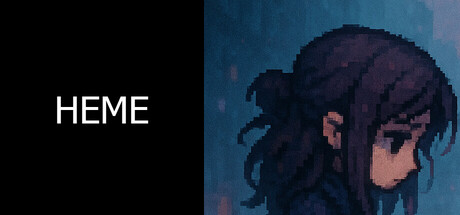
HEME is a solo project created by a developer pursuing a dream without formal training. To bring this vision to life, Generative AI was used as a primary collaborator throughout the development:
Art & Graphics: AI assisted in creating concept art, environmental designs, and refining visual assets to match the game's emotional tone.
Coding & Technical: AI served as a mentor and technical assistant to write, debug, and optimize game logic within the Unity engine.
Narrative & Translation: AI helped in refining the script and ensuring the dramatic elements are effectively communicated in both Thai and English.
Development Support: Beyond technical tasks, AI served as a constant source of guidance and support for the solo developer during this challenging journey.
AI tools were used in a limited capacity to assist in the creation of certain visual assets for store and marketing presentation (such as background elements and minor graphical components). All final content was reviewed, edited, and approved by the development team.
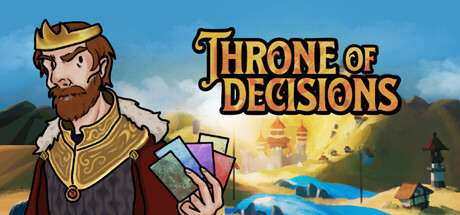
Generative AI was used during the development process to enhance and diversify the variety of card assets and narrative content. This technology allowed for the creation of a more expansive and unique library of scenarios, ensuring a richer and more varied gameplay experience for the player.
Generative AI was used during development only for early ideation and reference purposes. All final in-game assets, visuals, audio, writing, and gameplay content were created manually and are not AI-generated. The game does not use any live-generated AI content.
Some music, ambient sounds and voice lines in this game are AI-generated using ElevenLabs, curated and supervised by the development team. Some visual assets were created with AI assistance and subsequently edited by a human artist. All AI-assisted content is the result of a human-led creative process. The game does not generate any AI content during gameplay.
A few select original assets were refined with AI assistance and finished by hand to match the game's atmosphere. No AI content is generated during gameplay.
After I personally finalized the design phase, some art assets were first rendered using generative AI tools, and I then manually refined and detailed them.
Similarly, certain background music pieces were developed with the help of generative AI tools.
Should you have any concerns about these methods, please feel free to experience the game according to your own preferences. Thank you for your understanding and consideration.
Remember to Die was built solo with no official budget using AI as a creative instrument — not to replace the human decisions, but to handle the ones that would have made this game impossible otherwise. No jobs were lost, but a game was made possible.
This project incorporates the use of artificial intelligence tools to assist in development. AI was used to help generate portions of the C# codebase, streamlining implementation and problem-solving, as well as to create some textures used within the game. All AI-generated content was reviewed, adapted, and integrated to fit the overall design and functionality of the project
This game uses generative artificial intelligence to polish the store page description, add text to some screenshots, and compose the trailer music. No AI was used to generate core gameplay content or in-game assets.
None of the assets seen or heard in the game have been generated by AI, but AI generated images and music have been used when ideating the finished content created by humans.
AI has been used to help in the coding process and localisation, but everything has been always checked (if not created) by at least one human. Localisations usually have been created by one person and checked by another to assure quality of translations.
The steam shop page features some language translations that were generated with the help of DeepL.
The game itself does not use any AI generated translations or any other AI generated assets or code.
This game uses pre-generated visual assets, including images and cinematic sequences created with external tools. These assets are used for environmental storytelling and menu presentation, and do not involve real-time AI generation.
Some visual assets and UI elements were originally created by a human designer and later refined with the assistance of AI tools to improve clarity and polish.
In addition, some background music was created with the assistance of AI tools and then edited and integrated by the developer.
All final assets were reviewed, modified, and implemented by the development team.
Generative AI was used during development to draft initial art concepts and assist with the foundation of text localization. All final in-game visual assets were manually refined, edited, and finished in Photoshop to ensure a high-quality, hand-crafted aesthetic. Localization was human-reviewed to ensure accuracy for players.
I used AI for debugging game build errors. Going through thousands lines of error logs and call stacks is not a total nightmare once I get pointed to the right direction.
I also localized steam page using it to some languages.
Generative AI was utilized in the process of creating and optimizing UI background images and certain in-game text content, such as item descriptions and lore. All AI-generated assets were carefully reviewed, retouched, and edited by the developer to ensure they align with the game's unique atmosphere and artistic vision.
GreenMars: Expedition 744 is a solo-led independent project.
Generative AI tools are used occasionally as production support for certain pre-rendered content and communication materials. The artistic direction, original designs, and core creative decisions remain fully defined internally by human authors.
The game does not use generative AI during gameplay.
Some visual assets were generated with the assistance of AI tools, and OpenClaw has been integrated as the underlying logic framework for the NPC companion system.
Generative AI tools, including ChatGPT, were used as development assistance for programming support, debugging, design iteration, writing assistance, and workflow planning.
All final implementation, integration, testing, and creative decisions were manually reviewed and assembled by the developer.
SKYOS does not use live generative AI during gameplay, and players cannot generate AI content in-game.
I started this journey at 18. From January 2025 to April 2026, every line and every drawing of Nuktedan was made purely by my own hand. I never touched AI.
But the reality of indie development is harsh. Financial hardship left me facing a choice: shelve the game, or bring it to you through Early Access. I chose the latter.
This came at a cost: I had to use AI support during coding and for certain specific visuals, like the bird's memory drawings. It didn't sit right with me, but it was the decision that kept the project alive.
My promise to you is clear: after Early Access, or in the full release, every trace of AI on the visual side will be completely removed. Those drawings will be redrawn from scratch, by my own hand.
Even in its current form, Nuktedan represents two years of my life. Thank you for your understanding and patience. We're growing this game together.
HEME is a solo project created by a developer pursuing a dream without formal training. To bring this vision to life, Generative AI was used as a primary collaborator throughout the development:
Art & Graphics: AI assisted in creating concept art, environmental designs, and refining visual assets to match the game's emotional tone.
Coding & Technical: AI served as a mentor and technical assistant to write, debug, and optimize game logic within the Unity engine.
Narrative & Translation: AI helped in refining the script and ensuring the dramatic elements are effectively communicated in both Thai and English.
Development Support: Beyond technical tasks, AI served as a constant source of guidance and support for the solo developer during this challenging journey.
AI tools were used in a limited capacity to assist in the creation of certain visual assets for store and marketing presentation (such as background elements and minor graphical components). All final content was reviewed, edited, and approved by the development team.
Generative AI was used during the development process to enhance and diversify the variety of card assets and narrative content. This technology allowed for the creation of a more expansive and unique library of scenarios, ensuring a richer and more varied gameplay experience for the player.
Generative AI was used during development only for early ideation and reference purposes. All final in-game assets, visuals, audio, writing, and gameplay content were created manually and are not AI-generated. The game does not use any live-generated AI content.
Some music, ambient sounds and voice lines in this game are AI-generated using ElevenLabs, curated and supervised by the development team. Some visual assets were created with AI assistance and subsequently edited by a human artist. All AI-assisted content is the result of a human-led creative process. The game does not generate any AI content during gameplay.
A few select original assets were refined with AI assistance and finished by hand to match the game's atmosphere. No AI content is generated during gameplay.
After I personally finalized the design phase, some art assets were first rendered using generative AI tools, and I then manually refined and detailed them.
Similarly, certain background music pieces were developed with the help of generative AI tools.
Should you have any concerns about these methods, please feel free to experience the game according to your own preferences. Thank you for your understanding and consideration.
Remember to Die was built solo with no official budget using AI as a creative instrument — not to replace the human decisions, but to handle the ones that would have made this game impossible otherwise. No jobs were lost, but a game was made possible.