Public Steam disclosure research25,508 disclosures tracked
Where do games disclose AI use?
Search developers’ Steam disclosures, compare classified AI use across
games, and follow recorded changes.
This index adds cross-game classifications and statistics to
statements published on individual store pages.
Groups reflect automatic analysis of public disclosures; mature records are excluded. These counts do not measure AI use across all of Steam.
Missing or unclear statements cannot establish whether a game uses AI.
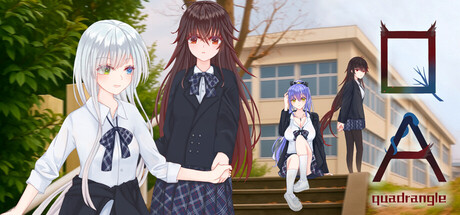
Some character CG drafts and partial visual materials were created with the assistance of AI tools.
Additionally, AI-generated voice lines were used for some characters.
No AI is used to generate content dynamically during gameplay.
This game used generative AI in a limited capacity during development to assist with Blueprint/code writing and debugging. It does not include any features that generate content or code in real time during gameplay, and no art, textures, sounds, story elements, marketing images were created using generative AI.
About the Use of AI
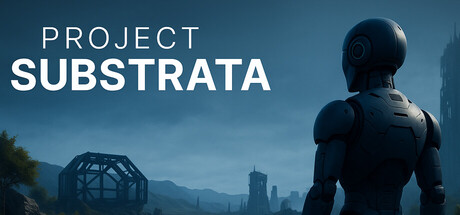
During the early stages of development, Project Substrata utilized generative AI tools (such as image generation) for concept art and idea exploration only.
All in-game assets, textures, audio, story elements, and code are manually created and refined by the development team.
Within the game world, autonomous drones and facility AIs operate as part of the gameplay and narrative systems, not as real AI services.
The game runs entirely offline, with no external data transmission or use of online AI APIs.
Some character voices, textures, ambient audio, and concept images in Silent Chamber were created or enhanced using AI tools during development. All AI-generated content is pre-rendered and reviewed by the development team to ensure quality, originality, and suitability for the story. No live or dynamic AI generation occurs during gameplay.
This game may include some visual art or background music created with generative AI tools for prototyping purposes. All assets were reviewed, edited, and curated by the developer, and to the best of our knowledge contain no copyrighted or protected third-party material. No user-generated or live AI content is created while the game is running.
Some visual and audio assets in this game were partially created or enhanced using generative AI tools under the developer’s supervision.
All content has been reviewed and edited manually to ensure it fits the artistic style and atmosphere of the game.
The game itself does not generate or use AI content in real time.
Some visual and textual elements used in the game's marketing materials were created with the assistance of artificial intelligence tools.
No AI is used during gameplay, and all in-game content is designed and implemented manually.
Some visual assets such as in-game posters were created using generative AI tools during development. All AI generated content was reviewed and edited manually to ensure originality and compliance with Steam guidelines.
This game does not use AI during gameplay.
However, certain promotional images on the store page were partially created or enhanced using AI-based tools.
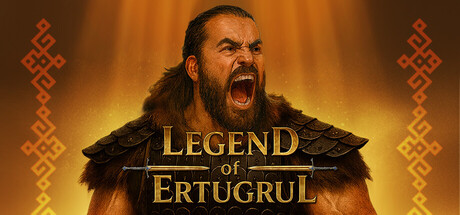
Legend of Ertuğrul is a story-driven action game featuring fixed content created by the development team.
During development, AI tools were used only for idea generation, text drafting, and the initial design stage of certain character visuals.
These visuals were then edited, repainted, or composited by the development team to create the final versions.
The game does not include any real-time AI content generation or user-created content features.
All texts, sounds, models, and code in the game were originally created by the developers or obtained from licensed sources.
All characters and key artwork in this work were created entirely by hand by human artists. AI tools were used solely as an auxiliary tool during the coloring of backgrounds and user interface elements, with only public-domain images used as references. All content was completed through lawful production processes and does not infringe any third party’s copyright or related rights.
we use AI across multiple areas of our creative process. This includes generating and enhancing textures, videos, stories, logos, concepts and ideas, music, voice acting, sound effects, and even 3D models. AI tools help us experiment faster, explore new artistic directions, and bring our worlds to life with greater efficiency and creativity.
This game uses generative AI tools to create pre-rendered content during development, specifically applied in the following aspects:
Art assets: Scene concept art, character design sketches, and basic UI icon materials. All AI-generated visual content has undergone manual review, modification, and optimization to ensure consistent style and no infringement risks.
Marketing and community assets: Some background images on the store page, auxiliary elements of promotional posters, and non-core visual materials for community sharing, all complying with Steam's content guidelines.
Development assistance: Prototypes of certain sound effects and initial drafts of code snippets, all of which have passed manual verification and adjustment to ensure functional compliance and stability.
All AI-generated content has undergone strict intellectual property verification to ensure no illegal or infringing information is included, and the actual game presentation is consistent with marketing materials.
Only AI Code was used.
- Used to create C# scripts for the following features: floating object direction calculations, boss camera, replacing items in shop interface, porting over attack hitbox logic from laggy events into C# code, lip-sync implementation, online leaderboard send/receive, dynamic button swap with keybind update, proximity interaction UI call implementation, mouse/controller sensitivity options, dropped weapon properties.
- Used to create external tools to speed up development: blender plug-ins, web tools to parse and modify event data, python scripts.
- Used for debugging purposes.
Players can optionally use AI-assisted world generation when creating new game worlds. Through a structured wizard
interface, players configure:
- World name and theme (e.g., "Classic Fantasy")
- Geographic bounds
- Optional location suggestions
The AI then generates points of interest (shrines, inns, guild halls, ruins), NPC characters with names and
personalities, dialogue (greetings, backstories, quest hooks), and story assignments.
Players do not have direct chat access to the AI. All generation flows through fixed game parameters and moderated
output. The feature is optional - players can also create worlds manually.
AI tools were used only to generate a few static images, such as the store cover art and certain decorative paintings displayed within the game. All in-game environments, gameplay, and code were created and reviewed by me using Unreal engine
ElevenLabs was utilized to produce several in-game audio elements, primarily VFX sounds, while GitHub Copilot assisted us in efficiently completing repetitive or time-consuming tasks.
During the development of RAEN: Survival Frontier, AI tools were used in a limited way during the concept phase to assist with early visual ideas and text drafts.
AI does not control gameplay, mechanics, character behavior, or in-game systems in real time.
All content in the game has been reviewed, edited, and implemented by the development team.
AI Disclosure
All writing, directing, editing, art direction and production, and all music and sprite work were fully created and/or imagined by Julio Salazar.
KAIBIL includes limited AI-assisted elements: Music by Udio; Video by Hailuo; Sprites: assisted by ChatGPT
Generative AI helped me make this project from start to finish. It helped me write code, organize my work, stay focused, and build the art, sound, and design. Grammarly helped me polish my writing. Claude Code helped me repair code. ChatGPT helped me plan and think through systems and color. The Unity engine brought it all together. There is AI in this project, just as there is in almost every tool we all use today.
Some character CG drafts and partial visual materials were created with the assistance of AI tools.
Additionally, AI-generated voice lines were used for some characters.
No AI is used to generate content dynamically during gameplay.
This game used generative AI in a limited capacity during development to assist with Blueprint/code writing and debugging. It does not include any features that generate content or code in real time during gameplay, and no art, textures, sounds, story elements, marketing images were created using generative AI.
About the Use of AI
During the early stages of development, Project Substrata utilized generative AI tools (such as image generation) for concept art and idea exploration only.
All in-game assets, textures, audio, story elements, and code are manually created and refined by the development team.
Within the game world, autonomous drones and facility AIs operate as part of the gameplay and narrative systems, not as real AI services.
The game runs entirely offline, with no external data transmission or use of online AI APIs.
Some character voices, textures, ambient audio, and concept images in Silent Chamber were created or enhanced using AI tools during development. All AI-generated content is pre-rendered and reviewed by the development team to ensure quality, originality, and suitability for the story. No live or dynamic AI generation occurs during gameplay.
This game may include some visual art or background music created with generative AI tools for prototyping purposes. All assets were reviewed, edited, and curated by the developer, and to the best of our knowledge contain no copyrighted or protected third-party material. No user-generated or live AI content is created while the game is running.
Some visual and audio assets in this game were partially created or enhanced using generative AI tools under the developer’s supervision.
All content has been reviewed and edited manually to ensure it fits the artistic style and atmosphere of the game.
The game itself does not generate or use AI content in real time.
Some visual and textual elements used in the game's marketing materials were created with the assistance of artificial intelligence tools.
No AI is used during gameplay, and all in-game content is designed and implemented manually.
Some visual assets such as in-game posters were created using generative AI tools during development. All AI generated content was reviewed and edited manually to ensure originality and compliance with Steam guidelines.
This game does not use AI during gameplay.
However, certain promotional images on the store page were partially created or enhanced using AI-based tools.
Legend of Ertuğrul is a story-driven action game featuring fixed content created by the development team.
During development, AI tools were used only for idea generation, text drafting, and the initial design stage of certain character visuals.
These visuals were then edited, repainted, or composited by the development team to create the final versions.
The game does not include any real-time AI content generation or user-created content features.
All texts, sounds, models, and code in the game were originally created by the developers or obtained from licensed sources.
All characters and key artwork in this work were created entirely by hand by human artists. AI tools were used solely as an auxiliary tool during the coloring of backgrounds and user interface elements, with only public-domain images used as references. All content was completed through lawful production processes and does not infringe any third party’s copyright or related rights.
we use AI across multiple areas of our creative process. This includes generating and enhancing textures, videos, stories, logos, concepts and ideas, music, voice acting, sound effects, and even 3D models. AI tools help us experiment faster, explore new artistic directions, and bring our worlds to life with greater efficiency and creativity.
This game uses generative AI tools to create pre-rendered content during development, specifically applied in the following aspects:
Art assets: Scene concept art, character design sketches, and basic UI icon materials. All AI-generated visual content has undergone manual review, modification, and optimization to ensure consistent style and no infringement risks.
Marketing and community assets: Some background images on the store page, auxiliary elements of promotional posters, and non-core visual materials for community sharing, all complying with Steam's content guidelines.
Development assistance: Prototypes of certain sound effects and initial drafts of code snippets, all of which have passed manual verification and adjustment to ensure functional compliance and stability.
All AI-generated content has undergone strict intellectual property verification to ensure no illegal or infringing information is included, and the actual game presentation is consistent with marketing materials.
Only AI Code was used.
- Used to create C# scripts for the following features: floating object direction calculations, boss camera, replacing items in shop interface, porting over attack hitbox logic from laggy events into C# code, lip-sync implementation, online leaderboard send/receive, dynamic button swap with keybind update, proximity interaction UI call implementation, mouse/controller sensitivity options, dropped weapon properties.
- Used to create external tools to speed up development: blender plug-ins, web tools to parse and modify event data, python scripts.
- Used for debugging purposes.
Players can optionally use AI-assisted world generation when creating new game worlds. Through a structured wizard
interface, players configure:
- World name and theme (e.g., "Classic Fantasy")
- Geographic bounds
- Optional location suggestions
The AI then generates points of interest (shrines, inns, guild halls, ruins), NPC characters with names and
personalities, dialogue (greetings, backstories, quest hooks), and story assignments.
Players do not have direct chat access to the AI. All generation flows through fixed game parameters and moderated
output. The feature is optional - players can also create worlds manually.
AI tools were used only to generate a few static images, such as the store cover art and certain decorative paintings displayed within the game. All in-game environments, gameplay, and code were created and reviewed by me using Unreal engine
ElevenLabs was utilized to produce several in-game audio elements, primarily VFX sounds, while GitHub Copilot assisted us in efficiently completing repetitive or time-consuming tasks.
During the development of RAEN: Survival Frontier, AI tools were used in a limited way during the concept phase to assist with early visual ideas and text drafts.
AI does not control gameplay, mechanics, character behavior, or in-game systems in real time.
All content in the game has been reviewed, edited, and implemented by the development team.
AI Disclosure
All writing, directing, editing, art direction and production, and all music and sprite work were fully created and/or imagined by Julio Salazar.
KAIBIL includes limited AI-assisted elements: Music by Udio; Video by Hailuo; Sprites: assisted by ChatGPT
Generative AI helped me make this project from start to finish. It helped me write code, organize my work, stay focused, and build the art, sound, and design. Grammarly helped me polish my writing. Claude Code helped me repair code. ChatGPT helped me plan and think through systems and color. The Unity engine brought it all together. There is AI in this project, just as there is in almost every tool we all use today.