Public Steam disclosure research25,514 disclosures tracked
Where do games disclose AI use?
Search developers’ Steam disclosures, compare classified AI use across
games, and follow recorded changes.
This index adds cross-game classifications and statistics to
statements published on individual store pages.
Groups reflect automatic analysis of public disclosures; mature records are excluded. These counts do not measure AI use across all of Steam.
Missing or unclear statements cannot establish whether a game uses AI.
Some pre-made assets (3D models, sound effects, portraits, and some textures) were created with generative AI tools and then curated and integrated by hand. Music is human-composed and licensed. No AI content is generated while you play.
Card illustrations and some in-game artwork were pre-generated using generative AI image tools, then curated, edited and integrated by our team. All game design, code, writing and final art direction are human-made. The game does not generate any content with AI at runtime.
We've harnessed the power of Generative AI technology to create several of our game's unique theme background artworks, enhancing your gaming experience with visually stunning designs.
AI tools were used to create early drafts and a few base images for certain small visual elements, such as mission briefing cityscape thumbnails. Some initial sprite concepts were generated using AI. These assets were manually edited, adjusted, and integrated into the game’s visual style. No live generative AI is used during gameplay.
The story and game design are an original creation of the developer.
AI was used as a tool to produce certain fixed visuals (store page, logo, illustrations),
in order to faithfully represent the game's artistic vision.
No content is AI-generated during gameplay.
Ridiculous Games employs artists, designers and programmers to make our games. We used generative AI to help create this game. It's part of what lets a small team build a game like this. We believe in being transparent about the tools we use, but they're only tools. Every part of this game is reviewed, refined, and curated by our team to meet our creative vision and quality standards, and we hope you'll enjoy the game for the experience it delivers.
Pre-generated: Steam store capsule and library key art was created using OpenAI image generation and then cropped, titled, and prepared by the developer. No generative AI runs during gameplay.
This game used AI-assisted tools in the following areas:
Achievement icons: AI-assisted generation
Some game code: AI-assisted writing
Game design, gameplay logic, balancing, core systems, and final testing were done entirely by humans.
The artwork in Hollowcross — including card illustrations and background scenes — was created with the assistance of AI image‑generation tools. All generated art is curated, selected, and edited by the developer, who has taken steps to ensure the output does not contain illegal or infringing content. The game contains no AI‑generated content produced live during gameplay.
Players may select a preset worldview and character template, or customize their own worldview and character settings before starting the game. They can interact via text typing in the in-game chat window, as well as click AI-provided options to engage with AI-generated content.
Generative AI was used only during the early testing and prototyping stages to create temporary placeholder images for visualisation and internal evaluation. These images will not be included in the final released version of the game and will be replaced with original, professionally produced artwork.
The final game will not contain any AI-generated images, text, audio, or other AI-generated assets. It also does not use generative AI to produce content during gameplay.
This game uses generative AI to assist with parts of the localization process. All AI-assisted translations are reviewed and edited by the developer before being included in the game.
Turbo Era Boss uses generative AI as part of its indie production workflow. Some pre-rendered visual assets, store capsule artwork, promotional/community images, and draft text/localization may be created or refined with AI-assisted tools. The game does not use live generative AI during gameplay. All AI-assisted material is reviewed, edited, and approved by Team76 before publication, and we avoid real team logos, real sponsors, driver likenesses, and other protected branding.
Some visual assets in this game (such as illustrations, icons, and background images) were created with the assistance of generative AI tools. All AI-generated content was reviewed, edited, and curated by our development team before being included in the game.
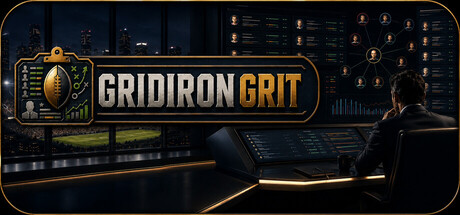
GridIron Grit is made with love, for us hardcore football sim fans, but AI did much of the heavy lifting.
AI helped me bring my dream game to life, writing code and generating game assets.
The game itself uses no generative AI within.
Card face art, in-game icons, and some store artwork were generated with locally-run image-generation models (Qwen-Image), then curated and composited by the developer. No AI content is generated at runtime.
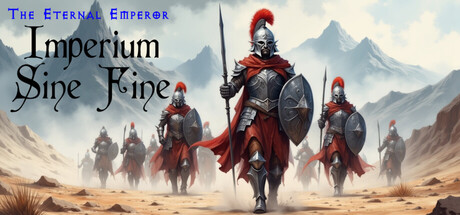
As a solo developer, I used generative AI tools to help create some of the game's icons, artwork, and written text, which I then reviewed and edited by hand. The game's design, code, and systems are my own work, and the world, its factions, and its story are built on lore I have developed across the Imperium Sine Fine saga. Nothing is AI-generated during gameplay.
This is a solo-developed game. Some visual assets were created with the assistance of generative AI. I started from my own sketches and concepts, then used AI to generate and refine artwork, with all final assets reviewed and integrated by me.
1.Generative AI tools were used to assist in creating some in-game art assets.
2.Generative AI tools were used to assist in creating and debugging some in-game code.
Being a small 2 person team in a startup studio working on this project while juggling other responsibilities; we used AI to generate base artwork that we then modified. We strived to use a fantasy theme based on Cubism as an art style so we wouldnt be ripping a specific artist's work.
All Artwork in game has been edited to fit the game, there is no raw AI content present.
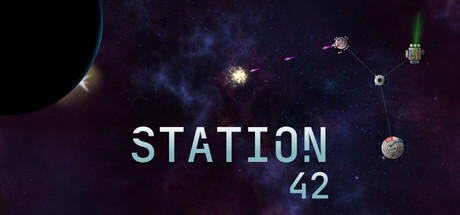
This game developer uses AI only for a few music tracks (with licence) and one sprite generated and modified FROM the original developer artwork (the main menu "station 42 sprite").
All artwork, ui, and sounds effects do NOT use AI whatsoever.
During the development of this game, generative AI tools were used to assist the developer in several areas:
- Music & Audio: The game's soundtrack and musical scores were entirely generated using AI audio tools.
- Visual Assets: AI tools were used to assist in the texturing process for a selection of 3D models.
- Localization & Text: AI assisted in the translation and localization of the game's text, as well as refining marketing materials and store descriptions.
- Coding: AI coding agents were utilized to assist with programming, code optimization, and debugging.
All AI-assisted assets and code have been carefully reviewed, curated, and integrated by the developer to ensure a cohesive and high-quality player experience.
I’m a User Experience Designer by day, and making a game has been a childhood dream of mine. I used generative AI as part of my development process, including helping with code and creating visual assets. Every asset included in the final game was personally selected, refined, placed, and directed by me to match the game’s overall vision.
During the development of this game, AI tools were used solely as a coding assistance aid — primarily to help identify and fix minor bugs, and to assist with small code corrections and improvements. AI was not used to generate any content experienced by the player, including visual assets, audio, narrative or in-game text. All artwork, sound, and written content presented to the player are original and human-created. The AI usage disclosed here is limited to development-side coding assistance and does not appear as generated content within the final player-facing experience.
Some visual assets in this game (such as illustrations, icons, and background images) were created with the assistance of generative AI tools. All AI-generated content was reviewed, edited, and curated by our development team before being included in the game.
AI tools were used as supportive tools during the development process, including assistance with code, visual assets, and music. All AI-assisted content was reviewed, edited, and integrated by our development team before being included in the game.
Some visual assets, concept art, character portraits, promotional images, and store-related materials may be created or assisted using generative AI tools. All AI-assisted content is reviewed and edited by the developer before use. The game does not use real-time AI generation during gameplay.
This game's art and music were created during development using generative AI tools. Specifically: the painted 2D illustrations — card art, event illustrations, and background images — were generated with AI image tools, and the background music tracks were produced with AI music tools. In every case the developer reviewed, selected, edited, and finalized the results, which ship as fixed image and audio files.
AI tools were used during development.
The interface translations (English, French, German, Italian and Portuguese) and the log translations were generated with AI assistance, under the developer's direction and with human review. The game does not generate AI content at runtime.
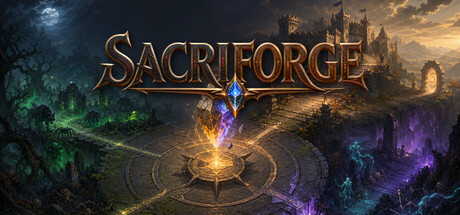
Some of the content in SacriForge was created with the help of generative AI tools during development, including 2D art and illustrations, music, sound effects, and text. All AI-assisted content was reviewed and edited by the developer.
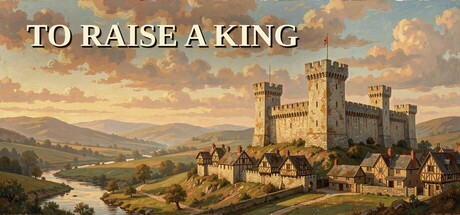
To Raise a King was made by one person working with AI collaborators. AI tools were used in the following ways during development, and every AI output shipped in the game was reviewed, curated, edited, and approved by the developer before inclusion.
Source code. Written in collaboration with Anthropic's Claude, with the developer directing architecture, reviewing every change, and testing behavior.
Character and scene illustrations. Generated locally with the FLUX.2 image model running in ComfyUI. Prompts, reference images, layered compositions, and final selections were all authored and curated by the developer.
Voice acting. Voices were produced with ElevenLabs. The developer cast each role, wrote each line, directed the delivery through iteration, and hand-picked the takes shipped in the game.
Music and sound. Music and select sound effects were produced with ElevenLabs' music generation. Tracks were selected, edited, and placed by the developer.
Writing and design. Story beats, dialogue, and system design were developed collaboratively with Claude, with the developer as the final author.
The developer confirms they hold or have licensed the rights to use these tools' outputs commercially, and has taken reasonable steps to ensure no infringing or unlawful content was produced.
Some temporary horror sound effects and vocal effects in this game were created using generative AI tools during development. These assets have been reviewed and integrated by the developer. As development continues and resources become available, these temporary AI-generated audio assets may be replaced with recordings created by professional voice actors and sound engineers to further enhance the game's atmosphere and realism.
This game used AI tools to assist in generating some visual assets and code. All AI-generated content has been manually reviewed and edited by the developer to ensure quality.
Generative AI was used during development to assist in creating some pre-generated visual assets for the game and its promotional materials, as well as parts of the English localization. All AI-assisted content was reviewed by the developer and edited where necessary. No content is generated by AI while the game is running.
Some pre-made assets (3D models, sound effects, portraits, and some textures) were created with generative AI tools and then curated and integrated by hand. Music is human-composed and licensed. No AI content is generated while you play.
Card illustrations and some in-game artwork were pre-generated using generative AI image tools, then curated, edited and integrated by our team. All game design, code, writing and final art direction are human-made. The game does not generate any content with AI at runtime.
We've harnessed the power of Generative AI technology to create several of our game's unique theme background artworks, enhancing your gaming experience with visually stunning designs.
AI tools were used to create early drafts and a few base images for certain small visual elements, such as mission briefing cityscape thumbnails. Some initial sprite concepts were generated using AI. These assets were manually edited, adjusted, and integrated into the game’s visual style. No live generative AI is used during gameplay.
The story and game design are an original creation of the developer.
AI was used as a tool to produce certain fixed visuals (store page, logo, illustrations),
in order to faithfully represent the game's artistic vision.
No content is AI-generated during gameplay.
Ridiculous Games employs artists, designers and programmers to make our games. We used generative AI to help create this game. It's part of what lets a small team build a game like this. We believe in being transparent about the tools we use, but they're only tools. Every part of this game is reviewed, refined, and curated by our team to meet our creative vision and quality standards, and we hope you'll enjoy the game for the experience it delivers.
Pre-generated: Steam store capsule and library key art was created using OpenAI image generation and then cropped, titled, and prepared by the developer. No generative AI runs during gameplay.
This game used AI-assisted tools in the following areas:
Achievement icons: AI-assisted generation
Some game code: AI-assisted writing
Game design, gameplay logic, balancing, core systems, and final testing were done entirely by humans.
The artwork in Hollowcross — including card illustrations and background scenes — was created with the assistance of AI image‑generation tools. All generated art is curated, selected, and edited by the developer, who has taken steps to ensure the output does not contain illegal or infringing content. The game contains no AI‑generated content produced live during gameplay.
Players may select a preset worldview and character template, or customize their own worldview and character settings before starting the game. They can interact via text typing in the in-game chat window, as well as click AI-provided options to engage with AI-generated content.
Generative AI was used only during the early testing and prototyping stages to create temporary placeholder images for visualisation and internal evaluation. These images will not be included in the final released version of the game and will be replaced with original, professionally produced artwork.
The final game will not contain any AI-generated images, text, audio, or other AI-generated assets. It also does not use generative AI to produce content during gameplay.
This game uses generative AI to assist with parts of the localization process. All AI-assisted translations are reviewed and edited by the developer before being included in the game.
Turbo Era Boss uses generative AI as part of its indie production workflow. Some pre-rendered visual assets, store capsule artwork, promotional/community images, and draft text/localization may be created or refined with AI-assisted tools. The game does not use live generative AI during gameplay. All AI-assisted material is reviewed, edited, and approved by Team76 before publication, and we avoid real team logos, real sponsors, driver likenesses, and other protected branding.
Some visual assets in this game (such as illustrations, icons, and background images) were created with the assistance of generative AI tools. All AI-generated content was reviewed, edited, and curated by our development team before being included in the game.
GridIron Grit is made with love, for us hardcore football sim fans, but AI did much of the heavy lifting.
AI helped me bring my dream game to life, writing code and generating game assets.
The game itself uses no generative AI within.
Card face art, in-game icons, and some store artwork were generated with locally-run image-generation models (Qwen-Image), then curated and composited by the developer. No AI content is generated at runtime.
As a solo developer, I used generative AI tools to help create some of the game's icons, artwork, and written text, which I then reviewed and edited by hand. The game's design, code, and systems are my own work, and the world, its factions, and its story are built on lore I have developed across the Imperium Sine Fine saga. Nothing is AI-generated during gameplay.
This is a solo-developed game. Some visual assets were created with the assistance of generative AI. I started from my own sketches and concepts, then used AI to generate and refine artwork, with all final assets reviewed and integrated by me.
1.Generative AI tools were used to assist in creating some in-game art assets.
2.Generative AI tools were used to assist in creating and debugging some in-game code.
Being a small 2 person team in a startup studio working on this project while juggling other responsibilities; we used AI to generate base artwork that we then modified. We strived to use a fantasy theme based on Cubism as an art style so we wouldnt be ripping a specific artist's work.
All Artwork in game has been edited to fit the game, there is no raw AI content present.
This game developer uses AI only for a few music tracks (with licence) and one sprite generated and modified FROM the original developer artwork (the main menu "station 42 sprite").
All artwork, ui, and sounds effects do NOT use AI whatsoever.
During the development of this game, generative AI tools were used to assist the developer in several areas:
- Music & Audio: The game's soundtrack and musical scores were entirely generated using AI audio tools.
- Visual Assets: AI tools were used to assist in the texturing process for a selection of 3D models.
- Localization & Text: AI assisted in the translation and localization of the game's text, as well as refining marketing materials and store descriptions.
- Coding: AI coding agents were utilized to assist with programming, code optimization, and debugging.
All AI-assisted assets and code have been carefully reviewed, curated, and integrated by the developer to ensure a cohesive and high-quality player experience.
I’m a User Experience Designer by day, and making a game has been a childhood dream of mine. I used generative AI as part of my development process, including helping with code and creating visual assets. Every asset included in the final game was personally selected, refined, placed, and directed by me to match the game’s overall vision.
During the development of this game, AI tools were used solely as a coding assistance aid — primarily to help identify and fix minor bugs, and to assist with small code corrections and improvements. AI was not used to generate any content experienced by the player, including visual assets, audio, narrative or in-game text. All artwork, sound, and written content presented to the player are original and human-created. The AI usage disclosed here is limited to development-side coding assistance and does not appear as generated content within the final player-facing experience.
Some visual assets in this game (such as illustrations, icons, and background images) were created with the assistance of generative AI tools. All AI-generated content was reviewed, edited, and curated by our development team before being included in the game.
AI tools were used as supportive tools during the development process, including assistance with code, visual assets, and music. All AI-assisted content was reviewed, edited, and integrated by our development team before being included in the game.
Some visual assets, concept art, character portraits, promotional images, and store-related materials may be created or assisted using generative AI tools. All AI-assisted content is reviewed and edited by the developer before use. The game does not use real-time AI generation during gameplay.
This game's art and music were created during development using generative AI tools. Specifically: the painted 2D illustrations — card art, event illustrations, and background images — were generated with AI image tools, and the background music tracks were produced with AI music tools. In every case the developer reviewed, selected, edited, and finalized the results, which ship as fixed image and audio files.
AI tools were used during development.
The interface translations (English, French, German, Italian and Portuguese) and the log translations were generated with AI assistance, under the developer's direction and with human review. The game does not generate AI content at runtime.
Some of the content in SacriForge was created with the help of generative AI tools during development, including 2D art and illustrations, music, sound effects, and text. All AI-assisted content was reviewed and edited by the developer.
To Raise a King was made by one person working with AI collaborators. AI tools were used in the following ways during development, and every AI output shipped in the game was reviewed, curated, edited, and approved by the developer before inclusion.
Source code. Written in collaboration with Anthropic's Claude, with the developer directing architecture, reviewing every change, and testing behavior.
Character and scene illustrations. Generated locally with the FLUX.2 image model running in ComfyUI. Prompts, reference images, layered compositions, and final selections were all authored and curated by the developer.
Voice acting. Voices were produced with ElevenLabs. The developer cast each role, wrote each line, directed the delivery through iteration, and hand-picked the takes shipped in the game.
Music and sound. Music and select sound effects were produced with ElevenLabs' music generation. Tracks were selected, edited, and placed by the developer.
Writing and design. Story beats, dialogue, and system design were developed collaboratively with Claude, with the developer as the final author.
The developer confirms they hold or have licensed the rights to use these tools' outputs commercially, and has taken reasonable steps to ensure no infringing or unlawful content was produced.
Some temporary horror sound effects and vocal effects in this game were created using generative AI tools during development. These assets have been reviewed and integrated by the developer. As development continues and resources become available, these temporary AI-generated audio assets may be replaced with recordings created by professional voice actors and sound engineers to further enhance the game's atmosphere and realism.
This game used AI tools to assist in generating some visual assets and code. All AI-generated content has been manually reviewed and edited by the developer to ensure quality.
Generative AI was used during development to assist in creating some pre-generated visual assets for the game and its promotional materials, as well as parts of the English localization. All AI-assisted content was reviewed by the developer and edited where necessary. No content is generated by AI while the game is running.