Public Steam disclosure research25,380 disclosures tracked
Where do games disclose AI use?
Search developers’ Steam disclosures, compare classified AI use across
games, and follow recorded changes.
This index adds cross-game classifications and statistics to
statements published on individual store pages.
Groups reflect automatic analysis of public disclosures; mature records are excluded. These counts do not measure AI use across all of Steam.
Missing or unclear statements cannot establish whether a game uses AI.
AI was used as limited support in creating certain elements.
All generated content was reviewed and manually adjusted by the developer.
There is no AI-generated content during gameplay.
All assets used have valid commercial licenses.
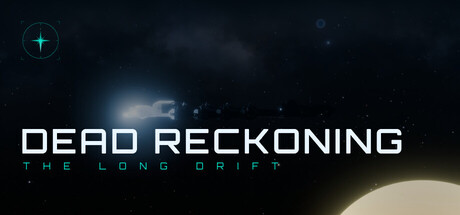
Dead Reckoning is written, and designed by one person. I want to be precise about where AI tools do and don't appear in it.
Creative content — no generative AI. All writing, narrative, and design is mine. I've worked as a technical writer for twelve years; the game's voice is my own. All art and visual assets are hand-made or licensed from named human artists. All music and sound effects are licensed from named human creators (public domain / Creative Commons) — none of it is AI-generated. This is a hard line and I intend to keep it.
Development & release tooling — where AI assists. I use AI in the engineering and release pipeline only, never to author the game itself:
- Coding assistance while writing the game's GDScript.
- An automated QA/test harness that plays the simulation thousands of times to catch crashes and balance regressions.
- Assistance in building linters (Valve YAML sheets) that check the project's text.
- Drafting and summarizing the release notes (patch notes) from the project's changelog.
None of this creates any of the writing, art, audio, or design inside the game.
Localization. The four translations (German, French, Italian, Spanish) are machine-translated by DeepL from my English source, with automated guards that fall back to English wherever a translation would break. This is an accessibility vs. quality decision, and I decided on the former. Proper localizations are planned and will be contracted out if the budget allows.
Contains some optional AI generated voice samples, using Canva, strictly in order to comply with United States Twenty-First Century Communications and Video Accessibility Act (CVAA)
This game uses pre-generated AI-assisted artwork for fictional wrestling logos and selected Steam store/marketing assets. These assets were created as fictional branding for the game and reviewed/edited by the developer before use.
The game does not use live generative AI during gameplay.
AI-powered image generation tools were used to create the game's visual elements, including character and environment images. AI tools were also used to support translations into multiple languages.
Fictional character portraits used in the game's default database were hand-drawn by the developer, then colored and aged using a customized AI workflow.
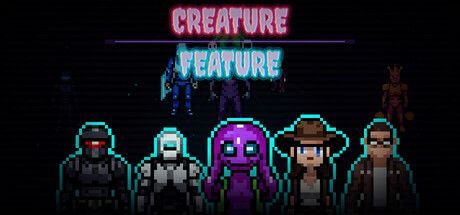
Some visual assets (pixel art sprites) and music tracks were created with the assistance of AI generation tools during development. All AI-generated content was reviewed and curated by the developer. No AI content is generated during gameplay.
Some visual, audio, and creative assets in Overcommit may be partially created with the assistance of generative AI tools during the development process.
These tools are used to help prototype ideas, generate reference material, or assist in producing certain assets. All generated content is reviewed, edited, and curated by the developer to ensure it fits the game’s artistic style and design.
Generative AI is not used to create gameplay dynamically, and it does not interact with player data.
Generative AI was used only to create the artwork displayed on the main menu screen. All other content including gameplay assets, UI, audio, and code was produced without generative AI
Some visual assets (such as promotional images and artwork) were created or enhanced using AI tools. All in-game content and functionality are implemented by the developer.
The background music for Geometry Attack was created using Soundraw, an AI-powered music generation tool. All musical tracks were pre-generated during development and are included as static assets in the final game.
Remember to Die was built solo with no official budget using AI as a creative instrument — not to replace the human decisions, but to handle the ones that would have made this game impossible otherwise. No jobs were lost, but a game was made possible.
There is AI-generated audio used within the game. All AI-generated content is pre-rendered and static. No AI is used to generate visuals, gameplay content, or content at runtime.
About 98% of the art assets in this game are human authored. 100% are human edited.
Which assets used ai:
-7 pro logos that could not be satisfied with dev skills or outsourcing
-The purple images in the SportsZone intro. These were generated because no public domain photos of 1990s era football players exist and pixel art or digital art were not appropriate.
-The studio background and suit.
-The store page assets used public domain images which then received minor ai changes, colors, hair, text, etc. This was done because they needed to look like real photos rather than obvious composites.
The game features a blend of meticulously handcrafted and AI-generated sprites, carefully selected through extensive and challenging AI prompting to create a unique and visually appealing art style.
Generative AI was used in a limited capacity during development.
It was primarily utilized for prototyping certain textures and creating visual references.
Additionally, AI was used to generate a vocal track featured in the game's intro sequence.
All other music, as well as the majority of visual and gameplay content, has been created manually.
Limited AI-assisted processing was used for some content based on human-created material, including certain video sequences animated from hand-rendered frames.
This game has pixel art assets, logos, and character designs made by different AI tools. AI-generated text-to-speech is also used for spoken dialogue. The game does not generate new content dynamically while running. All AI-generated material has been curated and integrated by the developer to ensure appropriateness and originality.
Generative Pre-Trained Transformer has been used for improving the game content, for example to improve amazing vehicles, effects and marketing materials.
This game uses AI-assisted systems to support dynamic dialogue during interrogations with villagers. The AI helps generate variations in conversations to enhance immersion and replayability while maintaining the game’s narrative structure.
The game also uses AI-assisted systems to generate epilogues based on the player’s verdicts and the relationships between villagers. These epilogues help reflect the consequences of the player’s decisions and provide varied outcomes across playthroughs.
The dialogue and epilogue generation systems operate within structured prompts and developer-defined constraints to ensure consistency with the game’s design.
The AI systems are designed with safeguards to prevent inappropriate or harmful outputs. AI-assisted content is reviewed and refined during development to ensure it remains appropriate for the game’s setting and narrative.
Some visual assets were created with the assistance of generative AI tools. These assets were reviewed, edited, and refined by the developer before being implemented into the game.
All assets were checked to ensure they are appropriate and consistent with the game’s artistic direction.
Methodox uses AI-assisted tools during both development and gameplay, with human oversight at every stage.
During production, AI tools were used to help generate certain visual assets and explore design concepts. All assets were reviewed, curated, and integrated by human designers. Final artistic direction and implementation were handled by the development team.
In gameplay, characters use AI-driven systems to simulate conversation. These systems include multiple safety measures and have been thoroughly tested to help ensure generated content remains appropriate. If you encounter an issue, please report it to our support team at contact@methodox.io so we can review and address it.
The team will continue refining and improving gameplay systems and visual assets over time.
Thank you for your support!
The accompanying background voice, as well as certain sound effects, background music, and atmospheric audio elements, were created using ElevenLabs (text-to-speech and audio generation). The AI is used exclusively for voice and sound synthesis.
No other content (images, models, textures, story, or visual assets) was generated using AI. All other elements are either handcrafted or properly licensed.
The developer confirms that the use of AI complies with Steam’s guidelines and does not infringe on any copyrights.
Academy of Samsara utilizes generative AI to achieve its distinct retro anime aesthetic. AI was used in the creation of character portraits and background environments. Trivia narratives were drafted with AI assistance and subsequently reviewed, edited, and verified for accuracy by the developer.
Some environmental posters visible in the game were initially created using generative AI tools and then manually edited and integrated by the developer. These assets are static decorative elements and do not affect gameplay or narrative systems.
Generative AI tools were used during development in a supportive role. This includes assistance with grammar checks and text refinement, as well as helping translate original German game content into clear and natural English.
In addition, AI assisted image generation was used as a basis for selected HUD elements and inventory item visuals, as well as for a small number of in game visual assets. AI assisted tools were used during the creation of the game’s background music. All AI generated content was reviewed, edited, and integrated manually to ensure consistency with the game’s art style and overall presentation.
Portions of the game's source code were authored with the assistance of AI tools. All AI-assisted code has been manually reviewed, refined, and tested by the development team.
AI was used as limited support in creating certain elements.
All generated content was reviewed and manually adjusted by the developer.
There is no AI-generated content during gameplay.
All assets used have valid commercial licenses.
Dead Reckoning is written, and designed by one person. I want to be precise about where AI tools do and don't appear in it.
Creative content — no generative AI. All writing, narrative, and design is mine. I've worked as a technical writer for twelve years; the game's voice is my own. All art and visual assets are hand-made or licensed from named human artists. All music and sound effects are licensed from named human creators (public domain / Creative Commons) — none of it is AI-generated. This is a hard line and I intend to keep it.
Development & release tooling — where AI assists. I use AI in the engineering and release pipeline only, never to author the game itself:
- Coding assistance while writing the game's GDScript.
- An automated QA/test harness that plays the simulation thousands of times to catch crashes and balance regressions.
- Assistance in building linters (Valve YAML sheets) that check the project's text.
- Drafting and summarizing the release notes (patch notes) from the project's changelog.
None of this creates any of the writing, art, audio, or design inside the game.
Localization. The four translations (German, French, Italian, Spanish) are machine-translated by DeepL from my English source, with automated guards that fall back to English wherever a translation would break. This is an accessibility vs. quality decision, and I decided on the former. Proper localizations are planned and will be contracted out if the budget allows.
Contains some optional AI generated voice samples, using Canva, strictly in order to comply with United States Twenty-First Century Communications and Video Accessibility Act (CVAA)
This game uses pre-generated AI-assisted artwork for fictional wrestling logos and selected Steam store/marketing assets. These assets were created as fictional branding for the game and reviewed/edited by the developer before use.
The game does not use live generative AI during gameplay.
AI-powered image generation tools were used to create the game's visual elements, including character and environment images. AI tools were also used to support translations into multiple languages.
Fictional character portraits used in the game's default database were hand-drawn by the developer, then colored and aged using a customized AI workflow.
Some visual assets (pixel art sprites) and music tracks were created with the assistance of AI generation tools during development. All AI-generated content was reviewed and curated by the developer. No AI content is generated during gameplay.
Some visual, audio, and creative assets in Overcommit may be partially created with the assistance of generative AI tools during the development process.
These tools are used to help prototype ideas, generate reference material, or assist in producing certain assets. All generated content is reviewed, edited, and curated by the developer to ensure it fits the game’s artistic style and design.
Generative AI is not used to create gameplay dynamically, and it does not interact with player data.
Generative AI was used only to create the artwork displayed on the main menu screen. All other content including gameplay assets, UI, audio, and code was produced without generative AI
Some visual assets (such as promotional images and artwork) were created or enhanced using AI tools. All in-game content and functionality are implemented by the developer.
The background music for Geometry Attack was created using Soundraw, an AI-powered music generation tool. All musical tracks were pre-generated during development and are included as static assets in the final game.
Remember to Die was built solo with no official budget using AI as a creative instrument — not to replace the human decisions, but to handle the ones that would have made this game impossible otherwise. No jobs were lost, but a game was made possible.
There is AI-generated audio used within the game. All AI-generated content is pre-rendered and static. No AI is used to generate visuals, gameplay content, or content at runtime.
About 98% of the art assets in this game are human authored. 100% are human edited.
Which assets used ai:
-7 pro logos that could not be satisfied with dev skills or outsourcing
-The purple images in the SportsZone intro. These were generated because no public domain photos of 1990s era football players exist and pixel art or digital art were not appropriate.
-The studio background and suit.
-The store page assets used public domain images which then received minor ai changes, colors, hair, text, etc. This was done because they needed to look like real photos rather than obvious composites.
The game features a blend of meticulously handcrafted and AI-generated sprites, carefully selected through extensive and challenging AI prompting to create a unique and visually appealing art style.
Generative AI was used in a limited capacity during development.
It was primarily utilized for prototyping certain textures and creating visual references.
Additionally, AI was used to generate a vocal track featured in the game's intro sequence.
All other music, as well as the majority of visual and gameplay content, has been created manually.
Limited AI-assisted processing was used for some content based on human-created material, including certain video sequences animated from hand-rendered frames.
This game has pixel art assets, logos, and character designs made by different AI tools. AI-generated text-to-speech is also used for spoken dialogue. The game does not generate new content dynamically while running. All AI-generated material has been curated and integrated by the developer to ensure appropriateness and originality.
Generative Pre-Trained Transformer has been used for improving the game content, for example to improve amazing vehicles, effects and marketing materials.
This game uses AI-assisted systems to support dynamic dialogue during interrogations with villagers. The AI helps generate variations in conversations to enhance immersion and replayability while maintaining the game’s narrative structure.
The game also uses AI-assisted systems to generate epilogues based on the player’s verdicts and the relationships between villagers. These epilogues help reflect the consequences of the player’s decisions and provide varied outcomes across playthroughs.
The dialogue and epilogue generation systems operate within structured prompts and developer-defined constraints to ensure consistency with the game’s design.
The AI systems are designed with safeguards to prevent inappropriate or harmful outputs. AI-assisted content is reviewed and refined during development to ensure it remains appropriate for the game’s setting and narrative.
Some visual assets were created with the assistance of generative AI tools. These assets were reviewed, edited, and refined by the developer before being implemented into the game.
All assets were checked to ensure they are appropriate and consistent with the game’s artistic direction.
Methodox uses AI-assisted tools during both development and gameplay, with human oversight at every stage.
During production, AI tools were used to help generate certain visual assets and explore design concepts. All assets were reviewed, curated, and integrated by human designers. Final artistic direction and implementation were handled by the development team.
In gameplay, characters use AI-driven systems to simulate conversation. These systems include multiple safety measures and have been thoroughly tested to help ensure generated content remains appropriate. If you encounter an issue, please report it to our support team at contact@methodox.io so we can review and address it.
The team will continue refining and improving gameplay systems and visual assets over time.
Thank you for your support!
The accompanying background voice, as well as certain sound effects, background music, and atmospheric audio elements, were created using ElevenLabs (text-to-speech and audio generation). The AI is used exclusively for voice and sound synthesis.
No other content (images, models, textures, story, or visual assets) was generated using AI. All other elements are either handcrafted or properly licensed.
The developer confirms that the use of AI complies with Steam’s guidelines and does not infringe on any copyrights.
Academy of Samsara utilizes generative AI to achieve its distinct retro anime aesthetic. AI was used in the creation of character portraits and background environments. Trivia narratives were drafted with AI assistance and subsequently reviewed, edited, and verified for accuracy by the developer.
Some environmental posters visible in the game were initially created using generative AI tools and then manually edited and integrated by the developer. These assets are static decorative elements and do not affect gameplay or narrative systems.
Generative AI tools were used during development in a supportive role. This includes assistance with grammar checks and text refinement, as well as helping translate original German game content into clear and natural English.
In addition, AI assisted image generation was used as a basis for selected HUD elements and inventory item visuals, as well as for a small number of in game visual assets. AI assisted tools were used during the creation of the game’s background music. All AI generated content was reviewed, edited, and integrated manually to ensure consistency with the game’s art style and overall presentation.
Portions of the game's source code were authored with the assistance of AI tools. All AI-assisted code has been manually reviewed, refined, and tested by the development team.