Public Steam disclosure research25,380 disclosures tracked
Where do games disclose AI use?
Search developers’ Steam disclosures, compare classified AI use across
games, and follow recorded changes.
This index adds cross-game classifications and statistics to
statements published on individual store pages.
Groups reflect automatic analysis of public disclosures; mature records are excluded. These counts do not measure AI use across all of Steam.
Missing or unclear statements cannot establish whether a game uses AI.
Pre-generated AI tools were used to create store page and marketing artwork (capsules, key art, banners, broadcast panels). No AI-generated content ships inside the game itself: all in-game visuals are built procedurally in code or come from CC0 asset kits. No live-generated AI content.
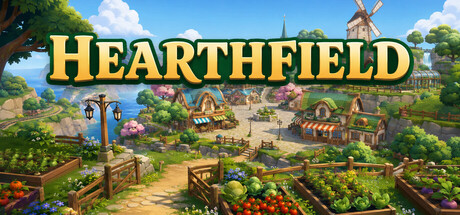
Hearthfield's world is built in code and from CC0 model packs, and everything you
see in play is made by hand. Our Steam store art, the capsules, the icons and the
logo, was created with the help of AI image tools and then finished by us. We also
use an AI coding assistant while building the game, and AI help when drafting store
text. Our screenshots are always genuine captures from the real game. Nothing in
Hearthfield is generated by AI while you play.
Generative AI was used to assist in creating certain promotional artwork and the game's logo/title. These assets were manually edited, composited, and refined by the developer. All gameplay, code, vehicles, environments, UI, level design, and core game content were created manually by the developer.
AI is used only to generate elements for the trailer and promotional media. AI is not used in any part of the game itself, including gameplay, mechanics, or runtime systems.
Generative AI tools were used during development to assist with enhancing certain texture assets. All final assets were reviewed and tweaked by the developer.
We used generative AI tools to create the video content shown on the in-game pinball machine, and some of the promotional assets on our store page. All AI-generated content is reviewed by our team before release.
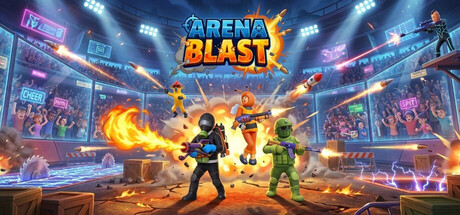
Blast Arena does not use AI to generate gameplay, code, or real-time content. Artificial intelligence was only used during development to help create certain promotional and marketing assets, such as concept art and store visuals. All in-game content and player experiences are fully handcrafted and not AI-generated.
AI was used for some translations, music, and visual assets. The game does not create AI-generated content during gameplay, and AI was not used to write the game’s code.
This game uses pre-generated AI only for some decorative static models in scenes, selected UI assets, and promotional artwork, all of which have been manually reviewed by our team. It contains no live-generated AI content; core gameplay and level design are original works of the development team.
This project is human-led and human-authored. The core concept, research direction, cultural framing, interactive decisions, visual judgement, source selection, and the final content of the work were all determined by me.
AI was used as a supporting production tool, mainly for: debugging Unity and C# errors; suggesting code structure for prototype scripts; organising local folders and repository structure; searching for public references and technical resources; and drafting editable documentation outlines that I then reviewed and revised.
AI was not used as an autonomous author. It did not decide the research direction, cultural interpretation, aesthetic intention, or final meaning of the work. AI-generated text and code were treated as working material - selected, edited, corrected, rejected, or rewritten. The personal reflection was written by me; no AI-generated text is presented as personal reflective writing.
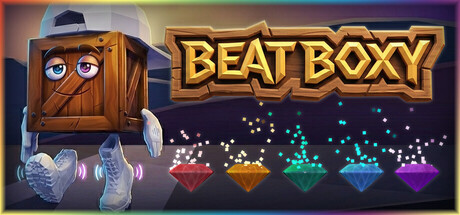
Generative AI tools were used solely to assist in the creation of the background music for Beat Boxy. All other game assets, sound effects, UI elements and level designs were either created directly by the developer, or acquired through Creative Commons Licensing.
Background Music (BGM): Some in-game background music tracks were generated using AI tools.
Localization: The game's text localization (translations into various languages) was produced or assisted by AI.
All AI-generated content was reviewed and curated by the developer before inclusion in the game.
Generative AI was used to assist in creating some UI elements and sound effects. All AI-generated assets were reviewed and edited by the developer before being included in the game.
Generative AI was used only for creating some logos and images. All generated assets were reviewed and refined by the developer before being included in the game.
This game extensively utilizes AI technology in character design, UI, visual effects, sound effects, music, and promotional artwork to enhance production efficiency and explore innovative styles.
This game uses generative AI tools in parts of its development. Some code was written with AI coding assistants, and some marketing and store artwork — including the capsule art and logo — was produced with AI assistance, based on and matched to in-game assets we created ourselves. Some 3D assets were created with AI-assisted tools All screenshots show real gameplay, all AI-assisted output is reviewed by a human before it ships, and no AI-generated content is produced live during play.
In the development process of this game, we utilized pre-generated AI tools as follows:
* 2D Assets (Backgrounds, Photos, Various Images): After generating base images using AI, we manually added, modified, and processed them before implementing them in the game.
* 3D Assets: AI generation was used for some 3D models, and the output models were then manually adjusted and processed before use.
* Audio: Generation AI tools (text-to-speech and speech synthesis) were used for some sound effects (SE) and character voices.
Please note that we did not use any live-generated AI systems that generate content in real time during game execution.
Generative AI was used during the development of this game. Specifically, AI tools were utilized to assist in the creation and optimization of [some art assets / text localization / narrative polish]. All AI-generated content has been thoroughly reviewed and manually refined by the development team to ensure quality.
The game has used AI to enhance the game's store description, help improve the game's narrative and to assist with localisation using Google Translate.
Some of the user interfaces were generated using AI; the reason for this is that I am not a graphic designer myself and cannot afford to hire a service provider to create them.
Some visual assets, 3D models, textures, UI images, promotional images, music, sound effects, and reference material used in this game were created or assisted with using generative AI tools. These assets were reviewed, edited, adjusted, and integrated by the developer.
The game itself does not generate AI content during gameplay.
Generative AI was used to create marketing assets, including store capsules, library art, and banners. The AI was used to compose and refine visual compositions based on original in-game screenshots to ensure high-quality presentation in the Steam store. All core gameplay assets, including 3D models, textures, and code, were created manually without the use of AI.
We have used generative AI tools to translate the game into additional languages and make it accessible to a wider audience. The development team has reviewed and overseen the integration of all text to ensure it is displayed correctly and that the interface and menus function properly.
Generative artificial intelligence was used during the process of creating the game's graphical elements. It was used to generate concepts and 2D graphics, which were then further manually edited and adapted to the needs of the project. The modified graphics were used as backgrounds in the game's main menu.
Pre-generated AI tools were used to create store page and marketing artwork (capsules, key art, banners, broadcast panels). No AI-generated content ships inside the game itself: all in-game visuals are built procedurally in code or come from CC0 asset kits. No live-generated AI content.
Hearthfield's world is built in code and from CC0 model packs, and everything you
see in play is made by hand. Our Steam store art, the capsules, the icons and the
logo, was created with the help of AI image tools and then finished by us. We also
use an AI coding assistant while building the game, and AI help when drafting store
text. Our screenshots are always genuine captures from the real game. Nothing in
Hearthfield is generated by AI while you play.
Generative AI was used to assist in creating certain promotional artwork and the game's logo/title. These assets were manually edited, composited, and refined by the developer. All gameplay, code, vehicles, environments, UI, level design, and core game content were created manually by the developer.
AI is used only to generate elements for the trailer and promotional media. AI is not used in any part of the game itself, including gameplay, mechanics, or runtime systems.
Generative AI tools were used during development to assist with enhancing certain texture assets. All final assets were reviewed and tweaked by the developer.
We used generative AI tools to create the video content shown on the in-game pinball machine, and some of the promotional assets on our store page. All AI-generated content is reviewed by our team before release.
Blast Arena does not use AI to generate gameplay, code, or real-time content. Artificial intelligence was only used during development to help create certain promotional and marketing assets, such as concept art and store visuals. All in-game content and player experiences are fully handcrafted and not AI-generated.
AI was used for some translations, music, and visual assets. The game does not create AI-generated content during gameplay, and AI was not used to write the game’s code.
This game uses pre-generated AI only for some decorative static models in scenes, selected UI assets, and promotional artwork, all of which have been manually reviewed by our team. It contains no live-generated AI content; core gameplay and level design are original works of the development team.
This project is human-led and human-authored. The core concept, research direction, cultural framing, interactive decisions, visual judgement, source selection, and the final content of the work were all determined by me.
AI was used as a supporting production tool, mainly for: debugging Unity and C# errors; suggesting code structure for prototype scripts; organising local folders and repository structure; searching for public references and technical resources; and drafting editable documentation outlines that I then reviewed and revised.
AI was not used as an autonomous author. It did not decide the research direction, cultural interpretation, aesthetic intention, or final meaning of the work. AI-generated text and code were treated as working material - selected, edited, corrected, rejected, or rewritten. The personal reflection was written by me; no AI-generated text is presented as personal reflective writing.
Generative AI tools were used solely to assist in the creation of the background music for Beat Boxy. All other game assets, sound effects, UI elements and level designs were either created directly by the developer, or acquired through Creative Commons Licensing.
Background Music (BGM): Some in-game background music tracks were generated using AI tools.
Localization: The game's text localization (translations into various languages) was produced or assisted by AI.
All AI-generated content was reviewed and curated by the developer before inclusion in the game.
Generative AI was used to assist in creating some UI elements and sound effects. All AI-generated assets were reviewed and edited by the developer before being included in the game.
Generative AI was used only for creating some logos and images. All generated assets were reviewed and refined by the developer before being included in the game.
This game extensively utilizes AI technology in character design, UI, visual effects, sound effects, music, and promotional artwork to enhance production efficiency and explore innovative styles.
This game uses generative AI tools in parts of its development. Some code was written with AI coding assistants, and some marketing and store artwork — including the capsule art and logo — was produced with AI assistance, based on and matched to in-game assets we created ourselves. Some 3D assets were created with AI-assisted tools All screenshots show real gameplay, all AI-assisted output is reviewed by a human before it ships, and no AI-generated content is produced live during play.
In the development process of this game, we utilized pre-generated AI tools as follows:
* 2D Assets (Backgrounds, Photos, Various Images): After generating base images using AI, we manually added, modified, and processed them before implementing them in the game.
* 3D Assets: AI generation was used for some 3D models, and the output models were then manually adjusted and processed before use.
* Audio: Generation AI tools (text-to-speech and speech synthesis) were used for some sound effects (SE) and character voices.
Please note that we did not use any live-generated AI systems that generate content in real time during game execution.
Generative AI was used during the development of this game. Specifically, AI tools were utilized to assist in the creation and optimization of [some art assets / text localization / narrative polish]. All AI-generated content has been thoroughly reviewed and manually refined by the development team to ensure quality.
The game has used AI to enhance the game's store description, help improve the game's narrative and to assist with localisation using Google Translate.
Some of the user interfaces were generated using AI; the reason for this is that I am not a graphic designer myself and cannot afford to hire a service provider to create them.
Some visual assets, 3D models, textures, UI images, promotional images, music, sound effects, and reference material used in this game were created or assisted with using generative AI tools. These assets were reviewed, edited, adjusted, and integrated by the developer.
The game itself does not generate AI content during gameplay.
Generative AI was used to create marketing assets, including store capsules, library art, and banners. The AI was used to compose and refine visual compositions based on original in-game screenshots to ensure high-quality presentation in the Steam store. All core gameplay assets, including 3D models, textures, and code, were created manually without the use of AI.
We have used generative AI tools to translate the game into additional languages and make it accessible to a wider audience. The development team has reviewed and overseen the integration of all text to ensure it is displayed correctly and that the interface and menus function properly.
Generative artificial intelligence was used during the process of creating the game's graphical elements. It was used to generate concepts and 2D graphics, which were then further manually edited and adapted to the needs of the project. The modified graphics were used as backgrounds in the game's main menu.