Public Steam disclosure research25,380 disclosures tracked
Where do games disclose AI use?
Search developers’ Steam disclosures, compare classified AI use across
games, and follow recorded changes.
This index adds cross-game classifications and statistics to
statements published on individual store pages.
Groups reflect automatic analysis of public disclosures; mature records are excluded. These counts do not measure AI use across all of Steam.
Missing or unclear statements cannot establish whether a game uses AI.
Some visual assets in this game (including 19 case file illustrations and the game icon) were created using generative AI tools during development and are embedded as static assets. The game does not use any real-time AI generation during gameplay. All player experiences are consistent and reproducible.
After I personally finalized the design phase, some art assets were first rendered using generative AI tools, and I then manually refined and detailed them.
Similarly, certain background music pieces were developed with the help of generative AI tools.
Should you have any concerns about these methods, please feel free to experience the game according to your own preferences. Thank you for your understanding and consideration.
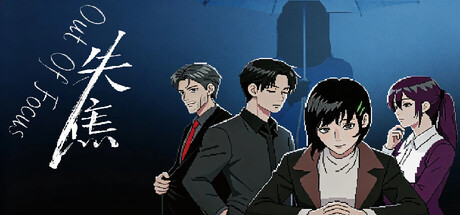
Character portraits were created using AI. As well, as modification to existing character portraits to create different expressions.
AI was not used for writing or audio purposes.
Generative AI video tools were used to assist in creating some trailer and marketing video materials. The game itself does not use live-generated AI content.
Some 2D static art in this game (for example component icons in the UI, backgrounds, or similar decorative assets) was created with assistance from generative AI tools during development. Those assets were reviewed, edited, recolored, and cropped by humans before being included in the shipped build. The game does not call generative AI while you play—there is no live AI-generated story, dialogue, or imagery shown at runtime; gameplay rules, levels, and balance are implemented by design and code. We will update this statement and its localizations if our use of generative AI changes.
Artwork, Sound design, Music, Gameplay and Programming are human-created. AI was used to pre-plan artwork, editing/extending images, generating background sounds and music, and to speed up coding.
AI images are being temporarily used in the Steam Store presence and will be removed and replaced before game's release.
Generative AI is used to create sound effects and voice lines. The AI-generated images provide foundational 2D artwork for promotional materials that are heavily stylized and edited. All the AI-generated assets are static, pre-baked and there is no live, real-time interaction with AI during gameplay.
The current prototype of Docket 87 includes some temporary AI-assisted visual materials, mainly fictional photographic and video evidence used to test the tone, format and workflow of the case files.
These materials are pre-generated, curated and edited by the development team. They are not generated during gameplay, and AI is not used to dynamically create story, dialogue, puzzles, music, sound effects, programming or player-specific content.
For the final commercial release, all evidence assets will follow a rights-cleared production pipeline. If any AI-assisted material remains in the final game, it will be created with commercially licensed tools, transformed through human art direction, editing and retouching, and reviewed to avoid copyrighted images, real people, private individuals, artist-specific styles, brands or third-party intellectual property.
Generative AI tools were used in a limited and supportive capacity during the development of this project. AI-generated imagery served primarily as visual reference material for the creation of certain 2D assets and textures. In addition, ChatGPT was utilized to assist with language translation, provide guidance during the debugging process, and support the setup and written presentation of the game’s Steam store page.
This game is developed using a combination of artificial intelligence tools and human creativity. AI helps accelerate parts of the design and production process—such as prototyping, asset iteration, and content generation—allowing us to build richer experiences more efficiently.
However, every element of the game is carefully reviewed, refined, and supervised by our development team. From gameplay design to final implementation, humans remain fully involved to ensure quality, consistency, and a fun player experience.
This game uses pre-generated AI-assisted assets in some development and marketing materials, including draft visuals, voice work, localization support, and production references. Final content is reviewed and curated by the developer. The game does not generate AI content during gameplay.
AI have been used to generate/improve a few posters and paints visible in the environnement. These images were first drawn by internal game artist of the team.
Voices have been generated with AI.
Storefront and Marketing Materials: Generative AI was used to assist in drafting, refining, and localizing the text content for the Steam store page and promotional descriptions.
In-Game Content: All final visual assets, code, and audio within the game have been created and designed by our development team. There is no AI-generated content produced in real-time during gameplay.
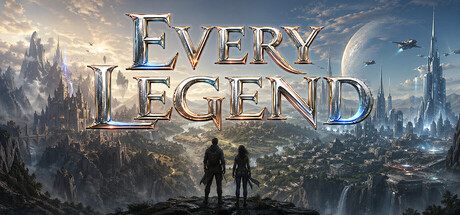
Every Legend uses AI to generate dynamic role-playing content during gameplay. This includes story text, characters, quests, dialogue, scene descriptions, images, speech, and music.
The game can use bundled local AI models on your computer, and it can also use optional third-party cloud AI providers if you configure API keys in the settings. When cloud providers are used, your prompts and relevant game context may be sent to those external services to generate content.
AI-generated content may vary between playthroughs and can occasionally be inaccurate, unexpected, or inconsistent.
This game contains content created with the assistance of generative AI tools:
Artwork: Some visual assets were generated using AI image tools as a starting
point, then edited and refined by the developer. All final in-game artwork
has been reviewed, modified, and approved by human hands.
Music & Sound Effects: Background music and sound effects were created using
AI-based music generation tools, then selected and curated by the developer.
Localization: Translations for Japanese, Korean, Traditional Chinese, Spanish,
and Russian were produced with AI translation tools and reviewed by the
developer. Simplified Chinese and English were authored directly by the
developer.
Store Page Copy: Portions of the store page description were drafted with AI
writing assistance and finalized by the developer.
No generative AI runs during gameplay. The AI opponent in single-player mode
uses rule-based logic, not generative AI.
AI-based translation tools were used for localizing the in-game text and store page descriptions from Japanese to English. All translated content has been reviewed and refined by the developer.
Partial card art, UI interface art and promotional image assets of this game were created with the assistance of AI tools. All AI-generated content has been manually reviewed, refined, and recreated by the development team, with the final presentation centered on human creation and without any copyright issues.
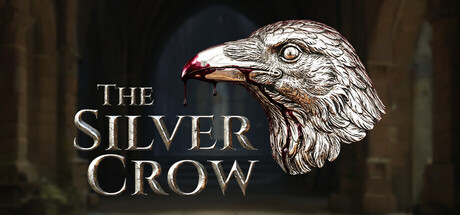
The backgrounds of The Silver Crow were created using a combination of AI image generation and extensive manual post-processing. Each location was individually refined, composited and hand-animated to achieve a consistent artistic vision.
Pre-generated AI tools were utilized to create the foundation for the 2D background art, character sprites, and audio. All of these raw assets were then extensively edited, cropped, and manually integrated by hand to ensure they perfectly fit the game's mechanics, atmosphere, and engine requirements.
AI tools are used in the early stages of visual asset creation. All assets are further refined and processed by the development team. Some voice-over and music content may be generated using AI.
Some visual assets in this game (including 19 case file illustrations and the game icon) were created using generative AI tools during development and are embedded as static assets. The game does not use any real-time AI generation during gameplay. All player experiences are consistent and reproducible.
After I personally finalized the design phase, some art assets were first rendered using generative AI tools, and I then manually refined and detailed them.
Similarly, certain background music pieces were developed with the help of generative AI tools.
Should you have any concerns about these methods, please feel free to experience the game according to your own preferences. Thank you for your understanding and consideration.
Character portraits were created using AI. As well, as modification to existing character portraits to create different expressions.
AI was not used for writing or audio purposes.
Generative AI video tools were used to assist in creating some trailer and marketing video materials. The game itself does not use live-generated AI content.
Some 2D static art in this game (for example component icons in the UI, backgrounds, or similar decorative assets) was created with assistance from generative AI tools during development. Those assets were reviewed, edited, recolored, and cropped by humans before being included in the shipped build. The game does not call generative AI while you play—there is no live AI-generated story, dialogue, or imagery shown at runtime; gameplay rules, levels, and balance are implemented by design and code. We will update this statement and its localizations if our use of generative AI changes.
Artwork, Sound design, Music, Gameplay and Programming are human-created. AI was used to pre-plan artwork, editing/extending images, generating background sounds and music, and to speed up coding.
AI images are being temporarily used in the Steam Store presence and will be removed and replaced before game's release.
Generative AI is used to create sound effects and voice lines. The AI-generated images provide foundational 2D artwork for promotional materials that are heavily stylized and edited. All the AI-generated assets are static, pre-baked and there is no live, real-time interaction with AI during gameplay.
The current prototype of Docket 87 includes some temporary AI-assisted visual materials, mainly fictional photographic and video evidence used to test the tone, format and workflow of the case files.
These materials are pre-generated, curated and edited by the development team. They are not generated during gameplay, and AI is not used to dynamically create story, dialogue, puzzles, music, sound effects, programming or player-specific content.
For the final commercial release, all evidence assets will follow a rights-cleared production pipeline. If any AI-assisted material remains in the final game, it will be created with commercially licensed tools, transformed through human art direction, editing and retouching, and reviewed to avoid copyrighted images, real people, private individuals, artist-specific styles, brands or third-party intellectual property.
Generative AI tools were used in a limited and supportive capacity during the development of this project. AI-generated imagery served primarily as visual reference material for the creation of certain 2D assets and textures. In addition, ChatGPT was utilized to assist with language translation, provide guidance during the debugging process, and support the setup and written presentation of the game’s Steam store page.
This game is developed using a combination of artificial intelligence tools and human creativity. AI helps accelerate parts of the design and production process—such as prototyping, asset iteration, and content generation—allowing us to build richer experiences more efficiently.
However, every element of the game is carefully reviewed, refined, and supervised by our development team. From gameplay design to final implementation, humans remain fully involved to ensure quality, consistency, and a fun player experience.
This game uses pre-generated AI-assisted assets in some development and marketing materials, including draft visuals, voice work, localization support, and production references. Final content is reviewed and curated by the developer. The game does not generate AI content during gameplay.
AI have been used to generate/improve a few posters and paints visible in the environnement. These images were first drawn by internal game artist of the team.
Voices have been generated with AI.
Storefront and Marketing Materials: Generative AI was used to assist in drafting, refining, and localizing the text content for the Steam store page and promotional descriptions.
In-Game Content: All final visual assets, code, and audio within the game have been created and designed by our development team. There is no AI-generated content produced in real-time during gameplay.
Every Legend uses AI to generate dynamic role-playing content during gameplay. This includes story text, characters, quests, dialogue, scene descriptions, images, speech, and music.
The game can use bundled local AI models on your computer, and it can also use optional third-party cloud AI providers if you configure API keys in the settings. When cloud providers are used, your prompts and relevant game context may be sent to those external services to generate content.
AI-generated content may vary between playthroughs and can occasionally be inaccurate, unexpected, or inconsistent.
This game contains content created with the assistance of generative AI tools:
Artwork: Some visual assets were generated using AI image tools as a starting
point, then edited and refined by the developer. All final in-game artwork
has been reviewed, modified, and approved by human hands.
Music & Sound Effects: Background music and sound effects were created using
AI-based music generation tools, then selected and curated by the developer.
Localization: Translations for Japanese, Korean, Traditional Chinese, Spanish,
and Russian were produced with AI translation tools and reviewed by the
developer. Simplified Chinese and English were authored directly by the
developer.
Store Page Copy: Portions of the store page description were drafted with AI
writing assistance and finalized by the developer.
No generative AI runs during gameplay. The AI opponent in single-player mode
uses rule-based logic, not generative AI.
AI-based translation tools were used for localizing the in-game text and store page descriptions from Japanese to English. All translated content has been reviewed and refined by the developer.
Partial card art, UI interface art and promotional image assets of this game were created with the assistance of AI tools. All AI-generated content has been manually reviewed, refined, and recreated by the development team, with the final presentation centered on human creation and without any copyright issues.
The backgrounds of The Silver Crow were created using a combination of AI image generation and extensive manual post-processing. Each location was individually refined, composited and hand-animated to achieve a consistent artistic vision.
Pre-generated AI tools were utilized to create the foundation for the 2D background art, character sprites, and audio. All of these raw assets were then extensively edited, cropped, and manually integrated by hand to ensure they perfectly fit the game's mechanics, atmosphere, and engine requirements.
AI tools are used in the early stages of visual asset creation. All assets are further refined and processed by the development team. Some voice-over and music content may be generated using AI.