Public Steam disclosure research25,380 disclosures tracked
Where do games disclose AI use?
Search developers’ Steam disclosures, compare classified AI use across
games, and follow recorded changes.
This index adds cross-game classifications and statistics to
statements published on individual store pages.
Groups reflect automatic analysis of public disclosures; mature records are excluded. These counts do not measure AI use across all of Steam.
Missing or unclear statements cannot establish whether a game uses AI.
Some background sound effects and ambient audio clips used in the game were sourced from Pixabay, where they were flagged as AI-generated by their respective creators. No graphics, code, or core gameplay elements were generated by AI; all other assets were developed entirely by me.
Generative AI is used only for some in-game icons.
Those icons are manually edited and finalized by our development team.
Generative AI was not used for any other game assets.
AI is not used during gameplay.
Generative AI tools were used during development to assist with code and to create or refine some visual assets and Steam store marketing artwork. All AI-assisted content was reviewed and edited by the developer. The game does not use generative AI during gameplay, and no content is generated liv
We translated the game in German and French ourselves. For Japanese, Simplified Chinese, Spanish and Portuguese (BR), we used AI. If you see any translation mistakes, feel free to let us know!
Some of the background music in Hold It In comes from a commercially-licensed third-party music pack bought from itch.io ("Hell Metal Songs" by thc555) that was created with AI-assisted music tools. All other audio (voice, sound effects), all art, and all game code were created without generative AI. No AI-generated content is created live during gameplay.
We use AI-assisted tools in parts of our development process to assist with content creation, improve productivity, and streamline routine tasks so our team has more time for creative work. Where we use these tools, the work is directed, reviewed, and finalized by our team.
Final Deal is a human-created game. Generative AI tools were used as part of the development process for brainstorming and concept exploration of some visual assets. All gameplay mechanics, systems, writing, artistic direction, and final creative were made by the developer.
Character portraits, UI icons, and background art in this game were generated using AI image tools (Google Gemini) and then edited, composited, and finalized by the developer. Music and sound effects were AI-generated (Suno / ElevenLabs) and edited by the developer. AI (Claude Code) was also used as a coding assistant during development. No AI content is generated live during gameplay — all assets are fixed and authored before release.
Generative AI tools were used to assist in the creation of some music, sound effects, and promotional artwork associated with the game. The game's programming, design, and in-game visual content were created by the developer.
Some visual assets (such as store page graphics, backgrounds, and UI elements) and the localization/translation of the game's user interface were created with the assistance of generative AI tools. All core gameplay mechanics and code are strictly human-made, and no live AI content generation occurs during gameplay
Generative AI was used to assist with the localization of some in-game text in some languages. All AI-generated translations are reviewed and edited by the developer before being included in the game.
Some art assets are generative and some are not. Many assets were purchased and then updated with generative AI in order to look different from the original purchased assets. We would love to change these out for custom art if the game does well.
Generative AI tools were used exclusively to create the main menu background illustration and the visual assets/textures for the enemy characters. No other parts of the game utilize artificial intelligence, and all other assets were created or acquired manually by the developers. The game does not contain any live-generated or real-time AI content.
Artificial Intelligence was used to generate concept art and placeholder music during the development phase. These assets are currently used as temporary measures until the project secures enough funding to commission professional human artists.
AI is used for cinematic cutscenes and certain art assets, but the majority of the work is done manually.
Similarly, code workflows include partial generation for certain C++, C#, and HLSL functions.
The soundtrack and sound effects were made using AI tools, then edited and mixed by hand to fit the game. Localization for non-English languages was AI-translated.
This game used generative AI tools during development to assist with the creation of some 3D modeling and audio assets. During gameplay, AI does not generate content or code, and the game does not rely on real-time AI systems.
Some visual assets, promotional materials, and portions of development assistance for Word Rift were created with the help of generative AI tools under the direction and supervision of the developer.
TRANSLATIONS in store page and in-game have been generated with artificial intelligence. These translations are FULLY OPTIONAL to use and you can experience the full game without any artificial intelligence by playing in the English language. I wanted to give people the possibility to experience the game in their native language, which is why this decision was made.
Based on the developer's original creative direction, AI tools were used to generate the game's store page capsule images, soundtrack, and the non-English in-game text translations. AI coding assistance supported programming during development.
Some assets in Pulsewave were created with the help of generative AI tools:
- Background music tracks were composed using AI music generation tools, then reviewed and curated by the developer before inclusion.
- Select store-page artwork (capsule images, marketing visuals) was AI-generated.
All gameplay, game code, in-game graphics, and game design are human-made. No AI runs during gameplay - Pulsewave does not generate content in real time and does not connect to external AI services. All AI-generated assets were reviewed before inclusion to ensure they meet our quality and content standards.
Generative artificial intelligence tools were used to assist with creating and iterating on some audio, visual, and code assets. All AI-assisted content was manually reviewed, edited, and integrated by the developer.
Some visual assets in this game, including certain textures and illustrative elements, were initially created using generative AI tools and then manually edited, refined, and integrated by the developer as part of the final game production.
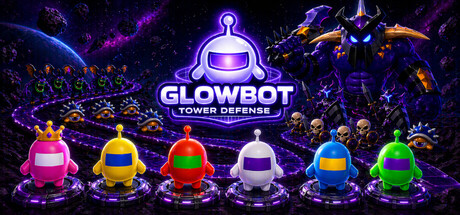
Some store assets (such as capsules and promotional images) were created with the assistance of AI tools due to limited resources during development. All gameplay, design, and core content of Glowbot Tower Defense are fully original and developed by me.
As future projects grow, I plan to collaborate with artists to further enhance the visual presentation.
Visual assets (hero portraits, card art backgrounds, dice imagery, booster pack illustrations) were generated using Midjourney and refined/composed in Photopea. Suit pip icons are by Lorc and Delapouite via game-icons.net (CC BY 3.0). Sound effects and music were generated using AI tools. All AI-generated content was directed, curated, and integrated by the developer. No AI is used to generate content live at runtime — all assets are pre-rendered and embedded in the build.
Some visual assets in this game (including the main menu background and Steam store page capsule images) were created using generative AI tools (Google Gemini). All AI-generated content was pre-rendered during development and reviewed by the developer. The game does not use any AI generation during gameplay — all assets are static and packaged with the game.
At combo 32, a full synth pad blooms into the void. That peak harmonic layer is generated by Google's Lyria 3 Pro music model, then mastered, EQ'd, and timed by hand to fit each track's BPM and key. The other audio layers — kick, bass, arpeggio — are synthesized live in the Web Audio API. All beat charts, timing windows, and gameplay are hand-designed. No procedural or AI-generated content drives play.
Loopfall uses generative AI for select shipped content:
• Music — created in collaboration with ElevenLabs.
• Sound effects — generated with ElevenLabs Sound Effects.
• Localization — store text and in-game UI strings are translated from English to 14 other languages via the Anthropic Claude API.
All AI-generated content is pre-rendered and baked into the build — no live AI runs at runtime. Every asset is licensed under each provider's commercial-use terms and was reviewed by the developer before release.
Some background sound effects and ambient audio clips used in the game were sourced from Pixabay, where they were flagged as AI-generated by their respective creators. No graphics, code, or core gameplay elements were generated by AI; all other assets were developed entirely by me.
Generative AI is used only for some in-game icons.
Those icons are manually edited and finalized by our development team.
Generative AI was not used for any other game assets.
AI is not used during gameplay.
Generative AI tools were used during development to assist with code and to create or refine some visual assets and Steam store marketing artwork. All AI-assisted content was reviewed and edited by the developer. The game does not use generative AI during gameplay, and no content is generated liv
We translated the game in German and French ourselves. For Japanese, Simplified Chinese, Spanish and Portuguese (BR), we used AI. If you see any translation mistakes, feel free to let us know!
Some of the background music in Hold It In comes from a commercially-licensed third-party music pack bought from itch.io ("Hell Metal Songs" by thc555) that was created with AI-assisted music tools. All other audio (voice, sound effects), all art, and all game code were created without generative AI. No AI-generated content is created live during gameplay.
We use AI-assisted tools in parts of our development process to assist with content creation, improve productivity, and streamline routine tasks so our team has more time for creative work. Where we use these tools, the work is directed, reviewed, and finalized by our team.
Final Deal is a human-created game. Generative AI tools were used as part of the development process for brainstorming and concept exploration of some visual assets. All gameplay mechanics, systems, writing, artistic direction, and final creative were made by the developer.
Character portraits, UI icons, and background art in this game were generated using AI image tools (Google Gemini) and then edited, composited, and finalized by the developer. Music and sound effects were AI-generated (Suno / ElevenLabs) and edited by the developer. AI (Claude Code) was also used as a coding assistant during development. No AI content is generated live during gameplay — all assets are fixed and authored before release.
Generative AI tools were used to assist in the creation of some music, sound effects, and promotional artwork associated with the game. The game's programming, design, and in-game visual content were created by the developer.
Some visual assets (such as store page graphics, backgrounds, and UI elements) and the localization/translation of the game's user interface were created with the assistance of generative AI tools. All core gameplay mechanics and code are strictly human-made, and no live AI content generation occurs during gameplay
Generative AI was used to assist with the localization of some in-game text in some languages. All AI-generated translations are reviewed and edited by the developer before being included in the game.
Some art assets are generative and some are not. Many assets were purchased and then updated with generative AI in order to look different from the original purchased assets. We would love to change these out for custom art if the game does well.
Generative AI tools were used exclusively to create the main menu background illustration and the visual assets/textures for the enemy characters. No other parts of the game utilize artificial intelligence, and all other assets were created or acquired manually by the developers. The game does not contain any live-generated or real-time AI content.
Artificial Intelligence was used to generate concept art and placeholder music during the development phase. These assets are currently used as temporary measures until the project secures enough funding to commission professional human artists.
AI is used for cinematic cutscenes and certain art assets, but the majority of the work is done manually.
Similarly, code workflows include partial generation for certain C++, C#, and HLSL functions.
The soundtrack and sound effects were made using AI tools, then edited and mixed by hand to fit the game. Localization for non-English languages was AI-translated.
This game used generative AI tools during development to assist with the creation of some 3D modeling and audio assets. During gameplay, AI does not generate content or code, and the game does not rely on real-time AI systems.
Some visual assets, promotional materials, and portions of development assistance for Word Rift were created with the help of generative AI tools under the direction and supervision of the developer.
TRANSLATIONS in store page and in-game have been generated with artificial intelligence. These translations are FULLY OPTIONAL to use and you can experience the full game without any artificial intelligence by playing in the English language. I wanted to give people the possibility to experience the game in their native language, which is why this decision was made.
Based on the developer's original creative direction, AI tools were used to generate the game's store page capsule images, soundtrack, and the non-English in-game text translations. AI coding assistance supported programming during development.
Some assets in Pulsewave were created with the help of generative AI tools:
- Background music tracks were composed using AI music generation tools, then reviewed and curated by the developer before inclusion.
- Select store-page artwork (capsule images, marketing visuals) was AI-generated.
All gameplay, game code, in-game graphics, and game design are human-made. No AI runs during gameplay - Pulsewave does not generate content in real time and does not connect to external AI services. All AI-generated assets were reviewed before inclusion to ensure they meet our quality and content standards.
Generative artificial intelligence tools were used to assist with creating and iterating on some audio, visual, and code assets. All AI-assisted content was manually reviewed, edited, and integrated by the developer.
Some visual assets in this game, including certain textures and illustrative elements, were initially created using generative AI tools and then manually edited, refined, and integrated by the developer as part of the final game production.
Some store assets (such as capsules and promotional images) were created with the assistance of AI tools due to limited resources during development. All gameplay, design, and core content of Glowbot Tower Defense are fully original and developed by me.
As future projects grow, I plan to collaborate with artists to further enhance the visual presentation.
Visual assets (hero portraits, card art backgrounds, dice imagery, booster pack illustrations) were generated using Midjourney and refined/composed in Photopea. Suit pip icons are by Lorc and Delapouite via game-icons.net (CC BY 3.0). Sound effects and music were generated using AI tools. All AI-generated content was directed, curated, and integrated by the developer. No AI is used to generate content live at runtime — all assets are pre-rendered and embedded in the build.
Some visual assets in this game (including the main menu background and Steam store page capsule images) were created using generative AI tools (Google Gemini). All AI-generated content was pre-rendered during development and reviewed by the developer. The game does not use any AI generation during gameplay — all assets are static and packaged with the game.
At combo 32, a full synth pad blooms into the void. That peak harmonic layer is generated by Google's Lyria 3 Pro music model, then mastered, EQ'd, and timed by hand to fit each track's BPM and key. The other audio layers — kick, bass, arpeggio — are synthesized live in the Web Audio API. All beat charts, timing windows, and gameplay are hand-designed. No procedural or AI-generated content drives play.
Loopfall uses generative AI for select shipped content:
• Music — created in collaboration with ElevenLabs.
• Sound effects — generated with ElevenLabs Sound Effects.
• Localization — store text and in-game UI strings are translated from English to 14 other languages via the Anthropic Claude API.
All AI-generated content is pre-rendered and baked into the build — no live AI runs at runtime. Every asset is licensed under each provider's commercial-use terms and was reviewed by the developer before release.