








Disclosure
Most of the characters and scenes in the game were created with the assistance of generative AI.
- Creator
- Enefium Studios
- Reviews
- -
- Added
- Aug 16, 2026
Public Steam disclosure research 25,376 disclosures tracked
Search developers’ Steam disclosures, compare classified AI use across games, and follow recorded changes. This index adds cross-game classifications and statistics to statements published on individual store pages.
Code help, debugging and other development work.
Capsule art, trailers and promotional material.
Pre-made art, audio, writing and other game assets.
Interactive or runtime AI features disclosed by the developer.
Groups reflect automatic analysis of public disclosures; mature records are excluded. These counts do not measure AI use across all of Steam. Missing or unclear statements cannot establish whether a game uses AI.
Most of the characters and scenes in the game were created with the assistance of generative AI.
Guttering Light's content was created using generative AI tools, with every piece prompted, curated, and integrated by the game's solo developer. All AI-generated content is pre-generated: it was reviewed and hand-finished during development, and nothing is generated while you play.
Some content was created with the help of neural networks; all materials were reviewed and edited by hand. The game does not generate anything with AI at runtime.
Generative AI is used solely as a development tool for texture design ideas and for code review and performance optimization.
Generative AI tools were used to assist in creating initial visual assets (such as background textures and UI elements). All generated assets have been manually edited, refined, and integrated into the game by the developer.
every part of the game is worked on by both AI and humans
Development Toolchain developed by AI with human guided R&D.
We have some placeholder art currently while our Artist finishes their renders. Expect to see updated content closer to launch.
music
Generative AI was used to create and refine some pre-generated visual assets, including the game logo and Steam store capsule artwork. All AI-assisted assets are reviewed, edited, and curated by the developer before inclusion. The game does not generate content during gameplay and does not connect to external AI services.
The game uses assets that were generated or modified using AI.
Most of the game's 2D art assets — including monster sprites, map backgrounds, skill and skill tree icons, achievement icons, and store/marketing key art — were created with the assistance of generative AI image tools and then reviewed and edited by the developer. Portions of the localization text (store page and in-game translations) were produced with AI assistance under human review. The game does not generate any content with AI at runtime.
*AI is used in the development of this game to generate various assets, including visual graphics, background music, and in-game text content.
In the interest of transparency, illustrations were created with the help of AI-assisted tools, used as creative support within a human-led artistic process.
Generative AI tools were used during development to assist in the creation of certain visual and audio assets. This includes some concept art, textures, UI elements, loading screens, promotional artwork, graphical assets, music, and sound effects. AI-assisted content may be edited, modified, retouched, mixed, or otherwise integrated by the development team before being included in the game or promotional materials. Generative AI is not used to dynamically generate content during gameplay.
Rockinforged is a studio that develops games with an AI-assisted production pipeline. Generative AI tools are used across development — including 2D art, cinematic and video footage, sound, localization, store page text, and marketing materials — always under the developer's direct authorship, curation, and review. The game does not generate any content with AI at runtime.
This game was developed with AI assistance for localization, in-game text (tutorial, lore, item descriptions, UI), monster/enemy artwork, and store page artwork (including the game's capsule image). All AI-assisted content was reviewed and edited by the developer before release. No content is generated by AI during gameplay.
Music and certain in-game UI icons were created using generative AI tools. All AI-generated assets were reviewed, selected, and, where necessary, edited by the developer before being included in the game. The game does not generate any AI content during gameplay.
Krukmore is developed by a solo developer who uses generative AI as part of the production pipeline. Character and environment sprite art was created using AI image generation, then processed, edited, and integrated by hand. Portions of the game's code were written with AI assistance under the developer's direction, with all systems designed, reviewed, and tested by the developer. All AI-generated content is created during development ("pre-generated") — the game does not generate any content while you play, and no AI runs on your machine. Game design, writing, and all creative decisions are the work of the developer.
2D art and some in-game text were made with generative AI tools and hand-edited.
Some of our art (not all) began as generative drafts made with AI tools, then heavily reworked by hand to fit the game's look. Everything else, story, music, game design and level design is human-made (with love).
Steam Store Page Capsule Images are Created by AI.
Verilight incorporates generative AI as part of its development pipeline for creating draft artwork, music, text, and programming assistance. All AI-generated material is manually reviewed, edited, refined, and integrated by the developer before being included in the final game. Artwork is transformed into the game's pixel-art style, music is manually arranged and adapted for each biome, and code is reviewed and modified before implementation. The game does not generate AI content during gameplay and does not connect to external AI services.
Crownsink is a hand-crafted game built the modern way: the developer writes and directs the code with the support of AI tools, while every sprite, sound and note of music springs from the game's own hand-written algorithms.
Spellk uses AI for some of it's music and art. The aim is to replace the AI elements with human made ones at some point; but that is not guaranteed.
In this game, generative AI is used for the following purposes: ・Selecting options based on voice commands input by the user ・Generating portions of the display text ・Generating portions of the narration script ・The narration audio is created using a speech synthesis engine; generative AI is not used.
As a single indie developer I had to use AI to help with creating some of the assets for store pages and logos.
We use generative AI for localization support. AI is not used for in-game content or gameplay.
Some of the Inventory images were generated using AI
GnollHack features 'Overseer', an optional in-game AI assistant. Using external generative AI models, Overseer provides live-generated text responses to players during gameplay. Players can ask questions about mechanics or request contextual hints based on their current game state. AI content is strictly limited to text chat, and the service utilizes safety filters and prompt guardrails to ensure responses are safe, relevant, and free of illegal or harmful content.
Generative AI tools were used to assist in creating and refining some pre-generated visual assets, narrative text, localization, and store/marketing artwork. All AI-assisted content was reviewed, edited, and curated by Plants Game. No content is generated during gameplay, and the game does not connect to external AI services.
This game utilized AI in the writing of some of the game code scripts.
Some code elements and visual assets in Curse of the Ancient Grimoire were created or refined with the assistance of generative AI tools, including character portraits, monster images, scene illustrations, and store capsule artwork. All AI-assisted assets were reviewed, selected, edited, and integrated by the developer. Generative AI is not used during gameplay to create dynamic content, dialogue, player-facing text, decisions, or game mechanics. Generative AI is not used during gameplay to create dynamic content, dialogue, player-facing text, decisions, or game mechanics.
Arch Rogue was developed with extensive use of generative AI. Most of the game's code was written with AI assistance. The pixel-art sprites, tiles, animations, and store artwork were created with AI image-generation tools and then curated and integrated by the developer. Dialogue, quest text, and lore were AI-generated from developer-designed prompts and story structure. All AI content is created during development, not at runtime — the game does not generate any content with AI at runtime.
This application uses AI tools in parts of its development process, including the creation of artwork used in the game and on the store page, the writing of the dialogue text shown by the characters, the tuning of behaviour algorithms, and the translation of the store page into multiple languages. All such output is generated and reviewed in advance before being incorporated into the product, and no generative AI runs during gameplay.
Portions of the game’s art assets, including environments, title artwork and several icons, were created and revised with AI tools. All background music in the game, including main menu music and combat soundtracks, is AI-generated.
All voice content in Abyssal Guardians is recorded using actor's real voices but some content might be modified with AI to achieve certain styles that match our game.
Dungeon Cooking uses generative AI tools for some of its content, created during development (pre-generated, not generated in real time): - Part of the creature art: 6 of the game's 18 monsters were made with AI image tools, then edited and integrated by the developer. - Some in-game dungeon event content was drafted with AI assistance and edited by the developer. - The announcement trailer was produced using AI tools. The rest of the game's art comes from licensed asset packs and the developer's own work. All AI-generated content was reviewed and curated by the developer before shipping.
Some assets have been created with the help of AI.
The key art on this store page, on the splash screen and on the menu cards was created using generative AI tools and then edited by hand. Nothing inside the game itself is AI-generated. Every visual in play is procedural — drawn by code at runtime — and all audio is ynthesised in real time. The build ships with no textures, no meshes, no sprites and no audio files.
Generative AI tools were used during development to assist with portions of the game’s code, gameplay data, English and Korean text, visual assets—including card, character, monster, UI, and environment artwork—and the creation of music, ambience, and sound effects. All AI-assisted material was reviewed and selected by the developer, then edited or processed where appropriate, tested, and integrated into the game. The game does not use generative AI at runtime, and no player input or personal data is sent to generative AI services.
IRON EDEN uses AI as a development tool in a limited capacity. AI has been used only for: Programming assistance. Sound effect generation. All artwork, game design, mechanics, story, characters, worldbuilding, and visual assets were created by the developer.
Some of the art in SoulForge Legends was created with the help of generative AI tools. All of it was generated during development, then reviewed, edited and assembled by hand before shipping. Nothing is generated live while you play, and the game never sends your input to an AI service.
Unity AI Assistant was used to generate most sprites, all the code, and artwork with the exception of the tile set.
GloomDelve's visuals, audio, and dungeons are generated procedurally by hand-written code; calculated geometry, synthesized sound, and deterministic seed-based level generation, not by generative AI. Generative AI tools were used during development to assist with translating the interface into non-English languages. The game generates no content at runtime and connects to no AI service while you play. Every run is produced by the same deterministic procedural systems.
- All in-game art was hand-drawn by several artists - The game cover and logo were hand-drawn by an artist - Translations from English into other languages were partially done using artificial intelligence, because hiring professional translators is expensive for us, and they often rely heavily on AI for their translations. So if you notice an error in the text, please let us know so we can correct it. - Some of the background music was created using AI
Certain Audio and UI Elements were generated or heavily assisted through AI generation.
Emergence uses generative AI as a development tool. It has been used to assist in the creation of certain visual assets (illustrations, icons, and concept art), text, and to help with software development and feature prototyping. All content included in the game is reviewed, edited, approved, and ultimately authored by the developer. Generative AI is not used to create player-facing content during gameplay unless explicitly stated in the game's feature descriptions.
Some artwork , sound effects, and music were created using generative AI tools. All content was pre-generated during development and reviewed/edited by the developer. The game does not generate content at runtime.
AI was used to generate code and art assets.
| Title⇅ | Disclosure | Creator⇅ | Src | Reviews⇅ | Added↓ |
|---|---|---|---|---|---|
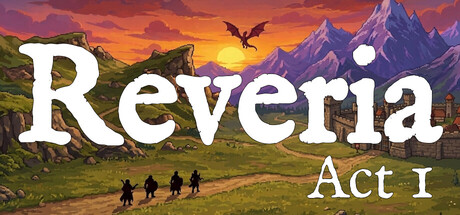 Reveria: Act 1 In-game content art | Most of the characters and scenes in the game were created with the assistance of generative AI. | Enefium Studios | - | Aug 16, 2026 | |
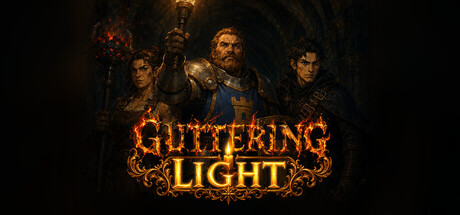 Guttering Light In-game content arttext | Guttering Light's content was created using generative AI tools, with every piece prompted, curated, and integrated by the game's solo developer. All AI-generated content is pre-generated: it was reviewed and hand-finished during development, and nothing is generated while you play. | Harrowmere Studios LLC | - | Aug 16, 2026 | |
 Descry In-game content arttextaudio | Some content was created with the help of neural networks; all materials were reviewed and edited by hand. The game does not generate anything with AI at runtime. | BigTop | - | Aug 16, 2026 | |
 Dungeons of Destiny In-game content artcode | Generative AI is used solely as a development tool for texture design ideas and for code review and performance optimization. | NoFishGames | - | Aug 16, 2026 | |
 Across the Dark In-game content art | Generative AI tools were used to assist in creating initial visual assets (such as background textures and UI elements). All generated assets have been manually edited, refined, and integrated into the game by the developer. | Dayeong Song | - | Aug 16, 2026 | |
 Solspire Unclear | every part of the game is worked on by both AI and humans | Mr Crops | - | Aug 16, 2026 | |
 Void Walkers X64 Dev only | Development Toolchain developed by AI with human guided R&D. | Luminous Lodge | - | Aug 16, 2026 | |
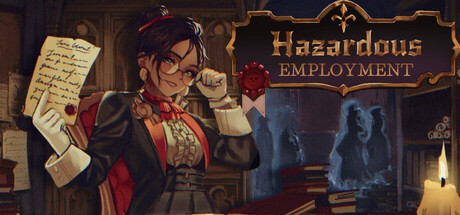 Hazardous Employment Dev only art | We have some placeholder art currently while our Artist finishes their renders. Expect to see updated content closer to launch. | Hazardmere Games | - | Aug 16, 2026 | |
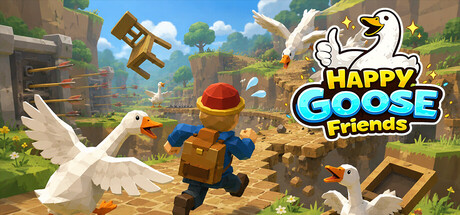 happy goose friends Unclear audio | music | not goose | - | Aug 14, 2026 | |
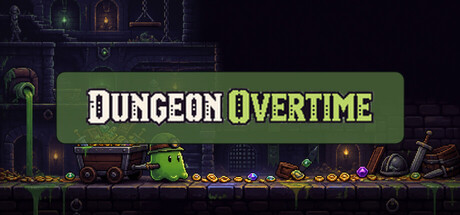 Dungeon Overtime Store/marketing art | Generative AI was used to create and refine some pre-generated visual assets, including the game logo and Steam store capsule artwork. All AI-assisted assets are reviewed, edited, and curated by the developer before inclusion. The game does not generate content during gameplay and does not connect to external AI services. | Orange Slug Studios | - | Aug 14, 2026 | |
 How to Write a Book without Getting Killed In-game content art | The game uses assets that were generated or modified using AI. | Blue Sword Gaming | - | Aug 14, 2026 | |
 Incremental Magic In-game content arttext | Most of the game's 2D art assets — including monster sprites, map backgrounds, skill and skill tree icons, achievement icons, and store/marketing key art — were created with the assistance of generative AI image tools and then reviewed and edited by the developer. Portions of the localization text (store page and in-game translations) were produced with AI assistance under human review. The game does not generate any content with AI at runtime. | Natural Nomad | - | Aug 14, 2026 | |
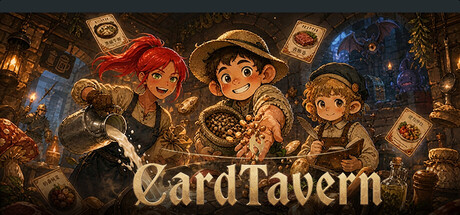 迷宫酒馆 In-game content artaudiotext | *AI is used in the development of this game to generate various assets, including visual graphics, background music, and in-game text content. | 阿吉 | - | Aug 14, 2026 | |
 VERLIES III - Resurrection Store/marketing art | In the interest of transparency, illustrations were created with the help of AI-assisted tools, used as creative support within a human-led artistic process. | Koya Game | - | Aug 14, 2026 | |
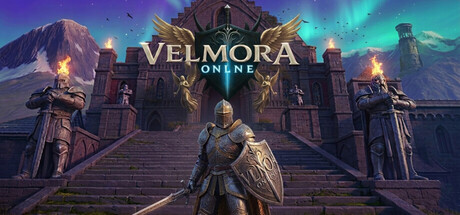 Velmora Online In-game content artaudio | Generative AI tools were used during development to assist in the creation of certain visual and audio assets. This includes some concept art, textures, UI elements, loading screens, promotional artwork, graphical assets, music, and sound effects.
AI-assisted content may be edited, modified, retouched, mixed, or otherwise integrated by the development team before being included in the game or promotional materials.
Generative AI is not used to dynamically generate content during gameplay. | Beledrian | - | Aug 14, 2026 | |
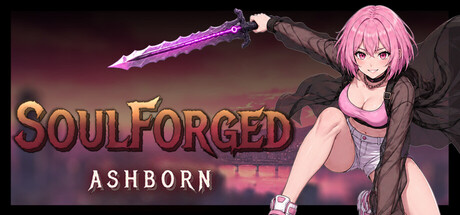 SoulForged: Ashborn In-game content artaudiotext | Rockinforged is a studio that develops games with an AI-assisted production pipeline. Generative AI tools are used across development — including 2D art, cinematic and video footage, sound, localization, store page text, and marketing materials — always under the developer's direct authorship, curation, and review. The game does not generate any content with AI at runtime. | Rockinforged | - | Aug 13, 2026 | |
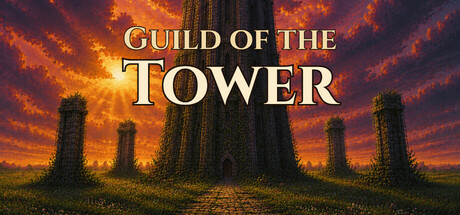 Guild of the Tower In-game content arttext | This game was developed with AI assistance for localization, in-game text (tutorial, lore, item descriptions, UI), monster/enemy artwork, and store page artwork (including the game's capsule image). All AI-assisted content was reviewed and edited by the developer before release. No content is generated by AI during gameplay. | One Wish Studio | - | Aug 13, 2026 | |
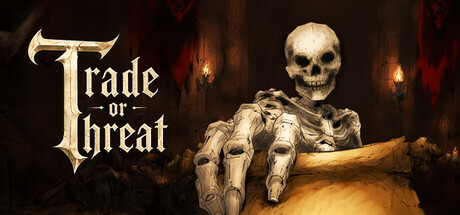 Trade or Threat In-game content audioart | Music and certain in-game UI icons were created using generative AI tools. All AI-generated assets were reviewed, selected, and, where necessary, edited by the developer before being included in the game. The game does not generate any AI content during gameplay. | Gaodelty Interactive | - | Aug 13, 2026 | |
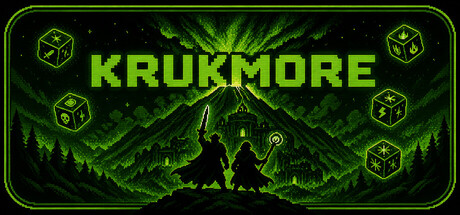 Krukmore In-game content artcode | Krukmore is developed by a solo developer who uses generative AI as part of the production pipeline. Character and environment sprite art was created using AI image generation, then processed, edited, and integrated by hand. Portions of the game's code were written with AI assistance under the developer's direction, with all systems designed, reviewed, and tested by the developer. All AI-generated content is created during development ("pre-generated") — the game does not generate any content while you play, and no AI runs on your machine. Game design, writing, and all creative decisions are the work of the developer. | David Gamble | - | Aug 13, 2026 | |
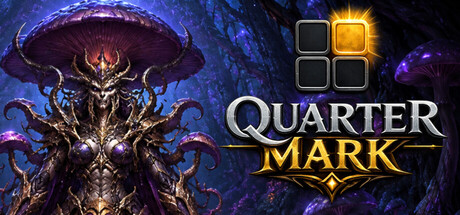 Quartermark In-game content arttext | 2D art and some in-game text were made with generative AI tools and hand-edited. | ACA Games | - | Aug 13, 2026 | |
 Guns & Gargoyles In-game content art | Some of our art (not all) began as generative drafts made with AI tools, then heavily reworked by hand to fit the game's look. Everything else, story, music, game design and level design is human-made (with love). | Team Ruphi | - | Aug 13, 2026 | |
 Lord of the Grind Store/marketing art | Steam Store Page Capsule Images are Created by AI. | Musa GUNGOR | - | Aug 11, 2026 | |
 Verilight In-game content artaudiotextcode | Verilight incorporates generative AI as part of its development pipeline for creating draft artwork, music, text, and programming assistance. All AI-generated material is manually reviewed, edited, refined, and integrated by the developer before being included in the final game. Artwork is transformed into the game's pixel-art style, music is manually arranged and adapted for each biome, and code is reviewed and modified before implementation. The game does not generate AI content during gameplay and does not connect to external AI services. | Notter Animations | - | Aug 11, 2026 | |
 Crownsink In-game content artaudiocode | Crownsink is a hand-crafted game built the modern way: the developer writes and directs the code with the support of AI tools, while every sprite, sound and note of music springs from the game's own hand-written algorithms. | Lunvero Studio | - | Aug 11, 2026 | |
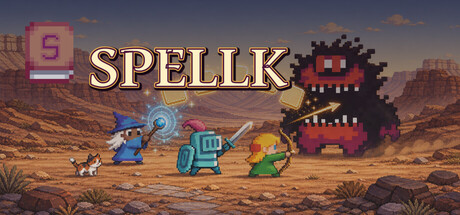 Spellk In-game content audioart | Spellk uses AI for some of it's music and art. The aim is to replace the AI elements with human made ones at some point; but that is not guaranteed. | bascorp | - | Aug 11, 2026 | |
 STO:REAM AI Voice Adventure In-game content text | In this game, generative AI is used for the following purposes:
・Selecting options based on voice commands input by the user
・Generating portions of the display text
・Generating portions of the narration script
・The narration audio is created using a speech synthesis engine; generative AI is not used. | パティオ | - | Aug 11, 2026 | |
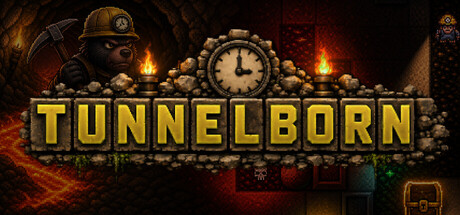 Tunnelborn Store/marketing art | As a single indie developer I had to use AI to help with creating some of the assets for store pages and logos. | CROCFISH | - | Aug 11, 2026 | |
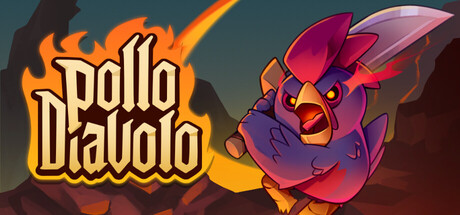 Pollo Diavolo In-game content text | We use generative AI for localization support. AI is not used for in-game content or gameplay. | Red-Squirg | - | Aug 11, 2026 | |
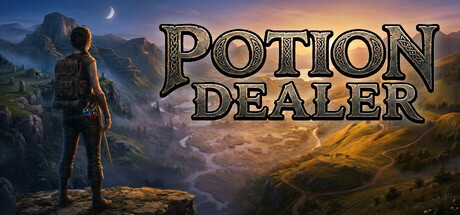 Potion Dealer In-game content art | Some of the Inventory images were generated using AI | Spectre17 | - | Aug 11, 2026 | |
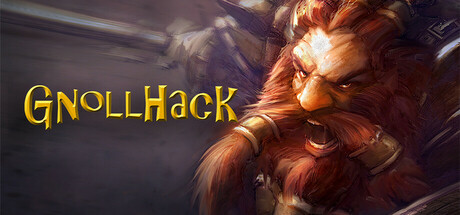 GnollHack Live AI text | GnollHack features 'Overseer', an optional in-game AI assistant. Using external generative AI models, Overseer provides live-generated text responses to players during gameplay. Players can ask questions about mechanics or request contextual hints based on their current game state. AI content is strictly limited to text chat, and the service utilizes safety filters and prompt guardrails to ensure responses are safe, relevant, and free of illegal or harmful content. | Hyvän mielen pelit ry | 50 | Aug 9, 2026 | |
 Dungeon Sookuma In-game content arttext | Generative AI tools were used to assist in creating and refining some pre-generated visual assets, narrative text, localization, and store/marketing artwork. All AI-assisted content was reviewed, edited, and curated by Plants Game. No content is generated during gameplay, and the game does not connect to external AI services. | 플랜츠게임 | - | Aug 8, 2026 | |
 Detour Dev only code | This game utilized AI in the writing of some of the game code scripts. | Jordan Witbeck | - | Aug 8, 2026 | |
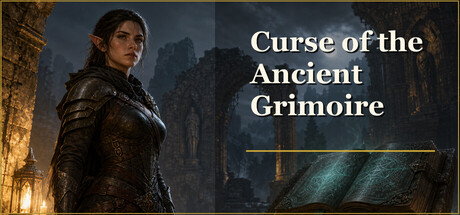 Curse of the Ancient Grimoire In-game content art | Some code elements and visual assets in Curse of the Ancient Grimoire were created or refined with the assistance of generative AI tools, including character portraits, monster images, scene illustrations, and store capsule artwork. All AI-assisted assets were reviewed, selected, edited, and integrated by the developer.
Generative AI is not used during gameplay to create dynamic content, dialogue, player-facing text, decisions, or game mechanics.
Generative AI is not used during gameplay to create dynamic content, dialogue, player-facing text, decisions, or game mechanics. | Jiri Sladek | - | Aug 8, 2026 | |
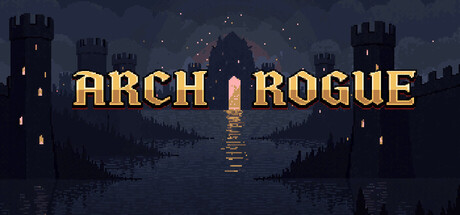 Arch Rogue In-game content arttextcode | Arch Rogue was developed with extensive use of generative AI. Most of the game's code was written with AI assistance. The pixel-art sprites, tiles, animations, and store artwork were created with AI image-generation tools and then curated and integrated by the developer. Dialogue, quest text, and lore were AI-generated from developer-designed prompts and story structure. All AI content is created during development, not at runtime — the game does not generate any content with AI at runtime. | Matti Rita-Kasari | - | Aug 8, 2026 | |
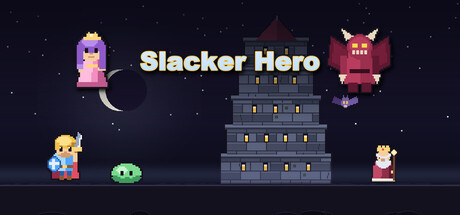 Slacker Hero In-game content arttext | This application uses AI tools in parts of its development process, including the creation of artwork used in the game and on the store page, the writing of the dialogue text shown by the characters, the tuning of behaviour algorithms, and the translation of the store page into multiple languages. All such output is generated and reviewed in advance before being incorporated into the product, and no generative AI runs during gameplay. | SQOOL | - | Aug 8, 2026 | |
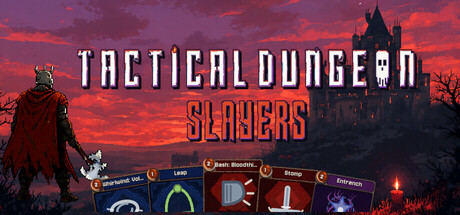 Tactical Dungeon Slayers In-game content artaudio | Portions of the game’s art assets, including environments, title artwork and several icons, were created and revised with AI tools. All background music in the game, including main menu music and combat soundtracks, is AI-generated. | Futurebun | - | Aug 8, 2026 | |
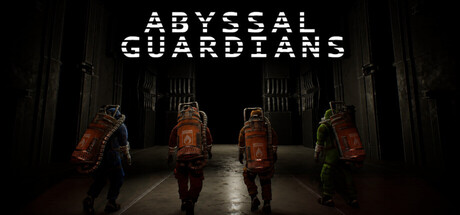 Abyssal Guardians In-game content audio | All voice content in Abyssal Guardians is recorded using actor's real voices but some content might be modified with AI to achieve certain styles that match our game. | Titan Interactive | - | Aug 8, 2026 | |
 Dungeon Cooking In-game content arttext | Dungeon Cooking uses generative AI tools for some of its content, created during development (pre-generated, not generated in real time):
- Part of the creature art: 6 of the game's 18 monsters were made with AI image tools, then edited and integrated by the developer.
- Some in-game dungeon event content was drafted with AI assistance and edited by the developer.
- The announcement trailer was produced using AI tools.
The rest of the game's art comes from licensed asset packs and the developer's own work. All AI-generated content was reviewed and curated by the developer before shipping. | Unkind Logic | - | Aug 8, 2026 | |
 Crawler 3D Unclear | Some assets have been created with the help of AI. | Wasdeq Games | - | Aug 7, 2026 | |
 DICEBONE In-game content art | The key art on this store page, on the splash screen and on the menu cards was created using generative AI tools and then edited by hand. Nothing inside the game itself is AI-generated. Every visual in play is procedural — drawn by code at runtime — and all audio is ynthesised in real time. The build ships with no textures, no meshes, no sprites and no audio files. | VOXELMANA | - | Aug 6, 2026 | |
 Card&Dungeon In-game content arttextaudio | Generative AI tools were used during development to assist with portions of the game’s code, gameplay data, English and Korean text, visual assets—including card, character, monster, UI, and environment artwork—and the creation of music, ambience, and sound effects.
All AI-assisted material was reviewed and selected by the developer, then edited or processed where appropriate, tested, and integrated into the game. The game does not use generative AI at runtime, and no player input or personal data is sent to generative AI services. | SDBD Studio | - | Aug 5, 2026 | |
 IRON EDEN In-game content codeaudio | IRON EDEN uses AI as a development tool in a limited capacity.
AI has been used only for:
Programming assistance.
Sound effect generation.
All artwork, game design, mechanics, story, characters, worldbuilding, and visual assets were created by the developer. | Breno Lubacheuski | - | Aug 5, 2026 | |
 Soulforge Legends In-game content art | Some of the art in SoulForge Legends was created with the help of generative AI tools. All of it was generated during development, then reviewed, edited and assembled by hand before shipping. Nothing is generated live while you play, and the game never sends your input to an AI service. | RaBBiT Studios | - | Aug 5, 2026 | |
 Unforgiving Dungeon In-game content artcode | Unity AI Assistant was used to generate most sprites, all the code, and artwork with the exception of the tile set. | AI Vision | - | Aug 5, 2026 | |
 Gloom Delve In-game content text | GloomDelve's visuals, audio, and dungeons are generated procedurally by hand-written code; calculated geometry, synthesized sound, and deterministic seed-based level generation, not by generative AI. Generative AI tools were used during development to assist with translating the interface into non-English languages. The game generates no content at runtime and connects to no AI service while you play. Every run is produced by the same deterministic procedural systems. | UNiT Studios | - | Aug 5, 2026 | |
 DepthLoot In-game content textaudio | - All in-game art was hand-drawn by several artists
- The game cover and logo were hand-drawn by an artist
- Translations from English into other languages were partially done using artificial intelligence, because hiring professional translators is expensive for us, and they often rely heavily on AI for their translations. So if you notice an error in the text, please let us know so we can correct it.
- Some of the background music was created using AI | ValiantLight | - | Aug 5, 2026 | |
 Arena of the Forge In-game content audioart | Certain Audio and UI Elements were generated or heavily assisted through AI generation. | SHIGH Games | - | Aug 4, 2026 | |
 Emergence In-game content arttextcode | Emergence uses generative AI as a development tool. It has been used to assist in the creation of certain visual assets (illustrations, icons, and concept art), text, and to help with software development and feature prototyping.
All content included in the game is reviewed, edited, approved, and ultimately authored by the developer. Generative AI is not used to create player-facing content during gameplay unless explicitly stated in the game's feature descriptions. | Katagena Labs | - | Aug 4, 2026 | |
 BoardboundHeroes In-game content artaudio | Some artwork , sound effects, and music were created using generative AI tools. All content was pre-generated during development and reviewed/edited by the developer. The game does not generate content at runtime. | Calvis Studio | - | Aug 4, 2026 | |
 Path of the Retired Adventurer In-game content artcode | AI was used to generate code and art assets. | Nightfeather Studio | - | Aug 4, 2026 |


