








Disclosure
Some voice audio in EMPTYLAND was created using generative artificial intelligence tools. AI-generated voices are used as part of the game's narrative and in-game audio experience.
- Creator
- GAMEPAGE
- Reviews
- -
- Added
- Oct 1, 2026
Public Steam disclosure research 25,376 disclosures tracked
Search developers’ Steam disclosures, compare classified AI use across games, and follow recorded changes. This index adds cross-game classifications and statistics to statements published on individual store pages.
Code help, debugging and other development work.
Capsule art, trailers and promotional material.
Pre-made art, audio, writing and other game assets.
Interactive or runtime AI features disclosed by the developer.
Groups reflect automatic analysis of public disclosures; mature records are excluded. These counts do not measure AI use across all of Steam. Missing or unclear statements cannot establish whether a game uses AI.
Some voice audio in EMPTYLAND was created using generative artificial intelligence tools. AI-generated voices are used as part of the game's narrative and in-game audio experience.
AI was used to create pre-generated artwork for Steam Community Items, including Trading Cards.
AI was used to assist with coding and to create some textures, which were later reworked by the developer. The game does not generate AI content in real time
This game uses generative AI to write code.
Generative AI tools were used during development to create and refine some pre-generated visual assets, music, sound effects, and promotional artwork. No text or narrative content was generated using AI. All AI-assisted materials were reviewed, edited, and integrated by the development team. The game does not use generative AI at runtime, and no player input or personal data is sent to any AI service.
This game contains a neural network model.
The altered paintings ("forgeries") were made by editing public-domain museum scans with generative AI image tools. Each one was reviewed by hand, colour-matched to its original scan and, where possible, composited back onto that scan so that only the altered detail differs. Some in-game English text (the questions that appear beside the paintings) and parts of this store description were drafted with an AI writing assistant and edited by the developer. The capsule art and screenshots are frames rendered by the game itself; the capsule art shows one of the AI-edited paintings. Nothing is generated by AI while the game runs.
Assisted with all aspects of development
I replaced some of the images with AI-generated ones and translated the game with the help of AI as well.
We generated some illustrations.
Some smaller smaller graphical elements in the game utilize gen AI.
A Light in the Gloam uses pre-generated AI content. Nothing is generated while the game is running, and the game makes no network calls of any kind. Visual art: all in-game art was generated with OpenAI's image model (gpt-image-1) from prompts written by hand, then processed by our own scripts, which downscale it, quantise it to a fixed palette and trim it before it is placed in the game. This covers 14 character portraits, 43 enemy and boss sprites, 63 item icons, 27 wall, floor and ceiling textures, 10 dungeon props, 21 achievement emblems, and 14 town and title backdrops. The store capsules and the client icons are crops of the title-screen generation rather than new images. Music and sound: all 14 music tracks were generated with ElevenLabs' music model and all 47 sound effects with ElevenLabs' sound-effects model, both from written prompts and both post-processed by our own scripts for level and length. There is no voice acting and no synthesised speech anywhere in the game. Writing and translation: the game's text, meaning item and monster descriptions, dialogue, menus and the story, was written with the assistance of a large language model and then edited by hand. The Brazilian Portuguese translation was produced the same way and reviewed against the English.
Some character portraits were created with generative AI. AI tools were also used to help write and translate the store page and to translate the game's text. The story and dialogue were written by our team.
AI has been used as a helper tool for the art production pipeline, all assets were reviewed and adjusted to fit the game.
Generative AI tools were used to assist in creating and iterating on selected promotional artwork and graphical assets for Railwright, including materials used on the Steam store page and related marketing. Gameplay screenshots shown on the store page are captured from the actual game. Railwright does not use generative AI to generate content during gameplay.
Some of this game's content was created with the help of generative AI tools during development: - Artwork: some of the visual art in the game. - Text: parts of the in-game writing, and the Simplified Chinese translation. - Audio: a small number of sound effects. Most of the game's sound was made without AI. Nothing is generated by AI while you play.
Gród is designed, built and tested by a solo developer. Every rule, system and pixel of the game follows my own vision. AI tools helped with parts of the production: the voice lines, the music and some store artwork were created with generative AI, then selected, edited and fitted into the game by me. The in-game pixel art is drawn by the game's own code, with no AI image generators. Screenshots and GIFs show real gameplay. The game does not use generative AI while you play.
Generative AI assisted in creating some in-game and promotional assets. All such content was reviewed and edited by the developer. The game does not generate AI content during gameplay or connect to external AI services.
Generative AI tools were used to assist in the creation and refinement of some pre-rendered artwork and interface elements. AI-generated music is also used, and AI tools assisted with store-page text and localization. All AI-assisted content was selected, edited, and reviewed by the developer. The game does not generate AI content during gameplay.
The game's story, design and text were created by the developer. Generative AI was used as an assistant when writing the text of this store page and of the game, and to translate it into 12 languages; all of it was reviewed and edited by the developer. One song on the car radio ("Broken Hearts and Blue Moons", licensed from Pixabay) was produced by its author with generative AI. No content is generated while you play.
This game was made possible due to generative AI coding. It uses generative AI for the code base and procedural environmental generation but is limited to that. Models and music have been manually created.
Translation was supported by AI tools.
Assists in localization
The direction of this game has been altered by artificial intelligence
Generative AI was used to assist in the creation of some in-game images, textures, dialogue, store page text, and localization. All AI-assisted content was reviewed, edited, and implemented by the developer. No live-generated AI content is used during gameplay.
ARIA's dialogue and speech are generated on the player's own machine at runtime by a language model and a text-to-speech voice that ship with the game. Nothing is sent to an external service and no player data leaves the machine. What ARIA says is constrained to the station's fiction and to evidence the player has actually found in-game. Some art, audio and text assets in the game were produced with AI tools and reviewed by the developer before shipping.
Generative AI tools were used during development to assist in the creation of some visual and 3D assets. All generated content was reviewed, edited, and integrated by the developer.
Deep Lantern contains some pre-generated visual assets created or assisted with generative AI, including certain textures, interface or illustrative visual elements, which were then reviewed, edited, and integrated manually by the developer. The game does not use live generative AI during gameplay, and players cannot generate content in-game using AI.
DAWNBLOOM uses generative AI-assisted tools during the development of certain game content. The in-game “Dawnbloom Spirit” feature connects to a generative AI service to provide real-time text responses to players’ game-related questions, including game knowledge, gameplay explanations, and general guidance. This feature generates auxiliary text content only. It does not generate or modify game code, nor does it directly control game rules, character data, or player assets.
Generative AI was used during development. Part of the graphics (characters, enemies, bosses, icons, room backgrounds and backdrops) was created with image-generation tools: Google Gemini, OpenAI ChatGPT and a locally run Stable Diffusion model. Part of the music was created with audio-generation tools (Google Gemini). Part of the code, room layouts and texts were written with the help of an AI assistant. The developer reviewed, cut, retouched and hand-adjusted all of this material before adding it to the game. The game does not generate any AI content while it is being played.
ISKRA currently includes AI-generated artwork prepared during development. We plan to replace this artwork with work created by human artists before leaving Early Access, giving the game the individual artistic identity we envision.
We used AI as a supporting tool to translate and proofread the in-game text. Every translation was reviewed and adjusted by our team before it went into the game.
The game engine is written with substantial AI assistance. Some dialogues and quest texts are AI generated, and are successively replaced by human-written dialogue. Every piece of flavor text has a label that states the author (human or ai). The 3D character models are currently generated with AI, and then transformed through a custom pipeline to work with the text-based graphics and CPU rendering. It is possible to replace them with manually crafted models.
AI tools helped write the game's code
Generative AI tools were used to assist in creating selected store and promotional artwork. All such assets were subsequently edited, modified and finalized by a human artist. The game itself does not generate AI content at runtime.
AI-assisted tools were used during development to help create visual assets. These assets are included as finished content; the game does not use generative AI during gameplay.
AI assistance was limited to Python programming, including code that helps to draw environments and visual effects in Pygame. These visuals are rendered in code entirely in Python. Sprite artwork and sound effects were created without generative AI and are sourced from licensed third-party assets. The soundtrack for the game and trailer was composed specifically for the project in FL Studio. No generative AI models run in the game or generate content during gameplay.
Generative AI tools were used during development to assist with the creation of some pre-generated visual artwork. AI-assisted artwork is substantially edited, painted over, composited, and finalized by the developer before inclusion in the game. No generative AI is used to create content during gameplay.
The campaign's spoken dialogue is AI-generated speech. Over 650 lines were produced with ElevenLabs under a paid plan that licenses commercial use of the output. I wrote every line of that dialogue myself - the writing is mine, the performance is synthetic. I would prefer human voice actors and intend to replace these recordings when the project can afford it. No AI-generated art ships in the game. Every ship, station and environment mesh is either licensed art or made by me. A set of AI-generated 3D models was removed from the project in July 2026. The combat and zone music tracks are AI-generated songs I made with Suno on a paid plan that grants commercial-use rights to the output. The remaining music and all sound effects are licensed audio packs and my own work.
As a solo developer with a very limited budget, the character voices were temporarily generated using AI voice synthesis (ElevenLabs). Our goal is to replace all generated voices with performances by human voice actors as soon as the project secures sufficient funding (through sales, crowdfunding, or community support). Thank you for your understanding and for supporting indie game development! No generative AI content is created in real time while the game is running.
Some 3D models and textures in MemTown were created or converted with the assistance of generative AI during development. These assets are used for certain tools, capture capsules, resource objects, and production facilities in the territory.
we have use ai to develop this game
Generative AI is used to story board, code, analyze code, analyze performance, create thumbnails and many basic tasks like that to speed up workflows. We pay human artists for things like zombies, guns, props, static meshes etc.
Some background environment props and their textures (signage, lamps, surfaces, decals and small set-dressing objects) were generated with AI assistance, using AI written procedural code rather than an image or mesh generator. They ship with the game as scenery. Everything else is the developer's own work: all writing and in-game text, game design, game code, audio and sound design, the visual identity, and all store page art. No AI generated content is produced while the game is running.
Various usages of LLM's and Generative Ai used in development
AI was used for localization, generating achievement textures, and the title card in the trailer.
The music and much of the artwork in Rift Ward were created with generative AI tools, then chosen and edited.
We use generative AI for coding and translation.
AI was used generate and polish store page graphic assets
Pre-generated content: the pixel art (characters, animations, tiles, props, UI frames) and the store capsule art were made with the help of an AI pixel-art tool, then selected, edited and assembled by the developer. Store page texts and their translations were drafted with AI assistance and reviewed by the developer. The game does not generate any content with AI while you play. Music, sound effects and fonts are licensed assets made by people.
| Title⇅ | Disclosure | Creator⇅ | Src | Reviews⇅ | Added↓ |
|---|---|---|---|---|---|
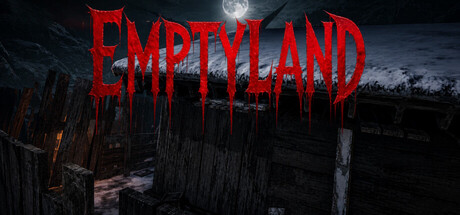 EMPTYLAND In-game content audio | Some voice audio in EMPTYLAND was created using generative artificial intelligence tools. AI-generated voices are used as part of the game's narrative and in-game audio experience. | GAMEPAGE | - | Oct 1, 2026 | |
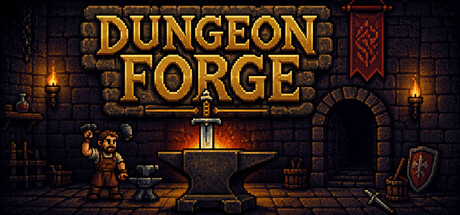 Dungeon Forge Store/marketing art | AI was used to create pre-generated artwork for Steam Community Items, including Trading Cards. | Rogue Against World | - | Oct 1, 2026 | |
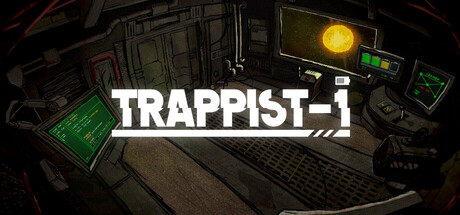 TRAPPIST-1 In-game content art | AI was used to assist with coding and to create some textures, which were later reworked by the developer.
The game does not generate AI content in real time | Systm | - | Oct 1, 2026 | |
 go Up Dev only code | This game uses generative AI to write code. | yee | - | Oct 1, 2026 | |
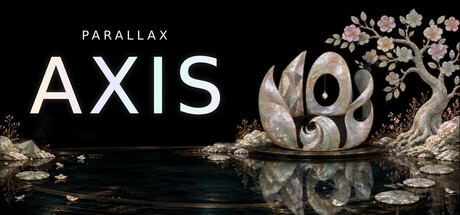 Parallax In-game content artaudio | Generative AI tools were used during development to create and refine some pre-generated visual assets, music, sound effects, and promotional artwork. No text or narrative content was generated using AI. All AI-assisted materials were reviewed, edited, and integrated by the development team. The game does not use generative AI at runtime, and no player input or personal data is sent to any AI service. | NEUTWORK | - | Oct 1, 2026 | |
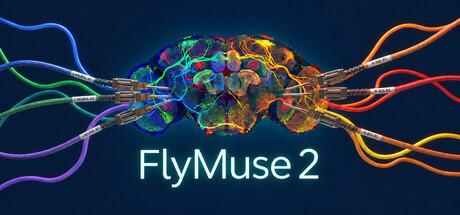 FlyMuse 2 Unclear | This game contains a neural network model. | XieXing Game | - | Oct 1, 2026 | |
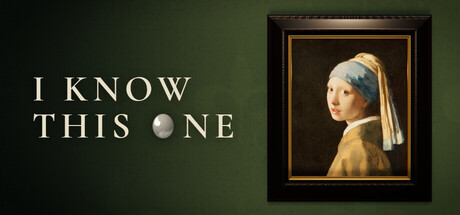 I Know This One (IKTO) In-game content arttext | The altered paintings ("forgeries") were made by editing public-domain museum scans with generative AI image tools. Each one was reviewed by hand, colour-matched to its original scan and, where possible, composited back onto that scan so that only the altered detail differs. Some in-game English text (the questions that appear beside the paintings) and parts of this store description were drafted with an AI writing assistant and edited by the developer. The capsule art and screenshots are frames rendered by the game itself; the capsule art shows one of the AI-edited paintings. Nothing is generated by AI while the game runs. | JoMi | - | Oct 1, 2026 | |
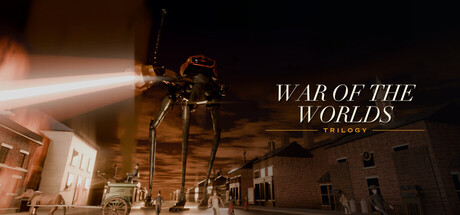 War Of The Worlds Trilogy Unclear | Assisted with all aspects of development | Invirtu Labs | - | Oct 1, 2026 | |
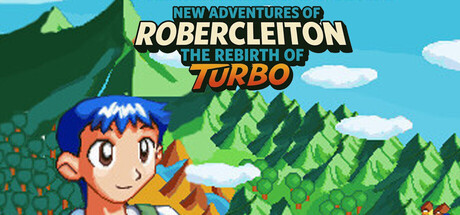 Novas Las Aventurietas Del Robercleiton: O Renascimento do TURBO Complete and Remade Edition In-game content arttext | I replaced some of the images with AI-generated ones and translated the game with the help of AI as well. | Rafael Mori Neiva | - | Oct 1, 2026 | |
 Don't Press It Unclear art | We generated some illustrations. | Red Devil Studios | - | Oct 1, 2026 | |
 New World Trading Company | Some smaller smaller graphical elements in the game utilize gen AI. | Kokoon Games | - | Sep 30, 2026 | |
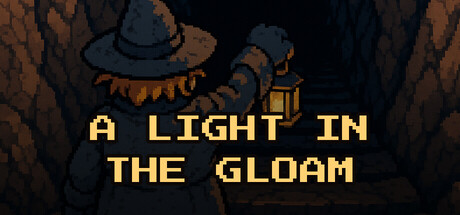 A Light in the Gloam In-game content artaudiotext | A Light in the Gloam uses pre-generated AI content. Nothing is generated while the game is running, and the game makes no network calls of any kind.
Visual art: all in-game art was generated with OpenAI's image model (gpt-image-1) from prompts written by hand, then processed by our own scripts, which downscale it, quantise it to a fixed palette and trim it before it is placed in the game. This covers 14 character portraits, 43 enemy and boss sprites, 63 item icons, 27 wall, floor and ceiling textures, 10 dungeon props, 21 achievement emblems, and 14 town and title backdrops. The store capsules and the client icons are crops of the title-screen generation rather than new images.
Music and sound: all 14 music tracks were generated with ElevenLabs' music model and all 47 sound effects with ElevenLabs' sound-effects model, both from written prompts and both post-processed by our own scripts for level and length. There is no voice acting and no synthesised speech anywhere in the game.
Writing and translation: the game's text, meaning item and monster descriptions, dialogue, menus and the story, was written with the assistance of a large language model and then edited by hand. The Brazilian Portuguese translation was produced the same way and reviewed against the English. | Petersen Projects | - | Sep 30, 2026 | |
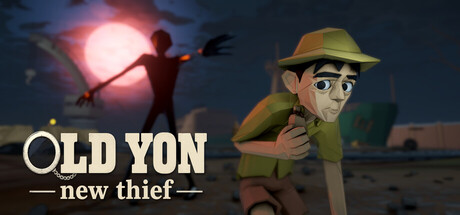 Old Yon. New thief In-game content arttext | Some character portraits were created with generative AI. AI tools were also used to help write and translate the store page and to translate the game's text. The story and dialogue were written by our team. | BoneApps | - | Sep 30, 2026 | |
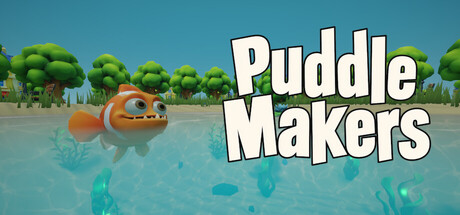 Puddle Makers In-game content art | AI has been used as a helper tool for the art production pipeline, all assets were reviewed and adjusted to fit the game. | Yominoid | - | Sep 30, 2026 | |
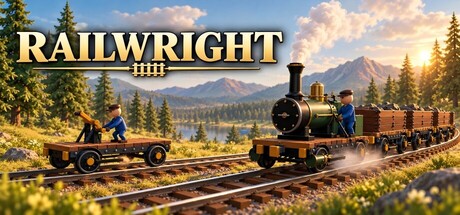 Railwright Store/marketing art | Generative AI tools were used to assist in creating and iterating on selected promotional artwork and graphical assets for Railwright, including materials used on the Steam store page and related marketing. Gameplay screenshots shown on the store page are captured from the actual game. Railwright does not use generative AI to generate content during gameplay. | Piu Entertainment | - | Sep 30, 2026 | |
 Backrooms Adventure In-game content arttextaudio | Some of this game's content was created with the help of generative AI tools during development:
- Artwork: some of the visual art in the game.
- Text: parts of the in-game writing, and the Simplified Chinese translation.
- Audio: a small number of sound effects. Most of the game's sound was made without AI.
Nothing is generated by AI while you play. | Glycine | - | Sep 30, 2026 | |
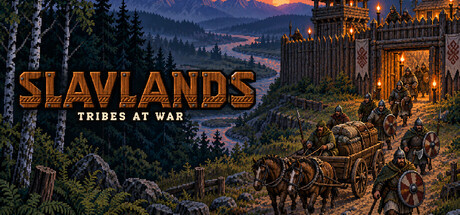 Slavlands: Tribes at War In-game content audioart | Gród is designed, built and tested by a solo developer. Every rule, system and pixel of the game follows my own vision.
AI tools helped with parts of the production: the voice lines, the music and some store artwork were created with generative AI, then selected, edited and fitted into the game by me. The in-game pixel art is drawn by the game's own code, with no AI image generators.
Screenshots and GIFs show real gameplay. The game does not use generative AI while you play. | SAD Games Studio | - | Sep 30, 2026 | |
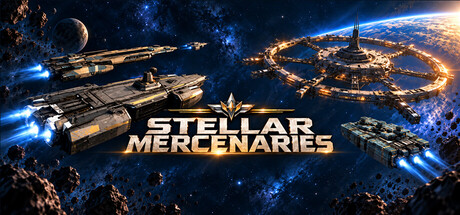 星際傭兵團 In-game content art | Generative AI assisted in creating some in-game and promotional assets. All such content was reviewed and edited by the developer. The game does not generate AI content during gameplay or connect to external AI services. | 鉅墨遊戲JUMO GAMES | - | Sep 30, 2026 | |
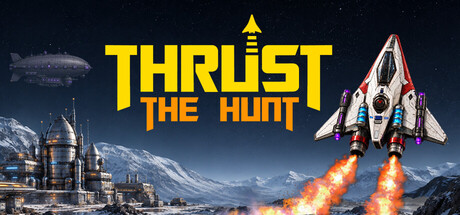 Thrust: the Hunt In-game content artaudiotext | Generative AI tools were used to assist in the creation and refinement of some pre-rendered artwork and interface elements. AI-generated music is also used, and AI tools assisted with store-page text and localization. All AI-assisted content was selected, edited, and reviewed by the developer. The game does not generate AI content during gameplay. | ZIG GAMES | - | Sep 30, 2026 | |
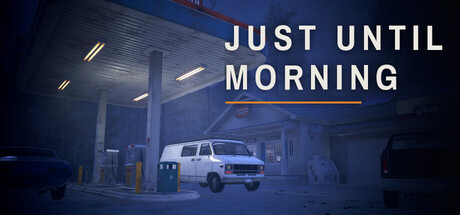 JUST UNTIL MORNING In-game content textaudio | The game's story, design and text were created by the developer. Generative AI was used as an assistant when writing the text of this store page and of the game, and to translate it into 12 languages; all of it was reviewed and edited by the developer. One song on the car radio ("Broken Hearts and Blue Moons", licensed from Pixabay) was produced by its author with generative AI. No content is generated while you play. | Alexframe | - | Sep 30, 2026 | |
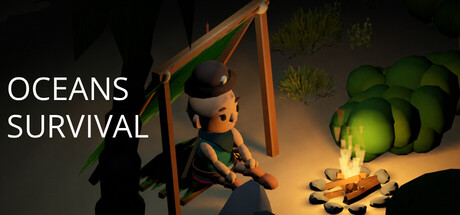 Oceans - Survival In-game content codeart | This game was made possible due to generative AI coding. It uses generative AI for the code base and procedural environmental generation but is limited to that. Models and music have been manually created. | Albin Renlund | - | Sep 30, 2026 | |
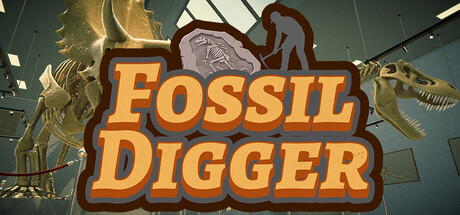 Fossil Digger In-game content text | Translation was supported by AI tools. | Yagni Lab | - | Sep 30, 2026 | |
 Walled Project: K In-game content text | Assists in localization | Kitchan | - | Sep 30, 2026 | |
 Backrooms Blocks Unclear | The direction of this game has been altered by artificial intelligence | Snarl | - | Sep 30, 2026 | |
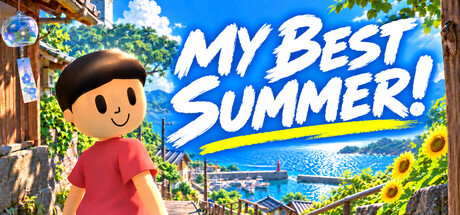 俺の最高の夏! In-game content arttext | Generative AI was used to assist in the creation of some in-game images, textures, dialogue, store page text, and localization. All AI-assisted content was reviewed, edited, and implemented by the developer. No live-generated AI content is used during gameplay. | Akaji Games | - | Sep 30, 2026 | |
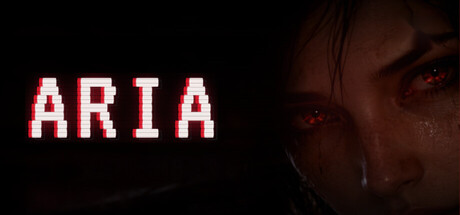 ARIA Live AI textaudioart | ARIA's dialogue and speech are generated on the player's own machine at runtime by a language model and a text-to-speech voice that ship with the game. Nothing is sent to an external service and no player data leaves the machine. What ARIA says is constrained to the station's fiction and to evidence the player has actually found in-game. Some art, audio and text assets in the game were produced with AI tools and reviewed by the developer before shipping. | Dreamtime Game Studios | - | Sep 30, 2026 | |
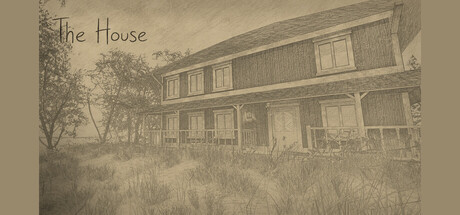 The House In-game content art | Generative AI tools were used during development to assist in the creation of some visual and 3D assets. All generated content was reviewed, edited, and integrated by the developer. | Meercraft | - | Sep 30, 2026 | |
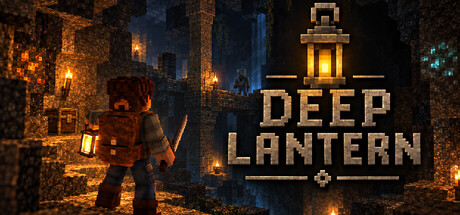 Deep Lantern In-game content art | Deep Lantern contains some pre-generated visual assets created or assisted with generative AI, including certain textures, interface or illustrative visual elements, which were then reviewed, edited, and integrated manually by the developer.
The game does not use live generative AI during gameplay, and players cannot generate content in-game using AI. | Deep Lantern | - | Sep 30, 2026 | |
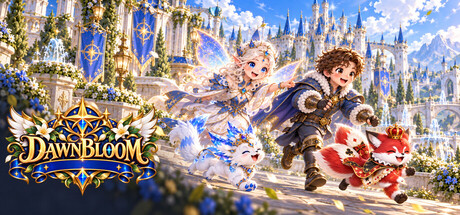 光与绽森语 Live AI text | DAWNBLOOM uses generative AI-assisted tools during the development of certain game content. The in-game “Dawnbloom Spirit” feature connects to a generative AI service to provide real-time text responses to players’ game-related questions, including game knowledge, gameplay explanations, and general guidance. This feature generates auxiliary text content only. It does not generate or modify game code, nor does it directly control game rules, character data, or player assets. | DAWNBLOOM Studio | - | Sep 30, 2026 | |
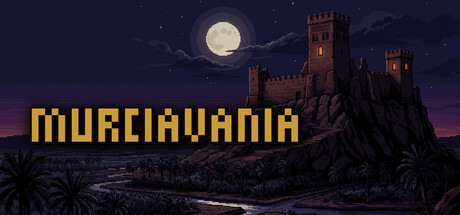 Murciavania In-game content artaudiotextcode | Generative AI was used during development. Part of the graphics (characters, enemies, bosses, icons, room backgrounds and backdrops) was created with image-generation tools: Google Gemini, OpenAI ChatGPT and a locally run Stable Diffusion model. Part of the music was created with audio-generation tools (Google Gemini). Part of the code, room layouts and texts were written with the help of an AI assistant. The developer reviewed, cut, retouched and hand-adjusted all of this material before adding it to the game. The game does not generate any AI content while it is being played. | Manuel Manzano | - | Sep 30, 2026 | |
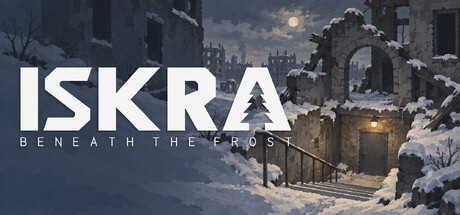 ISKRA: Beneath The Frost In-game content art | ISKRA currently includes AI-generated artwork prepared during development. We plan to replace this artwork with work created by human artists before leaving Early Access, giving the game the individual artistic identity we envision. | The Zioms Media | - | Sep 30, 2026 | |
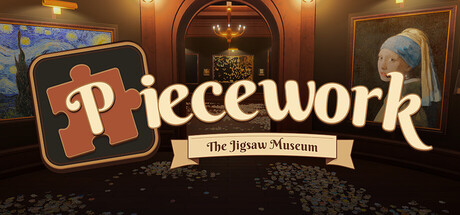 Piecework: The Jigsaw Museum In-game content text | We used AI as a supporting tool to translate and proofread the in-game text. Every translation was reviewed and adjusted by our team before it went into the game. | Warbyte Studios | - | Sep 30, 2026 | |
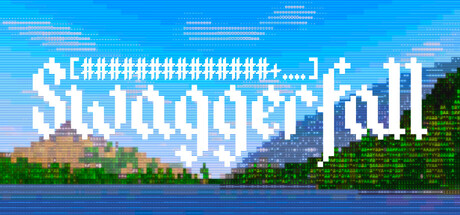 Swaggerfall In-game content textart | The game engine is written with substantial AI assistance.
Some dialogues and quest texts are AI generated, and are successively replaced by human-written dialogue. Every piece of flavor text has a label that states the author (human or ai).
The 3D character models are currently generated with AI, and then transformed through a custom pipeline to work with the text-based graphics and CPU rendering. It is possible to replace them with manually crafted models. | holonaut | - | Sep 30, 2026 | |
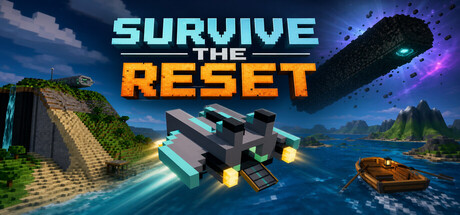 Survive The Reset Dev only code | AI tools helped write the game's code | Thisisdemo | - | Sep 30, 2026 | |
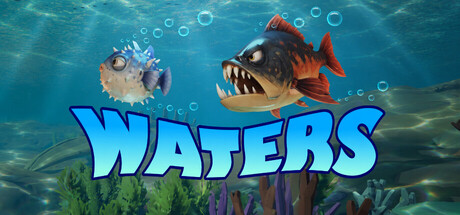 Waters Store/marketing art | Generative AI tools were used to assist in creating selected store and promotional artwork. All such assets were subsequently edited, modified and finalized by a human artist. The game itself does not generate AI content at runtime. | Mad Wizards | - | Sep 30, 2026 | |
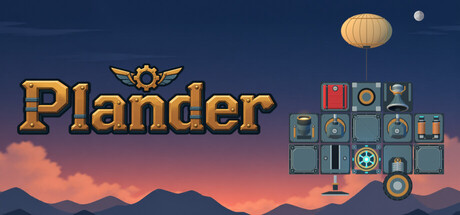 Plander In-game content art | AI-assisted tools were used during development to help create visual assets. These assets are included as finished content; the game does not use generative AI during gameplay. | https://shortstorygames.eu | - | Sep 30, 2026 | |
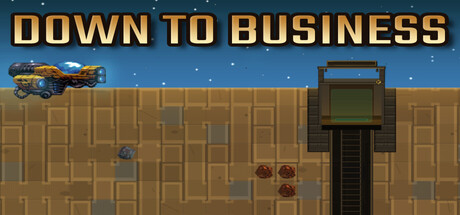 Down to Business Dev only artcode | AI assistance was limited to Python programming, including code that helps to draw environments and visual effects in Pygame. These visuals are rendered in code entirely in Python.
Sprite artwork and sound effects were created without generative AI and are sourced from licensed third-party assets.
The soundtrack for the game and trailer was composed specifically for the project in FL Studio.
No generative AI models run in the game or generate content during gameplay. | Tuftsy Studios | - | Sep 30, 2026 | |
 Cozy Cockpit In-game content art | Generative AI tools were used during development to assist with the creation of some pre-generated visual artwork. AI-assisted artwork is substantially edited, painted over, composited, and finalized by the developer before inclusion in the game. No generative AI is used to create content during gameplay. | MR FUTURE GAMES | - | Sep 30, 2026 | |
 Odyssey Wars In-game content audiotext | The campaign's spoken dialogue is AI-generated speech. Over 650 lines were produced with ElevenLabs under a paid plan that licenses commercial use of the output. I wrote every line of that dialogue myself - the writing is mine, the performance is synthetic. I would prefer human voice actors and intend to replace these recordings when the project can afford it.
No AI-generated art ships in the game. Every ship, station and environment mesh is either licensed art or made by me. A set of AI-generated 3D models was removed from the project in July 2026.
The combat and zone music tracks are AI-generated songs I made with Suno on a paid plan that grants commercial-use rights to the output. The remaining music and all sound effects are licensed audio packs and my own work. | Doidge Interactive | - | Sep 30, 2026 | |
 Red Settle In-game content audio | As a solo developer with a very limited budget, the character voices were temporarily generated using AI voice synthesis (ElevenLabs).
Our goal is to replace all generated voices with performances by human voice actors as soon as the project secures sufficient funding (through sales, crowdfunding, or community support). Thank you for your understanding and for supporting indie game development!
No generative AI content is created in real time while the game is running. | Jessy Software | - | Sep 30, 2026 | |
 MemTown In-game content art | Some 3D models and textures in MemTown were created or converted with the assistance of generative AI during development. These assets are used for certain tools, capture capsules, resource objects, and production facilities in the territory. | Mememememem | - | Sep 30, 2026 | |
 GroundHog Simulator Unclear | we have use ai to develop this game | groundhogheist | - | Sep 30, 2026 | |
 Last Acre In-game content artcode | Generative AI is used to story board, code, analyze code, analyze performance, create thumbnails and many basic tasks like that to speed up workflows. We pay human artists for things like zombies, guns, props, static meshes etc. | Aftermath Development | - | Sep 30, 2026 | |
 Archival Security In-game content artcode | Some background environment props and their textures (signage, lamps,
surfaces, decals and small set-dressing objects) were generated with AI
assistance, using AI written procedural code rather than an image or mesh
generator. They ship with the game as scenery.
Everything else is the developer's own work: all writing and in-game text,
game design, game code, audio and sound design, the visual identity, and all
store page art.
No AI generated content is produced while the game is running. | Donewasting | - | Sep 30, 2026 | |
 ArkSeed Terraformery Unclear | Various usages of LLM's and Generative Ai used in development | MindWroughtGames | - | Sep 30, 2026 | |
 Black Hole Simulator In-game content textart | AI was used for localization, generating achievement textures, and the title card in the trailer. | Black Hole Simulator | - | Sep 30, 2026 | |
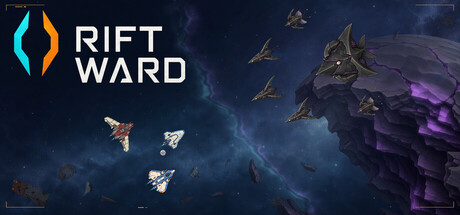 Rift Ward In-game content artaudio | The music and much of the artwork in Rift Ward were created with generative AI tools, then chosen and edited. | Shamak | - | Sep 30, 2026 | |
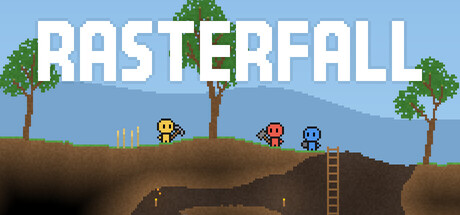 Rasterfall Dev only codetext | We use generative AI for coding and translation. | Ota Mato | - | Sep 30, 2026 | |
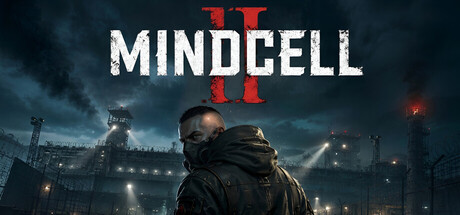 Mindcell Store/marketing art | AI was used generate and polish store page graphic assets | VenomizedArt | - | Sep 30, 2026 | |
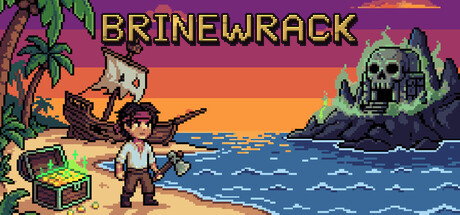 Brinewrack In-game content arttext | Pre-generated content: the pixel art (characters, animations, tiles, props, UI frames) and the store capsule art were made with the help of an AI pixel-art tool, then selected, edited and assembled by the developer. Store page texts and their translations were drafted with AI assistance and reviewed by the developer. The game does not generate any content with AI while you play. Music, sound effects and fonts are licensed assets made by people. | Ninebark | - | Sep 30, 2026 |


