Public Steam disclosure research25,376 disclosures tracked
Where do games disclose AI use?
Search developers’ Steam disclosures, compare classified AI use across
games, and follow recorded changes.
This index adds cross-game classifications and statistics to
statements published on individual store pages.
Groups reflect automatic analysis of public disclosures; mature records are excluded. These counts do not measure AI use across all of Steam.
Missing or unclear statements cannot establish whether a game uses AI.
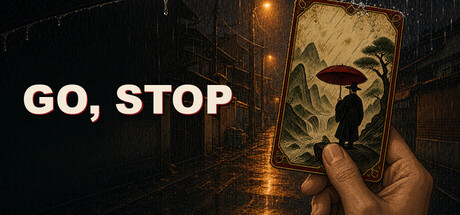
All 2D artwork (hwatu card illustrations, character portraits, backgrounds) and music tracks were created using generative AI tools, then curated, edited, and assembled by the developer. All AI content is pre-rendered during development — nothing is generated live at runtime. Localization was machine-assisted and human-reviewed. Store page assets were produced the same way.
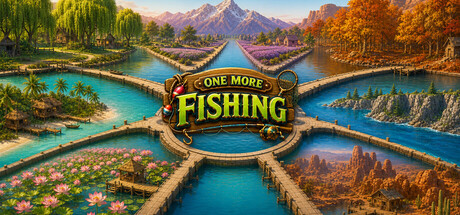
One More Fishing contains selected pre-generated content created or refined with generative AI tools during development. This includes selected in-game artwork and UI assets, selected Steam store and marketing artwork, audio assets such as music, ambience, sound effects and selected character voice lines, plus assistance with narrative and quest drafting and localization. All shipped content is selected, edited and integrated before release.
The game does not use live-generated AI. It does not contact generative AI services while running and does not send player prompts or player data to such services. At runtime it only loads, selects, animates, processes and mixes fixed content prepared before shipping.
Partial artwork uses generative AI assistance. Scripts are fully original written by the developer. Background music is CC0 public domain material, no in-game real-time AI generation.
Generative AI tools were used during development to assist in creating selected pre-generated 2D artwork used in the game and on the store page, including promotional illustrations and some visual assets. AI-assisted localization drafts were also used and subsequently reviewed and integrated by the developer. All included content was selected, edited, and prepared before release. The game does not generate AI content while running.
Character portraits are entirely hand-drawn by artists. Background assets are created using AI as preliminary sketches, then comprehensively revised and manually reworked to achieve consistent art style.
This game includes optional local AI features:
Text Generation: A local language model periodically generates in-game short story events based on the player's typing activity.
Image Generation: A local image generation model may probabilistically generate illustrations for the corresponding story when a story event is triggered.
The AI features are purely an advanced option; whether you use them or not does not affect the core gameplay experience.
Generative AI tools were used only as a development assistant to help prototype and refine accessibility-related code and interface behavior. The game does not include AI-generated narrative, artwork, audio, characters, translations, or live-generated AI content.
All art, music and story are 100% human created. All voice acting has a live voice actor recording/performance for every line of dialogue, voice changers were used on certain characters to pitch the sound higher or lower to better suit those specific characters. Some artist-created hand-painted assets were positioned into specific starting poses and ending poses, with in-between frames generated (affecting less-than 1% of the game animations, majority (99%) are animated by hand using 2D-bone-rigging and frame-by-frame animation), some generated in-between frames were then hand-painted over before being included in the game.
Generative AI tools were used during development to create all visual artwork, sound effects, and music in Matchinko, including artwork used in store and marketing materials. AI tools also assisted with code, debugging, and drafts of some written content. All generated material was reviewed, selected, edited, tested, and integrated by the developer before inclusion. The game does not generate content using AI at runtime, connect to external AI services during play, or send player data to AI systems.
Parts of this game's artwork and audio were created with the help of generative AI tools and then selected, edited and assembled by hand. This covers the comic panels, the character portraits, the store and library artwork, and the music and sound effects. No content is generated while the game is running.
During the development of this game, generative AI technologies were utilized as auxiliary tools to optimize production and enhance the overall quality of the final product. AI was used in the following areas:
Visual Art & Assets: Generative tools were used during the concept art stage to create baseline character portraits, user interface elements, and background images of government offices. All AI-generated assets underwent manual digital painting, color correction, and stylization to fit the game's distinct, gritty political noir atmosphere.
Text & Narrative Design: AI assistants were employed for copyediting, historical context verification, dialogue polishing, and structuring large volumes of text to ensure the narrative feels immersive, realistic, and deeply engaging.
Coding & Scripting: AI tools helped optimize Godot engine source code, identify bugs, and accelerate the technical implementation of dynamic UI systems.
Important Note: The game contains only pre-generated content. There is no live-generated AI content running during gameplay. The game experience is fully deterministic, stable, and hardcoded within the final build by the developer.
Pre-generated generative AI tools were used during development to assist in creating and editing some 2D visual assets, including backgrounds, character images, scene variations, and promotional artwork. AI tools were also used to assist with drafting, editing, and localization of some text. All final content was selected, reviewed, and edited by the developer before inclusion. No generative AI is used during gameplay, and players cannot generate content in the game.
Parts of this game's audio and art were produced with generative AI tools and then reviewed, edited and finished by hand before shipping:
- Music: the background tracks were generated with an AI music tool (Suno) from our own briefs, then selected, trimmed, loudness-matched and looped by hand.
- Sound effects: part of the SFX layers were generated with an AI audio tool (ElevenLabs) and combined with locally synthesised layers, then mixed and balanced by hand.
- Visual effects and some enemy animation frames were AI-assisted and then corrected frame by frame against our approved art direction.
- The marketing key art used for the store capsules and library artwork was generated with an AI image tool, using our own approved character art and real in-game screenshots as references. The trailer narration voice is AI-generated.
No generative AI runs while you play: nothing is generated at runtime, and the game never sends your data to an AI service.
All game design, code, Chinese text, card and character data, the decomposition data behind the composing system, the interface and the calligraphy fonts are human-authored. Every screenshot and all gameplay footage is captured from the real build.
Some 2D artwork, including character, enemy, map, user-interface, icon, and visual-effect source images, was created with the assistance of generative AI tools during development. Every shipped asset is selected, edited, integrated, and reviewed by the development team for visual consistency, gameplay readability, and rights compliance. The game does not generate content with AI while it is running and does not send player prompts to an AI service.
Machine translation has been used for language localization.
Some background elements, such as grass and trees, were created using AI-generated images and then manually edited and refined.
Johnny Jagung uses generative AI across much of its content. The visual art (character, enemy, boss, and UI artwork), music, sound effects, in-game text, and Indonesian translation were all created with the help of generative AI tools, then reviewed, curated, and assembled into the game by the developer — for instance, character art is hand-edited, composited, and animated from generated source images. All AI-generated content is created during development; the game does not generate anything live while you play.
The developer used generative AI tools during the development process to assist in coding, generate and retouch art assets, write game text, and create background music, voiceovers, and sound effects. All AI-generated assets have been reviewed, edited, and curated by the developer.
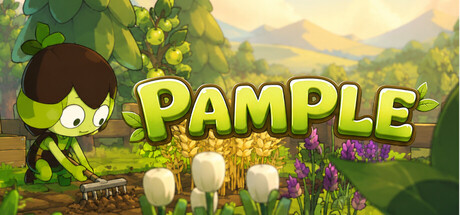
Some images and UI elements in Pample were created with the help of generative AI tools. The rest of the game's content was made by the developer, and all AI-assisted assets were reviewed and curated by hand.
This game uses AI tools in the following ways:
Music: Composed using Suno.
Code: Written and debugged with AI assistance.
Art: Created with AI assistance.
All AI-assisted content was reviewed, edited, and finalized by the developer.
Generative AI is used only during development to create and refine certain visual assets, including textures, icons, and UI elements. All generated materials are reviewed and edited by the developer when necessary before being added to the game. AI does not generate content during gameplay or process user data.
Generative AI is used to post-process capsule and marketing artwork on this game's Steam page; the underlying compositions and creative direction are the developer's own.
Ruthless Returns is a solo-developed game built and refined over hundreds of hours. The original version was created on paper in 2022, but at the time I did not have the resources to turn it into a full game.
Early prototypes used licensed images with a simple painted treatment. It worked, but the visual style was ultimately shaped by whatever suitable assets were available. Generative AI made it possible to create artwork specifically for Ruthless Returns and give the game a much more consistent look and feel from top to bottom. AI was used for the card artwork and character voices.
That also made it possible for me to finally turn the original paper concept into a PC game. If players enjoy it, I hope to take it full circle and eventually produce Ruthless Returns as a physical board game.
Balancing combines extensive human playtesting with more than 500,000 simulated games. The simulations were used to analyze win rates, card strength, strategies and interactions across a much larger number of matches than manual playtesting alone could realistically cover.
During the development of this game, some 3D scene models were created with the assistance of the Rodin AI Hyper tool. All AI-generated base models have undergone manual adjustment, optimization, and review by our development team to ensure they conform to the game’s artistic style and quality standards
AI support was used solely for coding support during the game's development process. There is no AI system actively running during gameplay, generating real-time content, or connecting to an external AI service. Beyond the game's coding, the graphics, story, music, and other creative content were entirely created by human effort.
Generative tools were used to create and refine selected 2D illustrations, music, sound effects, localization, and store text. All materials were reviewed and edited by the developer. The game does not generate content using AI or connect to generative AI services during gameplay.
AI Generated Content Disclosure
The developers of LIGHT IT provide the following disclosure regarding the use of AI tools in the creation of this game. All AI-assisted content is pre-generated; the game does not generate any AI content live during gameplay.
Music: The in-game music was produced using Suno, an AI music-generation tool.
Art: Some visual assets were created with the assistance of AI image-generation tools.
Code: AI assistants were used to help brainstorm implementation ideas and to assist with debugging.
All AI-assisted content and code was reviewed, tested, and refined by the developer before being included in the final game.
Generative AI was used as an assistive tool during development for selected visual assets, promotional materials, and text drafts. All resulting content was reviewed, edited, and integrated by the developer. The game does not generate content during gameplay and does not connect to third-party AI services.
This game uses generative AI in limited, non-gameplay-critical areas:
- AI-assisted code refactoring and performance optimization during development
- AI-assisted translation polishing for multi-language support
- UI layout refinement suggested by AI tools during the design process
All core gameplay logic, the unique drawing-and-deduction design, and all original game artwork were created, reviewed and refined by human developers.
Some illustrations used in the game's introductory sequence were created with the assistance of generative AI. All such assets were reviewed, refined where necessary, and integrated by the developer before being included in the game.
About Generative AI
During development, we used generative AI tools to assist in creating some art assets, text copy, and voice-over segments. All AI‑generated content has been reviewed, modified, and refined item by item by our design team to ensure it meets the game’s overall style and quality standards, and final approval was carried out manually before release.
We have taken necessary measures to ensure that no AI‑generated content infringes upon any third‑party copyrights, trademarks, or other legal rights.
All in-game illustrations (character portraits, NPC and monster art, location and item images, key art) were pre-generated during development using generative AI tools and manually curated by the developer. The game does not create AI-generated content at runtime.
It was found that some character art pieces in the game used AI references after artists received explicit instruction and legal binding not to use AI.
This will be rectified in the future. I am committed to providing a game without AI usage.
Im a solo indie dev, so I used IA tools for better usage of production time. I used code tools to make it easier to implement mechanics. I used Art IA tools to make starting points from where I can work on top. I used Sound IA tools to make music for this game.
Of course all these is because im a solo dev. Im planning to contract a team in the future if Im able to.
Generative AI tools were used during development to assist with the game's custom C# code, gameplay systems, UI structure and layout, in-game written content, official word list, localization in nine languages, and draft store-page copy.
All AI-assisted outputs were reviewed, edited, tested, and integrated by the developer. Visual art, icons, fonts, music, and sound effects are separately licensed third-party assets.
No generative AI is used during gameplay, and the game does not connect to external AI services.
AI image-generation tools were used to create the background illustrations, card illustrations, and other visual assets for this game. AI tools were also used to produce the background music (BGM), based on melodies I composed.
All 2D artwork (hwatu card illustrations, character portraits, backgrounds) and music tracks were created using generative AI tools, then curated, edited, and assembled by the developer. All AI content is pre-rendered during development — nothing is generated live at runtime. Localization was machine-assisted and human-reviewed. Store page assets were produced the same way.
One More Fishing contains selected pre-generated content created or refined with generative AI tools during development. This includes selected in-game artwork and UI assets, selected Steam store and marketing artwork, audio assets such as music, ambience, sound effects and selected character voice lines, plus assistance with narrative and quest drafting and localization. All shipped content is selected, edited and integrated before release.
The game does not use live-generated AI. It does not contact generative AI services while running and does not send player prompts or player data to such services. At runtime it only loads, selects, animates, processes and mixes fixed content prepared before shipping.
Partial artwork uses generative AI assistance. Scripts are fully original written by the developer. Background music is CC0 public domain material, no in-game real-time AI generation.
Generative AI tools were used during development to assist in creating selected pre-generated 2D artwork used in the game and on the store page, including promotional illustrations and some visual assets. AI-assisted localization drafts were also used and subsequently reviewed and integrated by the developer. All included content was selected, edited, and prepared before release. The game does not generate AI content while running.
Character portraits are entirely hand-drawn by artists. Background assets are created using AI as preliminary sketches, then comprehensively revised and manually reworked to achieve consistent art style.
This game includes optional local AI features:
Text Generation: A local language model periodically generates in-game short story events based on the player's typing activity.
Image Generation: A local image generation model may probabilistically generate illustrations for the corresponding story when a story event is triggered.
The AI features are purely an advanced option; whether you use them or not does not affect the core gameplay experience.
Generative AI tools were used only as a development assistant to help prototype and refine accessibility-related code and interface behavior. The game does not include AI-generated narrative, artwork, audio, characters, translations, or live-generated AI content.
All art, music and story are 100% human created. All voice acting has a live voice actor recording/performance for every line of dialogue, voice changers were used on certain characters to pitch the sound higher or lower to better suit those specific characters. Some artist-created hand-painted assets were positioned into specific starting poses and ending poses, with in-between frames generated (affecting less-than 1% of the game animations, majority (99%) are animated by hand using 2D-bone-rigging and frame-by-frame animation), some generated in-between frames were then hand-painted over before being included in the game.
Generative AI tools were used during development to create all visual artwork, sound effects, and music in Matchinko, including artwork used in store and marketing materials. AI tools also assisted with code, debugging, and drafts of some written content. All generated material was reviewed, selected, edited, tested, and integrated by the developer before inclusion. The game does not generate content using AI at runtime, connect to external AI services during play, or send player data to AI systems.
Parts of this game's artwork and audio were created with the help of generative AI tools and then selected, edited and assembled by hand. This covers the comic panels, the character portraits, the store and library artwork, and the music and sound effects. No content is generated while the game is running.
During the development of this game, generative AI technologies were utilized as auxiliary tools to optimize production and enhance the overall quality of the final product. AI was used in the following areas:
Visual Art & Assets: Generative tools were used during the concept art stage to create baseline character portraits, user interface elements, and background images of government offices. All AI-generated assets underwent manual digital painting, color correction, and stylization to fit the game's distinct, gritty political noir atmosphere.
Text & Narrative Design: AI assistants were employed for copyediting, historical context verification, dialogue polishing, and structuring large volumes of text to ensure the narrative feels immersive, realistic, and deeply engaging.
Coding & Scripting: AI tools helped optimize Godot engine source code, identify bugs, and accelerate the technical implementation of dynamic UI systems.
Important Note: The game contains only pre-generated content. There is no live-generated AI content running during gameplay. The game experience is fully deterministic, stable, and hardcoded within the final build by the developer.
Pre-generated generative AI tools were used during development to assist in creating and editing some 2D visual assets, including backgrounds, character images, scene variations, and promotional artwork. AI tools were also used to assist with drafting, editing, and localization of some text. All final content was selected, reviewed, and edited by the developer before inclusion. No generative AI is used during gameplay, and players cannot generate content in the game.
Parts of this game's audio and art were produced with generative AI tools and then reviewed, edited and finished by hand before shipping:
- Music: the background tracks were generated with an AI music tool (Suno) from our own briefs, then selected, trimmed, loudness-matched and looped by hand.
- Sound effects: part of the SFX layers were generated with an AI audio tool (ElevenLabs) and combined with locally synthesised layers, then mixed and balanced by hand.
- Visual effects and some enemy animation frames were AI-assisted and then corrected frame by frame against our approved art direction.
- The marketing key art used for the store capsules and library artwork was generated with an AI image tool, using our own approved character art and real in-game screenshots as references. The trailer narration voice is AI-generated.
No generative AI runs while you play: nothing is generated at runtime, and the game never sends your data to an AI service.
All game design, code, Chinese text, card and character data, the decomposition data behind the composing system, the interface and the calligraphy fonts are human-authored. Every screenshot and all gameplay footage is captured from the real build.
Some 2D artwork, including character, enemy, map, user-interface, icon, and visual-effect source images, was created with the assistance of generative AI tools during development. Every shipped asset is selected, edited, integrated, and reviewed by the development team for visual consistency, gameplay readability, and rights compliance. The game does not generate content with AI while it is running and does not send player prompts to an AI service.
Machine translation has been used for language localization.
Some background elements, such as grass and trees, were created using AI-generated images and then manually edited and refined.
Johnny Jagung uses generative AI across much of its content. The visual art (character, enemy, boss, and UI artwork), music, sound effects, in-game text, and Indonesian translation were all created with the help of generative AI tools, then reviewed, curated, and assembled into the game by the developer — for instance, character art is hand-edited, composited, and animated from generated source images. All AI-generated content is created during development; the game does not generate anything live while you play.
The developer used generative AI tools during the development process to assist in coding, generate and retouch art assets, write game text, and create background music, voiceovers, and sound effects. All AI-generated assets have been reviewed, edited, and curated by the developer.
Some images and UI elements in Pample were created with the help of generative AI tools. The rest of the game's content was made by the developer, and all AI-assisted assets were reviewed and curated by hand.
This game uses AI tools in the following ways:
Music: Composed using Suno.
Code: Written and debugged with AI assistance.
Art: Created with AI assistance.
All AI-assisted content was reviewed, edited, and finalized by the developer.
Generative AI is used only during development to create and refine certain visual assets, including textures, icons, and UI elements. All generated materials are reviewed and edited by the developer when necessary before being added to the game. AI does not generate content during gameplay or process user data.
Generative AI is used to post-process capsule and marketing artwork on this game's Steam page; the underlying compositions and creative direction are the developer's own.
Ruthless Returns is a solo-developed game built and refined over hundreds of hours. The original version was created on paper in 2022, but at the time I did not have the resources to turn it into a full game.
Early prototypes used licensed images with a simple painted treatment. It worked, but the visual style was ultimately shaped by whatever suitable assets were available. Generative AI made it possible to create artwork specifically for Ruthless Returns and give the game a much more consistent look and feel from top to bottom. AI was used for the card artwork and character voices.
That also made it possible for me to finally turn the original paper concept into a PC game. If players enjoy it, I hope to take it full circle and eventually produce Ruthless Returns as a physical board game.
Balancing combines extensive human playtesting with more than 500,000 simulated games. The simulations were used to analyze win rates, card strength, strategies and interactions across a much larger number of matches than manual playtesting alone could realistically cover.
During the development of this game, some 3D scene models were created with the assistance of the Rodin AI Hyper tool. All AI-generated base models have undergone manual adjustment, optimization, and review by our development team to ensure they conform to the game’s artistic style and quality standards
AI support was used solely for coding support during the game's development process. There is no AI system actively running during gameplay, generating real-time content, or connecting to an external AI service. Beyond the game's coding, the graphics, story, music, and other creative content were entirely created by human effort.
Generative tools were used to create and refine selected 2D illustrations, music, sound effects, localization, and store text. All materials were reviewed and edited by the developer. The game does not generate content using AI or connect to generative AI services during gameplay.
AI Generated Content Disclosure
The developers of LIGHT IT provide the following disclosure regarding the use of AI tools in the creation of this game. All AI-assisted content is pre-generated; the game does not generate any AI content live during gameplay.
Music: The in-game music was produced using Suno, an AI music-generation tool.
Art: Some visual assets were created with the assistance of AI image-generation tools.
Code: AI assistants were used to help brainstorm implementation ideas and to assist with debugging.
All AI-assisted content and code was reviewed, tested, and refined by the developer before being included in the final game.
Generative AI was used as an assistive tool during development for selected visual assets, promotional materials, and text drafts. All resulting content was reviewed, edited, and integrated by the developer. The game does not generate content during gameplay and does not connect to third-party AI services.
This game uses generative AI in limited, non-gameplay-critical areas:
- AI-assisted code refactoring and performance optimization during development
- AI-assisted translation polishing for multi-language support
- UI layout refinement suggested by AI tools during the design process
All core gameplay logic, the unique drawing-and-deduction design, and all original game artwork were created, reviewed and refined by human developers.
Some illustrations used in the game's introductory sequence were created with the assistance of generative AI. All such assets were reviewed, refined where necessary, and integrated by the developer before being included in the game.
About Generative AI
During development, we used generative AI tools to assist in creating some art assets, text copy, and voice-over segments. All AI‑generated content has been reviewed, modified, and refined item by item by our design team to ensure it meets the game’s overall style and quality standards, and final approval was carried out manually before release.
We have taken necessary measures to ensure that no AI‑generated content infringes upon any third‑party copyrights, trademarks, or other legal rights.
All in-game illustrations (character portraits, NPC and monster art, location and item images, key art) were pre-generated during development using generative AI tools and manually curated by the developer. The game does not create AI-generated content at runtime.
It was found that some character art pieces in the game used AI references after artists received explicit instruction and legal binding not to use AI.
This will be rectified in the future. I am committed to providing a game without AI usage.
Im a solo indie dev, so I used IA tools for better usage of production time. I used code tools to make it easier to implement mechanics. I used Art IA tools to make starting points from where I can work on top. I used Sound IA tools to make music for this game.
Of course all these is because im a solo dev. Im planning to contract a team in the future if Im able to.
Generative AI tools were used during development to assist with the game's custom C# code, gameplay systems, UI structure and layout, in-game written content, official word list, localization in nine languages, and draft store-page copy.
All AI-assisted outputs were reviewed, edited, tested, and integrated by the developer. Visual art, icons, fonts, music, and sound effects are separately licensed third-party assets.
No generative AI is used during gameplay, and the game does not connect to external AI services.
AI image-generation tools were used to create the background illustrations, card illustrations, and other visual assets for this game. AI tools were also used to produce the background music (BGM), based on melodies I composed.