Public Steam disclosure research25,376 disclosures tracked
Where do games disclose AI use?
Search developers’ Steam disclosures, compare classified AI use across
games, and follow recorded changes.
This index adds cross-game classifications and statistics to
statements published on individual store pages.
Groups reflect automatic analysis of public disclosures; mature records are excluded. These counts do not measure AI use across all of Steam.
Missing or unclear statements cannot establish whether a game uses AI.
Feltfall uses pre-generated AI content. The felt-style illustrations (characters, animals, cards, backgrounds and key visuals), enemy sprite animations, the logo and parts of the promotional videos were generated with generative AI image and video tools, then selected, retouched and composited by the developer. Some of the source code was written with the help of AI coding assistants and reviewed by the developer. No content is generated by AI while you play, and the game does not connect to any external AI service.
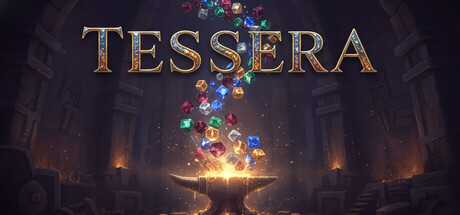
Some of Tessera's assets - including monster and character artwork, background art, gem and tile art, certain UI icons, and some audio - were created with the assistance of generative AI tools (Google Gemini) during development. These assets were reviewed, edited, curated, and integrated by the developer. Tessera does NOT generate any AI content live during gameplay; all AI-assisted content is pre-made and fixed in the build.
I built every environment, HUD and system in MOGGED by hand over months. I even placed the individual pingpong balls and the patches of grass myself.
But two things did involve AI: A few decals and icons, made for comedic effect. And several voice lines: narrator and NPC barks. If the game does well, I'm hiring proper voice acting.
Everything I did not make myself is properly licensed and credited to the people who did.
Below The Loop uses generative AI-assisted tools during development to create some visual assets and marketing artwork. These assets are pre-generated and reviewed and edited as part of the development process. The game does not use AI to generate content in real time during gameplay.
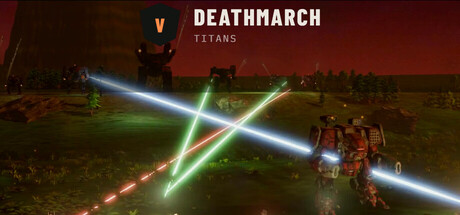
AI was used to create write parts of the game code and scripting, to refine mech textures, and for voiceover and audio content - to be used as placeholders while in playtests.
Generative AI was used as an assistive tool during development for selected visual assets and promotional materials. All AI-assisted content was reviewed and edited by the developer before use. No generative AI is used during gameplay, and the game does not connect to any external AI services.
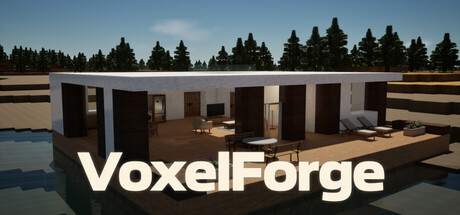
Generative AI tools were used during development to assist with some visual assets, including textures, 3D asset creation and store artwork, as well as store text and translations. Assets are reviewed and adapted before integration. VoxelForge does not generate AI content during play and does not connect to an external AI service during play.
I use AI as a "better search engine" for code snippets and design research, and to create examples I can mark up to show artists what I am looking for. Paid artists create the monsters, backgrounds and UI icons, and everything else is hand-created or downloaded from asset packs or is available from free art sites. The artists also use AI in their workflows.
Generative AI tools were used during development to assist with selected visual assets, written content, localization, and other parts of the production process. All AI-assisted content was reviewed, edited, and integrated by the developer. No generative AI content is created during gameplay.
This game uses generative AI tools to assist with the creation of some visual assets, promotional images, sound effects, and localization drafts. All AI-assisted content is reviewed, edited, and integrated by the developer before release. The game does not use generative AI to create real-time user-facing content during gameplay.
Part of the audio in this game is generated with AI: the music and some of the sound effects.
Part of the source code was also created with the help of AI during development, particularly to generate certain portions of code, fix errors, and assist with the implementation of certain features. The code used in the game is then reviewed, modified, and integrated manually.
Everything else is handmade: the monsters are drawn by hand and then recreated in 3D, the textures are hand-painted and sometimes slightly enhanced, the 3D models are procedural, every line of text in the game is written by me, the farmer's voice is mine, etc.
AI tools were used during the development of Slot Crawler to assist in creating select visual assets and promotional materials. Every AI-assisted element was reviewed, refined, and integrated by the developer to ensure consistency with the game’s artistic direction and quality standards.
Generative AI tools were used during development to help create some visual assets, including environment textures, branding and promotional artwork, as well as store copy and localization. These materials are selected, reviewed and integrated by the developer. Gameplay screenshots are captured from the game. No generative AI content is created during play, and the game does not connect to external AI services.
Spritesheets, translations, most of the music, and a handful of images are currently AI-generated. I hope to replace them all with human-made by the 1.0 release.
Generative AI tools are used during development to write and revise game code, create artwork, music and sound effects, and assist with writing and localization. This includes content in the game and its store and promotional materials. The developer directs and reviews the work before inclusion. No content is generated using generative AI during gameplay.
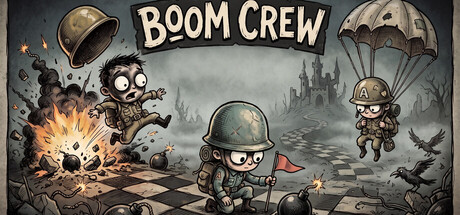
Some of the artwork in Boom Crew was created with the help of generative AI image tools. This covers character and object sprites, ground and paper textures, the game logo, and the capsule art on this store page. Every generated image was directed from hand-drawn mockups, then cut out, corrected and assembled by hand before it shipped. Code, level generation, on-screen text and audio contain no generative AI content, and nothing is generated live while you play.
The application itself does not use generative AI. Maps are produced by a deterministic, rule-based algorithm from signal analysis of the user's own audio file (tempo, beat grid, onsets, song structure); no machine-learning models are involved, and nothing is generated at runtime by AI.
Generative AI was used only for marketing: the animated scenes in the store trailer were produced with AI image and video tools from our own storyboard and prompts. Store screenshots are real captures of the application, and the capsule artwork was designed by hand.
Deepworks was made with the help of AI tools. Some of the game's art and audio were generated with AI and then reviewed and edited by the developer, and AI assisted with writing code. Nothing in the game is generated by AI while you play.
I'm an indie dev with a day job. Using AI made building this game possible. I built this game for the fun of it and have no interest in paying thousands or even hundreds of dollars to artists for a little side hobby.
An AI assistant helped write the code, the translations and the store page texts; everything was reviewed and tested by the developer. All in-game visuals and sounds are generated procedurally by the game's own code. AI is not used at runtime.
CyberSprawl: Survivors contains pre-generated visual art, written content, sound effects, and other assets created or assisted with generative AI tools, then curated and integrated by the development team. Generative AI also assists development, including code. No AI generates content during gameplay, and the game does not connect to external AI services while you play.
Vestibule's pixel art was generated with an AI art tool, with every design directed, refined, and hand-edited by the developer. Individual trailer and cinematic clips were generated with an AI video tool, built from the game's own artwork and developer-written scene descriptions — the final edit, scene sequencing, and music timing were done manually by the developer in After Effects. All game design, systems, writing, and code are original work.
Some character, enemy, and environment sprites in this game were created with the assistance of AI image generation tools during development. All AI-generated content was reviewed and edited by the developers before inclusion.
The English and Turkish text in Slots & Skulls is written entirely by the developer. Gen AI was used only to translate in game and store text into the game's other supported languages.
No AI tools were used to create any visual or audio asset: all art, animation, UI, music and sound effects are made by hand or licensed from human creators.
I use Bezi, an AI coding tool for Unity to help develop some of the more complicated algorithms used in pathfinding and enemy AI. I review all generated code used in the game and make modifications when necessary.
Generative AI was used to draft text only: the in-game interface strings, the achievement names and descriptions, their translations into 13 non-English languages, and this store page. All of it was reviewed and edited by the developer before release.
No AI-generated images, audio or video are used. This game ships with no image or audio files at all — every shape, sound and note is produced by the game's own code at run time.
Nothing is generated while you play. The game makes no network calls and contacts no AI service.
Some marketing artwork for the store page (the capsule's sky, city backdrop, rain and lettering layers) was produced with generative image tools (OpenAI image generation, Google Gemini) and then composited and edited by hand. A few placeholder textures currently in the build (the city seen through the office window and its signs, and the sample sheets in the customization menu) were AI-generated and are scheduled to be replaced with licensed or hand-made art before release. AI coding and writing assistants were used during development for parts of the source code, documentation and drafts of store text; all game rules, design decisions and final art direction are the developer's own. The game does not generate content with AI at runtime.
The coding process used artificial intelligence, to allow the creator to focus on the creative aspects of game development. All art, story, mechanics, balancing, and creative direction is human-made.
Some of this game's written text, including this store page and some in-game descriptions, was drafted with the help of an AI assistant and then edited by hand. The rest is not AI-generated: the pixel art is hand-drawn or from licensed asset packs, the audio comes from a licensed sound pack, and every screenshot and capsule image is composed from real in-game captures. Nothing is generated while you play.
The game uses generative AI to create molecular structures during gameplay. Molecules are procedurally generated by a generative AI model embedded locally within the game and operating as part of the game’s molecular design system.
The in-game generative AI system is used exclusively for molecular structure generation and does not generate dialogue, artwork, music, or other narrative content during gameplay.
During development, generative AI tools were used to assist with artwork preparation, text polishing, and UI code development.
Development used generative AI tools to create pre-generated visual assets: seven battlefield and escalation backgrounds, twenty-six combat-art atlases, and one progression-card atlas (34 bitmap files total). AI tools also helped translate the store page and in-game text from the original, manually written English into eight languages. All generated content is pre-generated and curated; the game does not generate content while running. No third-party logos, characters, or source art were used as image-generation references.
This game uses generative AI extensively during development to assist with programming and to create art, music, and some written materials. All content included in the final game is manually reviewed, edited, and integrated; no content is generated in real time while the game is running.
Generative AI was used during development for early visual exploration and as a creative assistance tool. Any AI-assisted visual material included in the game or store assets is substantially edited and art-directed by the developer. Final game art, visual design, and implementation are created and curated by the developer. No generative AI is used during gameplay.
Parts of this game's art, music and translations were created with AI tools during development and edited by hand. They ship as fixed assets — nothing is generated by AI while you play.
The images currently used on the Steam store page, including the capsule art, were generated using AI. All of these images will be replaced with final, original artwork when the game demo is released.
No AI-generated assets are used in the game itself.
Feltfall uses pre-generated AI content. The felt-style illustrations (characters, animals, cards, backgrounds and key visuals), enemy sprite animations, the logo and parts of the promotional videos were generated with generative AI image and video tools, then selected, retouched and composited by the developer. Some of the source code was written with the help of AI coding assistants and reviewed by the developer. No content is generated by AI while you play, and the game does not connect to any external AI service.
Some of Tessera's assets - including monster and character artwork, background art, gem and tile art, certain UI icons, and some audio - were created with the assistance of generative AI tools (Google Gemini) during development. These assets were reviewed, edited, curated, and integrated by the developer. Tessera does NOT generate any AI content live during gameplay; all AI-assisted content is pre-made and fixed in the build.
I built every environment, HUD and system in MOGGED by hand over months. I even placed the individual pingpong balls and the patches of grass myself.
But two things did involve AI: A few decals and icons, made for comedic effect. And several voice lines: narrator and NPC barks. If the game does well, I'm hiring proper voice acting.
Everything I did not make myself is properly licensed and credited to the people who did.
Below The Loop uses generative AI-assisted tools during development to create some visual assets and marketing artwork. These assets are pre-generated and reviewed and edited as part of the development process. The game does not use AI to generate content in real time during gameplay.
AI was used to create write parts of the game code and scripting, to refine mech textures, and for voiceover and audio content - to be used as placeholders while in playtests.
Generative AI was used as an assistive tool during development for selected visual assets and promotional materials. All AI-assisted content was reviewed and edited by the developer before use. No generative AI is used during gameplay, and the game does not connect to any external AI services.
Generative AI tools were used during development to assist with some visual assets, including textures, 3D asset creation and store artwork, as well as store text and translations. Assets are reviewed and adapted before integration. VoxelForge does not generate AI content during play and does not connect to an external AI service during play.
I use AI as a "better search engine" for code snippets and design research, and to create examples I can mark up to show artists what I am looking for. Paid artists create the monsters, backgrounds and UI icons, and everything else is hand-created or downloaded from asset packs or is available from free art sites. The artists also use AI in their workflows.
Generative AI tools were used during development to assist with selected visual assets, written content, localization, and other parts of the production process. All AI-assisted content was reviewed, edited, and integrated by the developer. No generative AI content is created during gameplay.
This game uses generative AI tools to assist with the creation of some visual assets, promotional images, sound effects, and localization drafts. All AI-assisted content is reviewed, edited, and integrated by the developer before release. The game does not use generative AI to create real-time user-facing content during gameplay.
Part of the audio in this game is generated with AI: the music and some of the sound effects.
Part of the source code was also created with the help of AI during development, particularly to generate certain portions of code, fix errors, and assist with the implementation of certain features. The code used in the game is then reviewed, modified, and integrated manually.
Everything else is handmade: the monsters are drawn by hand and then recreated in 3D, the textures are hand-painted and sometimes slightly enhanced, the 3D models are procedural, every line of text in the game is written by me, the farmer's voice is mine, etc.
AI tools were used during the development of Slot Crawler to assist in creating select visual assets and promotional materials. Every AI-assisted element was reviewed, refined, and integrated by the developer to ensure consistency with the game’s artistic direction and quality standards.
Generative AI tools were used during development to help create some visual assets, including environment textures, branding and promotional artwork, as well as store copy and localization. These materials are selected, reviewed and integrated by the developer. Gameplay screenshots are captured from the game. No generative AI content is created during play, and the game does not connect to external AI services.
Spritesheets, translations, most of the music, and a handful of images are currently AI-generated. I hope to replace them all with human-made by the 1.0 release.
Generative AI tools are used during development to write and revise game code, create artwork, music and sound effects, and assist with writing and localization. This includes content in the game and its store and promotional materials. The developer directs and reviews the work before inclusion. No content is generated using generative AI during gameplay.
Some of the artwork in Boom Crew was created with the help of generative AI image tools. This covers character and object sprites, ground and paper textures, the game logo, and the capsule art on this store page. Every generated image was directed from hand-drawn mockups, then cut out, corrected and assembled by hand before it shipped. Code, level generation, on-screen text and audio contain no generative AI content, and nothing is generated live while you play.
The application itself does not use generative AI. Maps are produced by a deterministic, rule-based algorithm from signal analysis of the user's own audio file (tempo, beat grid, onsets, song structure); no machine-learning models are involved, and nothing is generated at runtime by AI.
Generative AI was used only for marketing: the animated scenes in the store trailer were produced with AI image and video tools from our own storyboard and prompts. Store screenshots are real captures of the application, and the capsule artwork was designed by hand.
Deepworks was made with the help of AI tools. Some of the game's art and audio were generated with AI and then reviewed and edited by the developer, and AI assisted with writing code. Nothing in the game is generated by AI while you play.
I'm an indie dev with a day job. Using AI made building this game possible. I built this game for the fun of it and have no interest in paying thousands or even hundreds of dollars to artists for a little side hobby.
An AI assistant helped write the code, the translations and the store page texts; everything was reviewed and tested by the developer. All in-game visuals and sounds are generated procedurally by the game's own code. AI is not used at runtime.
CyberSprawl: Survivors contains pre-generated visual art, written content, sound effects, and other assets created or assisted with generative AI tools, then curated and integrated by the development team. Generative AI also assists development, including code. No AI generates content during gameplay, and the game does not connect to external AI services while you play.
Vestibule's pixel art was generated with an AI art tool, with every design directed, refined, and hand-edited by the developer. Individual trailer and cinematic clips were generated with an AI video tool, built from the game's own artwork and developer-written scene descriptions — the final edit, scene sequencing, and music timing were done manually by the developer in After Effects. All game design, systems, writing, and code are original work.
Some character, enemy, and environment sprites in this game were created with the assistance of AI image generation tools during development. All AI-generated content was reviewed and edited by the developers before inclusion.
The English and Turkish text in Slots & Skulls is written entirely by the developer. Gen AI was used only to translate in game and store text into the game's other supported languages.
No AI tools were used to create any visual or audio asset: all art, animation, UI, music and sound effects are made by hand or licensed from human creators.
I use Bezi, an AI coding tool for Unity to help develop some of the more complicated algorithms used in pathfinding and enemy AI. I review all generated code used in the game and make modifications when necessary.
Generative AI was used to draft text only: the in-game interface strings, the achievement names and descriptions, their translations into 13 non-English languages, and this store page. All of it was reviewed and edited by the developer before release.
No AI-generated images, audio or video are used. This game ships with no image or audio files at all — every shape, sound and note is produced by the game's own code at run time.
Nothing is generated while you play. The game makes no network calls and contacts no AI service.
Some marketing artwork for the store page (the capsule's sky, city backdrop, rain and lettering layers) was produced with generative image tools (OpenAI image generation, Google Gemini) and then composited and edited by hand. A few placeholder textures currently in the build (the city seen through the office window and its signs, and the sample sheets in the customization menu) were AI-generated and are scheduled to be replaced with licensed or hand-made art before release. AI coding and writing assistants were used during development for parts of the source code, documentation and drafts of store text; all game rules, design decisions and final art direction are the developer's own. The game does not generate content with AI at runtime.
The coding process used artificial intelligence, to allow the creator to focus on the creative aspects of game development. All art, story, mechanics, balancing, and creative direction is human-made.
Some of this game's written text, including this store page and some in-game descriptions, was drafted with the help of an AI assistant and then edited by hand. The rest is not AI-generated: the pixel art is hand-drawn or from licensed asset packs, the audio comes from a licensed sound pack, and every screenshot and capsule image is composed from real in-game captures. Nothing is generated while you play.
The game uses generative AI to create molecular structures during gameplay. Molecules are procedurally generated by a generative AI model embedded locally within the game and operating as part of the game’s molecular design system.
The in-game generative AI system is used exclusively for molecular structure generation and does not generate dialogue, artwork, music, or other narrative content during gameplay.
During development, generative AI tools were used to assist with artwork preparation, text polishing, and UI code development.
Development used generative AI tools to create pre-generated visual assets: seven battlefield and escalation backgrounds, twenty-six combat-art atlases, and one progression-card atlas (34 bitmap files total). AI tools also helped translate the store page and in-game text from the original, manually written English into eight languages. All generated content is pre-generated and curated; the game does not generate content while running. No third-party logos, characters, or source art were used as image-generation references.
This game uses generative AI extensively during development to assist with programming and to create art, music, and some written materials. All content included in the final game is manually reviewed, edited, and integrated; no content is generated in real time while the game is running.
Generative AI was used during development for early visual exploration and as a creative assistance tool. Any AI-assisted visual material included in the game or store assets is substantially edited and art-directed by the developer. Final game art, visual design, and implementation are created and curated by the developer. No generative AI is used during gameplay.
Parts of this game's art, music and translations were created with AI tools during development and edited by hand. They ship as fixed assets — nothing is generated by AI while you play.
The images currently used on the Steam store page, including the capsule art, were generated using AI. All of these images will be replaced with final, original artwork when the game demo is released.
No AI-generated assets are used in the game itself.