








Disclosure
Generative AI was used to create some of the background music and assist with writing parts of the Steam store page descriptions.
- Creator
- Wolf Studio
- Reviews
- -
- Added
- Aug 28, 2026
Public Steam disclosure research 25,376 disclosures tracked
Search developers’ Steam disclosures, compare classified AI use across games, and follow recorded changes. This index adds cross-game classifications and statistics to statements published on individual store pages.
Code help, debugging and other development work.
Capsule art, trailers and promotional material.
Pre-made art, audio, writing and other game assets.
Interactive or runtime AI features disclosed by the developer.
Groups reflect automatic analysis of public disclosures; mature records are excluded. These counts do not measure AI use across all of Steam. Missing or unclear statements cannot establish whether a game uses AI.
Generative AI was used to create some of the background music and assist with writing parts of the Steam store page descriptions.
Some pre-generated artwork and audio included in MyHiStory were created with the assistance of generative AI during development. These assets were selected, reviewed, and curated by the developer before inclusion in the game. MyHiStory does not use generative AI to generate content or code while the game is running.
Game creatives and descriptions for Steam Store were created with AI support.
Some assets in this game were generated with the assistance of AI, then manually edited, optimized, and reviewed by our team.
Translations for the game are generated with the help of artificial intelligence.
Generative AI was used to create portions of the promotional trailer. The game itself does not contain AI-generated 3D assets; its 3D assets are commercially licensed assets.
Text localization
Placeholder art assets for the demo are ai-generated, but will be replaced with human art at the earliest reasonable opportunity.
Generative AI was used during development as a coding assistant and to assist with drafting and translating store-page and marketing text. Some pixel-art assets were rendered by deterministic drawing code written with AI assistance; the final images were not directly output by a text-to-image or diffusion model. All shipped and published content was reviewed and edited by the developer. No generative AI runs in the game, and no content is generated from player input.
Some art assets (ui, icons, monster sprites) were created with AI assistance.
The pixel art in Taskforge — character and enemy sprites, animation frames, item and UI icons, scenery pieces and the game's emblem — was produced with the help of an AI image generation tool during development. Every generated asset was reviewed, selected, edited and assembled by hand, and ships as a fixed image file. Nothing is generated while you play: the game contains only static assets and never calls an AI service at runtime. Code, game design, balance data and all written text were made by the developer.
Dragon Soul: Awakening is a solo-developed game that uses generative AI as one of many creative tools during development. The logo, some backgrounds, character sprites, UI elements, and music were created using AI-assisted workflows alongside original writing, design, editing, and human-created artwork. Some AI-assisted assets currently serve as placeholders during development and will be replaced before the full release.
Ashen Wild was created almost exclusively with AI tools to generate the code and graphics, VFX, sound etc. The store page, website and other marketing materials were created using AI.
Some of this game's art and audio assets were created using generative AI tools, from the studio's own prompts and under our tool licenses, then curated and edited by the team. All game code and text were written by hand.
This game heavily uses generative AI to generate the initial world and direct events and experiences for the player in real time.
AI-assisted tools were used during development to help refine and polish text localization.
Portions of the in-game codex (character biographies, historical battle summaries) were drafted with the assistance of a large language model based on the developer's own lore notes and edited by hand. A subset of pixel-art tile and prop textures were procedurally generated from developer-written Python scripts. All content is reviewed and finalized by the developer; no generative image models (e.g. Stable Diffusion, Midjourney) were used to produce in-game art.
Some 2D artwork (key art, item icons, and UI art) was created using generative-AI tools, with human selection and editing.
As a solo developer, AI has been a big help in making the development of this game more efficient by assisting in, but not be the sole performer of: testing, performing repetitive and some programming tasks, brainstorming and discussions, translations and some design.
Some promotional materials are AI-generated; the game content itself does not contain AI.
During development, we used AI tools to assist in creating some art assets, voice acting, and dialogue. All AI-assisted content is pre-generated before release — the game does not generate content with AI in real time while you play. All such content is reviewed and refined by our team to ensure quality and originality, and to avoid generic-looking characters.
Some character and creature artwork was created using a combination of hand-drawn illustration and generative AI tools.
All AI involvement is pre-generated and human-reviewed: nothing is generated while you play, the game runs no AI models, and it never sends your data anywhere.
Galithia uses generative AI during development for some concepting, visual iteration, and content support. Any AI-assisted assets or materials are reviewed, modified, and integrated by the developer, with final approval and creative direction remaining fully human-led. Gameplay systems, combat balance, encounter design, and final implementation are developer-controlled.
Some of the art in the game was created with the help of AI.
We use generative AI to translate in-game text into multiple languages. Generative AI is not used to generate content in real time.
Coding assistance is used for developing the game. Building automation test suites and creating support tools.
A large portion of visual art assets in this game are produced with generative AI tools during the development phase, including all in-game character portraits & character sprites, UI panels, functional icons, decorative interface elements, scene backgrounds, environment illustrations and promotional store page artwork. All AI-generated draft materials have been comprehensively manually revised, redrawn, style unified, technically trimmed and fully copyright compliance verified by our internal professional art team before being packaged into the final released build. There is NO real-time, runtime AI content generation function activated while players are running the game. All AI-assisted content is fixed pre-rendered static assets only.
This game uses generative AI for some of its assets, specifically: character art and scene backgrounds, UI icons, the main menu motion visual, and part of the soundtrack. All story text is written by the developer; AI was used only for formatting and validation. Every AI-generated asset was manually reviewed, edited, and integrated before shipping.
Artwork, music and parts of the text were created with AI tools and individually curated, refined and hand-fitted into the game by the developer. No AI content is generated at runtime.
AI was used to produce placeholder UI components & sprites (e.g. icons, npc sprite, spell sprites).
The Rumble Pit is made by one person, and generative AI tools were part of how it was built. Music: the tracks you hear in the menus and in the twelve dungeons were generated with a local AI music model, from a written brief for each place, then cut, looped and mixed by hand. 2D art: the interface icons, the class and specialisation emblems, the dungeon thumbnails, the illustrated boss backdrops and the logo were produced with image generation tools, then cropped, cleaned up and colour-matched by hand. Text and code: much of the in-game text — talent names and descriptions, loot labels, boss briefings, the translation tables — and part of the source code were drafted with an AI assistant, then edited, tested and rewritten by hand. Not AI-generated: the 3D models and animations (licensed art packs), and the sound effects (CC0 libraries). Nothing is generated while you play. The game connects to no AI service and produces no new content at runtime — everything ships as a fixed file, checked before release.
Some of the visual assets in Champions of Thaloria were created with the help of generative AI tools during development. This includes parts of the store page artwork and trailer, along with a portion of the in-game 2D art such as item icons, avatar frames and class emblems. Every AI-assisted asset was selected, edited and assembled by hand before it went into the game, and all of it was reviewed by the developer. The game does not generate anything while you play. No content is created at runtime and no AI service is contacted during gameplay — everything ships with the game.
The visual assets in the game are generated using AI, including UI elements, map backgrounds, equipment icons, in-game items, and character animations. The programming code of the game is generated using AI.
Most of the video materials, audio materials and some music for this game are generated by AI software.
Generative AI tools were used to assist in creating certain pre-rendered 2D assets, including achievement icons. These assets are static, were manually reviewed and edited before inclusion, and do not involve any live generation during gameplay. The game does not send player information to generative AI services.
We use AI to create frames that resemble feature phones. You can choose to show or hide the frames using the options.
The game's code, in-game text (Korean and English), localization, and store page text were created with the assistance of AI tools (Anthropic Claude), under human direction and review. Pixel artwork and audio are produced by procedural generation scripts that were also written with AI assistance. No content is generated by AI at runtime.
Generative AI tools were used during development to help create and refine pre generated visual assets, text and localization, and code. All AI-assisted material included in the game was reviewed and integrated by the developer, with further editing where needed. The game does not use live generative AI and does not generate content during gameplay.
Selected visual assets and music tracks were created using generative AI tools as part of the production process. All AI-generated material was reviewed, curated, and integrated by the developer to ensure consistency with the game’s creative direction. No AI-generated content is produced during gameplay.
本游戏部分美术资源(角色立绘、场景背景、商店页面素材等)由生成式 AI 工具辅助创作,全部素材经开发者人工筛选、修改与整合。游戏运行时不包含实时生成的 AI 内容。
A small amount of public domain and commissioned art assets may have used genAI before passing to a human for modification/inclusion.
DUNGEON AI DRAGON uses generative AI in two ways. (1) Pre-generated content: some artwork (character portraits, item illustrations, decorative assets), quest text drafts and localizations were created with the assistance of AI tools and were reviewed and edited by our team before shipping. (2) Live-generated content: NPC dialogue, combat narration and dynamic quest flavor text are generated at runtime by large language models. Live generation is constrained by hand-authored character sheets, world lore and quest definitions. All game rules, stats, prices, rewards and progression are computed by a deterministic rule engine — AI output can never grant items, change prices or alter game state.
The current trailer temporarily uses AI-generated music as placeholder material, which we plan to replace with original music in a future update.
Some visual assets (a portion of skill icons and the boss health-bar UI element) and background music tracks were created with the assistance of AI generation tools.
Generative AI was used for: - The game's logo and Steam store capsule artwork (image generation) - Translation of in-game text into Turkish, German, French and Spanish -AI-generated images were reviewed and edited before use.
Most of the graphic images were generated using AI with further manual processing
Generative AI tools were used during development to assist in the creation of some visual assets. All AI-assisted content is pre-generated and included as part of the game. The game does not generate AI content during gameplay.
Art assets in this game were created with AI assistance; narrative content is generated by AI in real time. Solo-developed — thank you for your support
This game includes pre-generated content created with the assistance of generative AI tools during development. AI tools were used to assist with some artwork, UI visual assets, and visual design elements for video materials and story/dialogue panels. These materials are shipped with the game and are presented to players through the in-game UI, story/dialogue panels, and related video or narrative presentation content. Before release, the developer selected, edited, integrated, and manually reviewed these materials. The game does not use generative AI at runtime. It does not generate new images, videos, dialogue, or other game content based on player input, and it does not send player input to an AI service.
| Title⇅ | Disclosure | Creator⇅ | Src | Reviews⇅ | Added↓ |
|---|---|---|---|---|---|
 WinterSeed In-game content audiotext | Generative AI was used to create some of the background music and assist with writing parts of the Steam store page descriptions. | Wolf Studio | - | Aug 28, 2026 | |
 MyHiStory In-game content artaudio | Some pre-generated artwork and audio included in MyHiStory were created with the assistance of generative AI during development. These assets were selected, reviewed, and curated by the developer before inclusion in the game. MyHiStory does not use generative AI to generate content or code while the game is running. | BurnRiver | - | Aug 28, 2026 | |
 Hunters Origin Store/marketing text | Game creatives and descriptions for Steam Store were created with AI support. | BoomBit | - | Aug 28, 2026 | |
 海上有座极极岛 In-game content art | Some assets in this game were generated with the assistance of AI, then manually edited, optimized, and reviewed by our team. | 巴比波波工作室(BaBiBoBo Studio) | - | Aug 28, 2026 | |
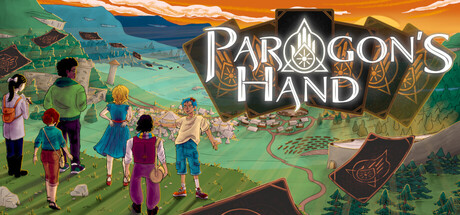 Paragon's Hand In-game content text | Translations for the game are generated with the help of artificial intelligence. | Myriad Tales | - | Aug 27, 2026 | |
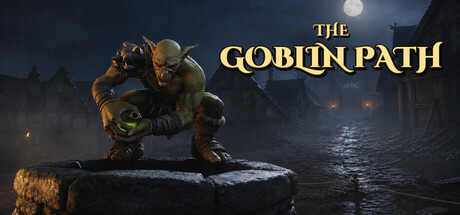 The Goblin Path Store/marketing art | Generative AI was used to create portions of the promotional trailer. The game itself does not contain AI-generated 3D assets; its 3D assets are commercially licensed assets. | muhohum | - | Aug 27, 2026 | |
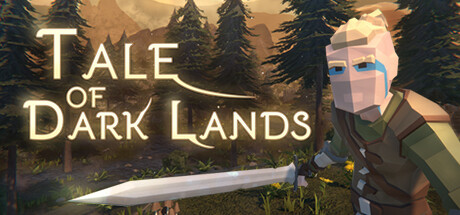 Tale of Dark Lands In-game content text | Text localization | Satur Entertainment | 35 | Aug 27, 2026 | |
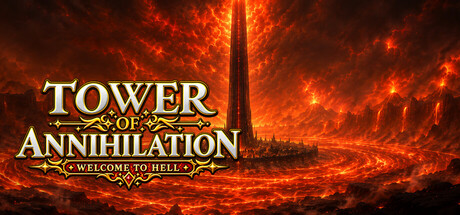 Tower of Annihilation: Welcome to Hell In-game content art | Placeholder art assets for the demo are ai-generated, but will be replaced with human art at the earliest reasonable opportunity. | Aaron Clark | - | Aug 26, 2026 | |
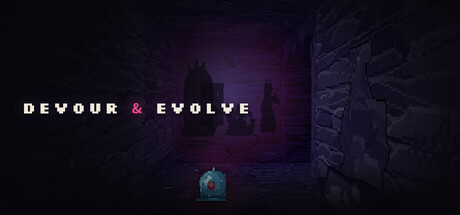 Devour & Evolve Dev only textcode | Generative AI was used during development as a coding assistant and to assist with drafting and translating store-page and marketing text. Some pixel-art assets were rendered by deterministic drawing code written with AI assistance; the final images were not directly output by a text-to-image or diffusion model. All shipped and published content was reviewed and edited by the developer. No generative AI runs in the game, and no content is generated from player input. | sasoriken-games | - | Aug 26, 2026 | |
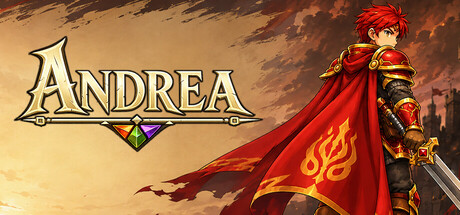 Andrea In-game content art | Some art assets (ui, icons, monster sprites) were created with AI assistance. | Lizel | - | Aug 26, 2026 | |
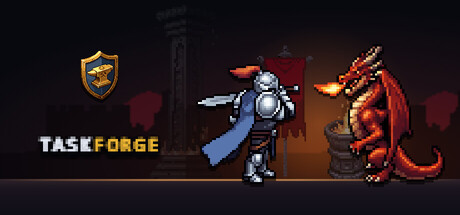 Taskforge In-game content art | The pixel art in Taskforge — character and enemy sprites, animation frames, item and UI icons, scenery pieces and the game's emblem — was produced with the help of an AI image generation tool during development. Every generated asset was reviewed, selected, edited and assembled by hand, and ships as a fixed image file. Nothing is generated while you play: the game contains only static assets and never calls an AI service at runtime. Code, game design, balance data and all written text were made by the developer. | Marcos Araponga | - | Aug 26, 2026 | |
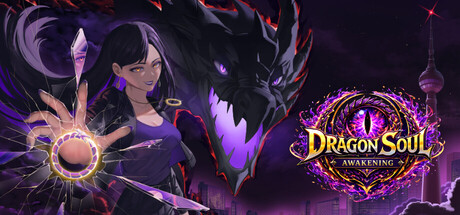 Dragon Soul: Awakening In-game content artaudiotext | Dragon Soul: Awakening is a solo-developed game that uses generative AI as one of many creative tools during development. The logo, some backgrounds, character sprites, UI elements, and music were created using AI-assisted workflows alongside original writing, design, editing, and human-created artwork. Some AI-assisted assets currently serve as placeholders during development and will be replaced before the full release. | Spiritguide Games | - | Aug 26, 2026 | |
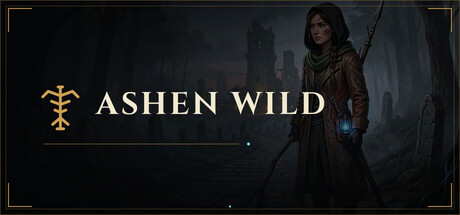 Ashen Wild In-game content artaudiocode | Ashen Wild was created almost exclusively with AI tools to generate the code and graphics, VFX, sound etc. The store page, website and other marketing materials were created using AI. | Game Genius Studio | - | Aug 26, 2026 | |
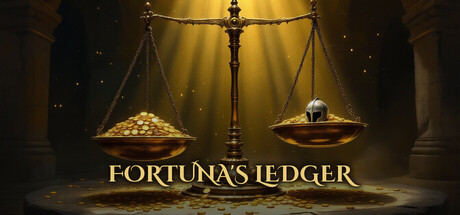 Fortuna's Ledger In-game content artaudio | Some of this game's art and audio assets were created using generative AI tools, from the studio's own prompts and under our tool licenses, then curated and edited by the team. All game code and text were written by hand. | Meridian Studios | - | Aug 25, 2026 | |
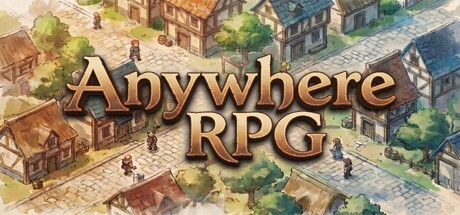 Anywhere RPG Live AI arttext | This game heavily uses generative AI to generate the initial world and direct events and experiences for the player in real time. | Max Loh | - | Aug 25, 2026 | |
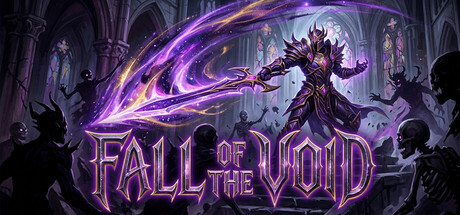 Fall of the Void In-game content text | AI-assisted tools were used during development to help refine and polish text localization. | JoeCat | - | Aug 25, 2026 | |
 The Isles of the Nine Crowns: Tales of Alaric Stoneheart In-game content textart | Portions of the in-game codex (character biographies, historical battle summaries) were drafted with the assistance of a large language model based on the developer's own lore notes and edited by hand. A subset of pixel-art tile and prop textures were procedurally generated from developer-written Python scripts. All content is reviewed and finalized by the developer; no generative image models (e.g. Stable Diffusion, Midjourney) were used to produce in-game art. | Nine Crown Games | - | Aug 25, 2026 | |
 Dreadmark In-game content art | Some 2D artwork (key art, item icons, and UI art) was created using generative-AI tools, with human selection and editing. | Agentas | - | Aug 25, 2026 | |
 Dungeoneers Idle | As a solo developer, AI has been a big help in making the development of this game more efficient by assisting in, but not be the sole performer of: testing, performing repetitive and some programming tasks, brainstorming and discussions, translations and some design. | VindR Games | - | Aug 25, 2026 | |
 Tales of the Otherworld Store/marketing art | Some promotional materials are AI-generated; the game content itself does not contain AI. | 彼境行者(嘉兴)数字科技有限公司 | - | Aug 25, 2026 | |
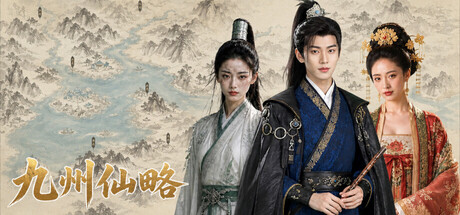 Beneath the Nine Skies: Immortal Stratagems In-game content artaudiotext | During development, we used AI tools to assist in creating some art assets, voice acting, and dialogue. All AI-assisted content is pre-generated before release — the game does not generate content with AI in real time while you play. All such content is reviewed and refined by our team to ensure quality and originality, and to avoid generic-looking characters. | 做游戏的魏同学 | - | Aug 24, 2026 | |
 Aethercrypt In-game content art | Some character and creature artwork was created using a combination of hand-drawn illustration and generative AI tools. | AtneGames | - | Aug 24, 2026 | |
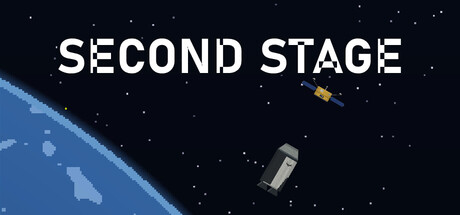 Second Stage general | All AI involvement is pre-generated and human-reviewed: nothing is generated while you play, the game runs no AI models, and it never sends your data anywhere. | Archaic Labs | - | Aug 24, 2026 | |
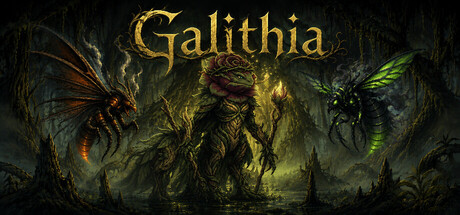 Galithia Dev only art | Galithia uses generative AI during development for some concepting, visual iteration, and content support. Any AI-assisted assets or materials are reviewed, modified, and integrated by the developer, with final approval and creative direction remaining fully human-led. Gameplay systems, combat balance, encounter design, and final implementation are developer-controlled. | Josh Schoenberger | - | Aug 23, 2026 | |
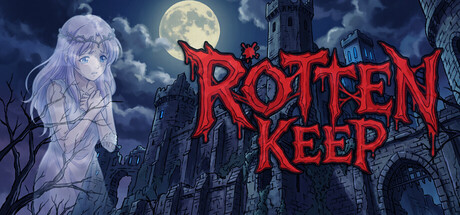 Rotten Keep In-game content art | Some of the art in the game was created with the help of AI. | Gergo V | - | Aug 23, 2026 | |
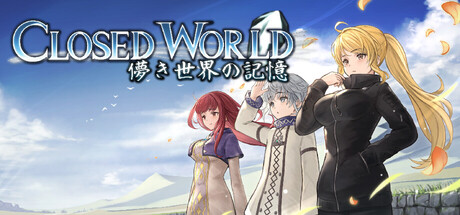 Closed World~儚き世界の記憶 In-game content text | We use generative AI to translate in-game text into multiple languages.
Generative AI is not used to generate content in real time. | Stilhearts | - | Aug 23, 2026 | |
 Praxion-7 Dev only code | Coding assistance is used for developing the game. Building automation test suites and creating support tools. | Virtual Dimensions | - | Aug 23, 2026 | |
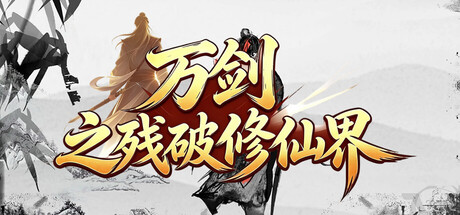 万剑之残破修仙界 In-game content art | A large portion of visual art assets in this game are produced with generative AI tools during the development phase, including all in-game character portraits & character sprites, UI panels, functional icons, decorative interface elements, scene backgrounds, environment illustrations and promotional store page artwork.
All AI-generated draft materials have been comprehensively manually revised, redrawn, style unified, technically trimmed and fully copyright compliance verified by our internal professional art team before being packaged into the final released build.
There is NO real-time, runtime AI content generation function activated while players are running the game. All AI-assisted content is fixed pre-rendered static assets only. | 如意真仙 | - | Aug 23, 2026 | |
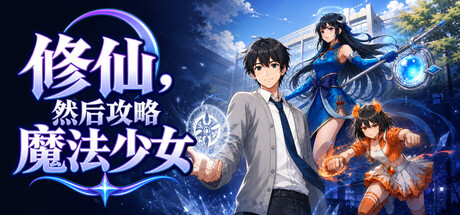 修仙,然后攻略魔法少女 In-game content artaudiotext | This game uses generative AI for some of its assets, specifically: character art and scene backgrounds, UI icons, the main menu motion visual, and part of the soundtrack. All story text is written by the developer; AI was used only for formatting and validation. Every AI-generated asset was manually reviewed, edited, and integrated before shipping. | 万古白夜工作室 | - | Aug 23, 2026 | |
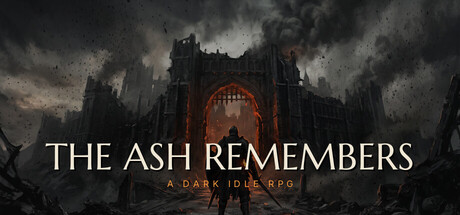 The Ash Remembers In-game content artaudiotext | Artwork, music and parts of the text were created with AI tools and individually curated, refined and hand-fitted into the game by the developer. No AI content is generated at runtime. | Veyr Works | - | Aug 22, 2026 | |
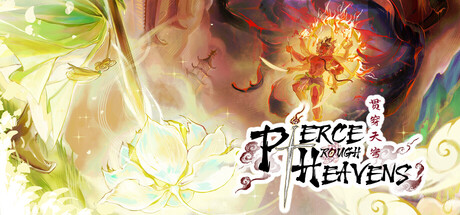 Pierce Through Heavens In-game content art | AI was used to produce placeholder UI components & sprites (e.g. icons, npc sprite, spell sprites). | Purple Yang Studio | - | Aug 22, 2026 | |
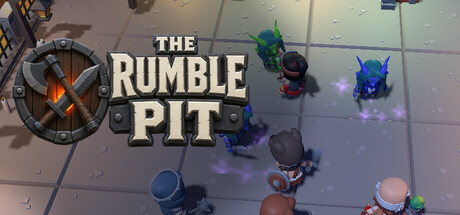 The Rumble Pit In-game content arttextaudiocode | The Rumble Pit is made by one person, and generative AI tools were part of how it was built.
Music: the tracks you hear in the menus and in the twelve dungeons were generated with a local AI music model, from a written brief for each place, then cut, looped and mixed by hand.
2D art: the interface icons, the class and specialisation emblems, the dungeon thumbnails, the illustrated boss backdrops and the logo were produced with image generation tools, then cropped, cleaned up and colour-matched by hand.
Text and code: much of the in-game text — talent names and descriptions, loot labels, boss briefings, the translation tables — and part of the source code were drafted with an AI assistant, then edited, tested and rewritten by hand.
Not AI-generated: the 3D models and animations (licensed art packs), and the sound effects (CC0 libraries).
Nothing is generated while you play. The game connects to no AI service and produces no new content at runtime — everything ships as a fixed file, checked before release. | Elliott Faucheux | - | Aug 22, 2026 | |
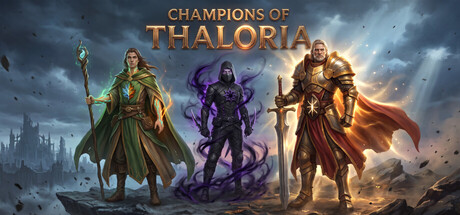 Champions Of Thaloria In-game content art | Some of the visual assets in Champions of Thaloria were created with the help
of generative AI tools during development. This includes parts of the store
page artwork and trailer, along with a portion of the in-game 2D art such as
item icons, avatar frames and class emblems.
Every AI-assisted asset was selected, edited and assembled by hand before it
went into the game, and all of it was reviewed by the developer.
The game does not generate anything while you play. No content is created at
runtime and no AI service is contacted during gameplay — everything ships
with the game. | Clive Production | - | Aug 22, 2026 | |
 裁员审核中 In-game content artcode | The visual assets in the game are generated using AI, including UI elements, map backgrounds, equipment icons, in-game items, and character animations.
The programming code of the game is generated using AI. | Sheng Danjie | - | Aug 22, 2026 | |
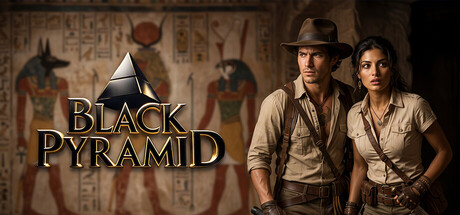 Black Pyramid In-game content artaudio | Most of the video materials, audio materials and some music for this game are generated by AI software. | HANGZHOU MOSHAN TECHNOLOGY CO.,LTD. | - | Aug 22, 2026 | |
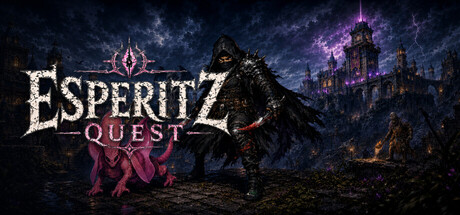 Esperitz Quest In-game content art | Generative AI tools were used to assist in creating certain pre-rendered 2D assets, including achievement icons. These assets are static, were manually reviewed and edited before inclusion, and do not involve any live generation during gameplay. The game does not send player information to generative AI services. | LoboCor Systems | - | Aug 22, 2026 | |
 Bravest!2 In-game content art | We use AI to create frames that resemble feature phones. You can choose to show or hide the frames using the options. | nazenaninadesico | - | Aug 22, 2026 | |
 SOGUL: Den of the Deep In-game content arttextcode | The game's code, in-game text (Korean and English), localization, and store page text were created with the assistance of AI tools (Anthropic Claude), under human direction and review. Pixel artwork and audio are produced by procedural generation scripts that were also written with AI assistance. No content is generated by AI at runtime. | SoThanks Games | - | Aug 20, 2026 | |
 Grimoire of Hecate : Tower of Starlight In-game content arttextcode | Generative AI tools were used during development to help create and refine pre generated visual assets, text and localization, and code. All AI-assisted material included in the game was reviewed and integrated by the developer, with further editing where needed. The game does not use live generative AI and does not generate content during gameplay. | Blablah Games | - | Aug 20, 2026 | |
 Dungeon Explorers 2 In-game content artaudio | Selected visual assets and music tracks were created using generative AI tools as part of the production process. All AI-generated material was reviewed, curated, and integrated by the developer to ensure consistency with the game’s creative direction. No AI-generated content is produced during gameplay. | C.M.Cas Games | - | Aug 20, 2026 | |
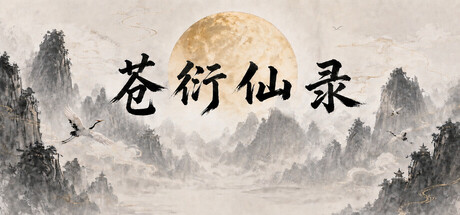 Cangyan Xianlu In-game content art | 本游戏部分美术资源(角色立绘、场景背景、商店页面素材等)由生成式 AI 工具辅助创作,全部素材经开发者人工筛选、修改与整合。游戏运行时不包含实时生成的 AI 内容。 | 云籽工作室 | - | Aug 20, 2026 | |
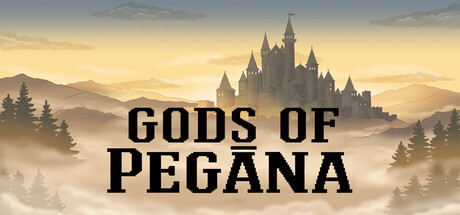 Gods of Pegana In-game content art | A small amount of public domain and commissioned art assets may have used genAI before passing to a human for modification/inclusion. | ManaScroll Games | - | Aug 20, 2026 | |
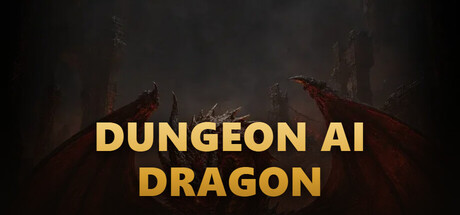 DUNGEON AI DRAGON Live AI arttext | DUNGEON AI DRAGON uses generative AI in two ways. (1) Pre-generated content: some artwork (character portraits, item illustrations, decorative assets), quest text drafts and localizations were created with the assistance of AI tools and were reviewed and edited by our team before shipping. (2) Live-generated content: NPC dialogue, combat narration and dynamic quest flavor text are generated at runtime by large language models. Live generation is constrained by hand-authored character sheets, world lore and quest definitions. All game rules, stats, prices, rewards and progression are computed by a deterministic rule engine — AI output can never grant items, change prices or alter game state. | QuantumAI | - | Aug 20, 2026 | |
 IM: VVI Galaxy Runaway In-game content audio | The current trailer temporarily uses AI-generated music as placeholder material, which we plan to replace with original music in a future update. | Taiji Bala | - | Aug 20, 2026 | |
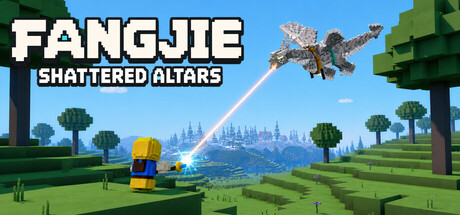 Fangjie:Shattered Altars In-game content artaudio | Some visual assets (a portion of skill icons and the boss health-bar UI element) and background music tracks were created with the assistance of AI generation tools. | Synvize | - | Aug 19, 2026 | |
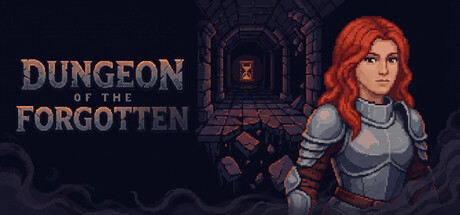 Dungeon of the Forgotten In-game content arttext | Generative AI was used for:
- The game's logo and Steam store capsule artwork (image generation)
- Translation of in-game text into Turkish, German, French and Spanish
-AI-generated images were reviewed and edited before use. | Berkay Turkmen | - | Aug 19, 2026 | |
 Grim wanderings reborn In-game content art | Most of the graphic images were generated using AI with further manual processing | Ellinia games | - | Aug 19, 2026 | |
 RPG System In-game content art | Generative AI tools were used during development to assist in the creation of some visual assets. All AI-assisted content is pre-generated and included as part of the game. The game does not generate AI content during gameplay. | J&V ENTERTAINMENT LTDA | - | Aug 19, 2026 | |
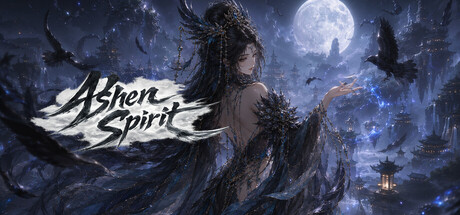 绝灵_暗黑修仙搜打撤 Live AI arttext | Art assets in this game were created with AI assistance; narrative content is generated by AI in real time. Solo-developed — thank you for your support | 瓦舍游戏 | - | Aug 19, 2026 | |
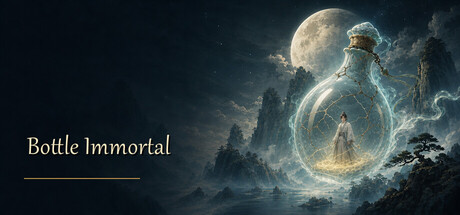 Bottle Immortal In-game content arttext | This game includes pre-generated content created with the assistance of generative AI tools during development. AI tools were used to assist with some artwork, UI visual assets, and visual design elements for video materials and story/dialogue panels. These materials are shipped with the game and are presented to players through the in-game UI, story/dialogue panels, and related video or narrative presentation content. Before release, the developer selected, edited, integrated, and manually reviewed these materials.
The game does not use generative AI at runtime. It does not generate new images, videos, dialogue, or other game content based on player input, and it does not send player input to an AI service. | Bottle Immortal Studio | - | Aug 19, 2026 |


