Public Steam disclosure research25,380 disclosures tracked
Where do games disclose AI use?
Search developers’ Steam disclosures, compare classified AI use across
games, and follow recorded changes.
This index adds cross-game classifications and statistics to
statements published on individual store pages.
Groups reflect automatic analysis of public disclosures; mature records are excluded. These counts do not measure AI use across all of Steam.
Missing or unclear statements cannot establish whether a game uses AI.
This is a one-person project — just me — and I used AI tools throughout development. All of it is pre-generated: the game doesn't make AI calls while you're playing, and it makes no network calls at all.
Most of the code was written with AI coding assistants. Some of the writing players see was drafted the same way and then edited by me: the word lists the game builds its procedural company names from, the achievement titles, and the templates behind the news items and company filings. Those get assembled in-game by ordinary seeded code, not by a model. The store page copy was drafted with AI help as well.
The app icon was made with an AI image generator. That same icon is also the Steam community icon, the Windows client icon, the store page background, and the base image for the achievement icons.
The rest of the art isn't AI-generated. The capsules and library assets are drawn programmatically from the game's own stylesheet and some seeded procedural drawing code, the screenshots are straight captures of the game running, and the audio is synthesized as you play rather than being generated audio files.
We used generative AI as a coding assistant during development to help write and debug the game's source code. All AI-assisted code was reviewed and tested by the developer. The game contains some AI-generated sounds and visual content at runtime however most is non AI. The game sends no player data to any AI service.
Generative AI tools were used during development to assist in the creation of certain visual and audio assets. This includes some concept art, textures, UI elements, loading screens, promotional artwork, graphical assets, music, and sound effects.
AI-assisted content may be edited, modified, retouched, mixed, or otherwise integrated by the development team before being included in the game or promotional materials.
Generative AI is not used to dynamically generate content during gameplay.
Ski Lines is a solo-developed indie game created with the help of generative AI tools. AI was used throughout production to support artwork creation, music and sound design, code assistance, prototyping, iteration, and marketing assets.
Every AI-assisted element was curated, edited, and integrated by the developer to fit the game’s minimalist ski-map aesthetic and gameplay vision. The use of AI helped accelerate production while preserving human creative direction, design decisions, quality control, and final authorship.
During development, generative AI was used to assist in creating some of the game’s 2D visual assets and icons. All AI-assisted content was manually reviewed and curated by the developers, and modified where necessary before being included in the final version. AI was also used to refactor some early code that was not yet well-structured.
During development, as a solo developer, Claude Code was especially helpful for debugging, development and testing. There is no LLM usage within Frontier Protocol and no external connection is required to play Frontier Protocol.
Operation: Horumus is a "vibe coding" experiment. Most of the game's content — code, game design, pixel art, sound effects, procedural music, narrative writing, and all four language localizations (English, Korean, Japanese, Simplified Chinese) — was developed with extensive use of generative AI tools, under the developer's direction. Every creative and technical decision was made by the developer, and all AI-generated output was reviewed and curated before inclusion.
No AI is invoked during gameplay. The game runs entirely offline and makes no calls to external AI services.
This is a parody experiment, and the use of AI is part of the experiment itself. We disclose it here so you can decide whether that approach is interesting to you.
Pre-rendered content: 2D artwork (character sprites, backgrounds, marketing art) and music were created with the assistance of generative AI tools, then manually curated, edited and composited by the developer. The game does not generate any content at runtime (no live AI).
This game uses generative artificial intelligence in its development.
Some visual assets — including character sprites, unit artwork, and related
game graphics — were created or assisted with generative AI tools and then
integrated into the game. AI was also used during development to assist with
programming and production workflows.
Generative AI is not used to create content live during gameplay. The game
does not connect to external AI services while you are playing.
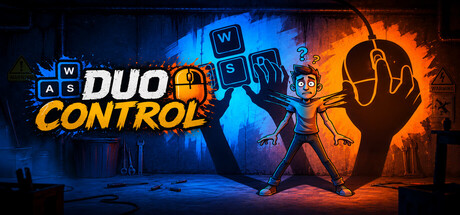
Some visual assets and promotional artwork used in DuoControl were created or assisted using generative AI and were further refined by our development team. No generative AI is used during gameplay, and players cannot generate AI content within the game.
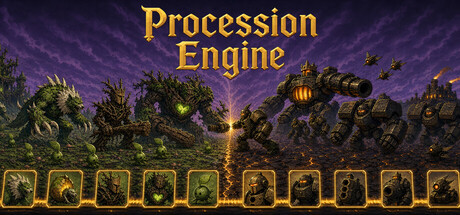
Procession Engine is a hand-designed game that uses AI tools to speed up development. Every card, faction, and system was designed, balanced, and playtested by its developer. Generative AI tools were used under human direction as part of the production pipeline: 2D artwork (card illustrations and icons) and 3D model bases were generated to the developer's specifications and then reviewed, curated, and integrated by hand. Sound effects were produced with AI audio tools and individually selected and mixed. Portions of the game code were written with AI assistance and reviewed by a human. No AI content is generated at runtime.
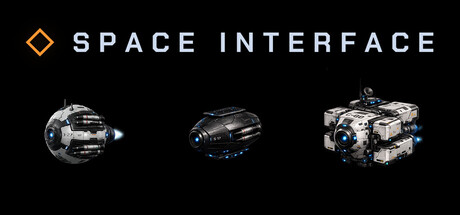
The drone images on the website and Steam game page, (not used in the actual game), were generated by AI. The Symbology of the in-game tactical display was generated by AI under close human supervision and iteration. The music in this game was not generated by AI.
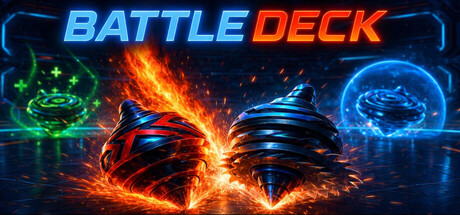
BattleDeck uses AI tools in the following areas:
Artwork, audio and as a development assistant during coding. All AI generated content has been reviewed and refined by the developer.
Some of this game's assets were made with the assistance of generative AI tools and were reviewed, curated and hand-finished by the developer. No content is generated while you play.
Generative AI tools were used during development to assist in creating selected pre-generated 2D artwork used in the game and on the store page, including promotional illustrations and some visual assets. AI-assisted localization drafts were also used and subsequently reviewed and integrated by the developer. All included content was selected, edited, and prepared before release. The game does not generate AI content while running.
Some of Last Gambit's content was created with the help of generative AI tools. Specifically, part of the artwork for the pieces and skins was generated with AI and then reviewed and refined by us. We also used AI to assist with some cross-platform code porting.
All of this content is generated during development. The game does not use generative AI during matches and does not create content in real time.
AI tools were used as assistive tools during development, specifically for code writing and text proofreading. No AI-generated content is used in the game's art assets, sound effects, or music.
This is not actually required to disclose but since it crosses the line for some people, I should admit that AI coding tools were used during the game's production.
No AI was used to generate any images, audio, text, or design.
Its purpose was to help code mechanics according to my design, assist in debugging, and (most importantly) eliminate crunch.
Pre-generated AI image tools were used to assist in creating concepts and final assets for the game's logo, store capsule images, and promotional graphics. No live-generated AI content is used within the actual gameplay.
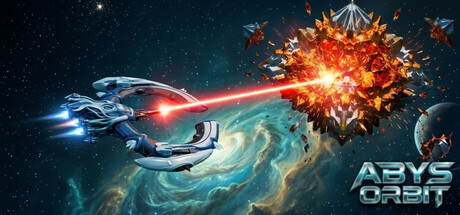
Most of the 2D art in Abys Orbit is AI-assisted, generated with Google Gemini
during development. Ship and NPC sprite sheets begin as Gemini concept images,
are converted to 3D meshes with Meshy.ai, and are then rendered to 2D sprites
in Blender. One dashboard background is a NASA public-domain photograph revised
with AI. All AI-generated assets are reviewed and edited by us before shipping.
The following content is NOT AI-generated: rank insignia (drawn by hand in
Adobe Illustrator), the Scout ship model (a commercially licensed 3D asset
rendered in 3ds Max), UI and research icons (licensed from CraftPix under their
commercial license), two NASA public-domain images, and all audio, which we
produced ourselves.
No AI-generated content is created at runtime; all generation happens during
development.
Some pre-generated visual assets and localization text were created with the assistance of generative AI and were reviewed and edited by the developer. The game does not generate AI content during gameplay.
We use AI tools only to demonstrate the game's feel, for marketing materials, and to optimise development. 3D models, UI, characters, robot enemies, the main soundtrack and other key elements of the game are lovingly crafted by our team.
Yes, we're not the fastest indie developers in the world. But we're working hard for you! ^_^
Graphic assets such as sprites and decorations are created with AI tools, then refined by hand in software like Photoshop. Videos follow the same process. Music and sound effects contain no AI-generated content.
Generative AI was used during development as a supporting tool to create secondary assets and assist with text revision. All AI-generated content was manually reviewed, edited, and integrated into the game engine to ensure the project's visual and gameplay consistency.
Some of the art assets in Battle of Plans were produced with AI-assisted
tools. Specifically, a number of 3D props (weapon models) were created using
AI-assisted 3D generation and then manually retopologized, re-textured and
integrated by our team, and some promotional/store images were created with
AI image tools. Every AI-assisted asset was reviewed by a human before it
shipped.
Localization into languages other than Turkish and English was produced with
machine translation.
The game does not generate any content while you play: there is no AI chat,
no AI-generated dialogue, and no runtime asset generation. Player chat is
written by players and filtered server-side.
Generative AI tools assisted with portions of development, including some player-facing UI, tutorial and campaign text, and implementation code.
All output was reviewed and edited by the developer. The game does not generate AI content while running.
Maps and terrain are generated using deterministic procedural algorithms and public-domain geographic data. Audio uses licensed recordings and conventional synthesis/editing, not generative AI.
Generative AI tools were used to create most of the game’s 2D artwork, including sprites and animations for enemies, the player character, towers, relics, and other gameplay elements, as well as promotional materials.
All generated assets were reviewed, edited, refined, and integrated by the developer to maintain a consistent visual direction.
All AI-assisted content is pre-generated; no content is generated using AI during gameplay.
OpenAI tools were used during development for coding assistance and for creating or editing some visual/video assets. All shipped content was reviewed/edited by the developer. The game does not include live-generated AI content.
This game uses AI-generated voice acting. All character voices were synthesized with ElevenLabs using original text prompts and original scripts written for this game. No real person's voice was cloned, recorded, or used as source material. Some creature and ambient sound effects are also AI-generated. All audio is pre-generated and ships with the game; nothing is generated at runtime.
While a vast majority of Gloomhallow was human created, it was created by a solo developer (single person) - AI assisted in very specific fields such as;
- C# Coding
- SFX Generation
- OST Creation
- Very select UI Animations
AI tools were used during development to assist in the creation of some pre-generated content included in the game. All such content was reviewed, curated, and edited by the developer before inclusion. Some 2D sprites, icons, and key art were created with the assistance of generative AI tools. Music and sound effects were also created with the assistance of AI audio tools. Localization for languages other than English was produced with AI assistance and reviewed by the developer. The game does not use generative AI at runtime and does not generate any live AI content during gameplay.
Generative AI was used to assist with creating some placeholder and promotional artwork during development. All game design, programming decisions, gameplay systems, and final content were reviewed and curated by the developer.
Generative AI was used to assist with the creation of code-based 3D geometry built in Three.js, as well as some sound assets included in the game. These assets are reviewed, adjusted, and integrated by the developer, and may be revised or replaced throughout development.
During the process of production, generative AI may be used in following processes: coding and debugging, production of conceptual art of game assets, production of rough models of game assets, production of simple animation effects, restoration of image, audio or video quality, localization and translation. All AI generated game assets that appear directly in game are revised and finalized by real human artists.
This game uses AI-generated music (Suno) and AI-generated voice acting (ElevenLabs). All AI-generated content has been reviewed and curated by the developer before inclusion in the game.
Generative AI tools were used to help create parts of this game, always under the developer's direction: a significant part of the artwork (such as backgrounds, unit graphics, UI elements and store page images) was created with AI assistance and then reviewed, edited and hand-tuned by the developer. AI also assisted in writing the in-game text and translating it, along with this store page, into the supported languages. Music and sound effects are not AI-generated. No AI content is generated live during gameplay.
Generative AI was used for some game assets, music, and promotional materials. All content was manually reviewed and selected. No AI is used during gameplay.
This is a one-person project — just me — and I used AI tools throughout development. All of it is pre-generated: the game doesn't make AI calls while you're playing, and it makes no network calls at all.
Most of the code was written with AI coding assistants. Some of the writing players see was drafted the same way and then edited by me: the word lists the game builds its procedural company names from, the achievement titles, and the templates behind the news items and company filings. Those get assembled in-game by ordinary seeded code, not by a model. The store page copy was drafted with AI help as well.
The app icon was made with an AI image generator. That same icon is also the Steam community icon, the Windows client icon, the store page background, and the base image for the achievement icons.
The rest of the art isn't AI-generated. The capsules and library assets are drawn programmatically from the game's own stylesheet and some seeded procedural drawing code, the screenshots are straight captures of the game running, and the audio is synthesized as you play rather than being generated audio files.
We used generative AI as a coding assistant during development to help write and debug the game's source code. All AI-assisted code was reviewed and tested by the developer. The game contains some AI-generated sounds and visual content at runtime however most is non AI. The game sends no player data to any AI service.
Generative AI tools were used during development to assist in the creation of certain visual and audio assets. This includes some concept art, textures, UI elements, loading screens, promotional artwork, graphical assets, music, and sound effects.
AI-assisted content may be edited, modified, retouched, mixed, or otherwise integrated by the development team before being included in the game or promotional materials.
Generative AI is not used to dynamically generate content during gameplay.
Ski Lines is a solo-developed indie game created with the help of generative AI tools. AI was used throughout production to support artwork creation, music and sound design, code assistance, prototyping, iteration, and marketing assets.
Every AI-assisted element was curated, edited, and integrated by the developer to fit the game’s minimalist ski-map aesthetic and gameplay vision. The use of AI helped accelerate production while preserving human creative direction, design decisions, quality control, and final authorship.
During development, generative AI was used to assist in creating some of the game’s 2D visual assets and icons. All AI-assisted content was manually reviewed and curated by the developers, and modified where necessary before being included in the final version. AI was also used to refactor some early code that was not yet well-structured.
During development, as a solo developer, Claude Code was especially helpful for debugging, development and testing. There is no LLM usage within Frontier Protocol and no external connection is required to play Frontier Protocol.
Operation: Horumus is a "vibe coding" experiment. Most of the game's content — code, game design, pixel art, sound effects, procedural music, narrative writing, and all four language localizations (English, Korean, Japanese, Simplified Chinese) — was developed with extensive use of generative AI tools, under the developer's direction. Every creative and technical decision was made by the developer, and all AI-generated output was reviewed and curated before inclusion.
No AI is invoked during gameplay. The game runs entirely offline and makes no calls to external AI services.
This is a parody experiment, and the use of AI is part of the experiment itself. We disclose it here so you can decide whether that approach is interesting to you.
Pre-rendered content: 2D artwork (character sprites, backgrounds, marketing art) and music were created with the assistance of generative AI tools, then manually curated, edited and composited by the developer. The game does not generate any content at runtime (no live AI).
This game uses generative artificial intelligence in its development.
Some visual assets — including character sprites, unit artwork, and related
game graphics — were created or assisted with generative AI tools and then
integrated into the game. AI was also used during development to assist with
programming and production workflows.
Generative AI is not used to create content live during gameplay. The game
does not connect to external AI services while you are playing.
Some visual assets and promotional artwork used in DuoControl were created or assisted using generative AI and were further refined by our development team. No generative AI is used during gameplay, and players cannot generate AI content within the game.
Procession Engine is a hand-designed game that uses AI tools to speed up development. Every card, faction, and system was designed, balanced, and playtested by its developer. Generative AI tools were used under human direction as part of the production pipeline: 2D artwork (card illustrations and icons) and 3D model bases were generated to the developer's specifications and then reviewed, curated, and integrated by hand. Sound effects were produced with AI audio tools and individually selected and mixed. Portions of the game code were written with AI assistance and reviewed by a human. No AI content is generated at runtime.
The drone images on the website and Steam game page, (not used in the actual game), were generated by AI. The Symbology of the in-game tactical display was generated by AI under close human supervision and iteration. The music in this game was not generated by AI.
BattleDeck uses AI tools in the following areas:
Artwork, audio and as a development assistant during coding. All AI generated content has been reviewed and refined by the developer.
Some of this game's assets were made with the assistance of generative AI tools and were reviewed, curated and hand-finished by the developer. No content is generated while you play.
Generative AI tools were used during development to assist in creating selected pre-generated 2D artwork used in the game and on the store page, including promotional illustrations and some visual assets. AI-assisted localization drafts were also used and subsequently reviewed and integrated by the developer. All included content was selected, edited, and prepared before release. The game does not generate AI content while running.
Some of Last Gambit's content was created with the help of generative AI tools. Specifically, part of the artwork for the pieces and skins was generated with AI and then reviewed and refined by us. We also used AI to assist with some cross-platform code porting.
All of this content is generated during development. The game does not use generative AI during matches and does not create content in real time.
AI tools were used as assistive tools during development, specifically for code writing and text proofreading. No AI-generated content is used in the game's art assets, sound effects, or music.
This is not actually required to disclose but since it crosses the line for some people, I should admit that AI coding tools were used during the game's production.
No AI was used to generate any images, audio, text, or design.
Its purpose was to help code mechanics according to my design, assist in debugging, and (most importantly) eliminate crunch.
Pre-generated AI image tools were used to assist in creating concepts and final assets for the game's logo, store capsule images, and promotional graphics. No live-generated AI content is used within the actual gameplay.
Most of the 2D art in Abys Orbit is AI-assisted, generated with Google Gemini
during development. Ship and NPC sprite sheets begin as Gemini concept images,
are converted to 3D meshes with Meshy.ai, and are then rendered to 2D sprites
in Blender. One dashboard background is a NASA public-domain photograph revised
with AI. All AI-generated assets are reviewed and edited by us before shipping.
The following content is NOT AI-generated: rank insignia (drawn by hand in
Adobe Illustrator), the Scout ship model (a commercially licensed 3D asset
rendered in 3ds Max), UI and research icons (licensed from CraftPix under their
commercial license), two NASA public-domain images, and all audio, which we
produced ourselves.
No AI-generated content is created at runtime; all generation happens during
development.
Some pre-generated visual assets and localization text were created with the assistance of generative AI and were reviewed and edited by the developer. The game does not generate AI content during gameplay.
We use AI tools only to demonstrate the game's feel, for marketing materials, and to optimise development. 3D models, UI, characters, robot enemies, the main soundtrack and other key elements of the game are lovingly crafted by our team.
Yes, we're not the fastest indie developers in the world. But we're working hard for you! ^_^
Graphic assets such as sprites and decorations are created with AI tools, then refined by hand in software like Photoshop. Videos follow the same process. Music and sound effects contain no AI-generated content.
Generative AI was used during development as a supporting tool to create secondary assets and assist with text revision. All AI-generated content was manually reviewed, edited, and integrated into the game engine to ensure the project's visual and gameplay consistency.
Some of the art assets in Battle of Plans were produced with AI-assisted
tools. Specifically, a number of 3D props (weapon models) were created using
AI-assisted 3D generation and then manually retopologized, re-textured and
integrated by our team, and some promotional/store images were created with
AI image tools. Every AI-assisted asset was reviewed by a human before it
shipped.
Localization into languages other than Turkish and English was produced with
machine translation.
The game does not generate any content while you play: there is no AI chat,
no AI-generated dialogue, and no runtime asset generation. Player chat is
written by players and filtered server-side.
Generative AI tools assisted with portions of development, including some player-facing UI, tutorial and campaign text, and implementation code.
All output was reviewed and edited by the developer. The game does not generate AI content while running.
Maps and terrain are generated using deterministic procedural algorithms and public-domain geographic data. Audio uses licensed recordings and conventional synthesis/editing, not generative AI.
Generative AI tools were used to create most of the game’s 2D artwork, including sprites and animations for enemies, the player character, towers, relics, and other gameplay elements, as well as promotional materials.
All generated assets were reviewed, edited, refined, and integrated by the developer to maintain a consistent visual direction.
All AI-assisted content is pre-generated; no content is generated using AI during gameplay.
OpenAI tools were used during development for coding assistance and for creating or editing some visual/video assets. All shipped content was reviewed/edited by the developer. The game does not include live-generated AI content.
This game uses AI-generated voice acting. All character voices were synthesized with ElevenLabs using original text prompts and original scripts written for this game. No real person's voice was cloned, recorded, or used as source material. Some creature and ambient sound effects are also AI-generated. All audio is pre-generated and ships with the game; nothing is generated at runtime.
While a vast majority of Gloomhallow was human created, it was created by a solo developer (single person) - AI assisted in very specific fields such as;
- C# Coding
- SFX Generation
- OST Creation
- Very select UI Animations
AI tools were used during development to assist in the creation of some pre-generated content included in the game. All such content was reviewed, curated, and edited by the developer before inclusion. Some 2D sprites, icons, and key art were created with the assistance of generative AI tools. Music and sound effects were also created with the assistance of AI audio tools. Localization for languages other than English was produced with AI assistance and reviewed by the developer. The game does not use generative AI at runtime and does not generate any live AI content during gameplay.
Generative AI was used to assist with creating some placeholder and promotional artwork during development. All game design, programming decisions, gameplay systems, and final content were reviewed and curated by the developer.
Generative AI was used to assist with the creation of code-based 3D geometry built in Three.js, as well as some sound assets included in the game. These assets are reviewed, adjusted, and integrated by the developer, and may be revised or replaced throughout development.
During the process of production, generative AI may be used in following processes: coding and debugging, production of conceptual art of game assets, production of rough models of game assets, production of simple animation effects, restoration of image, audio or video quality, localization and translation. All AI generated game assets that appear directly in game are revised and finalized by real human artists.
This game uses AI-generated music (Suno) and AI-generated voice acting (ElevenLabs). All AI-generated content has been reviewed and curated by the developer before inclusion in the game.
Generative AI tools were used to help create parts of this game, always under the developer's direction: a significant part of the artwork (such as backgrounds, unit graphics, UI elements and store page images) was created with AI assistance and then reviewed, edited and hand-tuned by the developer. AI also assisted in writing the in-game text and translating it, along with this store page, into the supported languages. Music and sound effects are not AI-generated. No AI content is generated live during gameplay.
Generative AI was used for some game assets, music, and promotional materials. All content was manually reviewed and selected. No AI is used during gameplay.