Public Steam disclosure research25,376 disclosures tracked
Where do games disclose AI use?
Search developers’ Steam disclosures, compare classified AI use across
games, and follow recorded changes.
This index adds cross-game classifications and statistics to
statements published on individual store pages.
Groups reflect automatic analysis of public disclosures; mature records are excluded. These counts do not measure AI use across all of Steam.
Missing or unclear statements cannot establish whether a game uses AI.
We used AI to generate initial music tracks, concept art, and temporary translations into some languages.
All materials were then thoroughly edited, reworked, and finalized by humans.
Nothing went straight from the generator into the game.
Generative AI tools were used during development to assist with the creation of some pre-generated visual assets. AI tools were also used as development assistance for programming. No content is generated by AI during gameplay.
AI-assisted tools were used to assist with the creation of some in-game image assets and promotional materials. No AI-generated content is created during gameplay.
Generative AI was used during development to create some pre-rendered artwork and music, as well as store and promotional artwork. These are pre-created assets. The game does not generate AI content or connect to external AI services during gameplay.
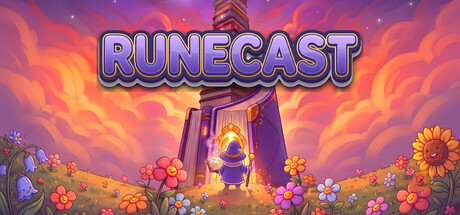
Runecast’s illustrations were generated with AI tools, then curated, edited and integrated by hand. The soundtrack was generated with Suno under a commercial license. The game’s design and code were developed with AI assistance, directed and reviewed by the developer.
AI was used throughout development for assistance with artwork, audio, code, and prototyping, as a tool, not a magic wand. Everything is directed, edited, assembled, and ultimately blamed on one questionably qualified human developer.
No AI runs during gameplay. It already costs me enough when the game isn't running.
The token bill remains undefeated.
I use generative technologies strictly in a supporting role, including: brain-storming; editing text; altering images; research; transcription…
Generated assets are never the first seed nor the last product of any content in my games.
I use generative technologies strictly in a supporting role, including: brain-storming; editing text; altering images; research; transcription…
Generated assets are never the first seed nor the last product of any content in my games.
No generative AI content ships in the game itself — all in-game art, music, sound effects, writing, and design were created by the developer. Generative AI was used only to create some of the store/marketing capsule images.
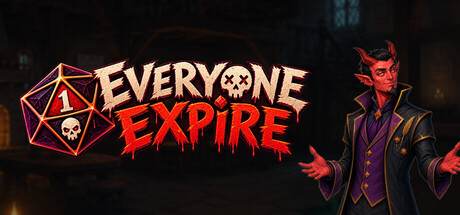
The content of Dark Dice Dungeon was produced with the help of generative AI tools: the illustrations, the music and sound effects, the in-game writing, and the English and Spanish translations. All of it was then selected, edited and assembled by hand by the developer. Nothing is generated while you play: the game ships with fixed assets and never connects to any service.
Some pre-rendered visual and audio assets were created with the assistance of generative AI tools during development. All such content was reviewed, edited, and finalized by the developer before shipping. The game does not use AI to generate content during gameplay.
Some environment art is AI-generated (game background and level-select planet images). Gameplay models, UI, store capsules, and trailer footage are original. Code was written with AI assistance.
Generative AI tools were used to create various pre-rendered background images seen in menus, game over screens, and illustrative posters within the game world.
Some static art assets and store promotional texts of this game are drafted with generative AI. All AI-generated materials have been manually checked for copyright and revised by the development team. No dynamic AI content will be generated in real time during gameplay.
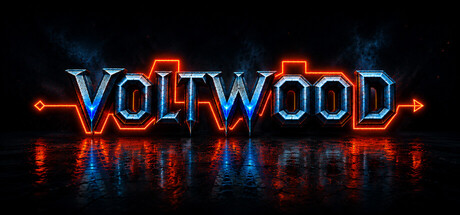
Voltwood was developed with AI assistance. Pre-generated AI content that ships in the game and on the store page includes: 3D unit, structure, and environment models generated with Meshy from our own concept art; 2D art generated with ChatGPT from the developer's direction, including store capsule art, the app icon and key art, menu artwork, and achievement icons; music generated with Mureka; sound effects and character voice lines generated with ElevenLabs; game code, UI icons, and interface and store-page translations authored with Anthropic Claude. All AI output was reviewed, curated, and integrated by the developer, and all of it is owned by the developer under the respective services' paid-tier terms.
Generative AI was used only for the character portrait artwork currently included in the demo. No generative AI was used for gameplay, programming, game assets, localization, or other game content.
Pre-generated content only, nothing is generated while you play. All image motifs (130 modifier cards, 44 enemy portraits, 24 dice, 5 items, 7 set emblems, the title logo) were generated with Google's Gemini image model from written prompts and then hand-reduced to the game's palette and pixel size. Music: the fight track was generated with Suno, the title, boss and shop tracks with Eleven Music (ElevenLabs). Thirteen sound effects (boss entrance, curse, win, loss, dice shaking, dice landing, clicks, coins) were generated with ElevenLabs Sound Generation; all remaining sounds are synthesized in code. Rules, code, texts and translations were written by the developer, with AI assistance during development.
Generative AI tools were used during development to create pre-generated content, including artwork and text for the game and its store materials. Content is prepared in advance. The game does not generate AI content during play or connect to an external AI service during gameplay.
Generative AI tools were used during development to assist with selected text content and localization. All AI-assisted content was reviewed and edited by the developer before inclusion. The game does not generate AI content during gameplay.
This game contains content created with the assistance of AI tools. AI was used during development to assist with programming, visual assets, and other creative elements. All generated content was reviewed, edited, and integrated by the dev.
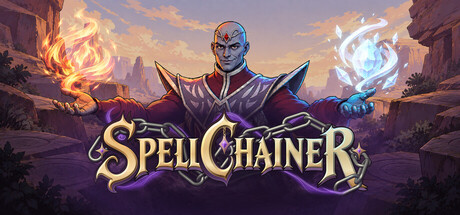
Spellchainer is made by a solo developer. I used generative AI sporadically to help fill gaps in artwork and textures, including selected in-game and marketing visuals. These assets were reviewed and edited before inclusion. No content is generated by AI during gameplay.
Some 3D models and some icons in the game were created with generative AI tools. Steam store images were created with generative AI. All translations were produced with generative AI.
Generative AI tools were used during development to assist with artwork (item illustrations, backgrounds and UI art), audio, and localisation. All AI-assisted content is pre-generated and reviewed, edited and finished by the developer before it ships. Nothing is generated at runtime, and the game contains no AI features while you play.
Generative AI tools were used during development to create some artwork, music, text and translations, including promotional material. This content is prepared in advance. The game does not generate AI content or connect to AI services while you play.
This game has a lot of assets; as a solo developer, AI-assisted tools were used to help create some of the audio and sound files. I'm sharing this openly so players can make an informed choice. If the game finds an audience, I'd love to invest in commissioning original art to replace these assets down the line.
Some visual art assets were created using AI-assisted collage techniques, combining and compositing multiple generated elements into final scenes. Some character voices use AI voice modulation applied to original voice performances to modify and enhance those performances. Music is originally composed, with AI tools assisting in instrumentation and production.
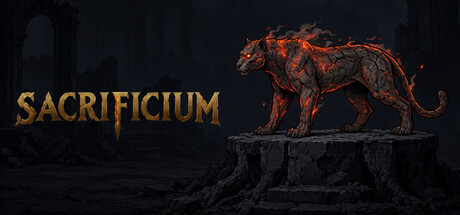
Some of the visual assets in Sacrificium — creature sprites, animations and background art — were created with the help of generative AI tools, then reviewed, edited and integrated by hand. All generative AI content is pre-generated; nothing is generated at runtime while you play. Game design, code, systems and all in-game text were written entirely by a human.
This game uses generative AI as part of the development process. ChatGPT was used for planning, specification review, and the creation of some base visual assets, while Codex was used to assist with code generation, implementation, and testing.
Some visual assets were generated as base material and then edited and refined in tools such as Photoshop. SOUNDRAW was used for some background music, and ElevenLabs was used for some sound effects.
All AI-generated content was created during development. The game does not use generative AI to create content in real time during gameplay. Final design, editing, implementation, and selection decisions were made by the developer.
Pre-generated AI-assisted content: portions of the game's 2D art, music, sound effects, NPC voice lines, and promotional artwork were created with AI generation tools during development, then reviewed and finalized by the developer. No AI content is generated at runtime.
Some of this game's art and audio were made with generative AI tools and then edited and modified by the developer. All of it is pre-generated during development. No AI runs live during gameplay. The game's code, design and writing are authored by the developer.
Some sound effects were pre-generated using ElevenLabs, then selected and edited by the developer. The game’s UI and visual elements are rendered directly in code and do not use separate AI-generated image assets. Generative AI assisted with the design and implementation of the UI and rendering code. The game does not call generative AI models or generate content in real time during gameplay.
Generative AI tools were used during development to assist with portions of the game's 2D artwork, UI illustrations, audio, and text/localization. All AI-assisted content was reviewed, selected, edited, and integrated by the developer. The game does not generate AI content during gameplay and does not connect to external AI services.
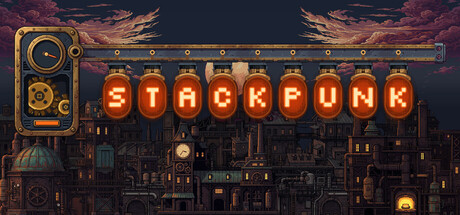
Some of STACKPUNK's 2D pixel art — including boss portraits, card artwork, background scenes, UI ornaments and achievement icons — was created with the assistance of a generative AI pixel-art tool during development. All AI-assisted images were generated ahead of time, then reviewed, edited and hand-finished by us before being shipped as fixed image files in the game. STACKPUNK does not generate any content live while you play, and the game never connects to an AI service. All gameplay, code, design, music and sound are authored by us or sourced from properly licensed/CC0 material.
Generative AI tools were used during development to assist in creating some pre-generated 2D game artwork, promotional artwork, and Steam store and community assets. All AI-assisted outputs were reviewed and edited by the developer. The game does not generate content using AI while it is running.
Generative AI tools were used extensively during development to assist with original fictional adult character artwork, pool-hall environments, UI decoration, video and animation assets, background music, ambient audio, sound effects, worldbuilding, character concepts, dialogue, gameplay descriptions, localization, and promotional copy. AI tools also assisted with gameplay ideation, balance simulation, programming, debugging, and test design.
All player-facing AI-assisted content was generated before release, then selected, edited, integrated, and reviewed by the developer before being shipped as fixed game assets. The developer remains responsible for the final content.
The game does not use generative AI at runtime, does not generate images, audio, text, or dialogue during play, and does not submit player input, save data, or multiplayer content to any AI service.
We use AI to assist with ideation for some art assets, music, and programming, as well as to support asset creation during the prototyping stage. All final assets are manually recreated, arranged, refined, and exported by our team.
We used AI to generate initial music tracks, concept art, and temporary translations into some languages.
All materials were then thoroughly edited, reworked, and finalized by humans.
Nothing went straight from the generator into the game.
Generative AI tools were used during development to assist with the creation of some pre-generated visual assets. AI tools were also used as development assistance for programming. No content is generated by AI during gameplay.
AI-assisted tools were used to assist with the creation of some in-game image assets and promotional materials. No AI-generated content is created during gameplay.
Generative AI was used during development to create some pre-rendered artwork and music, as well as store and promotional artwork. These are pre-created assets. The game does not generate AI content or connect to external AI services during gameplay.
Runecast’s illustrations were generated with AI tools, then curated, edited and integrated by hand. The soundtrack was generated with Suno under a commercial license. The game’s design and code were developed with AI assistance, directed and reviewed by the developer.
AI was used throughout development for assistance with artwork, audio, code, and prototyping, as a tool, not a magic wand. Everything is directed, edited, assembled, and ultimately blamed on one questionably qualified human developer.
No AI runs during gameplay. It already costs me enough when the game isn't running.
The token bill remains undefeated.
I use generative technologies strictly in a supporting role, including: brain-storming; editing text; altering images; research; transcription…
Generated assets are never the first seed nor the last product of any content in my games.
I use generative technologies strictly in a supporting role, including: brain-storming; editing text; altering images; research; transcription…
Generated assets are never the first seed nor the last product of any content in my games.
No generative AI content ships in the game itself — all in-game art, music, sound effects, writing, and design were created by the developer. Generative AI was used only to create some of the store/marketing capsule images.
The content of Dark Dice Dungeon was produced with the help of generative AI tools: the illustrations, the music and sound effects, the in-game writing, and the English and Spanish translations. All of it was then selected, edited and assembled by hand by the developer. Nothing is generated while you play: the game ships with fixed assets and never connects to any service.
Some pre-rendered visual and audio assets were created with the assistance of generative AI tools during development. All such content was reviewed, edited, and finalized by the developer before shipping. The game does not use AI to generate content during gameplay.
Some environment art is AI-generated (game background and level-select planet images). Gameplay models, UI, store capsules, and trailer footage are original. Code was written with AI assistance.
Generative AI tools were used to create various pre-rendered background images seen in menus, game over screens, and illustrative posters within the game world.
Some static art assets and store promotional texts of this game are drafted with generative AI. All AI-generated materials have been manually checked for copyright and revised by the development team. No dynamic AI content will be generated in real time during gameplay.
Voltwood was developed with AI assistance. Pre-generated AI content that ships in the game and on the store page includes: 3D unit, structure, and environment models generated with Meshy from our own concept art; 2D art generated with ChatGPT from the developer's direction, including store capsule art, the app icon and key art, menu artwork, and achievement icons; music generated with Mureka; sound effects and character voice lines generated with ElevenLabs; game code, UI icons, and interface and store-page translations authored with Anthropic Claude. All AI output was reviewed, curated, and integrated by the developer, and all of it is owned by the developer under the respective services' paid-tier terms.
Generative AI was used only for the character portrait artwork currently included in the demo. No generative AI was used for gameplay, programming, game assets, localization, or other game content.
Pre-generated content only, nothing is generated while you play. All image motifs (130 modifier cards, 44 enemy portraits, 24 dice, 5 items, 7 set emblems, the title logo) were generated with Google's Gemini image model from written prompts and then hand-reduced to the game's palette and pixel size. Music: the fight track was generated with Suno, the title, boss and shop tracks with Eleven Music (ElevenLabs). Thirteen sound effects (boss entrance, curse, win, loss, dice shaking, dice landing, clicks, coins) were generated with ElevenLabs Sound Generation; all remaining sounds are synthesized in code. Rules, code, texts and translations were written by the developer, with AI assistance during development.
Generative AI tools were used during development to create pre-generated content, including artwork and text for the game and its store materials. Content is prepared in advance. The game does not generate AI content during play or connect to an external AI service during gameplay.
Generative AI tools were used during development to assist with selected text content and localization. All AI-assisted content was reviewed and edited by the developer before inclusion. The game does not generate AI content during gameplay.
This game contains content created with the assistance of AI tools. AI was used during development to assist with programming, visual assets, and other creative elements. All generated content was reviewed, edited, and integrated by the dev.
Spellchainer is made by a solo developer. I used generative AI sporadically to help fill gaps in artwork and textures, including selected in-game and marketing visuals. These assets were reviewed and edited before inclusion. No content is generated by AI during gameplay.
Some 3D models and some icons in the game were created with generative AI tools. Steam store images were created with generative AI. All translations were produced with generative AI.
Generative AI tools were used during development to assist with artwork (item illustrations, backgrounds and UI art), audio, and localisation. All AI-assisted content is pre-generated and reviewed, edited and finished by the developer before it ships. Nothing is generated at runtime, and the game contains no AI features while you play.
Generative AI tools were used during development to create some artwork, music, text and translations, including promotional material. This content is prepared in advance. The game does not generate AI content or connect to AI services while you play.
This game has a lot of assets; as a solo developer, AI-assisted tools were used to help create some of the audio and sound files. I'm sharing this openly so players can make an informed choice. If the game finds an audience, I'd love to invest in commissioning original art to replace these assets down the line.
Some visual art assets were created using AI-assisted collage techniques, combining and compositing multiple generated elements into final scenes. Some character voices use AI voice modulation applied to original voice performances to modify and enhance those performances. Music is originally composed, with AI tools assisting in instrumentation and production.
Some of the visual assets in Sacrificium — creature sprites, animations and background art — were created with the help of generative AI tools, then reviewed, edited and integrated by hand. All generative AI content is pre-generated; nothing is generated at runtime while you play. Game design, code, systems and all in-game text were written entirely by a human.
This game uses generative AI as part of the development process. ChatGPT was used for planning, specification review, and the creation of some base visual assets, while Codex was used to assist with code generation, implementation, and testing.
Some visual assets were generated as base material and then edited and refined in tools such as Photoshop. SOUNDRAW was used for some background music, and ElevenLabs was used for some sound effects.
All AI-generated content was created during development. The game does not use generative AI to create content in real time during gameplay. Final design, editing, implementation, and selection decisions were made by the developer.
Pre-generated AI-assisted content: portions of the game's 2D art, music, sound effects, NPC voice lines, and promotional artwork were created with AI generation tools during development, then reviewed and finalized by the developer. No AI content is generated at runtime.
Some of this game's art and audio were made with generative AI tools and then edited and modified by the developer. All of it is pre-generated during development. No AI runs live during gameplay. The game's code, design and writing are authored by the developer.
Some sound effects were pre-generated using ElevenLabs, then selected and edited by the developer. The game’s UI and visual elements are rendered directly in code and do not use separate AI-generated image assets. Generative AI assisted with the design and implementation of the UI and rendering code. The game does not call generative AI models or generate content in real time during gameplay.
Generative AI tools were used during development to assist with portions of the game's 2D artwork, UI illustrations, audio, and text/localization. All AI-assisted content was reviewed, selected, edited, and integrated by the developer. The game does not generate AI content during gameplay and does not connect to external AI services.
Some of STACKPUNK's 2D pixel art — including boss portraits, card artwork, background scenes, UI ornaments and achievement icons — was created with the assistance of a generative AI pixel-art tool during development. All AI-assisted images were generated ahead of time, then reviewed, edited and hand-finished by us before being shipped as fixed image files in the game. STACKPUNK does not generate any content live while you play, and the game never connects to an AI service. All gameplay, code, design, music and sound are authored by us or sourced from properly licensed/CC0 material.
Generative AI tools were used during development to assist in creating some pre-generated 2D game artwork, promotional artwork, and Steam store and community assets. All AI-assisted outputs were reviewed and edited by the developer. The game does not generate content using AI while it is running.
Generative AI tools were used extensively during development to assist with original fictional adult character artwork, pool-hall environments, UI decoration, video and animation assets, background music, ambient audio, sound effects, worldbuilding, character concepts, dialogue, gameplay descriptions, localization, and promotional copy. AI tools also assisted with gameplay ideation, balance simulation, programming, debugging, and test design.
All player-facing AI-assisted content was generated before release, then selected, edited, integrated, and reviewed by the developer before being shipped as fixed game assets. The developer remains responsible for the final content.
The game does not use generative AI at runtime, does not generate images, audio, text, or dialogue during play, and does not submit player input, save data, or multiplayer content to any AI service.
We use AI to assist with ideation for some art assets, music, and programming, as well as to support asset creation during the prototyping stage. All final assets are manually recreated, arranged, refined, and exported by our team.