Public Steam disclosure research25,376 disclosures tracked
Where do games disclose AI use?
Search developers’ Steam disclosures, compare classified AI use across
games, and follow recorded changes.
This index adds cross-game classifications and statistics to
statements published on individual store pages.
Groups reflect automatic analysis of public disclosures; mature records are excluded. These counts do not measure AI use across all of Steam.
Missing or unclear statements cannot establish whether a game uses AI.
Pre-generated content: some 3D props and models, music tracks, sound effects and some artwork were created with generative AI tools (such as Meshy and ElevenLabs) and then reviewed, edited and integrated by the developer. No content is generated in real time during gameplay.
AI was used to help generate code and as a tool to troubleshoot it. The poker chip images on the seat badges, and the achievement icons built from them, were generated with an image model from prompts written for this game, then prepared and finished by hand. Nothing is generated while the game runs.
Some in-game text, the translations into seven languages and parts of the artwork and store material were created with the help of generative AI tools, then reviewed and edited by the developer. The game does not use AI to generate any content while you play and does not connect to any AI service.
Some content in this game was made with AI tools: the translations, textures, and interface icons. The music and sound effects are human recordings. Nothing is generated by AI while you play.
The majority of the core art assets have been purchased and used under license, however some additional art assets have been AI-generated to supplement development.
Some voice lines and background audio effects in this game were generated or modified using generative artificial intelligence tools. These audio files were then processed and mixed manually by the developer.
Some artwork and localized text were created with generative AI assistance. Optional AI chat generates text replies through a service chosen and configured by the player: OpenAI, Claude, Gemini, DeepSeek, Kimi or a custom compatible endpoint.
Some of the pixel art in the game (background scenes and character portraits) and the store page key art were created with the help of generative AI tools and then edited and assembled by hand. No AI content is generated while you play.
Pre-generated content: generative AI tools were used during development to help create some of the game's 3D models, concept art and illustrations, music, voice lines and sound effects, as well as part of the store artwork and trailer footage. All of this content was selected, edited, integrated and adjusted by hand by the developer. The game's design, writing, story, code and balance are human-made. No content is generated by AI while the game is running.
Several 3D assets in this game — including some character models and props — were created with generative AI tools (Meshy) and then converted, cleaned up and hand-adjusted before being used in the game. Textures are either hand-made or generated procedurally with our own code.
Nook uses generative AI for character artwork and video assets. During use, AI generates personalized dialogue, speech, and short video responses based on the player's conversation.
In the development of this game, artificial intelligence was used in the following areas:
Code and Logic: Game algorithms (including the autopilot systems and the mission generator) were developed with the assistance of AI-powered programming tools and assistants.
Graphics and Audio: Selected graphic/visual elements and the audio design were generated using artificial intelligence tools.
The game does not use generative artificial intelligence to create content in real time during actual gameplay—all assets were pre-generated and are part of the static game content.
Generative AI was used to create or edit some images, generate English voice audio, and assist with translation. All content was prepared before release. No content is generated and no external AI services are accessed during gameplay.
Generative AI tools were used to assist in the creation of various assets for the game. All generated graphics were subsequently edited, refined, and adjusted in Adobe Photoshop by the developer. No AI-generated graphics are used directly in the game without manual editing and refinement.
Generative AI tools were used in the development of some visual assets, primarily to help enhance and upscale textures and create additional variations. All assets were reviewed and integrated by the development team as part of the game's art pipeline.
Generative AI assisted some game art, store illustrations, logos and icons. Screenshots show the actual development build. No AI content is generated during gameplay.
AmplyVally contains pre-generated AI content: all sound effects (about 90 short sounds for building, crowds, weather and stages) were created with ChatGPT (OpenAI), and the background music track was generated with Suno. This content was created during development and ships with the game. No AI content is generated while the game is running. Artwork, maps and game code are not AI-generated.
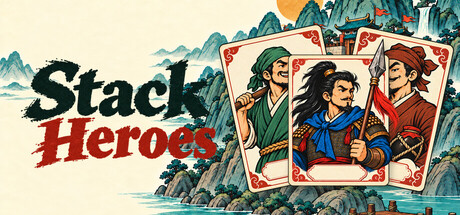
All content in Stack Heroes is generated using AI, including artwork, character and scene illustrations, UI graphics, music, sound effects, story and dialogue, other text, localization, and game program code. This content is generated during development and included in the game. The game does not generate AI content during gameplay or connect to external AI services.
Some in-game visual assets were created with the assistance of generative AI. All AI-assisted content is pre-generated and included in the shipped game; no content is generated during gameplay.
Generative AI tools were used during development to assist with the creation of some visual assets and promotional artwork. No generative AI is used during gameplay and no content is generated in real time.
AI tools are used to speed up coding and to generate the visual art you see in the game.
This is not the work of a "soul less machine" - It takes real human effort besides the generation of images.
Even if you dislike AI in games, I hope you will try my game demo when available and see for yourself if it is fun. Personally I think AI will let me respond to feedback faster and give you a better game.
Thank you!
Pre-generated AI was used to create selected 2D artwork included in the game, including a painting and menu imagery. All generated content was reviewed and selected by the developer before inclusion. The game does not generate AI content during gameplay and does not connect to a live AI service.
Generative AI was used during development to assist with pre-rendered character and environment artwork, animations, music and sound effects, and portions of narrative writing and localization. These materials are included as fixed game assets. The game does not generate AI content or connect to external AI services during gameplay.
Generative AI tools were used during development to create some in-game artwork, including robot sprites and relic icons, and promotional artwork, including the game logo and Steam store artwork. These assets are pre-generated. The game does not generate AI content or connect to AI services during gameplay.
[Generative AI Disclosure]This game contains content created or assisted by generative AI, including:Images: [card illustrations, backgrounds, UI icons, marketing art, etc.]Text: [in-game text, descriptions, localization drafts, prompt text, etc.]Voice: [character voice, narration, voice-over prompts, etc.]These assets are pre-generated during development and have been reviewed, edited, and integrated by the development team. They are not generated in real time during gameplay.
AI tools were used solely for generating background images. All character art, UI elements, writing, and other visual content were created entirely by the development team without the use of generative AI.
The Steam store page artwork (capsule, header, hero, logo and icon images) was created with the help of a generative AI image tool, using our own prompts and art direction. This artwork is used on the store page only and is not part of the game itself. Screenshots and trailer footage are real in-engine captures. The game itself contains no AI-generated art, audio, voice or text, and it does not use generative AI while you play.
The game's artwork, audio and other assets are not AI-generated. The game engine is written from scratch over the course of 8 months in C++ and Simple DirectMedia Layer 2; in which Codex assistance was used for programming. No content is generated by AI during gameplay. No AI service is used during gameplay. All AI actions in the game are classic decision tree based intelligence made.
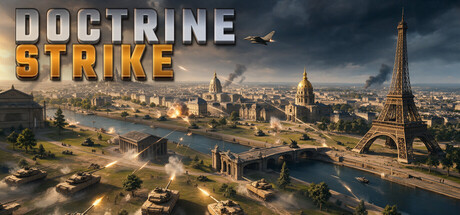
Doctrine Strike uses generative AI in its art pipeline. Unit models, structures, faction artwork, and the key art on this page were produced with AI image and 3D generation tools, then reviewed, edited and assembled by the team before shipping. Every asset that reaches the game passes human review.
While playing, players can also generate landmark models, units and faction artwork from their own text descriptions. This uses third-party AI services reached through our own server and costs credits bought in-game through Steam. The results are stored only on the player's own computer and are never shared with other players.
Game source code, videos, images, and music in some parts of the game are initially generated using generative AI and then manually edited and refined.
Gemini app was used to assist in the Mandarin translations. Gemini app also assisted in reading through Godot's documentation and developing shader code.
Some 3D models and character animations were generated with Meshy and then edited by our team in Blender. Some 2D artwork (backdrops, posters, signage art) was generated with Stable Diffusion XL and finished by hand. Some sound effects, ambience and the trailer music were generated with ElevenLabs. The Boss and announcer voice lines use text-to-speech. The game's translations were produced with AI and are being reviewed. No AI content is generated while you play.
Pre-generated content: some 3D props and models, music tracks, sound effects and some artwork were created with generative AI tools (such as Meshy and ElevenLabs) and then reviewed, edited and integrated by the developer. No content is generated in real time during gameplay.
AI was used to help generate code and as a tool to troubleshoot it. The poker chip images on the seat badges, and the achievement icons built from them, were generated with an image model from prompts written for this game, then prepared and finished by hand. Nothing is generated while the game runs.
Some in-game text, the translations into seven languages and parts of the artwork and store material were created with the help of generative AI tools, then reviewed and edited by the developer. The game does not use AI to generate any content while you play and does not connect to any AI service.
Some content in this game was made with AI tools: the translations, textures, and interface icons. The music and sound effects are human recordings. Nothing is generated by AI while you play.
The majority of the core art assets have been purchased and used under license, however some additional art assets have been AI-generated to supplement development.
Some voice lines and background audio effects in this game were generated or modified using generative artificial intelligence tools. These audio files were then processed and mixed manually by the developer.
Some artwork and localized text were created with generative AI assistance. Optional AI chat generates text replies through a service chosen and configured by the player: OpenAI, Claude, Gemini, DeepSeek, Kimi or a custom compatible endpoint.
Some of the pixel art in the game (background scenes and character portraits) and the store page key art were created with the help of generative AI tools and then edited and assembled by hand. No AI content is generated while you play.
Pre-generated content: generative AI tools were used during development to help create some of the game's 3D models, concept art and illustrations, music, voice lines and sound effects, as well as part of the store artwork and trailer footage. All of this content was selected, edited, integrated and adjusted by hand by the developer. The game's design, writing, story, code and balance are human-made. No content is generated by AI while the game is running.
Several 3D assets in this game — including some character models and props — were created with generative AI tools (Meshy) and then converted, cleaned up and hand-adjusted before being used in the game. Textures are either hand-made or generated procedurally with our own code.
Nook uses generative AI for character artwork and video assets. During use, AI generates personalized dialogue, speech, and short video responses based on the player's conversation.
In the development of this game, artificial intelligence was used in the following areas:
Code and Logic: Game algorithms (including the autopilot systems and the mission generator) were developed with the assistance of AI-powered programming tools and assistants.
Graphics and Audio: Selected graphic/visual elements and the audio design were generated using artificial intelligence tools.
The game does not use generative artificial intelligence to create content in real time during actual gameplay—all assets were pre-generated and are part of the static game content.
Generative AI was used to create or edit some images, generate English voice audio, and assist with translation. All content was prepared before release. No content is generated and no external AI services are accessed during gameplay.
Generative AI tools were used to assist in the creation of various assets for the game. All generated graphics were subsequently edited, refined, and adjusted in Adobe Photoshop by the developer. No AI-generated graphics are used directly in the game without manual editing and refinement.
Generative AI tools were used in the development of some visual assets, primarily to help enhance and upscale textures and create additional variations. All assets were reviewed and integrated by the development team as part of the game's art pipeline.
Generative AI assisted some game art, store illustrations, logos and icons. Screenshots show the actual development build. No AI content is generated during gameplay.
AmplyVally contains pre-generated AI content: all sound effects (about 90 short sounds for building, crowds, weather and stages) were created with ChatGPT (OpenAI), and the background music track was generated with Suno. This content was created during development and ships with the game. No AI content is generated while the game is running. Artwork, maps and game code are not AI-generated.
All content in Stack Heroes is generated using AI, including artwork, character and scene illustrations, UI graphics, music, sound effects, story and dialogue, other text, localization, and game program code. This content is generated during development and included in the game. The game does not generate AI content during gameplay or connect to external AI services.
Some in-game visual assets were created with the assistance of generative AI. All AI-assisted content is pre-generated and included in the shipped game; no content is generated during gameplay.
Generative AI tools were used during development to assist with the creation of some visual assets and promotional artwork. No generative AI is used during gameplay and no content is generated in real time.
AI tools are used to speed up coding and to generate the visual art you see in the game.
This is not the work of a "soul less machine" - It takes real human effort besides the generation of images.
Even if you dislike AI in games, I hope you will try my game demo when available and see for yourself if it is fun. Personally I think AI will let me respond to feedback faster and give you a better game.
Thank you!
Pre-generated AI was used to create selected 2D artwork included in the game, including a painting and menu imagery. All generated content was reviewed and selected by the developer before inclusion. The game does not generate AI content during gameplay and does not connect to a live AI service.
Generative AI was used during development to assist with pre-rendered character and environment artwork, animations, music and sound effects, and portions of narrative writing and localization. These materials are included as fixed game assets. The game does not generate AI content or connect to external AI services during gameplay.
Generative AI tools were used during development to create some in-game artwork, including robot sprites and relic icons, and promotional artwork, including the game logo and Steam store artwork. These assets are pre-generated. The game does not generate AI content or connect to AI services during gameplay.
[Generative AI Disclosure]This game contains content created or assisted by generative AI, including:Images: [card illustrations, backgrounds, UI icons, marketing art, etc.]Text: [in-game text, descriptions, localization drafts, prompt text, etc.]Voice: [character voice, narration, voice-over prompts, etc.]These assets are pre-generated during development and have been reviewed, edited, and integrated by the development team. They are not generated in real time during gameplay.
AI tools were used solely for generating background images. All character art, UI elements, writing, and other visual content were created entirely by the development team without the use of generative AI.
The Steam store page artwork (capsule, header, hero, logo and icon images) was created with the help of a generative AI image tool, using our own prompts and art direction. This artwork is used on the store page only and is not part of the game itself. Screenshots and trailer footage are real in-engine captures. The game itself contains no AI-generated art, audio, voice or text, and it does not use generative AI while you play.
The game's artwork, audio and other assets are not AI-generated. The game engine is written from scratch over the course of 8 months in C++ and Simple DirectMedia Layer 2; in which Codex assistance was used for programming. No content is generated by AI during gameplay. No AI service is used during gameplay. All AI actions in the game are classic decision tree based intelligence made.
Doctrine Strike uses generative AI in its art pipeline. Unit models, structures, faction artwork, and the key art on this page were produced with AI image and 3D generation tools, then reviewed, edited and assembled by the team before shipping. Every asset that reaches the game passes human review.
While playing, players can also generate landmark models, units and faction artwork from their own text descriptions. This uses third-party AI services reached through our own server and costs credits bought in-game through Steam. The results are stored only on the player's own computer and are never shared with other players.
Game source code, videos, images, and music in some parts of the game are initially generated using generative AI and then manually edited and refined.
Gemini app was used to assist in the Mandarin translations. Gemini app also assisted in reading through Godot's documentation and developing shader code.
Some 3D models and character animations were generated with Meshy and then edited by our team in Blender. Some 2D artwork (backdrops, posters, signage art) was generated with Stable Diffusion XL and finished by hand. Some sound effects, ambience and the trailer music were generated with ElevenLabs. The Boss and announcer voice lines use text-to-speech. The game's translations were produced with AI and are being reviewed. No AI content is generated while you play.