Public Steam disclosure research25,380 disclosures tracked
Where do games disclose AI use?
Search developers’ Steam disclosures, compare classified AI use across
games, and follow recorded changes.
This index adds cross-game classifications and statistics to
statements published on individual store pages.
Groups reflect automatic analysis of public disclosures; mature records are excluded. These counts do not measure AI use across all of Steam.
Missing or unclear statements cannot establish whether a game uses AI.
Some 2D art assets (character portraits and a portion of the character sprites) and some in-game text (dialogue lines) were produced with the assistance of generative AI tools. All AI-generated output was manually edited, retouched and adjusted by the developer before being included in the game.
No content is generated at runtime; everything ships with the build as pre-generated assets.
Some images and translations used in the game and its marketing materials were created or assisted using generative AI tools only when necessary. The majority of the assets were created by human artists and contributors. All AI-assisted content was reviewed and integrated by the development team before inclusion.
Generative AI was used to write, edit, and translate text on this Steam store page. It is not used during gameplay, and no AI-generated images, audio, or in-game assets are included.
Generative AI was used selectively during development for certain materials; all final content was refined by the developer. No real-time AI generation is used.
Generative AI technology is used in a supplementary capacity during the creation of some 2D prop assets.
Any such assets are replaced through our production pipeline by our art and development teams, ensuring they meet our quality standards and creative direction.
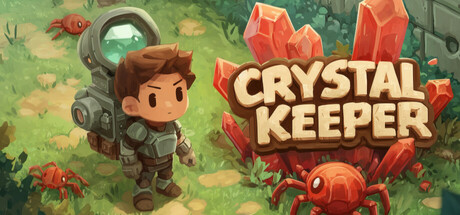
Crystal Keeper is made by one person. I used generative AI tools during development to help create some of the game's assets, such as artwork and music, every asset was hand-picked and integrated by me. No AI is used at runtime: nothing is generated while you play.
The in-game voiceover is generated in real-time by a text-to-speech AI model running entirely on your computer. This model only narrates built-in, pre-approved game text. None of your inputs will be sent to the AI model. The entire process runs locally offline.
Some game art was created with generative AI assistance (Grok / xAI). Design and direction by Rubbleline Games. No AI content is generated during gameplay, and the game does not call external AI services while playing.
During development, we used Google Gemini AI to assist in generating narrative elements, such as item descriptions and quest lore. While the core story and world-building were meticulously designed by our human team, AI helped us expand the depth and variety of in-game text. All AI-assisted content has been thoroughly reviewed and edited by our developers to ensure quality and consistency.
"Generative AI tools were used during development to assist in creating a portion of the art, background assets, and UI icons. All AI-generated content was reviewed and manually refined by our team."
This game was developed with the assistance of generative AI. Music, sound effects, translation, and some visual art were AI-generated, then curated and adjusted by the developer.
Generative artificial intelligence was used during development mainly to assist with localization and code, with some 2D/3D assets, and selected audio assets. All AI-assisted content was manually reviewed, edited, and refined by the developer before use.
Generative AI was used to assist in creating some visual assets, dialogue, and localization for the game. AI-generated visual assets were manually pixel-edited, recolored, and refined by the developer to match the game's art style. AI-assisted dialogue and localization were reviewed and edited by the developer before being included in the game. No generative AI content is created dynamically during gameplay.
This game uses AI-assisted tools in parts of its development process, including translation for the Steam store page and some in-game UI text, as well as assistance during the creation of certain visual assets.
AI-assisted tools were used solely during development to support programming tasks such as coding, debugging, and refactoring. All resulting code was reviewed, tested, and integrated by the developer. The game does not generate content using AI during gameplay.
Some pre-rendered assets in this game and its store presence were created with the assistance of generative AI tools: portions of the 2D artwork (such as backdrop and ramp textures, marketing and capsule images) and some sound effects. All AI-assisted assets were reviewed, selected, and edited by the developer before inclusion. The game's design, code, gameplay systems, writing, and balance are entirely human-made. No content is generated by AI at runtime.
This game uses generative AI to create part of its visual content. Specifically, AI tools were used as part of the graphics workflow to generate concept and source material for sprites and artwork, which were then manually reworked, adjusted, and integrated into the final game using Affinity Designer.
Generative AI tools were used during the development of Bubblecore: Survivors to assist with programming and to create some of the game’s visual and audio assets. All AI-assisted content was selected, edited, integrated, and reviewed by the developer.
Generative AI is not used at runtime: the game does not connect to AI services or generate content while the player is playing.
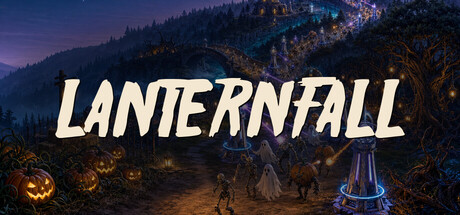
Some of Lanternfall's visual assets were produced with the help of AI tools. Concept art, 3D character and prop models, and character rigging and animation were generated with AI and then edited, corrected, lit, rendered and integrated by hand by the developer. Level backgrounds are hand-composed 3D scenes rendered offline. All shipped content is reviewed, adjusted and owned by EverLabs Software Ltd. No generative AI runs at runtime; nothing is generated live during play.
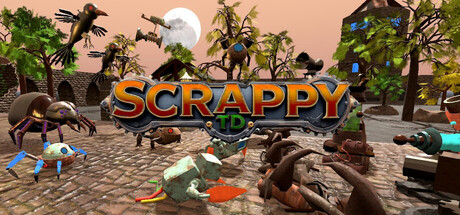
Some of Phosphor Command's store and marketing artwork. Notably, the library/hero image was created using a generative AI image tool, based on our own in‑game screenshots, and finalized by the developer. All AI‑generated content is pre‑generated; the game generates no AI content during gameplay. We hold the rights to use this content.
Generative AI was used to create pre-generated promotional artwork for the Steam store page and Steam library, including capsule, header, hero, and library artwork. The generated artwork was based on the developer's original game concepts and gameplay references. All outputs were manually reviewed, selected, edited, composited, resized, and verified by the developer before publication. Gameplay screenshots and the gameplay trailer use actual in-game footage. The game does not generate AI content during gameplay and does not connect to external AI services.
AI coding assistants were used during development to help create and edit portions of the code and player-facing implementation that ship with the game. The game's 2D artwork was not created by an image-generation model. All AI-assisted outputs were reviewed, edited, and integrated by the developer. The game does not use generative AI at runtime.
Generative AI tools were used during development to assist with the creation and iteration of some game assets and development code. AI-assisted content included in the final game is pre-generated and reviewed by the developer. The game does not generate AI content during gameplay.
Pre-generated only. Nothing is generated live while the game runs, and the game makes no network calls of any kind.
2D card illustrations were produced with an AI image tool from hand-written art-direction prompts, then cropped, recoloured and composited by hand into the game's painted card frames. A small number of 3D prop meshes were produced with an image-to-3D model (Microsoft TRELLIS, MIT licensed) and edited before use; most world geometry is built procedurally in code rather than generated. Ambient beds and music were produced with an AI music tool against a fixed written spec (key of D, 72 BPM, fades in from silence, no climax) and are mixed and crossfaded by the game's own audio code.
All code, game design, UI layout, in-game text and store text are human-authored. Some combat sound effects are CC0 samples from Freesound.
No player data is sent to any AI service.
Some visual assets and background music included in this game were created using generative AI tools and have been reviewed, edited, and integrated by the developer.
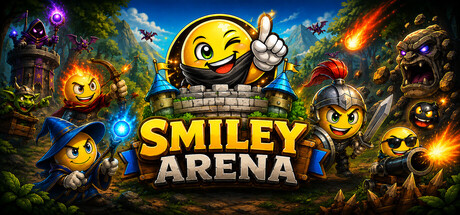
The game's visual assets (mascot design, logo, character art, store graphics, and in-game sprites) were created with the help of an AI image generator and were then selected, edited, and prepared by us for use in the game. This is exclusively pre-generated, fixed content – no content is generated by AI in real time while the game is being played.
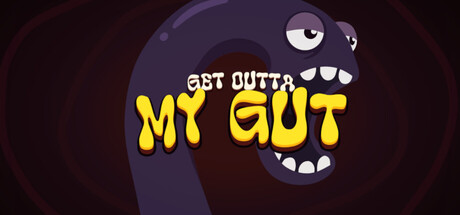
Various visual assets and promotional materials for Get Outta My Gut were created with the assistance of generative AI tools.
All AI-generated content was reviewed, refined, and integrated by the developer to ensure consistency with the game's artistic direction and quality standards.
Generative AI tools, including Claude and Codex, were used during development to assist with programming, game logic, written content, and other development tasks. All AI-assisted output was reviewed, edited, and integrated by the developer before inclusion in the final product. The game does not generate AI content during gameplay and does not connect to external generative AI services at runtime.
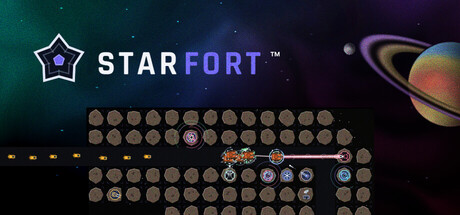
Some assets in Starfort, including selected voice lines, artwork, and marketing materials, were created with the help of generative AI tools during development. All such content was reviewed, edited, curated, and finalized by the developer and is pre-generated. Starfort does not generate content during gameplay or connect to external AI services.
Some of the capsule artwork on this store page was created with the help of AI tools. No AI-generated content is used in the game's in-game art, code, audio or text.
The 2D background images in the main menu and the promotional (capsule) designs used on the Steam store page were created with the help of generative AI tools and subsequently edited manually. The characters, battlefields, and in-game pixel art graphics that make up the core game experience are completely outside of this scope.
Generative AI tools were used during development for limited coding assistance and as a starting point for some 3D assets. All AI-assisted content was reviewed, modified, and integrated by the developer. No generative AI is used during gameplay.
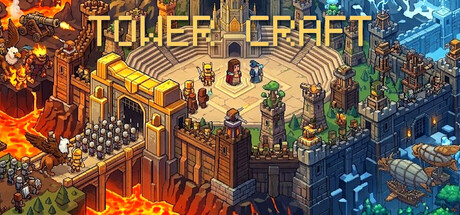
Tower Craft was developed with AI-assisted tools. All 3D models, animations and sound effects are procedurally generated by code that was written with AI assistance; the interface translations for the game's 14 languages were produced with AI assistance and reviewed by the developer. Store page text and marketing materials were also created with AI assistance. The game does not generate any content with AI at runtime — every battle plays out through deterministic, hand-tuned game logic.
Some 2D art assets (character portraits and a portion of the character sprites) and some in-game text (dialogue lines) were produced with the assistance of generative AI tools. All AI-generated output was manually edited, retouched and adjusted by the developer before being included in the game.
No content is generated at runtime; everything ships with the build as pre-generated assets.
Some images and translations used in the game and its marketing materials were created or assisted using generative AI tools only when necessary. The majority of the assets were created by human artists and contributors. All AI-assisted content was reviewed and integrated by the development team before inclusion.
Generative AI was used to write, edit, and translate text on this Steam store page. It is not used during gameplay, and no AI-generated images, audio, or in-game assets are included.
Generative AI was used selectively during development for certain materials; all final content was refined by the developer. No real-time AI generation is used.
Generative AI technology is used in a supplementary capacity during the creation of some 2D prop assets.
Any such assets are replaced through our production pipeline by our art and development teams, ensuring they meet our quality standards and creative direction.
Crystal Keeper is made by one person. I used generative AI tools during development to help create some of the game's assets, such as artwork and music, every asset was hand-picked and integrated by me. No AI is used at runtime: nothing is generated while you play.
The in-game voiceover is generated in real-time by a text-to-speech AI model running entirely on your computer. This model only narrates built-in, pre-approved game text. None of your inputs will be sent to the AI model. The entire process runs locally offline.
Some game art was created with generative AI assistance (Grok / xAI). Design and direction by Rubbleline Games. No AI content is generated during gameplay, and the game does not call external AI services while playing.
During development, we used Google Gemini AI to assist in generating narrative elements, such as item descriptions and quest lore. While the core story and world-building were meticulously designed by our human team, AI helped us expand the depth and variety of in-game text. All AI-assisted content has been thoroughly reviewed and edited by our developers to ensure quality and consistency.
"Generative AI tools were used during development to assist in creating a portion of the art, background assets, and UI icons. All AI-generated content was reviewed and manually refined by our team."
This game was developed with the assistance of generative AI. Music, sound effects, translation, and some visual art were AI-generated, then curated and adjusted by the developer.
Generative artificial intelligence was used during development mainly to assist with localization and code, with some 2D/3D assets, and selected audio assets. All AI-assisted content was manually reviewed, edited, and refined by the developer before use.
Generative AI was used to assist in creating some visual assets, dialogue, and localization for the game. AI-generated visual assets were manually pixel-edited, recolored, and refined by the developer to match the game's art style. AI-assisted dialogue and localization were reviewed and edited by the developer before being included in the game. No generative AI content is created dynamically during gameplay.
This game uses AI-assisted tools in parts of its development process, including translation for the Steam store page and some in-game UI text, as well as assistance during the creation of certain visual assets.
AI-assisted tools were used solely during development to support programming tasks such as coding, debugging, and refactoring. All resulting code was reviewed, tested, and integrated by the developer. The game does not generate content using AI during gameplay.
Some pre-rendered assets in this game and its store presence were created with the assistance of generative AI tools: portions of the 2D artwork (such as backdrop and ramp textures, marketing and capsule images) and some sound effects. All AI-assisted assets were reviewed, selected, and edited by the developer before inclusion. The game's design, code, gameplay systems, writing, and balance are entirely human-made. No content is generated by AI at runtime.
This game uses generative AI to create part of its visual content. Specifically, AI tools were used as part of the graphics workflow to generate concept and source material for sprites and artwork, which were then manually reworked, adjusted, and integrated into the final game using Affinity Designer.
Generative AI tools were used during the development of Bubblecore: Survivors to assist with programming and to create some of the game’s visual and audio assets. All AI-assisted content was selected, edited, integrated, and reviewed by the developer.
Generative AI is not used at runtime: the game does not connect to AI services or generate content while the player is playing.
Some of Lanternfall's visual assets were produced with the help of AI tools. Concept art, 3D character and prop models, and character rigging and animation were generated with AI and then edited, corrected, lit, rendered and integrated by hand by the developer. Level backgrounds are hand-composed 3D scenes rendered offline. All shipped content is reviewed, adjusted and owned by EverLabs Software Ltd. No generative AI runs at runtime; nothing is generated live during play.
Some of Phosphor Command's store and marketing artwork. Notably, the library/hero image was created using a generative AI image tool, based on our own in‑game screenshots, and finalized by the developer. All AI‑generated content is pre‑generated; the game generates no AI content during gameplay. We hold the rights to use this content.
Generative AI was used to create pre-generated promotional artwork for the Steam store page and Steam library, including capsule, header, hero, and library artwork. The generated artwork was based on the developer's original game concepts and gameplay references. All outputs were manually reviewed, selected, edited, composited, resized, and verified by the developer before publication. Gameplay screenshots and the gameplay trailer use actual in-game footage. The game does not generate AI content during gameplay and does not connect to external AI services.
AI coding assistants were used during development to help create and edit portions of the code and player-facing implementation that ship with the game. The game's 2D artwork was not created by an image-generation model. All AI-assisted outputs were reviewed, edited, and integrated by the developer. The game does not use generative AI at runtime.
Generative AI tools were used during development to assist with the creation and iteration of some game assets and development code. AI-assisted content included in the final game is pre-generated and reviewed by the developer. The game does not generate AI content during gameplay.
Pre-generated only. Nothing is generated live while the game runs, and the game makes no network calls of any kind.
2D card illustrations were produced with an AI image tool from hand-written art-direction prompts, then cropped, recoloured and composited by hand into the game's painted card frames. A small number of 3D prop meshes were produced with an image-to-3D model (Microsoft TRELLIS, MIT licensed) and edited before use; most world geometry is built procedurally in code rather than generated. Ambient beds and music were produced with an AI music tool against a fixed written spec (key of D, 72 BPM, fades in from silence, no climax) and are mixed and crossfaded by the game's own audio code.
All code, game design, UI layout, in-game text and store text are human-authored. Some combat sound effects are CC0 samples from Freesound.
No player data is sent to any AI service.
Some visual assets and background music included in this game were created using generative AI tools and have been reviewed, edited, and integrated by the developer.
The game's visual assets (mascot design, logo, character art, store graphics, and in-game sprites) were created with the help of an AI image generator and were then selected, edited, and prepared by us for use in the game. This is exclusively pre-generated, fixed content – no content is generated by AI in real time while the game is being played.
Various visual assets and promotional materials for Get Outta My Gut were created with the assistance of generative AI tools.
All AI-generated content was reviewed, refined, and integrated by the developer to ensure consistency with the game's artistic direction and quality standards.
Generative AI tools, including Claude and Codex, were used during development to assist with programming, game logic, written content, and other development tasks. All AI-assisted output was reviewed, edited, and integrated by the developer before inclusion in the final product. The game does not generate AI content during gameplay and does not connect to external generative AI services at runtime.
Some assets in Starfort, including selected voice lines, artwork, and marketing materials, were created with the help of generative AI tools during development. All such content was reviewed, edited, curated, and finalized by the developer and is pre-generated. Starfort does not generate content during gameplay or connect to external AI services.
Some of the capsule artwork on this store page was created with the help of AI tools. No AI-generated content is used in the game's in-game art, code, audio or text.
The 2D background images in the main menu and the promotional (capsule) designs used on the Steam store page were created with the help of generative AI tools and subsequently edited manually. The characters, battlefields, and in-game pixel art graphics that make up the core game experience are completely outside of this scope.
Generative AI tools were used during development for limited coding assistance and as a starting point for some 3D assets. All AI-assisted content was reviewed, modified, and integrated by the developer. No generative AI is used during gameplay.
Tower Craft was developed with AI-assisted tools. All 3D models, animations and sound effects are procedurally generated by code that was written with AI assistance; the interface translations for the game's 14 languages were produced with AI assistance and reviewed by the developer. Store page text and marketing materials were also created with AI assistance. The game does not generate any content with AI at runtime — every battle plays out through deterministic, hand-tuned game logic.