Public Steam disclosure research25,376 disclosures tracked
Where do games disclose AI use?
Search developers’ Steam disclosures, compare classified AI use across
games, and follow recorded changes.
This index adds cross-game classifications and statistics to
statements published on individual store pages.
Groups reflect automatic analysis of public disclosures; mature records are excluded. These counts do not measure AI use across all of Steam.
Missing or unclear statements cannot establish whether a game uses AI.
About Generative AI Content
We want to be transparent with our players about how AI was used during the development of this game:
Visual Art: Certain visual assets and background elements in this game were created with the assistance of generative AI tools, then reviewed and integrated by our team.
Code & Development: We utilized AI-powered coding assistant and large language models to help prototype, write, and optimize parts of the game's code to speed up development efficiency.
All AI-generated outputs shipped to players have been curated to ensure they meet our quality standards for your experience.
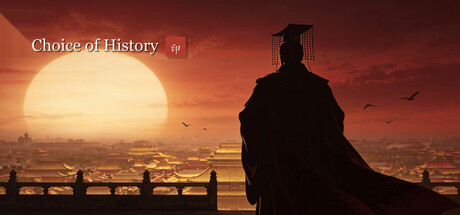
Some pre-generated static 2D visual assets were created with OpenAI image generation tools, including key art, fictional character portraits, historical event illustrations, map icons, and artwork used to derive store capsules. The developer selected, reviewed, edited, cropped, typeset, and integrated the final assets. Generated images contain no embedded title text; the Chinese and English logos are separately typeset using a licensed font. The game does not generate content with AI while it is running.
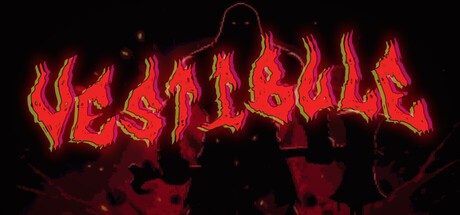
Vestibule's pixel art was generated with an AI art tool, with every design directed, refined, and hand-edited by the developer. Individual trailer and cinematic clips were generated with an AI video tool, built from the game's own artwork and developer-written scene descriptions — the final edit, scene sequencing, and music timing were done manually by the developer in After Effects. All game design, systems, writing, and code are original work.
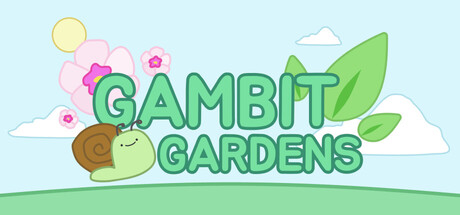
Store page capsule is temporary ai-generated placeholder, and will be replaced soon.
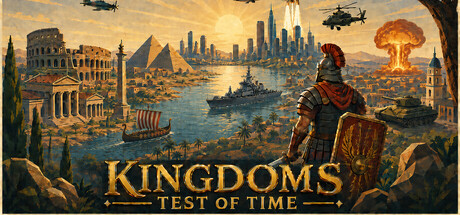
Cards, some leaders and UI-elements artwork is generated with AI tools, then hand-edited before it goes into the game. They will be phased out as budget and time allows.
All historical data is researched and verified by the developer from published records. Some in-game descriptive text (event descriptions, class histories) and the player's guide were drafted with AI assistance under the developer's editorial control and review. No AI-generated artwork, audio or photographs are used.
AI was used to assist with localization of the game's store page into additional languages as a placeholder until I am able to hire a localization team. All localized text was reviewed and edited before publication.
The English and Turkish text in Slots & Skulls is written entirely by the developer. Gen AI was used only to translate in game and store text into the game's other supported languages.
No AI tools were used to create any visual or audio asset: all art, animation, UI, music and sound effects are made by hand or licensed from human creators.
I use Bezi, an AI coding tool for Unity to help develop some of the more complicated algorithms used in pathfinding and enemy AI. I review all generated code used in the game and make modifications when necessary.
AI was used to help code the game, and some of the in-game text was generated by it (and checked my grammar). I love video games, but I work in the financial universe, so without AI I would not be able to mechanically develop the game and do all the steps as a solo project. (Kudos to solo developers pre-AI, next level people)
Some marketing artwork for the store page (the capsule's sky, city backdrop, rain and lettering layers) was produced with generative image tools (OpenAI image generation, Google Gemini) and then composited and edited by hand. A few placeholder textures currently in the build (the city seen through the office window and its signs, and the sample sheets in the customization menu) were AI-generated and are scheduled to be replaced with licensed or hand-made art before release. AI coding and writing assistants were used during development for parts of the source code, documentation and drafts of store text; all game rules, design decisions and final art direction are the developer's own. The game does not generate content with AI at runtime.
Generative AI was used to assist in the creation of some pre-generated promotional artwork for the Steam store page. ModuleZ does not use generative AI to generate content during gameplay.
Generative AI tools were used to create and edit selected pre-rendered visual assets, animations, and marketing materials. The game does not use live-generated AI content during gameplay.
The illustrations in this game (Battle Card art, faction emblems, Commander portraits and board imagery) were generated with Midjourney, working from the designer's own concept art and art direction. Each image was then selected, tone-matched to the card stock, fitted and composited into the game's frames.
Card names, card text and the written rules were drafted with the assistance of a large language model, working from the designer's original hand-written rules and card designs, then edited and finalized by hand. The music and sound effects were generated with Suno. Voice recordings were performed by the creator.
The game itself is a person's work: the rules, the mechanics, the economy and the balance decisions were designed by hand over many revisions, with AI used as a collaborator rather than an author. The physical board game came first.
No content is generated by AI while you play. The computer opponents are conventional rule-based code, not a generative model.
Generative AI tools were used during development to create some pre-generated visual artwork used in marketing/store assets and some pre-generated background music used in the game. The game does not use generative AI to create content during gameplay.
Slightly Random Dungeons prioritises human generated assets. Player-facing prose is constructed from bespoke human composed words (writer’s block pending).
We have engaged a human artist for our bestiary, portraits and scenery art, and use human developed icons and inventory assets, UI elements, music and effects made in house or under licence with a minority of AI generated pieces filling gaps until the alternative arrives.
Any AI agent use has been supervised by humans, these agents have not yet unionised.
Generative AI was used to assist in the creation of some visual assets used in the game. AI-assisted assets were reviewed and prepared by the development team for use in the game.
The illustrations in Dead Market — the 247 card images, the cutscene plates, the premises backdrops and the nine-slice chrome — were generated with image models during development, then selected, corrected, composed and integrated by hand against the game's own manifest. Everything that displays a live value is drawn procedurally in the engine rather than being an image. The spoken lines were synthesised from a written script, one voice per character, and edited into the game.
Nothing is generated while the game runs. There is no model in the build, no network code and no telemetry.
Some of the original art in this game (the bonus cards, bomb card, curse card, crimson paulownia card, soiled card back, pixel card back, two reward chest frames, and combination popup frame) was created using AI-assisted procedural generation scripts. The store capsules, icon, and trailer are derived from this in-game art and are therefore covered by this disclosure.
All supported languages other than Korean (including English) were translated using AI translation tools, then checked through machine back-translation and additional review.
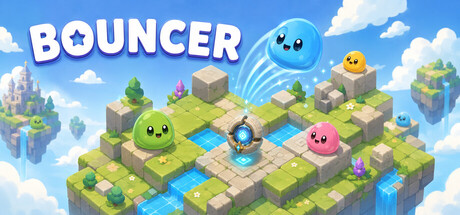
The images currently used on the Steam store page, including the capsule art, were generated using AI. All of these images will be replaced with final, original artwork when the game demo is released.
No AI-generated assets are used in the game itself.
Generative AI is used as part of the development process for character illustrations, background images, background music (BGM), the implementation of custom gameplay systems, and user interface (UI) elements.
We've leveraged the capabilities of Generative AI technology to create some of the unique themed backgrounds, characters, and content elements featured in our game. This innovative approach allows us to deliver a richer, more immersive experience, filled with visually captivating and creatively inspired designs that enhance every moment of gameplay.
The game's visual assets (team crests, logos, player sprites, play cards and UI icons), in-game writing (the manual, tips, and team and town descriptions) and music (16 tracks generated with Suno under a paid commercial license) were created with the assistance of AI tools during development, under the direction of a single human designer who authored the game's design, systems and football logic. No content is generated while the game is running.
This game was developed with the help of generative AI tools in the following areas.
■ Illustrations and images
2D artwork such as backgrounds, character portraits, cut-in illustrations, character creator parts, achievement icons, and store artwork was produced using image generation AI. The developer designed and directed the composition, character design, colors, and intent, then selected, retouched, cropped, and composited the generated images before including them in the game.
■ Music
The background music was produced using music generation AI. The developer designed the required mood for each scene, generated candidates, then selected and edited the tracks that are included in the game.
■ Program code
AI coding assistance tools were used for part of the implementation work.
■ Assets that do not involve AI
All sound effects and character voices are existing human-created audio assets (Soundeffect Lab, Kurage Kosho, T-Suta, DOVA-SYNDROME), used in accordance with each provider's terms of use. They are not AI generated. The font is "Zen Kaku Gothic New," provided under the SIL Open Font License.
■ Rights and legal care
All AI-generated assets were reviewed by the developer to ensure they contain no illegal content and do not infringe the rights of third parties. No generation was performed with the intent of imitating any specific real person or existing work.
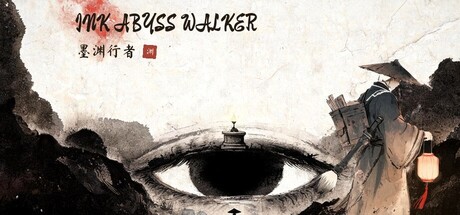
INK ABYSS WALKER was crafted by a single indie developer. During development, AI tools were used as an assist to produce quick, early drafts of some illustrations and text — helping an ink-soaked idea take shape as images and words more efficiently. The core gameplay, worldbuilding, card and number balance, narrative, and overall tone, however, were all led, iterated and finalised by hand by the developer. AI is a tool that helps an idea move faster — not the author of it. Everything you see was selected, refined and re-crafted by a person, to keep faith with the game's ink-wash spirit. Thank you to every walker who carries the lamp onward.
Some visual and audio assets in this game were created with generative AI during development.
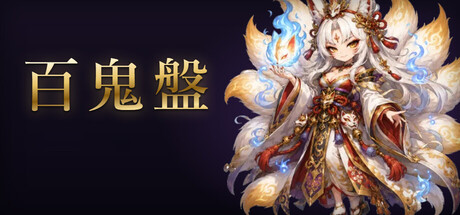
• Yokai piece illustrations were generated with OpenAI GPT Images, then selected and cropped for in-game use. The same art may also appear in store screenshots.
• Title and battle music were generated with Google Gemini (Lyria), then selected for looping playback.
Rules, gameplay code, sound effects, and UI text were not live-generated. This game does not call an AI service while you play.
Generative AI tools were used during development to enhance and refine certain images which included improving resolution, clarity, colour. No AI-generated content is created during gameplay.
Some of this game's assets and content were created with the help of generative AI tools during development. This includes certain graphical assets (such as store and marketing art and athlete portraits) and was also used to help generate and populate in-game content such as races, athletes and equipment. All AI-assisted content is created during development, reviewed and curated by the developer, and ships as fixed, pre-made content — the game does not generate any content with AI in real time, and does not connect to any AI service during play.
AI tools were used during development to create pre-generated content. The game's text was translated from English into 16 additional languages using AI translation with automated consistency review. Game artwork and the soundtrack were created by the developer using generative AI tools; every asset was individually reviewed and curated before inclusion. Store page assets (screenshots, trailer, capsule art) depict or derive from this same game content. The game contains no live/runtime AI generation — all content is fixed at build time, and the game runs fully offline.
All card art, UI, and character face customization are hand-drawn by me. Everything in this game is made by me or from purchased assets, except for one wall painting and one window decoration texture, which were AI generated and will be replaced later.
AI assistance was used in the development of this game. Players are strongly advised to play using mainstream free "flash" AI APIs such as Agnes API or Qwen API — simply fill in your API information in the game settings. For the sake of speed, enabling thinking mode is not recommended. This game contains optional generative AI features. In “AI-Enhanced Narrative Mode”, the game calls the third-party LLM API you provide yourself, generating more immersive event text in real time as you play. This mode is entirely optional: even without connecting any API, you can still fully experience all of the built-in, human-written historical content and the core gameplay. The game will not use your gameplay data to train any models. All AI-generated content is controlled by your own API key and quota, and you are responsible for your own usage.
Props to you for checking this out! I used AI to help code some of the newer features and port this from my original mobile build as it saved a lot of dev time. Everything else—sounds, amateur vector art, and the remaining 85%+ of the code is completely human-crafted.
AI generation was used in the concept art for the game that is currently on display with the game screenshots. We are currently working on making the real art for the game, but wanted to provide the artstyle that we are aiming towards. The game itself, including in-game current and future art, is human made.
The code, the in-game text and its translations into six languages were written with the help of an AI assistant, then reviewed and edited by the developer.
No images or audio were AI-generated: all artwork is built from licensed photography, a licensed typeface and licensed icons, and all sound comes from a licensed royalty-free library. Full credits are in the game.
Nothing is generated while you play — the game makes no network requests at all.
Some assets in this game were created with the help of generative AI. Generative AI was used to produce background art, background music, sound effects, and in-game icons.
This game includes AI-assisted, human-curated and edited artwork (tile art, actor sprites, and other visual assets). All AI-generated art was reviewed, edited, and approved by the developer before being included. An LLM was used to co-author most code changes. An LLM was used to proof and ideate some of the dialog in the game. All dialog was curated and approved by a human.
This game uses generative AI tools to create some of its content, including logo and icon images, 3D models, and in-game text such as UI captions and descriptions. All AI-generated content is reviewed and adjusted by the developer.
As a small indie team, some of our initial localizations will use AI-assisted translation, and we hope to have them professionally reviewed and polished as our budget grows.
Generative AI tools were used during development to assist with creating and refining some visual concepts and game assets. AI was also used as a development aid for tasks such as prototyping and programming assistance. All generated content was reviewed, selected, and integrated by the developer, and the game does not generate AI content during normal gameplay
About Generative AI Content
We want to be transparent with our players about how AI was used during the development of this game:
Visual Art: Certain visual assets and background elements in this game were created with the assistance of generative AI tools, then reviewed and integrated by our team.
Code & Development: We utilized AI-powered coding assistant and large language models to help prototype, write, and optimize parts of the game's code to speed up development efficiency.
All AI-generated outputs shipped to players have been curated to ensure they meet our quality standards for your experience.
Some pre-generated static 2D visual assets were created with OpenAI image generation tools, including key art, fictional character portraits, historical event illustrations, map icons, and artwork used to derive store capsules. The developer selected, reviewed, edited, cropped, typeset, and integrated the final assets. Generated images contain no embedded title text; the Chinese and English logos are separately typeset using a licensed font. The game does not generate content with AI while it is running.
Vestibule's pixel art was generated with an AI art tool, with every design directed, refined, and hand-edited by the developer. Individual trailer and cinematic clips were generated with an AI video tool, built from the game's own artwork and developer-written scene descriptions — the final edit, scene sequencing, and music timing were done manually by the developer in After Effects. All game design, systems, writing, and code are original work.
Store page capsule is temporary ai-generated placeholder, and will be replaced soon.
Cards, some leaders and UI-elements artwork is generated with AI tools, then hand-edited before it goes into the game. They will be phased out as budget and time allows.
All historical data is researched and verified by the developer from published records. Some in-game descriptive text (event descriptions, class histories) and the player's guide were drafted with AI assistance under the developer's editorial control and review. No AI-generated artwork, audio or photographs are used.
AI was used to assist with localization of the game's store page into additional languages as a placeholder until I am able to hire a localization team. All localized text was reviewed and edited before publication.
The English and Turkish text in Slots & Skulls is written entirely by the developer. Gen AI was used only to translate in game and store text into the game's other supported languages.
No AI tools were used to create any visual or audio asset: all art, animation, UI, music and sound effects are made by hand or licensed from human creators.
I use Bezi, an AI coding tool for Unity to help develop some of the more complicated algorithms used in pathfinding and enemy AI. I review all generated code used in the game and make modifications when necessary.
AI was used to help code the game, and some of the in-game text was generated by it (and checked my grammar). I love video games, but I work in the financial universe, so without AI I would not be able to mechanically develop the game and do all the steps as a solo project. (Kudos to solo developers pre-AI, next level people)
Some marketing artwork for the store page (the capsule's sky, city backdrop, rain and lettering layers) was produced with generative image tools (OpenAI image generation, Google Gemini) and then composited and edited by hand. A few placeholder textures currently in the build (the city seen through the office window and its signs, and the sample sheets in the customization menu) were AI-generated and are scheduled to be replaced with licensed or hand-made art before release. AI coding and writing assistants were used during development for parts of the source code, documentation and drafts of store text; all game rules, design decisions and final art direction are the developer's own. The game does not generate content with AI at runtime.
Generative AI was used to assist in the creation of some pre-generated promotional artwork for the Steam store page. ModuleZ does not use generative AI to generate content during gameplay.
Generative AI tools were used to create and edit selected pre-rendered visual assets, animations, and marketing materials. The game does not use live-generated AI content during gameplay.
The illustrations in this game (Battle Card art, faction emblems, Commander portraits and board imagery) were generated with Midjourney, working from the designer's own concept art and art direction. Each image was then selected, tone-matched to the card stock, fitted and composited into the game's frames.
Card names, card text and the written rules were drafted with the assistance of a large language model, working from the designer's original hand-written rules and card designs, then edited and finalized by hand. The music and sound effects were generated with Suno. Voice recordings were performed by the creator.
The game itself is a person's work: the rules, the mechanics, the economy and the balance decisions were designed by hand over many revisions, with AI used as a collaborator rather than an author. The physical board game came first.
No content is generated by AI while you play. The computer opponents are conventional rule-based code, not a generative model.
Generative AI tools were used during development to create some pre-generated visual artwork used in marketing/store assets and some pre-generated background music used in the game. The game does not use generative AI to create content during gameplay.
Slightly Random Dungeons prioritises human generated assets. Player-facing prose is constructed from bespoke human composed words (writer’s block pending).
We have engaged a human artist for our bestiary, portraits and scenery art, and use human developed icons and inventory assets, UI elements, music and effects made in house or under licence with a minority of AI generated pieces filling gaps until the alternative arrives.
Any AI agent use has been supervised by humans, these agents have not yet unionised.
Generative AI was used to assist in the creation of some visual assets used in the game. AI-assisted assets were reviewed and prepared by the development team for use in the game.
The illustrations in Dead Market — the 247 card images, the cutscene plates, the premises backdrops and the nine-slice chrome — were generated with image models during development, then selected, corrected, composed and integrated by hand against the game's own manifest. Everything that displays a live value is drawn procedurally in the engine rather than being an image. The spoken lines were synthesised from a written script, one voice per character, and edited into the game.
Nothing is generated while the game runs. There is no model in the build, no network code and no telemetry.
Some of the original art in this game (the bonus cards, bomb card, curse card, crimson paulownia card, soiled card back, pixel card back, two reward chest frames, and combination popup frame) was created using AI-assisted procedural generation scripts. The store capsules, icon, and trailer are derived from this in-game art and are therefore covered by this disclosure.
All supported languages other than Korean (including English) were translated using AI translation tools, then checked through machine back-translation and additional review.
The images currently used on the Steam store page, including the capsule art, were generated using AI. All of these images will be replaced with final, original artwork when the game demo is released.
No AI-generated assets are used in the game itself.
Generative AI is used as part of the development process for character illustrations, background images, background music (BGM), the implementation of custom gameplay systems, and user interface (UI) elements.
We've leveraged the capabilities of Generative AI technology to create some of the unique themed backgrounds, characters, and content elements featured in our game. This innovative approach allows us to deliver a richer, more immersive experience, filled with visually captivating and creatively inspired designs that enhance every moment of gameplay.
The game's visual assets (team crests, logos, player sprites, play cards and UI icons), in-game writing (the manual, tips, and team and town descriptions) and music (16 tracks generated with Suno under a paid commercial license) were created with the assistance of AI tools during development, under the direction of a single human designer who authored the game's design, systems and football logic. No content is generated while the game is running.
This game was developed with the help of generative AI tools in the following areas.
■ Illustrations and images
2D artwork such as backgrounds, character portraits, cut-in illustrations, character creator parts, achievement icons, and store artwork was produced using image generation AI. The developer designed and directed the composition, character design, colors, and intent, then selected, retouched, cropped, and composited the generated images before including them in the game.
■ Music
The background music was produced using music generation AI. The developer designed the required mood for each scene, generated candidates, then selected and edited the tracks that are included in the game.
■ Program code
AI coding assistance tools were used for part of the implementation work.
■ Assets that do not involve AI
All sound effects and character voices are existing human-created audio assets (Soundeffect Lab, Kurage Kosho, T-Suta, DOVA-SYNDROME), used in accordance with each provider's terms of use. They are not AI generated. The font is "Zen Kaku Gothic New," provided under the SIL Open Font License.
■ Rights and legal care
All AI-generated assets were reviewed by the developer to ensure they contain no illegal content and do not infringe the rights of third parties. No generation was performed with the intent of imitating any specific real person or existing work.
INK ABYSS WALKER was crafted by a single indie developer. During development, AI tools were used as an assist to produce quick, early drafts of some illustrations and text — helping an ink-soaked idea take shape as images and words more efficiently. The core gameplay, worldbuilding, card and number balance, narrative, and overall tone, however, were all led, iterated and finalised by hand by the developer. AI is a tool that helps an idea move faster — not the author of it. Everything you see was selected, refined and re-crafted by a person, to keep faith with the game's ink-wash spirit. Thank you to every walker who carries the lamp onward.
Some visual and audio assets in this game were created with generative AI during development.
• Yokai piece illustrations were generated with OpenAI GPT Images, then selected and cropped for in-game use. The same art may also appear in store screenshots.
• Title and battle music were generated with Google Gemini (Lyria), then selected for looping playback.
Rules, gameplay code, sound effects, and UI text were not live-generated. This game does not call an AI service while you play.
Generative AI tools were used during development to enhance and refine certain images which included improving resolution, clarity, colour. No AI-generated content is created during gameplay.
Some of this game's assets and content were created with the help of generative AI tools during development. This includes certain graphical assets (such as store and marketing art and athlete portraits) and was also used to help generate and populate in-game content such as races, athletes and equipment. All AI-assisted content is created during development, reviewed and curated by the developer, and ships as fixed, pre-made content — the game does not generate any content with AI in real time, and does not connect to any AI service during play.
AI tools were used during development to create pre-generated content. The game's text was translated from English into 16 additional languages using AI translation with automated consistency review. Game artwork and the soundtrack were created by the developer using generative AI tools; every asset was individually reviewed and curated before inclusion. Store page assets (screenshots, trailer, capsule art) depict or derive from this same game content. The game contains no live/runtime AI generation — all content is fixed at build time, and the game runs fully offline.
All card art, UI, and character face customization are hand-drawn by me. Everything in this game is made by me or from purchased assets, except for one wall painting and one window decoration texture, which were AI generated and will be replaced later.
AI assistance was used in the development of this game. Players are strongly advised to play using mainstream free "flash" AI APIs such as Agnes API or Qwen API — simply fill in your API information in the game settings. For the sake of speed, enabling thinking mode is not recommended. This game contains optional generative AI features. In “AI-Enhanced Narrative Mode”, the game calls the third-party LLM API you provide yourself, generating more immersive event text in real time as you play. This mode is entirely optional: even without connecting any API, you can still fully experience all of the built-in, human-written historical content and the core gameplay. The game will not use your gameplay data to train any models. All AI-generated content is controlled by your own API key and quota, and you are responsible for your own usage.
Props to you for checking this out! I used AI to help code some of the newer features and port this from my original mobile build as it saved a lot of dev time. Everything else—sounds, amateur vector art, and the remaining 85%+ of the code is completely human-crafted.
AI generation was used in the concept art for the game that is currently on display with the game screenshots. We are currently working on making the real art for the game, but wanted to provide the artstyle that we are aiming towards. The game itself, including in-game current and future art, is human made.
The code, the in-game text and its translations into six languages were written with the help of an AI assistant, then reviewed and edited by the developer.
No images or audio were AI-generated: all artwork is built from licensed photography, a licensed typeface and licensed icons, and all sound comes from a licensed royalty-free library. Full credits are in the game.
Nothing is generated while you play — the game makes no network requests at all.
Some assets in this game were created with the help of generative AI. Generative AI was used to produce background art, background music, sound effects, and in-game icons.
This game includes AI-assisted, human-curated and edited artwork (tile art, actor sprites, and other visual assets). All AI-generated art was reviewed, edited, and approved by the developer before being included. An LLM was used to co-author most code changes. An LLM was used to proof and ideate some of the dialog in the game. All dialog was curated and approved by a human.
This game uses generative AI tools to create some of its content, including logo and icon images, 3D models, and in-game text such as UI captions and descriptions. All AI-generated content is reviewed and adjusted by the developer.
As a small indie team, some of our initial localizations will use AI-assisted translation, and we hope to have them professionally reviewed and polished as our budget grows.
Generative AI tools were used during development to assist with creating and refining some visual concepts and game assets. AI was also used as a development aid for tasks such as prototyping and programming assistance. All generated content was reviewed, selected, and integrated by the developer, and the game does not generate AI content during normal gameplay