Public Steam disclosure research25,512 disclosures tracked
Where do games disclose AI use?
Search developers’ Steam disclosures, compare classified AI use across
games, and follow recorded changes.
This index adds cross-game classifications and statistics to
statements published on individual store pages.
Groups reflect automatic analysis of public disclosures; mature records are excluded. These counts do not measure AI use across all of Steam.
Missing or unclear statements cannot establish whether a game uses AI.
Before I get into this, I'd like to say that I am a professional game designer, writer, sprite artist, video animator, music producer, and audio engineer. I worked in the industry for a number of years, and deciding on whether or not to use gen AI was not something I took lightly. I know there are a lot of feelings about this right now, and I understand why a lot of people are hurting, but ultimately, I felt that it enhances the will and talent of the end user. I use programs that claim they are trained on models that own the rights to the content, or are trained on open source materials. This game uses a limited amount of generative AI for content. About 50% of the art assets are generated, then carefully tailored for visual cohesion. Currently, very little animation is done with generative AI, but this could change in the future. The music is 100% human created by Punch Deck. The voiceover is 100% generative AI. Depending on funding, this could change in the future.
The development of this game was handled by a team of just two people. To create a rich and engaging visual novel despite our small size, we used artificial intelligence (AI) as an assistive tool. AI was involved in the initial generation of several elements, including background images, sound effects, and provided a base for editing the character sprites.
Every AI-generated asset was then carefully selected, thoroughly edited, and integrated by us to ensure it fits the game's style and delivers a consistent, high-quality experience. This approach allowed us to bring our idea to life efficiently.
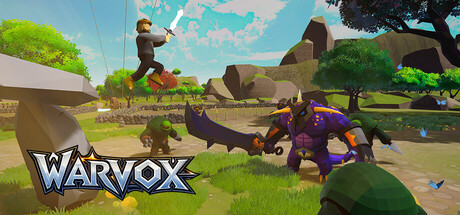
Warvox uses AI-generated artwork only for promotional images on the Steam store page.
The game itself does not use generative AI for gameplay, visuals, characters, environments, quests, dialogue, audio, or story content. All in-game assets, systems, and content are created and authored by the development team.
Any AI referenced within gameplay refers solely to traditional, non-generative game AI systems such as enemy behavior, combat logic, pathfinding, and decision-making. These systems do not generate new content and do not modify player-facing assets.
No generative AI alters player content, visuals, progression, or narrative during gameplay.
We use AI tools to support various parts of our development process:
Coding assistance: AI helps streamline parts of the game development by suggesting or optimizing code.
Concept art: We collaborate with our artists to generate AI-assisted concept art, allowing us to iterate faster during early visual development.
Marketing: Occasionally, we use AI tools in combination with our VFX and music teams to create promotional videos.
Voice acting: We use AI-generated sample lines to guide voice actors during recording sessions and provide reference tone and pacing.
AI generated images have been used as reference images. All generated images have been either very heavily modified or fully redrawn by artists before.
AI tools were used to generate content for both the game and its store presence. Specifically, AI was used to create marketing materials and capsule images for the store page. In-game, AI was utilized to create visual assets for units and buildings, as well as video elements for the studio intro and the main menu.
This is an independently developed game. Generative AI tools are used as an auxiliary creative method in certain development processes, including art design and assisted code development.
All AI-generated assets and code snippets have undergone original conceptualization by the developer, manual modification, detailed refinement, and strict review, ensuring that all content is legal and compliant, stylistically consistent, and does not infringe upon the intellectual property rights of any third party.
Generative AI was used during the development process to assist in creating 2D UI assets (icons) and drafting text for the store page and item descriptions. All AI-generated content was reviewed, edited, and finalized by the developer to ensure it fits the game's aesthetic and does not contain infringing material. The game does not generate any content live via AI during gameplay.
I'm a solo developer making this game entirely on my own with a zero budget. Without AI, I would've gone mad creating such a massive project. It would've taken around 15 years just to reach Early Access.
To be completely transparent: during development, I may use AI tools to assist with content creation, primarily for routine tasks. However, everything is always manually reviewed and refined by me. The workflow is strictly: My work → AI → My work.
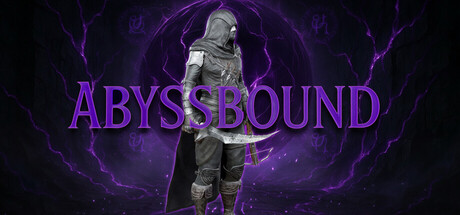
Abyssbound uses generative AI to create certain voice lines and character animations. These AI-generated elements are used to enhance atmosphere and storytelling, but they do not affect gameplay mechanics or player progression. All AI-generated content is integrated in a way that supports the game's artistic direction.
We use AI in early conceptual design, to figure out an appropriate background art. We then go through several iterations manually with artist modifications, to produce a good, highly polished background that gels well with our characters, story and intended art style.
Our characters are hand drawn by humans.
Our objects are hand drawn by humans.
All user interface (UI) elements are hand drawn by humans.
All animations are hand drawn and meticulously rigged (also by humans) using bone animation.
Initial concept art was generated using AI tools, followed by manual adjustments and modifications by artists. The final artwork combines AI-generated base designs with human-made artistic revisions.
The developers used generative AI tools in the creation of the game's logo designs, character mouth animations, and the pre-rendered introductory video.
This game uses generative AI tools for pre-rendered content only. Music was generated using Suno, and some system text and dialogues were created with assistance from GPT-based models. No live generation or AI content creation occurs during gameplay.
We use AI in early conceptual design, to figure out an appropriate background art. We then go through several iterations manually with artist modifications, to produce a good, highly polished background that gels well with our characters, story and intended art style.
Our characters are hand drawn by humans.
Our objects are hand drawn by humans.
All user interface (UI) elements are hand drawn by humans.
All animations are hand drawn and meticulously rigged (also by humans) using bone animation.
AI tools were used exclusively to generate static illustrations and to assist with the translation of the game's text. All character sprites, tiles, and pixel art assets were created by hand by the developer. All AI-generated output has been reviewed, edited, and validated by the developer to ensure it fits the artistic direction and gameplay experience.
Some of the promotional and storefront images were created with AI tools and then refined by hand. All of the in-game assets were designed by a 3D artist.
You talk to characters in the game using a local LLM. There is no cost for tokens, and the model responds in a fun and interesting way. Art in the game is also AI generated (and you can generate your own art to decorate your apartment).
We have utilized AI-assisted design for the store materials and some 2D background images within the game. However, these are not purely AI-generated; they are based on our original photographs that were enhanced using AI technology, and subsequently refined manually to ensure quality.
AI-assisted tools were used during development to help generate early visual concepts and assets. These were then refined, reworked, and integrated by the developer to support the game’s atmosphere.
Before I get into this, I'd like to say that I am a professional game designer, writer, sprite artist, video animator, music producer, and audio engineer. I worked in the industry for a number of years, and deciding on whether or not to use gen AI was not something I took lightly. I know there are a lot of feelings about this right now, and I understand why a lot of people are hurting, but ultimately, I felt that it enhances the will and talent of the end user. I use programs that claim they are trained on models that own the rights to the content, or are trained on open source materials. This game uses a limited amount of generative AI for content. About 50% of the art assets are generated, then carefully tailored for visual cohesion. Currently, very little animation is done with generative AI, but this could change in the future. The music is 100% human created by Punch Deck. The voiceover is 100% generative AI. Depending on funding, this could change in the future.
The development of this game was handled by a team of just two people. To create a rich and engaging visual novel despite our small size, we used artificial intelligence (AI) as an assistive tool. AI was involved in the initial generation of several elements, including background images, sound effects, and provided a base for editing the character sprites.
Every AI-generated asset was then carefully selected, thoroughly edited, and integrated by us to ensure it fits the game's style and delivers a consistent, high-quality experience. This approach allowed us to bring our idea to life efficiently.
Warvox uses AI-generated artwork only for promotional images on the Steam store page.
The game itself does not use generative AI for gameplay, visuals, characters, environments, quests, dialogue, audio, or story content. All in-game assets, systems, and content are created and authored by the development team.
Any AI referenced within gameplay refers solely to traditional, non-generative game AI systems such as enemy behavior, combat logic, pathfinding, and decision-making. These systems do not generate new content and do not modify player-facing assets.
No generative AI alters player content, visuals, progression, or narrative during gameplay.
We use AI tools to support various parts of our development process:
Coding assistance: AI helps streamline parts of the game development by suggesting or optimizing code.
Concept art: We collaborate with our artists to generate AI-assisted concept art, allowing us to iterate faster during early visual development.
Marketing: Occasionally, we use AI tools in combination with our VFX and music teams to create promotional videos.
Voice acting: We use AI-generated sample lines to guide voice actors during recording sessions and provide reference tone and pacing.
AI generated images have been used as reference images. All generated images have been either very heavily modified or fully redrawn by artists before.
AI tools were used to generate content for both the game and its store presence. Specifically, AI was used to create marketing materials and capsule images for the store page. In-game, AI was utilized to create visual assets for units and buildings, as well as video elements for the studio intro and the main menu.
This is an independently developed game. Generative AI tools are used as an auxiliary creative method in certain development processes, including art design and assisted code development.
All AI-generated assets and code snippets have undergone original conceptualization by the developer, manual modification, detailed refinement, and strict review, ensuring that all content is legal and compliant, stylistically consistent, and does not infringe upon the intellectual property rights of any third party.
Generative AI was used during the development process to assist in creating 2D UI assets (icons) and drafting text for the store page and item descriptions. All AI-generated content was reviewed, edited, and finalized by the developer to ensure it fits the game's aesthetic and does not contain infringing material. The game does not generate any content live via AI during gameplay.
I'm a solo developer making this game entirely on my own with a zero budget. Without AI, I would've gone mad creating such a massive project. It would've taken around 15 years just to reach Early Access.
To be completely transparent: during development, I may use AI tools to assist with content creation, primarily for routine tasks. However, everything is always manually reviewed and refined by me. The workflow is strictly: My work → AI → My work.
Abyssbound uses generative AI to create certain voice lines and character animations. These AI-generated elements are used to enhance atmosphere and storytelling, but they do not affect gameplay mechanics or player progression. All AI-generated content is integrated in a way that supports the game's artistic direction.
We use AI in early conceptual design, to figure out an appropriate background art. We then go through several iterations manually with artist modifications, to produce a good, highly polished background that gels well with our characters, story and intended art style.
Our characters are hand drawn by humans.
Our objects are hand drawn by humans.
All user interface (UI) elements are hand drawn by humans.
All animations are hand drawn and meticulously rigged (also by humans) using bone animation.
Initial concept art was generated using AI tools, followed by manual adjustments and modifications by artists. The final artwork combines AI-generated base designs with human-made artistic revisions.
The developers used generative AI tools in the creation of the game's logo designs, character mouth animations, and the pre-rendered introductory video.
This game uses generative AI tools for pre-rendered content only. Music was generated using Suno, and some system text and dialogues were created with assistance from GPT-based models. No live generation or AI content creation occurs during gameplay.
We use AI in early conceptual design, to figure out an appropriate background art. We then go through several iterations manually with artist modifications, to produce a good, highly polished background that gels well with our characters, story and intended art style.
Our characters are hand drawn by humans.
Our objects are hand drawn by humans.
All user interface (UI) elements are hand drawn by humans.
All animations are hand drawn and meticulously rigged (also by humans) using bone animation.
AI tools were used exclusively to generate static illustrations and to assist with the translation of the game's text. All character sprites, tiles, and pixel art assets were created by hand by the developer. All AI-generated output has been reviewed, edited, and validated by the developer to ensure it fits the artistic direction and gameplay experience.
Some of the promotional and storefront images were created with AI tools and then refined by hand. All of the in-game assets were designed by a 3D artist.
You talk to characters in the game using a local LLM. There is no cost for tokens, and the model responds in a fun and interesting way. Art in the game is also AI generated (and you can generate your own art to decorate your apartment).
We have utilized AI-assisted design for the store materials and some 2D background images within the game. However, these are not purely AI-generated; they are based on our original photographs that were enhanced using AI technology, and subsequently refined manually to ensure quality.
AI-assisted tools were used during development to help generate early visual concepts and assets. These were then refined, reworked, and integrated by the developer to support the game’s atmosphere.