Public Steam disclosure research25,695 disclosures tracked
Where do games disclose AI use?
Search developers’ Steam disclosures, compare classified AI use across
games, and follow recorded changes.
This index adds cross-game classifications and statistics to
statements published on individual store pages.
Groups reflect automatic analysis of public disclosures; mature records are excluded. These counts do not measure AI use across all of Steam.
Missing or unclear statements cannot establish whether a game uses AI.
This game uses generative AI during development to create some of the visual assets included in the game. AI-generated assets are reviewed and edited as needed before being incorporated into the final game. The game does not use generative AI to create content dynamically during gameplay.
This game uses generative AI for part of the destination crest artwork and for the store page text and its translations. No content is generated by AI while you play.
Some of the music in this game was created using Suno AI. Generative image tools were also used in the creation of certain in-game visual assets and marketing images. The generated content was reviewed, selected, and modified during the development process. Generative AI is not used in real time during gameplay, nor does the game generate any new content while being played.
In a particularly fitting twist for a game about artificial intelligence whose protagonist is herself an artificial intelligence, generative AI tools were used during development to assist with some pre-generated visual assets, music, and portions of the text and localization. All AI-assisted content was reviewed, edited, and curated by the developer. No generative AI is used during gameplay.
Arcane Dash was created by a solo developer. Music, cutscene artwork, and translations were created with AI assistance. All levels, character sprites, and sound effects were hand-designed/coded by the developer, and all marketing materials were created and edited by the developer.
Generative AI was used to assist in creating pre-generated artwork, animation, audio, dialogue, and localization. All content was reviewed and edited by the developer. No AI is used at runtime.
Artwork featured in Celebria has been AI-assisted. All AI-assisted material was reviewed and edited by the developer, and no content is live generated by AI during gameplay.
AI tools were used for some decorative textures and minor details. Although their use is minimal, they are visually present and may bother people sensitive to this topic. Furthermore, AI was used for temporary test dubbing of the characters. However, the final product will be voiced by human actors.
This game uses generative AI tools in a few areas: some 2D art assets (such as the main menu background, title logo, and UI icons), some background music and sound effects, and the drafting and translation of store page text. All AI-generated content was reviewed and edited by the developer to ensure quality and appropriate use.
This game uses generative AI to create some character sprites, event CGs, backgrounds, and other in-game images. Some translations are also created using generative AI. These AI-generated assets are used as part of the game's content, as well as in images displayed on the game's store page. The game does not use generative AI to generate content in real time based on player input.
Generative AI tools were used during development to create and refine the game’s visual artwork, music, and programming code. All generated material was reviewed, curated, edited, and integrated by the developer. The game does not generate AI content during gameplay, and no player input or data is sent to generative AI services.
AI-assisted tools were utilized during the development of this game (including visual art, sound design, and workflow optimization) to achieve higher quality. Every final element has been curated, reviewed, and integrated under the direct supervision of the development team.
As a solo developer, I utilize AI to amplify my outputs. Although I never rely on or depend on the AI to do the work, it is a tool much like this computer that I am typing on, the creativity is still up to us to use it correctly. No content is generated during play.
Generative AI was used to create certain promotional artwork for the Steam store page, including capsule images and the community icon. These assets were reviewed and edited by the developer. The game itself does not contain AI-generated artwork, audio, narrative, localization, or live-generated AI content.
This is a temporary placeholder poster. They will be removed before release and replaced with hand-drawn illustrations. Currently, I'm the only programmer working on the game. Closer to release, I'll be hiring an artist to collaborate on the game.
I’m an indie game developer and have tried making games for years. Generative AI has been used as part of my development process, including helping with code, visual and sound assets. It is not a simple one-shot process, but effort has been put in over multiple generations to control and curate the art style.
Generative artificial intelligence (AI) was used to create some audio and visual assets, portions of the game code, Steam store page copy, and localized content. No AI-generated content is created in real time during gameplay.
Generative AI tools were used during development as part of the production workflow for pre-generated visual, 3D, audio, written, and localization content included in the game. All final content was selected, reviewed, edited, adapted, and integrated as part of the game's development process. No generative AI systems run during gameplay and no content is generated dynamically for players.
This game was developed with assistance from multiple generative AI models, but it does not use generative AI at runtime or produce any live-generated content.
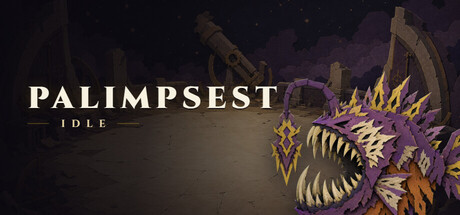
The visual art in Palimpsest Idle (character, enemy, weapon, equipment, icon and background art) was created during development using AI image generation tools, then curated, processed and hand-assembled by the developer. The game's two music tracks were produced during development using an AI music composition service under a licence granting full ownership of the resulting compositions. Sound effects are royalty-free library recordings and are not AI-generated. No content is generated while the game is running - all assets ship as fixed files, and the game makes no network requests during play.
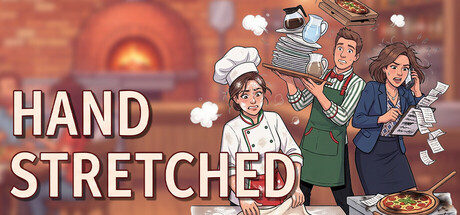
The background artwork in Hand Stretched — the shopfront, the kitchen and bar scenery, and the shop sign — was generated using Adobe Firefly, then edited and assembled by hand.
Everything you actually interact with is drawn by the game itself: the pizzas, the dough, the drinks and the icons are rendered in code as you play, not painted images.
The music is not AI-generated. It is four tracks licensed from human artists on Pixabay, credited by name in the game's settings.
The game's code was written with AI assistance. Nothing is generated while you play, and the game connects to no AI service.
All artwork, sprites, terrain, animations and audio are procedurally generated by our own deterministic tools or licensed/purchased from human-made sources. No generative AI images or audio are used. AI assistance was used for drafting and prototyping, all of which is reviewed and further iterated by a human. No AI models run while the game is played.
Generative AI tools were used during development to assist with the creation of game content. All generated products are carefully reviewed, edited, and assembled by the development team.
The game's art, code and marketing assets (store images and in-game graphics) were created during development with the assistance of generative AI tools. All AI-assisted content is pre-rendered and was reviewed by the developer before shipping. The game does not generate any content with AI at runtime.
Some illustrative artwork used in the game (atmospheric key art shown in the in-game gallery) was created with the assistance of AI image-generation tools. Portions of the game's narrative text, achievement descriptions, and localized translations were written with the assistance of an AI language tool during development, then reviewed and edited by the developer. All sound effects and music are procedurally synthesized using traditional digital signal processing (oscillators and filters), not AI-generated.
Generative AI has been used as a supplementary tool in the creation of some art assets and UI elements included in this game. AI has also been used to assist with some text creation and localization.
AI-generated or AI-assisted content is reviewed by the developer and edited or adjusted by hand as needed. Generative AI is used only as a tool to support the development process, while careful attention is given to the overall quality, consistency, and atmosphere of the game.
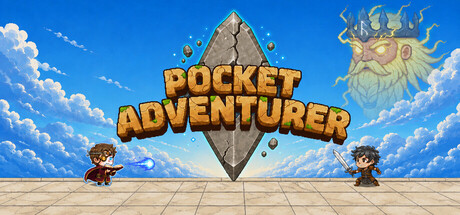
Pocket Adventurer is a solo-developed game that uses AI tools as part of its production pipeline. Character and monster artwork is originally hand-drawn, then processed with AI animation tools and converted into animated sprite sheets for use in the game. Code was written with AI coding assistance under direct human design, testing, and review. All content is pre-rendered; the game contains no live AI generation.
Some AI generation for promotional imagery
Generative AI tools were used during the development of this game to assist in creating selected pre-generated content, including images and illustrations, character visuals, 3D characters, models and assets, textures, cinematic videos, narration and voice elements, soundtrack/music, and selected textual or narrative content. All AI-assisted content was reviewed, selected, edited, and integrated by the developer before being included in the final game. Generative AI is not used to create content or code during gameplay.
Generative AI was used to help create some of the store page marketing images and some of the game's music tracks, which are used as in-game content (the songs players perform to during gameplay). No generative AI is used to generate images or text within the game itself all in-game visuals and text are handcrafted.
Some of the game model mesh are crafted with AI Support, we have 1 artist creating toy design and 1 model artist to craft model of our own design. AI is used to help edit some of the model.
Some of this game's 2D graphics — including UI icons, part icons and mission cards — were created ahead of time with the help of AI image generation tools. Every generated asset was reviewed, selected and adjusted by the developer before being included.
No content is generated by AI while the game is running. The 3D models, stages, effects and all game logic were produced by scripts and by hand, not by AI.
Some pre-rendered content was created with generative AI tools and then manually reviewed, selected, and edited by the developer: art assets (store capsule artwork, character and environment sprites) and localized text (Japanese, Simplified Chinese, French, and Russian translations of the game's interface). All game design, code, and original Korean/English text were written by the developer. The game does not generate any content with AI at runtime — there is no live or real-time AI generation.
Some visual assets (sprites and promotional art) were created with generative AI tools and then edited. The game does not generate AI content at runtime.
This app uses AI tools during the development process, for example to configure some behavior algorithms. All dog sprite art consists of hand-drawn works by human artists, purchased under a commercial license. No generative AI is used during gameplay.
Generative AI tools have been used as support in the development of this game. They were primarily used for programming, translations, and some background and art elements. All content has been manually reviewed and approved before being included in the game.
This game uses generative AI during development to create some of the visual assets included in the game. AI-generated assets are reviewed and edited as needed before being incorporated into the final game. The game does not use generative AI to create content dynamically during gameplay.
This game uses generative AI for part of the destination crest artwork and for the store page text and its translations. No content is generated by AI while you play.
Some of the music in this game was created using Suno AI. Generative image tools were also used in the creation of certain in-game visual assets and marketing images. The generated content was reviewed, selected, and modified during the development process. Generative AI is not used in real time during gameplay, nor does the game generate any new content while being played.
In a particularly fitting twist for a game about artificial intelligence whose protagonist is herself an artificial intelligence, generative AI tools were used during development to assist with some pre-generated visual assets, music, and portions of the text and localization. All AI-assisted content was reviewed, edited, and curated by the developer. No generative AI is used during gameplay.
Arcane Dash was created by a solo developer. Music, cutscene artwork, and translations were created with AI assistance. All levels, character sprites, and sound effects were hand-designed/coded by the developer, and all marketing materials were created and edited by the developer.
Generative AI was used to assist in creating pre-generated artwork, animation, audio, dialogue, and localization. All content was reviewed and edited by the developer. No AI is used at runtime.
Artwork featured in Celebria has been AI-assisted. All AI-assisted material was reviewed and edited by the developer, and no content is live generated by AI during gameplay.
AI tools were used for some decorative textures and minor details. Although their use is minimal, they are visually present and may bother people sensitive to this topic. Furthermore, AI was used for temporary test dubbing of the characters. However, the final product will be voiced by human actors.
This game uses generative AI tools in a few areas: some 2D art assets (such as the main menu background, title logo, and UI icons), some background music and sound effects, and the drafting and translation of store page text. All AI-generated content was reviewed and edited by the developer to ensure quality and appropriate use.
This game uses generative AI to create some character sprites, event CGs, backgrounds, and other in-game images. Some translations are also created using generative AI. These AI-generated assets are used as part of the game's content, as well as in images displayed on the game's store page. The game does not use generative AI to generate content in real time based on player input.
Generative AI tools were used during development to create and refine the game’s visual artwork, music, and programming code. All generated material was reviewed, curated, edited, and integrated by the developer. The game does not generate AI content during gameplay, and no player input or data is sent to generative AI services.
AI-assisted tools were utilized during the development of this game (including visual art, sound design, and workflow optimization) to achieve higher quality. Every final element has been curated, reviewed, and integrated under the direct supervision of the development team.
As a solo developer, I utilize AI to amplify my outputs. Although I never rely on or depend on the AI to do the work, it is a tool much like this computer that I am typing on, the creativity is still up to us to use it correctly. No content is generated during play.
Generative AI was used to create certain promotional artwork for the Steam store page, including capsule images and the community icon. These assets were reviewed and edited by the developer. The game itself does not contain AI-generated artwork, audio, narrative, localization, or live-generated AI content.
This is a temporary placeholder poster. They will be removed before release and replaced with hand-drawn illustrations. Currently, I'm the only programmer working on the game. Closer to release, I'll be hiring an artist to collaborate on the game.
I’m an indie game developer and have tried making games for years. Generative AI has been used as part of my development process, including helping with code, visual and sound assets. It is not a simple one-shot process, but effort has been put in over multiple generations to control and curate the art style.
Generative artificial intelligence (AI) was used to create some audio and visual assets, portions of the game code, Steam store page copy, and localized content. No AI-generated content is created in real time during gameplay.
Generative AI tools were used during development as part of the production workflow for pre-generated visual, 3D, audio, written, and localization content included in the game. All final content was selected, reviewed, edited, adapted, and integrated as part of the game's development process. No generative AI systems run during gameplay and no content is generated dynamically for players.
This game was developed with assistance from multiple generative AI models, but it does not use generative AI at runtime or produce any live-generated content.
The visual art in Palimpsest Idle (character, enemy, weapon, equipment, icon and background art) was created during development using AI image generation tools, then curated, processed and hand-assembled by the developer. The game's two music tracks were produced during development using an AI music composition service under a licence granting full ownership of the resulting compositions. Sound effects are royalty-free library recordings and are not AI-generated. No content is generated while the game is running - all assets ship as fixed files, and the game makes no network requests during play.
The background artwork in Hand Stretched — the shopfront, the kitchen and bar scenery, and the shop sign — was generated using Adobe Firefly, then edited and assembled by hand.
Everything you actually interact with is drawn by the game itself: the pizzas, the dough, the drinks and the icons are rendered in code as you play, not painted images.
The music is not AI-generated. It is four tracks licensed from human artists on Pixabay, credited by name in the game's settings.
The game's code was written with AI assistance. Nothing is generated while you play, and the game connects to no AI service.
All artwork, sprites, terrain, animations and audio are procedurally generated by our own deterministic tools or licensed/purchased from human-made sources. No generative AI images or audio are used. AI assistance was used for drafting and prototyping, all of which is reviewed and further iterated by a human. No AI models run while the game is played.
Generative AI tools were used during development to assist with the creation of game content. All generated products are carefully reviewed, edited, and assembled by the development team.
The game's art, code and marketing assets (store images and in-game graphics) were created during development with the assistance of generative AI tools. All AI-assisted content is pre-rendered and was reviewed by the developer before shipping. The game does not generate any content with AI at runtime.
Some illustrative artwork used in the game (atmospheric key art shown in the in-game gallery) was created with the assistance of AI image-generation tools. Portions of the game's narrative text, achievement descriptions, and localized translations were written with the assistance of an AI language tool during development, then reviewed and edited by the developer. All sound effects and music are procedurally synthesized using traditional digital signal processing (oscillators and filters), not AI-generated.
Generative AI has been used as a supplementary tool in the creation of some art assets and UI elements included in this game. AI has also been used to assist with some text creation and localization.
AI-generated or AI-assisted content is reviewed by the developer and edited or adjusted by hand as needed. Generative AI is used only as a tool to support the development process, while careful attention is given to the overall quality, consistency, and atmosphere of the game.
Pocket Adventurer is a solo-developed game that uses AI tools as part of its production pipeline. Character and monster artwork is originally hand-drawn, then processed with AI animation tools and converted into animated sprite sheets for use in the game. Code was written with AI coding assistance under direct human design, testing, and review. All content is pre-rendered; the game contains no live AI generation.
Some AI generation for promotional imagery
Generative AI tools were used during the development of this game to assist in creating selected pre-generated content, including images and illustrations, character visuals, 3D characters, models and assets, textures, cinematic videos, narration and voice elements, soundtrack/music, and selected textual or narrative content. All AI-assisted content was reviewed, selected, edited, and integrated by the developer before being included in the final game. Generative AI is not used to create content or code during gameplay.
Generative AI was used to help create some of the store page marketing images and some of the game's music tracks, which are used as in-game content (the songs players perform to during gameplay). No generative AI is used to generate images or text within the game itself all in-game visuals and text are handcrafted.
Some of the game model mesh are crafted with AI Support, we have 1 artist creating toy design and 1 model artist to craft model of our own design. AI is used to help edit some of the model.
Some of this game's 2D graphics — including UI icons, part icons and mission cards — were created ahead of time with the help of AI image generation tools. Every generated asset was reviewed, selected and adjusted by the developer before being included.
No content is generated by AI while the game is running. The 3D models, stages, effects and all game logic were produced by scripts and by hand, not by AI.
Some pre-rendered content was created with generative AI tools and then manually reviewed, selected, and edited by the developer: art assets (store capsule artwork, character and environment sprites) and localized text (Japanese, Simplified Chinese, French, and Russian translations of the game's interface). All game design, code, and original Korean/English text were written by the developer. The game does not generate any content with AI at runtime — there is no live or real-time AI generation.
Some visual assets (sprites and promotional art) were created with generative AI tools and then edited. The game does not generate AI content at runtime.
This app uses AI tools during the development process, for example to configure some behavior algorithms. All dog sprite art consists of hand-drawn works by human artists, purchased under a commercial license. No generative AI is used during gameplay.
Generative AI tools have been used as support in the development of this game. They were primarily used for programming, translations, and some background and art elements. All content has been manually reviewed and approved before being included in the game.