








Disclosure
As a solo dev who is horrible at drawing but good at code, 2d and 3d assets have been build using the help of generative AI.
- Creator
- OPPRESSED Game Studios
- Reviews
- -
- Added
- Oct 3, 2026
Public Steam disclosure research 25,380 disclosures tracked
Search developers’ Steam disclosures, compare classified AI use across games, and follow recorded changes. This index adds cross-game classifications and statistics to statements published on individual store pages.
Code help, debugging and other development work.
Capsule art, trailers and promotional material.
Pre-made art, audio, writing and other game assets.
Interactive or runtime AI features disclosed by the developer.
Groups reflect automatic analysis of public disclosures; mature records are excluded. These counts do not measure AI use across all of Steam. Missing or unclear statements cannot establish whether a game uses AI.
As a solo dev who is horrible at drawing but good at code, 2d and 3d assets have been build using the help of generative AI.
Details for the hand-illustrated artworks were mostly AI-generated.
Generative AI was used only to create the Steam capsule. The screenshots and the game itself do not contain any content created using generative AI.
This game uses generative AI as part of its content creation pipeline. Some elements of the store page cover art were generated using AI and then combined with additional artwork created by our designer. Certain in-game environment textures were processed using AI-assisted tools as part of the texturing workflow. Character voices were recorded by our own team and then processed with AI-based voice conversion to transform them into different character voices. All AI-assisted content was reviewed and refined by our team before being included in the final game.
Store page and marketing: the main capsule art was composed and rendered by the developer from in-game models, with generative AI used to repaint parts of the background (landscape, sky and lighting), then corrected by hand. Some promotional videos use an AI-generated voiceover.
In our project, AI was used to partially create art assets, helping our artists bring some ideas to life.
some pictures
Generative AI was used as a development tool for selected visual assets and concept artwork, as well as for assistance during development. All AI-assisted content was reviewed, edited, and integrated by the developer.
This game contains content created with the assistance of AI tools. AI was used during development to assist with programming, visual assets, and other creative elements. All generated content was reviewed, edited, and integrated by the dev.
Misty and the Last Breeze is a solo-developed game made with a lot of AI assistance. Here is how AI was used. Code. The game is built in Godot. Most of the gameplay code, tooling and automated tests were written with AI coding assistants (Claude Code and Codex), working from my design direction, and reviewed, playtested and revised by me. Design decisions, level layouts, movement feel and what ships are mine; the assistants do much of the typing. 3D models and art. Many in-game models and textures were made in Blender through scripts written with AI assistance, often rebuilt from concept images. Some of those reference images were generated with AI image tools. Other visuals, such as shaders, UI and effects, are authored in code. Painting and key-art images in the game that began as AI-generated images are kept as AI-assisted work. Music. Music is generated with Suno and then selected, arranged and edited by me. Ambience and sound effects are mostly synthesized in code (procedural audio) rather than sampled from other artists. Mockups and planning. I use ChatGPT's image generation for mockups, mood boards, UI layouts and promotional concepts while planning. These are for exploring ideas; they are not meant to ship as finished art unless noted above. What is not AI. The game itself has no runtime AI: every enemy, NPC, line of dialogue and level is fixed content that I designed and authored. Nothing is generated or adapted while you play.
Background and Logo Created AI.
Guild of Souls features artwork developed with generative AI.
Audio and music are AI generated.
Pre-generated: The game's code, the drawing code for its characters and scenery (all art is drawn by code at runtime, with no image files), and parts of the story text and store description were created with the help of an AI assistant, then reviewed, edited and directed by the developer. Live-generated: None. The game does not use AI to generate anything while it is being played.
This game contains content created with the assistance of AI tools. AI was used during development to assist with programming, visual assets, and other creative elements. All generated content was reviewed, edited, and integrated by the dev.
Generative AI was used to create some art assets (the title screen background and the store capsule images). The game does not use AI to generate any content at runtime.
Parts of the store-page text and a few short interface lines were drafted with an AI writing assistant and reviewed and edited by the developer. The game's literary text, English narration, music, sound design and visual design are human-made.
Generative AI tools were used during development to create pre-generated character voices, music, and store artwork, and to assist with writing. These assets are prepared in advance. The game does not generate AI content or connect to third-party AI services during gameplay.
Most graphics are generatively produced with refined qualities.
Some 3D models, illustrations and music in the current version were created with the help of generative AI tools and then edited and integrated by our team. They are placeholders: we are replacing them with work by human artists as development continues.
The game's art assets (tile, monster and item sprite atlases) were produced during development using OpenAI's image generation service. We then processed the output ourselves into transparent PNGs and assembled them into atlases, which ship as static assets inside the build. The game does not call any AI service at runtime and contains no live-generated content. Every generated image was manually reviewed and corrected before being added to the atlas. Apart from the art, the code, game design, balance and text involve no AI-generated content.
We use generative AI as a reference and supporting tool during game development, while final creative decisions and implementation are made by our team.
Guild Master features artwork developed with generative AI.
all the pictures are generated by artificial intelligence.
Generative AI tools were used during development to create visual assets, including character and enemy artwork, environmental backgrounds, user interface graphics, item textures, and promotional artwork. ChatGPT also assisted with dialogue and educational text. The developer directed, selected, and reviewed this content for inclusion in the game. All AI-generated content was created before release; the game does not generate AI content during gameplay.
Generative AI was used during development to create and refine some of the game's 2d and 3d artwork and music. All AI-generated content was reviewed, selected, and edited by the developer before being included in the game. Generative AI is not used during gameplay, and no content is generated in real time.
作品に登場するキャラクターイラスト・CGの一部制作過程で、生成AIツールを使用しています。すべての画像は開発者が選定・調整を行った上でゲームに使用しています。
Music and Localization made by AI
All characters are original adult fictional characters. Generative AI tools are used to create character imagery, video footage, and Japanese voice performances under the creator's direction; the results are reviewed, selected, and edited shot by shot. AI assistants also support parts of writing, translation, editing, and game implementation. The creator defines the story, characters, choices, performance, interaction, and quality requirements and makes the final decisions. No real performer is depicted, no real person's face or voice is intentionally used as a character reference, and nothing is generated while the game runs.
Artificial intelligence tools were used to generate some of the sprites and images used in this game.
ChatGPT, Grok, Gemini, Suno, and Doubao TTS assisted with most of the pre-generated visual, music, and voice content. All such content was created before release and selected, edited, and integrated by the developer. More than 99% of the game’s text was written manually by the author; AI was used only to help check for errors. The game does not connect to generative AI services or generate content at runtime.
Generative AI was used to assist in the development of this game. Approximately 60% of the code was generated or written with the assistance of AI; in-game imagery was created using generative AI, with a portion of the assets refined and post-processed manually; music was created using generative AI; and approximately 90% of the sound effects were generated or created with AI assistance. Except for Traditional Chinese, localization for all other languages was translated using AI.
I used AI to help generate some of the voice acting that is used in the game.
AI tools were used to create or edit some in-game and store artwork and textures, and to assist with translations. Creative direction and final content selection are ours. No AI content is generated during gameplay.
Some voice audio in EMPTYLAND was created using generative artificial intelligence tools. AI-generated voices are used as part of the game's narrative and in-game audio experience.
AI was used to create pre-generated artwork for Steam Community Items, including Trading Cards.
本游戏有借助AI生成部分图片,比如游戏加载页,部分人物素材,其余游戏内容均为原创。
AI was used to assist with coding and to create some textures, which were later reworked by the developer. The game does not generate AI content in real time
We only utilized AI to generate store page promotional art for the game, to better convey the feeling of post-apocalyptic survival.
This game uses generative AI to write code.
This game contains a neural network model.
Generative AI is being used during development solely to create character head portraits. It enabled us to create thousands of portrait variations across three age stages, helping the large cast of characters feel more varied, immersive and realistic while allowing characters to visibly age during long careers. Every portrait is created in advance and checked by the Playsport art team before being included in the game. Nothing is generated while the game is running. No other artwork in the game, including vehicles, decals, logos or clothing uses generative AI. AI-generated portraits can be disabled in the preferences menu.
The altered paintings ("forgeries") were made by editing public-domain museum scans with generative AI image tools. Each one was reviewed by hand, colour-matched to its original scan and, where possible, composited back onto that scan so that only the altered detail differs. Some in-game English text (the questions that appear beside the paintings) and parts of this store description were drafted with an AI writing assistant and edited by the developer. The capsule art and screenshots are frames rendered by the game itself; the capsule art shows one of the AI-edited paintings. Nothing is generated by AI while the game runs.
Art Resource, BGM, Store Asset
Some visual assets used in the game, including selected artwork, character images, interface graphics, and cinematic images, were created with the assistance of generative AI tools. All generated assets were reviewed, selected, edited where necessary, and integrated into the final game by the developer.
Some smaller smaller graphical elements in the game utilize gen AI.
AI-assisted tools were used to support performance optimization and to generate the player character. AI tools also contributed to enemy character assets, store artwork and translations. These uses concern content prepared during development.
A Light in the Gloam uses pre-generated AI content. Nothing is generated while the game is running, and the game makes no network calls of any kind. Visual art: all in-game art was generated with OpenAI's image model (gpt-image-1) from prompts written by hand, then processed by our own scripts, which downscale it, quantise it to a fixed palette and trim it before it is placed in the game. This covers 14 character portraits, 43 enemy and boss sprites, 63 item icons, 27 wall, floor and ceiling textures, 10 dungeon props, 21 achievement emblems, and 14 town and title backdrops. The store capsules and the client icons are crops of the title-screen generation rather than new images. Music and sound: all 14 music tracks were generated with ElevenLabs' music model and all 47 sound effects with ElevenLabs' sound-effects model, both from written prompts and both post-processed by our own scripts for level and length. There is no voice acting and no synthesised speech anywhere in the game. Writing and translation: the game's text, meaning item and monster descriptions, dialogue, menus and the story, was written with the assistance of a large language model and then edited by hand. The Brazilian Portuguese translation was produced the same way and reviewed against the English.
Some character portraits were created with generative AI. AI tools were also used to help write and translate the store page and to translate the game's text. The story and dialogue were written by our team.
Generative AI tools were used during development to create pre-generated visual assets, including 2D background artwork, environment graphics, character sprites, and promotional store imagery. All AI-generated content was created prior to release, and no generative AI runs in real-time during gameplay.
| Title⇅ | Disclosure | Creator⇅ | Src | Reviews⇅ | Added↓ |
|---|---|---|---|---|---|
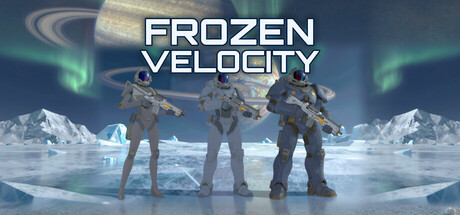 Frozen Velocity In-game content art | As a solo dev who is horrible at drawing but good at code, 2d and 3d assets have been build using the help of generative AI. | OPPRESSED Game Studios | - | Oct 3, 2026 | |
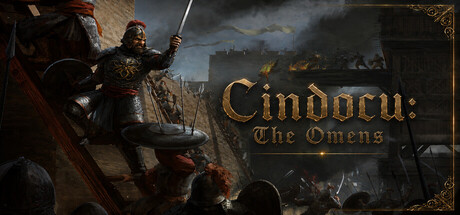 Cindocu: The Omens In-game content art | Details for the hand-illustrated artworks were mostly AI-generated. | Cindocu Project | - | Oct 3, 2026 | |
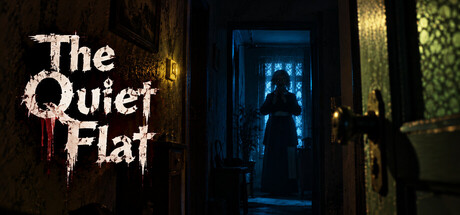 The Quiet Flat Store/marketing art | Generative AI was used only to create the Steam capsule. The screenshots and the game itself do not contain any content created using generative AI. | Firzy Games | 39 | Oct 3, 2026 | |
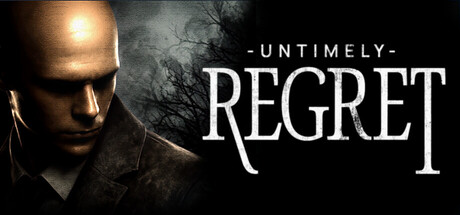 UNTIMELY REGRET In-game content artaudio | This game uses generative AI as part of its content creation pipeline. Some elements of the store page cover art were generated using AI and then combined with additional artwork created by our designer. Certain in-game environment textures were processed using AI-assisted tools as part of the texturing workflow. Character voices were recorded by our own team and then processed with AI-based voice conversion to transform them into different character voices. All AI-assisted content was reviewed and refined by our team before being included in the final game. | Alpha Centauri Studio | - | Oct 2, 2026 | |
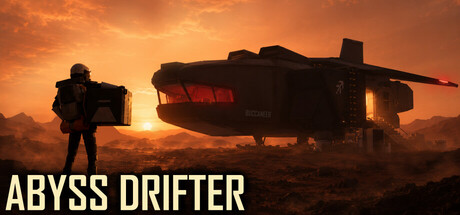 Abyss Drifter In-game content artaudio | Store page and marketing: the main capsule art was composed and rendered by the developer from in-game models, with generative AI used to repaint parts of the background (landscape, sky and lighting), then corrected by hand. Some promotional videos use an AI-generated voiceover. | VetusCorvum | - | Oct 2, 2026 | |
 Connected Hearts: Vanished Beauty Collector's Edition In-game content art | In our project, AI was used to partially create art assets, helping our artists bring some ideas to life. | Do Games Limited | - | Oct 2, 2026 | |
 奇点 Unclear art | some pictures | xzx | - | Oct 2, 2026 | |
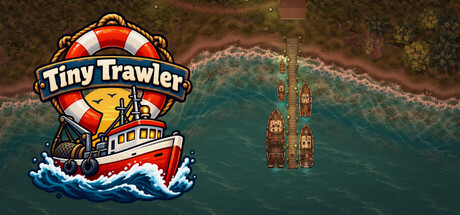 Tiny Trawler Dev only art | Generative AI was used as a development tool for selected visual assets and concept artwork, as well as for assistance during development. All AI-assisted content was reviewed, edited, and integrated by the developer. | Mathias | - | Oct 2, 2026 | |
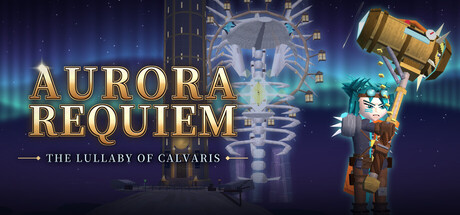 AURORA REQUIEM In-game content artcode | This game contains content created with the assistance of AI tools. AI was used during development to assist with programming, visual assets, and other creative elements. All generated content was reviewed, edited, and integrated by the dev. | ISEKAI Games | - | Oct 1, 2026 | |
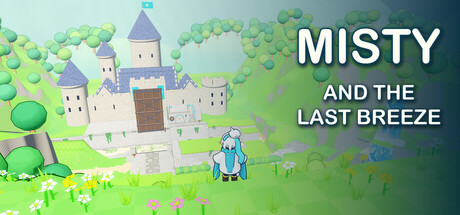 Misty and the Last Breeze In-game content artaudiocodetext | Misty and the Last Breeze is a solo-developed game made with a lot of AI assistance. Here is how AI was used.
Code. The game is built in Godot. Most of the gameplay code, tooling and automated tests were written with AI coding assistants (Claude Code and Codex), working from my design direction, and reviewed, playtested and revised by me. Design decisions, level layouts, movement feel and what ships are mine; the assistants do much of the typing.
3D models and art. Many in-game models and textures were made in Blender through scripts written with AI assistance, often rebuilt from concept images. Some of those reference images were generated with AI image tools. Other visuals, such as shaders, UI and effects, are authored in code. Painting and key-art images in the game that began as AI-generated images are kept as AI-assisted work.
Music. Music is generated with Suno and then selected, arranged and edited by me. Ambience and sound effects are mostly synthesized in code (procedural audio) rather than sampled from other artists.
Mockups and planning. I use ChatGPT's image generation for mockups, mood boards, UI layouts and promotional concepts while planning. These are for exploring ideas; they are not meant to ship as finished art unless noted above.
What is not AI. The game itself has no runtime AI: every enemy, NPC, line of dialogue and level is fixed content that I designed and authored. Nothing is generated or adapted while you play. | Ilia Reingold | - | Oct 1, 2026 | |
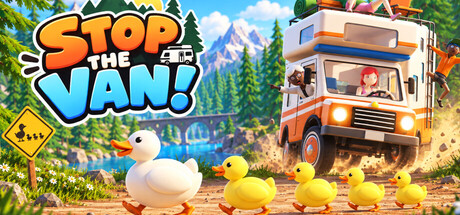 STOP THE VAN! Store/marketing art | Background and Logo Created AI. | NOXP | - | Oct 1, 2026 | |
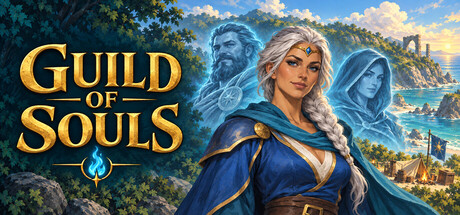 Guild of Souls In-game content art | Guild of Souls features artwork developed with generative AI. | Recoil Mojo | - | Oct 1, 2026 | |
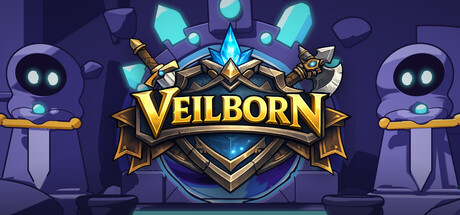 Veilborn In-game content audio | Audio and music are AI generated. | Xootic | - | Oct 1, 2026 | |
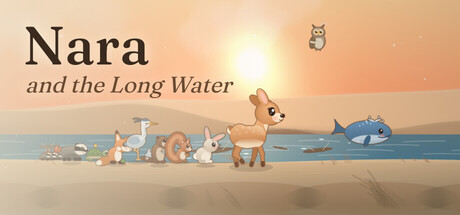 Nara and the Long Water In-game content arttextcode | Pre-generated: The game's code, the drawing code for its characters and scenery (all art is
drawn by code at runtime, with no image files), and parts of the story text and store
description were created with the help of an AI assistant, then reviewed, edited and
directed by the developer.
Live-generated: None. The game does not use AI to generate anything while it is being played. | Soon | - | Oct 1, 2026 | |
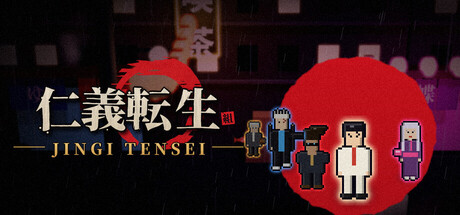 Jingi Tensei In-game content artcode | This game contains content created with the assistance of AI tools. AI was used during development to assist with programming, visual assets, and other creative elements. All generated content was reviewed, edited, and integrated by the dev. | ISEKAI Games | - | Oct 1, 2026 | |
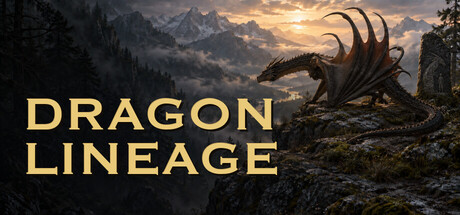 DragonLineage Store/marketing art | Generative AI was used to create some art assets (the title screen background and the store capsule images). The game does not use AI to generate any content at runtime. | C'est bon marché | - | Oct 1, 2026 | |
 Ex Oblivione Store/marketing text | Parts of the store-page text and a few short interface lines were drafted with an AI writing assistant and reviewed and edited by the developer. The game's literary text, English narration, music, sound design and visual design are human-made. | No_Return() | - | Oct 1, 2026 | |
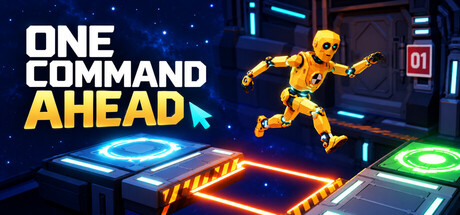 One Command Ahead In-game content audiotextart | Generative AI tools were used during development to create pre-generated character voices, music, and store artwork, and to assist with writing. These assets are prepared in advance. The game does not generate AI content or connect to third-party AI services during gameplay. | Newtro Studios | - | Oct 1, 2026 | |
 Valoria In-game content art | Most graphics are generatively produced with refined qualities. | Ironstone Interactive | - | Oct 1, 2026 | |
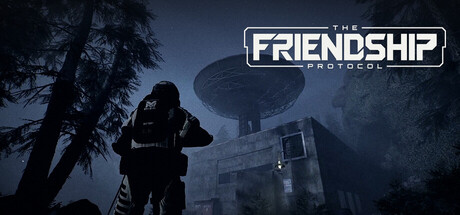 The Friendship Protocol In-game content artaudio | Some 3D models, illustrations and music in the current version were created with the help of generative AI tools and then edited and integrated by our team. They are placeholders: we are replacing them with work by human artists as development continues. | Parabola Studio | - | Oct 1, 2026 | |
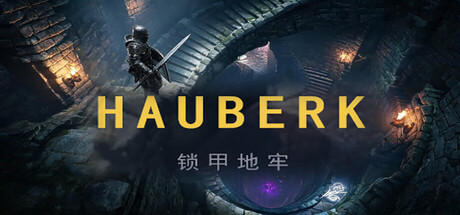 Hauberk锁甲地牢 In-game content art | The game's art assets (tile, monster and item sprite atlases) were produced during development using OpenAI's image generation service. We then processed the output ourselves into transparent PNGs and assembled them into atlases, which ship as static assets inside the build. The game does not call any AI service at runtime and contains no live-generated content. Every generated image was manually reviewed and corrected before being added to the atlas. Apart from the art, the code, game design, balance and text involve no AI-generated content. | BAI XIAN LE | - | Oct 1, 2026 | |
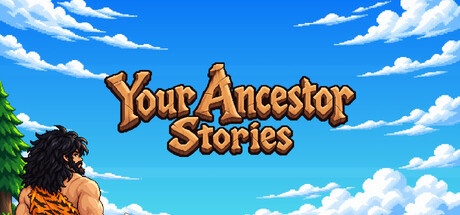 Your Ancestor Stories Dev only | We use generative AI as a reference and supporting tool during game development, while final creative decisions and implementation are made by our team. | Vision Ascent | - | Oct 1, 2026 | |
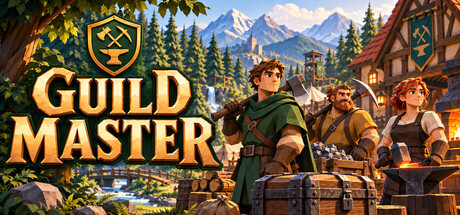 Guild Master In-game content art | Guild Master features artwork developed with generative AI. | Recoil Mojo | - | Oct 1, 2026 | |
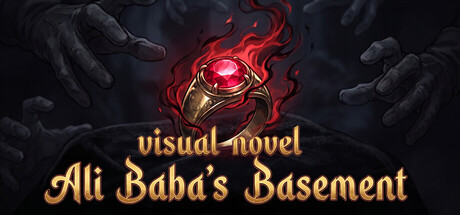 Visual Novel: Ali Baba Basemen In-game content art | all the pictures are generated by artificial intelligence. | Reanim Games | - | Oct 1, 2026 | |
 The Liberty League In-game content arttext | Generative AI tools were used during development to create visual assets, including character and enemy artwork, environmental backgrounds, user interface graphics, item textures, and promotional artwork. ChatGPT also assisted with dialogue and educational text. The developer directed, selected, and reviewed this content for inclusion in the game. All AI-generated content was created before release; the game does not generate AI content during gameplay. | Michael Giaccotto | - | Oct 1, 2026 | |
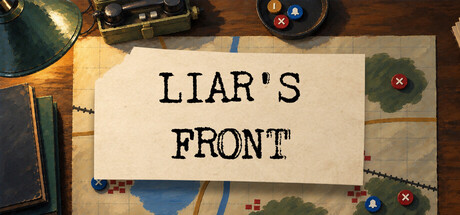 Liar's Front In-game content artaudio | Generative AI was used during development to create and refine some of the game's 2d and 3d artwork and music. All AI-generated content was reviewed, selected, and edited by the developer before being included in the game. Generative AI is not used during gameplay, and no content is generated in real time. | Zhabka Productions | - | Oct 1, 2026 | |
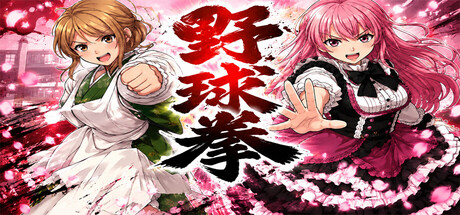 野球拳 In-game content art | 作品に登場するキャラクターイラスト・CGの一部制作過程で、生成AIツールを使用しています。すべての画像は開発者が選定・調整を行った上でゲームに使用しています。 | ダイアナソフト | - | Oct 1, 2026 | |
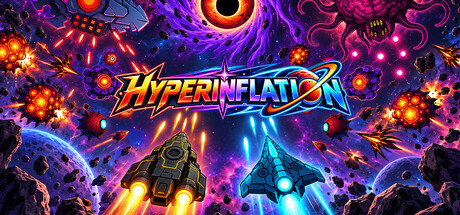 HYPERINFLATION In-game content audiotext | Music and Localization made by AI | Nethound Games | - | Oct 1, 2026 | |
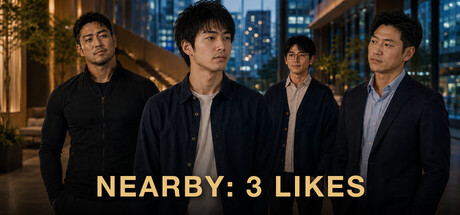 NEARBY: 3 LIKES In-game content artaudiotext | All characters are original adult fictional characters. Generative AI tools are used to create character imagery, video footage, and Japanese voice performances under the creator's direction; the results are reviewed, selected, and edited shot by shot. AI assistants also support parts of writing, translation, editing, and game implementation. The creator defines the story, characters, choices, performance, interaction, and quality requirements and makes the final decisions. No real performer is depicted, no real person's face or voice is intentionally used as a character reference, and nothing is generated while the game runs. | Studio Soil 26 | - | Oct 1, 2026 | |
 BOZÓ! In-game content art | Artificial intelligence tools were used to generate some of the sprites and images used in this game. | Lililoka | - | Oct 1, 2026 | |
 Mayonaka no Yaiba In-game content artaudiotext | ChatGPT, Grok, Gemini, Suno, and Doubao TTS assisted with most of the pre-generated visual, music, and voice content. All such content was created before release and selected, edited, and integrated by the developer. More than 99% of the game’s text was written manually by the author; AI was used only to help check for errors. The game does not connect to generative AI services or generate content at runtime. | CネコミミX | - | Oct 1, 2026 | |
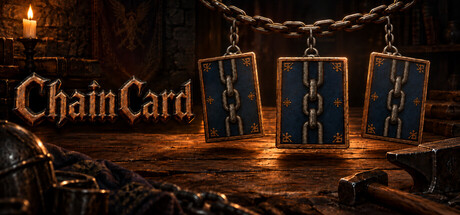 Chain Card In-game content artaudiocodetext | Generative AI was used to assist in the development of this game. Approximately 60% of the code was generated or written with the assistance of AI; in-game imagery was created using generative AI, with a portion of the assets refined and post-processed manually; music was created using generative AI; and approximately 90% of the sound effects were generated or created with AI assistance. Except for Traditional Chinese, localization for all other languages was translated using AI. | 9667 | - | Oct 1, 2026 | |
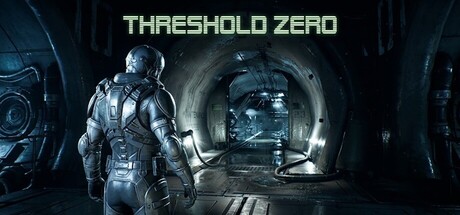 Threshold Zero In-game content audio | I used AI to help generate some of the voice acting that is used in the game. | Ken Henson | - | Oct 1, 2026 | |
 Night at the Fun Park In-game content arttext | AI tools were used to create or edit some in-game and store artwork and textures, and to assist with translations. Creative direction and final content selection are ours. No AI content is generated during gameplay. | Sitting Teddy | - | Oct 1, 2026 | |
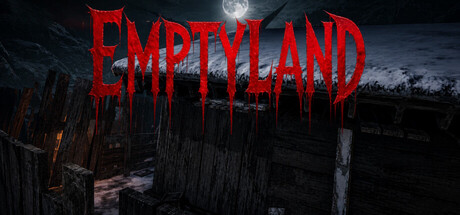 EMPTYLAND In-game content audio | Some voice audio in EMPTYLAND was created using generative artificial intelligence tools. AI-generated voices are used as part of the game's narrative and in-game audio experience. | GAMEPAGE | - | Oct 1, 2026 | |
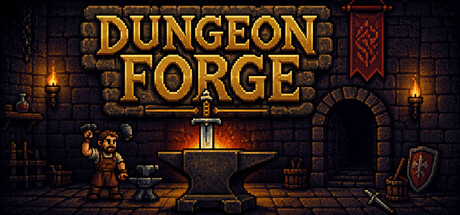 Dungeon Forge Store/marketing art | AI was used to create pre-generated artwork for Steam Community Items, including Trading Cards. | Rogue Against World | - | Oct 1, 2026 | |
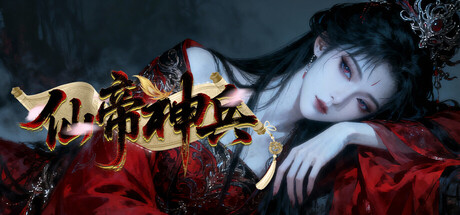 仙帝神兵 In-game content art | 本游戏有借助AI生成部分图片,比如游戏加载页,部分人物素材,其余游戏内容均为原创。 | 仙帝神兵工作室 | - | Oct 1, 2026 | |
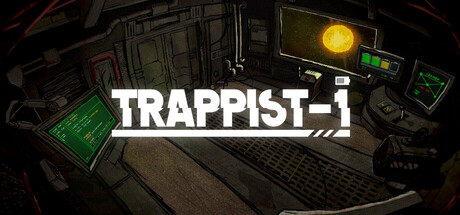 TRAPPIST-1 In-game content art | AI was used to assist with coding and to create some textures, which were later reworked by the developer.
The game does not generate AI content in real time | Systm | - | Oct 1, 2026 | |
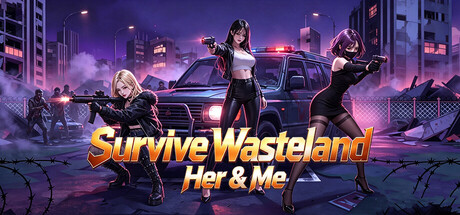 Survive Wasteland: Her & Me Store/marketing art | We only utilized AI to generate store page promotional art for the game, to better convey the feeling of post-apocalyptic survival. | HotPlay Studio | - | Oct 1, 2026 | |
 go Up Dev only code | This game uses generative AI to write code. | yee | - | Oct 1, 2026 | |
 FlyMuse 2 Unclear | This game contains a neural network model. | XieXing Game | - | Oct 1, 2026 | |
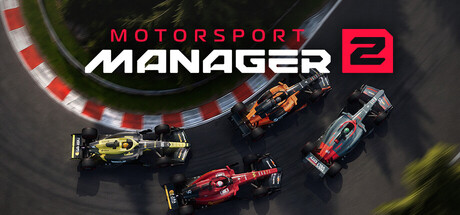 Motorsport Manager 2 In-game content art | Generative AI is being used during development solely to create character head portraits. It enabled us to create thousands of portrait variations across three age stages, helping the large cast of characters feel more varied, immersive and realistic while allowing characters to visibly age during long careers.
Every portrait is created in advance and checked by the Playsport art team before being included in the game. Nothing is generated while the game is running. No other artwork in the game, including vehicles, decals, logos or clothing uses generative AI. AI-generated portraits can be disabled in the preferences menu. | Playsport Games | - | Oct 1, 2026 | |
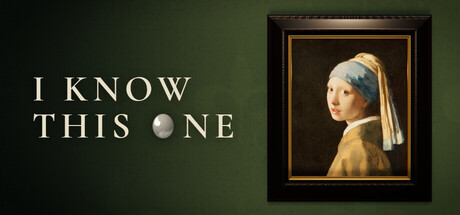 I Know This One (IKTO) In-game content arttext | The altered paintings ("forgeries") were made by editing public-domain museum scans with generative AI image tools. Each one was reviewed by hand, colour-matched to its original scan and, where possible, composited back onto that scan so that only the altered detail differs. Some in-game English text (the questions that appear beside the paintings) and parts of this store description were drafted with an AI writing assistant and edited by the developer. The capsule art and screenshots are frames rendered by the game itself; the capsule art shows one of the AI-edited paintings. Nothing is generated by AI while the game runs. | JoMi | - | Oct 1, 2026 | |
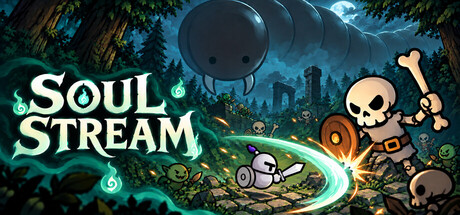 Soul Stream Unclear artaudio | Art Resource, BGM, Store Asset | Enter the Game Studios | - | Oct 1, 2026 | |
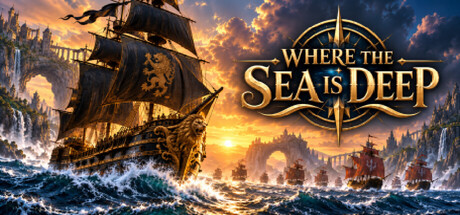 WHERE THE SEA IS DEEP In-game content art | Some visual assets used in the game, including selected artwork, character images, interface graphics, and cinematic images, were created with the assistance of generative AI tools. All generated assets were reviewed, selected, edited where necessary, and integrated into the final game by the developer. | Selçuk Çetiner | - | Sep 30, 2026 | |
 New World Trading Company | Some smaller smaller graphical elements in the game utilize gen AI. | Kokoon Games | - | Sep 30, 2026 | |
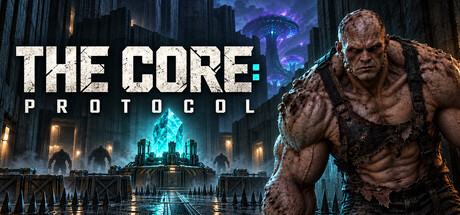 The Core: Protocol In-game content arttext | AI-assisted tools were used to support performance optimization and to generate the player character. AI tools also contributed to enemy character assets, store artwork and translations. These uses concern content prepared during development. | ChritzleCraft | - | Sep 30, 2026 | |
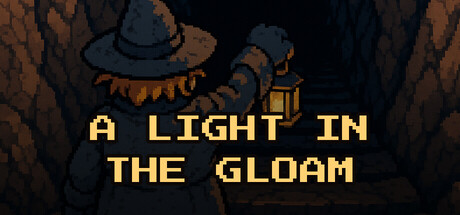 A Light in the Gloam In-game content artaudiotext | A Light in the Gloam uses pre-generated AI content. Nothing is generated while the game is running, and the game makes no network calls of any kind.
Visual art: all in-game art was generated with OpenAI's image model (gpt-image-1) from prompts written by hand, then processed by our own scripts, which downscale it, quantise it to a fixed palette and trim it before it is placed in the game. This covers 14 character portraits, 43 enemy and boss sprites, 63 item icons, 27 wall, floor and ceiling textures, 10 dungeon props, 21 achievement emblems, and 14 town and title backdrops. The store capsules and the client icons are crops of the title-screen generation rather than new images.
Music and sound: all 14 music tracks were generated with ElevenLabs' music model and all 47 sound effects with ElevenLabs' sound-effects model, both from written prompts and both post-processed by our own scripts for level and length. There is no voice acting and no synthesised speech anywhere in the game.
Writing and translation: the game's text, meaning item and monster descriptions, dialogue, menus and the story, was written with the assistance of a large language model and then edited by hand. The Brazilian Portuguese translation was produced the same way and reviewed against the English. | Petersen Projects | - | Sep 30, 2026 | |
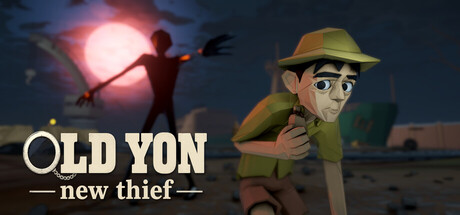 Old Yon. New thief In-game content arttext | Some character portraits were created with generative AI. AI tools were also used to help write and translate the store page and to translate the game's text. The story and dialogue were written by our team. | BoneApps | - | Sep 30, 2026 | |
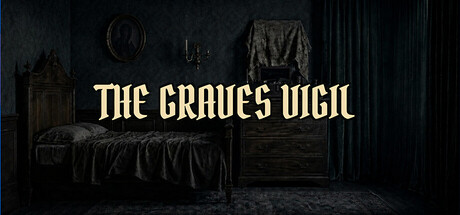 THE GRAVES VIGIL In-game content art | Generative AI tools were used during development to create pre-generated visual assets, including 2D background artwork, environment graphics, character sprites, and promotional store imagery. All AI-generated content was created prior to release, and no generative AI runs in real-time during gameplay. | GeorgeDowson | - | Sep 30, 2026 |


