Public Steam disclosure research25,380 disclosures tracked
Where do games disclose AI use?
Search developers’ Steam disclosures, compare classified AI use across
games, and follow recorded changes.
This index adds cross-game classifications and statistics to
statements published on individual store pages.
Groups reflect automatic analysis of public disclosures; mature records are excluded. These counts do not measure AI use across all of Steam.
Missing or unclear statements cannot establish whether a game uses AI.
AI is used only for text translation/localization (in-game and store page), with every line reviewed and edited by the developer.
No AI-generated graphics, music, audio, or live content generation are used in the game.
The store artwork (capsules and key art) was generated with an image model and then composed, cropped and combined with our own logo by hand. The game's ambient background music tracks were generated with an AI music tool and edited afterwards.
Generative AI was used only to assist with drafting and translating written text for the Steam store page. No in-game artwork, audio, gameplay assets, or runtime content is generated by AI.
Some background art, still images, videos, and music were created with the assistance of generative AI tools; every asset was reviewed and curated by the developer. During gameplay, callers' dialogue is performed by an AI language model running entirely on the player's PC — fully offline, with no external AI service. The AI performs characters only within hand-written script boundaries, all story outcomes are decided by deterministic game logic, and generated text is filtered before display. Voice input is transcribed locally and never leaves your machine.
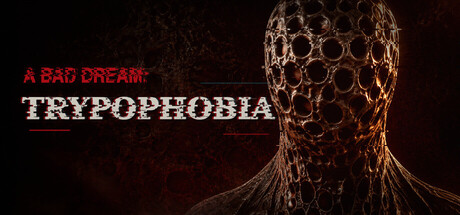
During the development of *A Bad Dream: Trypophobia*, generative AI was used as a supporting tool to create and refine certain textures, 3D models, and visual elements, as well as to assist in programming specific systems. All content was manually reviewed, edited, configured, and integrated by Big Mount Interactive. The game does not generate content via AI during gameplay, nor does it connect to external AI services.
Generative AI tools were used during development to assist with creating promotional images for the Steam store page, early concept art, and voiceovers for character dialogues. No AI content is generated in real-time during gameplay. All in-game models, code, and environments were manually created, processed, and integrated by the developer.
Generative AI was used during development to create visual assets and other non-dialogue content included in the game. Generated assets were selected, edited, and integrated as part of the development process.
We’d like to be transparent about the localization of THE WRONG WAY ROUND.
Some of the game’s translations have been created with the assistance of AI and then reviewed and adjusted by us. This allows us to make the game available to more players and support more languages than we could otherwise manage.
We’re continuously improving the translations and really appreciate any feedback from native speakers.
Generative AI tools were used during development to assist with the creation and iteration of some some pre-generated visual, written and promotional assets. All AI-assisted content is reviewed, edited and curated by the developer. No generative AI is used during gameplay.
Generative AI was used during development to assist in creating some 2D art assets, including scene backgrounds, character and monster artwork, UI elements, and icons for items, equipment, skills, and status effects. Generative AI was also used to assist in drafting some in-game text. All AI-assisted content was selected, edited, post-processed, and integrated by the developer. The game does not use generative AI at runtime and does not generate content in real time in response to player input.
Generative AI may be used during the development of AIRPORT 7 for development assistance, brainstorming, and creating or refining certain development-related content. AI-generated content is reviewed and edited by the developer before being included in the game. The game does not use generative AI to generate content for players during gameplay.
Some of the game's visual assets (tilesets, textures, sprites) were created with the assistance of AI image generation tools (PixelLab), then manually edited and integrated by the developer. No AI is used to generate content at runtime or during gameplay.
Some of the music in this game was created using Suno AI. Generative image tools were also used in the creation of certain in-game visual assets and marketing images. The generated content was reviewed, selected, and modified during the development process. Generative AI is not used in real time during gameplay, nor does the game generate any new content while being played.
In a particularly fitting twist for a game about artificial intelligence whose protagonist is herself an artificial intelligence, generative AI tools were used during development to assist with some pre-generated visual assets, music, and portions of the text and localization. All AI-assisted content was reviewed, edited, and curated by the developer. No generative AI is used during gameplay.
Generative AI was used to create some pre-generated character artwork, 2D images, and illustrations included in the game and related visual promotional materials. All generated images are reviewed and selected by the developer before inclusion. No AI-generated content is created during gameplay.
Generative AI tools were used during development to assist with refining some text, code, and images. Some in-game textures were also generated using AI. All AI-assisted content was reviewed, edited, and integrated by the developer. The game does not generate AI content during gameplay.
AI tools were used for some decorative textures and minor details. Although their use is minimal, they are visually present and may bother people sensitive to this topic. Furthermore, AI was used for temporary test dubbing of the characters. However, the final product will be voiced by human actors.
This game uses generative AI to create some character sprites, event CGs, backgrounds, and other in-game images. Some translations are also created using generative AI. These AI-generated assets are used as part of the game's content, as well as in images displayed on the game's store page. The game does not use generative AI to generate content in real time based on player input.
Generative AI was used to create certain promotional artwork for the Steam store page, including capsule images and the community icon. These assets were reviewed and edited by the developer. The game itself does not contain AI-generated artwork, audio, narrative, localization, or live-generated AI content.
Some illustrative artwork used in the game (atmospheric key art shown in the in-game gallery) was created with the assistance of AI image-generation tools. Portions of the game's narrative text, achievement descriptions, and localized translations were written with the assistance of an AI language tool during development, then reviewed and edited by the developer. All sound effects and music are procedurally synthesized using traditional digital signal processing (oscillators and filters), not AI-generated.
Generative AI tools were used during the development of this game to assist in creating selected pre-generated content, including images and illustrations, character visuals, 3D characters, models and assets, textures, cinematic videos, narration and voice elements, soundtrack/music, and selected textual or narrative content. All AI-assisted content was reviewed, selected, edited, and integrated by the developer before being included in the final game. Generative AI is not used to create content or code during gameplay.
Generative AI was used as a development aid for some pre-generated marketing artwork, concept artwork, localization drafts, and selected visual assets. All AI-assisted content was reviewed and edited by the developer before inclusion. The game does not generate AI content during gameplay or connect to external AI services.
PROCEDURE ZERO is made by one person.
Pre-generated AI tools were used for character voices, sound effects, the
opening scene, and translations into languages other than Polish. Every
line of it was chosen, edited and placed in the game by hand. The game
does not generate any content while you play.
Generative AI tools were used during development of this game.
2D art, including character illustrations and in-game documents and photographs, was created with image generation tools, then edited and composed by hand.
Some 3D props and environment models were created with a model generation service, then adjusted for the game.
Background music was created with a music generation service. Sound effects are not generated; they are openly licensed recordings that we processed ourselves.
AI coding tools assisted with writing and reviewing code. All final decisions and edits are made by the developer.
Every generated asset was selected and reworked by a person before it went into the game.
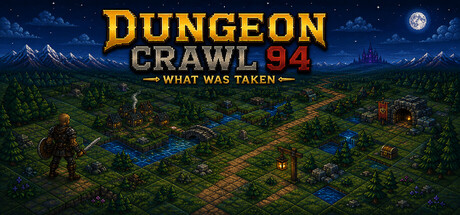
Generative AI tools were used during the development of Dungeon Crawl 94: What Was Taken to assist in creating portions of the game's artwork, music, and other pre-generated creative content. Generative AI was also used to create some promotional artwork displayed on the Steam store page and in the Steam Library. All AI-generated content is pre-generated and incorporated during development; the game does not use live generative AI during gameplay.
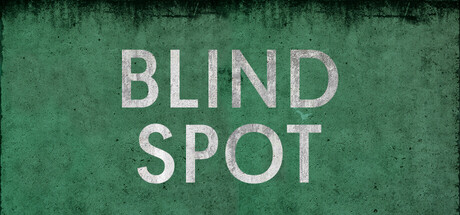
Blind Spot's writing, art, audio, and design were created without generative AI.
AI was used in one area: localization. Every language was handled identically. All in-game dialogue was translated entirely by human translators, with no AI involvement at any stage. The interface text, some menu text, options, and other short UI strings were given an AI first pass, which the same human translators then reviewed and corrected language by language before it shipped.
No AI-generated art, audio, or gameplay content appears in the game.
Some of the game's content was created with the assistance of generative AI tools and was then reviewed, edited and curated by the developer. This includes portions of the art assets, some audio content, and the translation of interface and subtitle text into languages other than Turkish and English. No content is generated by AI at runtime.
AI was used only to help create a few marketing images (capsule art and header capsule). All store screenshots, written content, and in-game art, audio, and text are handcrafted. The game contains no live or runtime AI-generated content.
We have used generative AI tools to translate the game into other languages and make it accessible to a wider audience. The development team has reviewed and overseen the integration of all text to ensure correct display and the proper functioning of the interface and menus.
Generative AI was used to assist with the processing and enhancement of some images for atmospheric purposes. These images were then manually retouched and further edited by the developer before being used in the game.
Generative AI was used for some textures and 3D models, as well as for English translation of both the game and its Steam store page.
All original content, including the story, dialogue, archive documents, game design, level design, programming, and Chinese localization, was created by the developer.
Pre-generated AI tools were used to assist in creating portions of the game's music, narration, character assets, and localization. All resulting content was reviewed and edited before being included as fixed game content. The game does not generate content with AI during gameplay or connect to an external AI service while running.
AI tools were used as an aid in the English localization of this title. All
original narrative content, artwork, music, and game systems were created by
human authors.
AI is used only for text translation/localization (in-game and store page), with every line reviewed and edited by the developer.
No AI-generated graphics, music, audio, or live content generation are used in the game.
The store artwork (capsules and key art) was generated with an image model and then composed, cropped and combined with our own logo by hand. The game's ambient background music tracks were generated with an AI music tool and edited afterwards.
Generative AI was used only to assist with drafting and translating written text for the Steam store page. No in-game artwork, audio, gameplay assets, or runtime content is generated by AI.
Some background art, still images, videos, and music were created with the assistance of generative AI tools; every asset was reviewed and curated by the developer. During gameplay, callers' dialogue is performed by an AI language model running entirely on the player's PC — fully offline, with no external AI service. The AI performs characters only within hand-written script boundaries, all story outcomes are decided by deterministic game logic, and generated text is filtered before display. Voice input is transcribed locally and never leaves your machine.
During the development of *A Bad Dream: Trypophobia*, generative AI was used as a supporting tool to create and refine certain textures, 3D models, and visual elements, as well as to assist in programming specific systems. All content was manually reviewed, edited, configured, and integrated by Big Mount Interactive. The game does not generate content via AI during gameplay, nor does it connect to external AI services.
Generative AI tools were used during development to assist with creating promotional images for the Steam store page, early concept art, and voiceovers for character dialogues. No AI content is generated in real-time during gameplay. All in-game models, code, and environments were manually created, processed, and integrated by the developer.
Generative AI was used during development to create visual assets and other non-dialogue content included in the game. Generated assets were selected, edited, and integrated as part of the development process.
We’d like to be transparent about the localization of THE WRONG WAY ROUND.
Some of the game’s translations have been created with the assistance of AI and then reviewed and adjusted by us. This allows us to make the game available to more players and support more languages than we could otherwise manage.
We’re continuously improving the translations and really appreciate any feedback from native speakers.
Generative AI tools were used during development to assist with the creation and iteration of some some pre-generated visual, written and promotional assets. All AI-assisted content is reviewed, edited and curated by the developer. No generative AI is used during gameplay.
Generative AI was used during development to assist in creating some 2D art assets, including scene backgrounds, character and monster artwork, UI elements, and icons for items, equipment, skills, and status effects. Generative AI was also used to assist in drafting some in-game text. All AI-assisted content was selected, edited, post-processed, and integrated by the developer. The game does not use generative AI at runtime and does not generate content in real time in response to player input.
Generative AI may be used during the development of AIRPORT 7 for development assistance, brainstorming, and creating or refining certain development-related content. AI-generated content is reviewed and edited by the developer before being included in the game. The game does not use generative AI to generate content for players during gameplay.
Some of the game's visual assets (tilesets, textures, sprites) were created with the assistance of AI image generation tools (PixelLab), then manually edited and integrated by the developer. No AI is used to generate content at runtime or during gameplay.
Some of the music in this game was created using Suno AI. Generative image tools were also used in the creation of certain in-game visual assets and marketing images. The generated content was reviewed, selected, and modified during the development process. Generative AI is not used in real time during gameplay, nor does the game generate any new content while being played.
In a particularly fitting twist for a game about artificial intelligence whose protagonist is herself an artificial intelligence, generative AI tools were used during development to assist with some pre-generated visual assets, music, and portions of the text and localization. All AI-assisted content was reviewed, edited, and curated by the developer. No generative AI is used during gameplay.
Generative AI was used to create some pre-generated character artwork, 2D images, and illustrations included in the game and related visual promotional materials. All generated images are reviewed and selected by the developer before inclusion. No AI-generated content is created during gameplay.
Generative AI tools were used during development to assist with refining some text, code, and images. Some in-game textures were also generated using AI. All AI-assisted content was reviewed, edited, and integrated by the developer. The game does not generate AI content during gameplay.
AI tools were used for some decorative textures and minor details. Although their use is minimal, they are visually present and may bother people sensitive to this topic. Furthermore, AI was used for temporary test dubbing of the characters. However, the final product will be voiced by human actors.
This game uses generative AI to create some character sprites, event CGs, backgrounds, and other in-game images. Some translations are also created using generative AI. These AI-generated assets are used as part of the game's content, as well as in images displayed on the game's store page. The game does not use generative AI to generate content in real time based on player input.
Generative AI was used to create certain promotional artwork for the Steam store page, including capsule images and the community icon. These assets were reviewed and edited by the developer. The game itself does not contain AI-generated artwork, audio, narrative, localization, or live-generated AI content.
Some illustrative artwork used in the game (atmospheric key art shown in the in-game gallery) was created with the assistance of AI image-generation tools. Portions of the game's narrative text, achievement descriptions, and localized translations were written with the assistance of an AI language tool during development, then reviewed and edited by the developer. All sound effects and music are procedurally synthesized using traditional digital signal processing (oscillators and filters), not AI-generated.
Generative AI tools were used during the development of this game to assist in creating selected pre-generated content, including images and illustrations, character visuals, 3D characters, models and assets, textures, cinematic videos, narration and voice elements, soundtrack/music, and selected textual or narrative content. All AI-assisted content was reviewed, selected, edited, and integrated by the developer before being included in the final game. Generative AI is not used to create content or code during gameplay.
Generative AI was used as a development aid for some pre-generated marketing artwork, concept artwork, localization drafts, and selected visual assets. All AI-assisted content was reviewed and edited by the developer before inclusion. The game does not generate AI content during gameplay or connect to external AI services.
PROCEDURE ZERO is made by one person.
Pre-generated AI tools were used for character voices, sound effects, the
opening scene, and translations into languages other than Polish. Every
line of it was chosen, edited and placed in the game by hand. The game
does not generate any content while you play.
Generative AI tools were used during development of this game.
2D art, including character illustrations and in-game documents and photographs, was created with image generation tools, then edited and composed by hand.
Some 3D props and environment models were created with a model generation service, then adjusted for the game.
Background music was created with a music generation service. Sound effects are not generated; they are openly licensed recordings that we processed ourselves.
AI coding tools assisted with writing and reviewing code. All final decisions and edits are made by the developer.
Every generated asset was selected and reworked by a person before it went into the game.
Generative AI tools were used during the development of Dungeon Crawl 94: What Was Taken to assist in creating portions of the game's artwork, music, and other pre-generated creative content. Generative AI was also used to create some promotional artwork displayed on the Steam store page and in the Steam Library. All AI-generated content is pre-generated and incorporated during development; the game does not use live generative AI during gameplay.
Blind Spot's writing, art, audio, and design were created without generative AI.
AI was used in one area: localization. Every language was handled identically. All in-game dialogue was translated entirely by human translators, with no AI involvement at any stage. The interface text, some menu text, options, and other short UI strings were given an AI first pass, which the same human translators then reviewed and corrected language by language before it shipped.
No AI-generated art, audio, or gameplay content appears in the game.
Some of the game's content was created with the assistance of generative AI tools and was then reviewed, edited and curated by the developer. This includes portions of the art assets, some audio content, and the translation of interface and subtitle text into languages other than Turkish and English. No content is generated by AI at runtime.
AI was used only to help create a few marketing images (capsule art and header capsule). All store screenshots, written content, and in-game art, audio, and text are handcrafted. The game contains no live or runtime AI-generated content.
We have used generative AI tools to translate the game into other languages and make it accessible to a wider audience. The development team has reviewed and overseen the integration of all text to ensure correct display and the proper functioning of the interface and menus.
Generative AI was used to assist with the processing and enhancement of some images for atmospheric purposes. These images were then manually retouched and further edited by the developer before being used in the game.
Generative AI was used for some textures and 3D models, as well as for English translation of both the game and its Steam store page.
All original content, including the story, dialogue, archive documents, game design, level design, programming, and Chinese localization, was created by the developer.
Pre-generated AI tools were used to assist in creating portions of the game's music, narration, character assets, and localization. All resulting content was reviewed and edited before being included as fixed game content. The game does not generate content with AI during gameplay or connect to an external AI service while running.
AI tools were used as an aid in the English localization of this title. All
original narrative content, artwork, music, and game systems were created by
human authors.