Public Steam disclosure research25,380 disclosures tracked
Where do games disclose AI use?
Search developers’ Steam disclosures, compare classified AI use across
games, and follow recorded changes.
This index adds cross-game classifications and statistics to
statements published on individual store pages.
Groups reflect automatic analysis of public disclosures; mature records are excluded. These counts do not measure AI use across all of Steam.
Missing or unclear statements cannot establish whether a game uses AI.
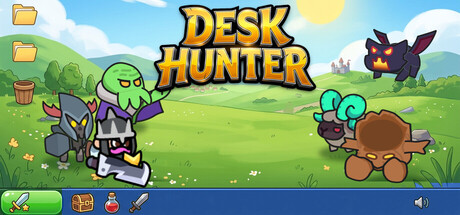
Generative AI was used to assist in creating all pre-rendered artwork, including environment backgrounds, menu and branding art, icons, and promotional/title-card images. These assets were reviewed and integrated by the developer. No content is generated during gameplay, and the game does not connect to external AI services.
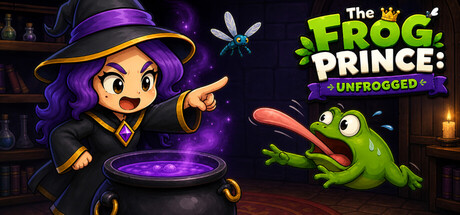
Generative AI tools were used during development to assist with the creation and refinement of certain pre-generated 2D visual assets, including environment artwork, character sprites, and store marketing images. All AI-assisted content was reviewed and edited by the developer before inclusion. No AI-generated content is created during gameplay, and the game does not connect to any external AI service.
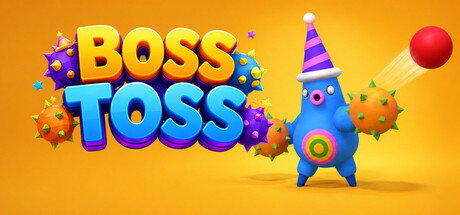
Generative AI tools were used to assist in the creation of some visual assets, 3D assets, and music used in the game. All AI-assisted content was reviewed, edited, and integrated by the developer before being included in the final game.
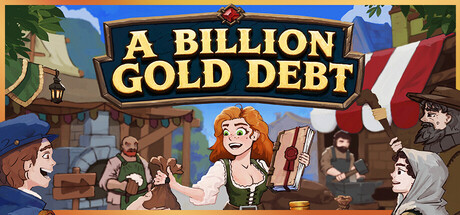
Generative AI tools assisted with some pre-generated artwork, localization, and written copy during development. All included outputs were selected, reviewed, and edited by the developer before shipping. The game does not generate AI content during gameplay and does not connect to external AI services.
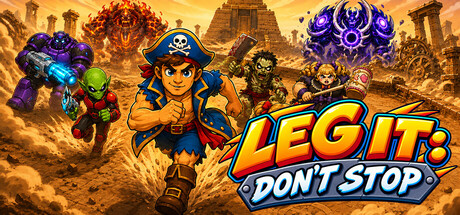
Some visual assets in Leg It: Don't Stop, including character and environment artwork, were created with the assistance of generative AI tools and then selected, edited, and integrated into the game by the developer. The game does not generate AI content during gameplay.
AI is used for programming assistance, for generating in-game sound effects and music, and for drafting store page text. All 3D art assets and level design are created by hand in Blender.
While AI tools were used to assist with the creation of select assets for our game's store page, all featured assets are fully original designs developed by our internal team.
Take a Joke uses generative AI in a few clearly defined places.
Created during development and shipped as fixed files:
• Artwork — the game's logo, icon, and character avatars were created using AI image-generation tools, then selected, edited, and assembled by hand.
• Narrator voice — the spoken introduction is a synthesized voice performance created with ElevenLabs, reading a script we wrote.
• Cards — the great majority of the prompt and answer deck was written by hand. A small number of cards were drafted with AI assistance. Every card in the game was read and approved by a person before it shipped.
Generated during play (optional features):
• The narrator occasionally reacts to what is happening in a round. The lines come from a fixed, human-written library; a player's name is inserted and the line is voiced with ElevenLabs.
• The optional end-of-game awards ceremony writes a short, custom awards show about the game you just played — the award titles and descriptions are AI-written from that game's results, then voiced.
When those optional features are on, the game sends player nicknames and submitted answers to the services that generate them. With them off, nothing is generated while you play.
The game features AI‑versus‑AI gameplay, but you need to provide access information for the general‑purpose AI.This may consume your tokens. Alternatively, you can skip the AI connection, which will not affect your gameplay experience.
This game was developed with the assistance of generative AI tools during the development process. Generative AI was used to help produce elements of the game's code, artwork, and music. All AI-assisted output was reviewed, edited, and curated by our team before being included in the final game, ensuring it met our creative and quality standards.
Generative AI tools were used to assist in the creation of certain pre-generated 2D artwork and visual assets during development. AI-assisted artwork is reviewed, edited, and integrated by the development team to maintain the game's intended visual style and quality. No generative AI content is created live during gameplay
The store page and library artwork (capsule images, library hero, and the game
logo) were created using a generative AI image tool, then cropped, colour-corrected
and composited by hand to meet Steam's asset specifications.
No AI-generated content ships inside the game itself. All in-game visuals, audio,
shaders and level layout are generated procedurally by the game's own code, or
hand-written.
This game was developed with the assistance of generative AI tools. AI was used during development to help write and refactor portions of the game's code, and to assist with design iteration. Some in-game assets (such as placeholder art, sound effects, or text) may have been created or refined with AI assistance. All AI-assisted content was reviewed and edited by the developer before inclusion. The game does not generate any content using AI at runtime, and no live AI features are present in the released product.
The store artwork (capsules and key art) was generated with an image model and then composed, cropped and combined with our own logo by hand. The game's ambient background music tracks were generated with an AI music tool and edited afterwards.
Generative AI was used during development to assist with visual concept exploration and the creation of certain pre-generated art assets. No generative AI content is generated during gameplay.
AI tools were used during development to assist with writing the game's code and text content (including UI text, English/Korean localization, and store page text). All AI-assisted content was created under direct developer supervision and reviewed by the developer. No content is generated by AI at runtime.
Crie au loup is made with AI, from the first prototype to the illustrations. That is not a manufacturing detail: it is as much the project as the game itself.
My role is not a craftsman's: I painted no card, and I did not write the code line by line. I designed the system, I direct it, I arbitrate and I verify. Deciding what makes it into the game, what gets redone, what gets cut: that is production work, and it is mine.
What is generated: the creature and location artwork, the interface, a large share of the code and the writing. What is measured rather than assumed: card balance, computed over thousands of simulated matches before every update. What is verified: the historical sources behind every legend, published one by one on the official site, where you can open them and prove me wrong.
What is never generated is your match. No image, no text and no game decision comes out of a model while you play: the engine is deterministic, and the solo opponent is a classic program applying the rules.
Crie au loup is one of the projects I run around generative AI, and the only one you can play. The making-of is documented without varnish in the devlog on the official site.
This game uses generative AI for some visual content, including icons, logos, game art, Steam store page art, and website marketing images. Some store and website descriptions were written with AI assistance. Store, website, and marketing art is made to match the actual in-game look and design.
This game uses generative AI to assist with multilingual translation and to create some of its in-game music. All related content was generated in advance during development and reviewed and edited by the development team.
"This game's code, including the level and cosmetics editors, are all AI-generated.
The maps and music are not AI-generated.
Some cosmetics may be AI-generated, but most are not."
During the development of this game, generative AI tools were used to assist in creating some of the art materials (scenes / props / UI) and text content. All AI-generated content has been thoroughly reviewed, modified, optimized, and checked for copyright by humans to ensure the quality and compliance of the content.
Some of the art assets in this work are created using Image2.5, including but not limited to partial store page images, in-game scene graphics, loading screens, and select item icons.
This game uses generative AI during development to create some of the visual assets included in the game. AI-generated assets are reviewed and edited as needed before being incorporated into the final game. The game does not use generative AI to create content dynamically during gameplay.
Some of the music in this game was created using Suno AI. Generative image tools were also used in the creation of certain in-game visual assets and marketing images. The generated content was reviewed, selected, and modified during the development process. Generative AI is not used in real time during gameplay, nor does the game generate any new content while being played.
Generative AI tools were used during development to assist with creating some music and UI graphic assets, as well as to provide coding suggestions and troubleshooting support. All AI-assisted content was reviewed, edited where necessary, and integrated by the developer. The game does not generate AI content during gameplay.
OpenAI image generation was used to create a pre-generated background image used in some of the game's Steam store capsule artwork and screenshots. The image is fixed and was reviewed by the developer. No content is generated using AI during gameplay.
I’m an indie game developer and have tried making games for years. Generative AI has been used as part of my development process, including helping with code, visual and sound assets. It is not a simple one-shot process, but effort has been put in over multiple generations to control and curate the art style.
Generative artificial intelligence (AI) was used to create some audio and visual assets, portions of the game code, Steam store page copy, and localized content. No AI-generated content is created in real time during gameplay.
Some visual assets were created with the assistance of generative AI tools during development. These assets were subsequently reviewed, edited, and refined by the development team before being included in the final game.
No AI-generated content is created during gameplay.
Generative AI was used to assist in creating some UI graphics, equipment graphic assets, and music, as well as to assist with programming. All generated content was reviewed and edited as needed by the developer. No live-generated AI content is used while the game is running.
Generative AI was used to assist with the composition of some concept artwork, a small number of promotional video shots, and multilingual localization. All related content was reviewed, edited, and finally approved by the development team before use.
We may use AI-based tools during development to assist with content creation. In all such cases, the final game mirrors our dev team's creativity and expression.
Some visual assets (logo, item cover art, character portraits), portions of in-game text, localizations into languages other than Turkish and English, and music/sound effects were created with the assistance of generative AI tools and then reviewed and edited by the developers. No content is generated by AI during gameplay.
Generative AI tools were used during development to assist in the creation and refinement of some pre-generated game content, including visual assets, audio, and development materials. All AI-assisted content was reviewed, edited, and integrated by the developer. No generative AI is used during gameplay.
Generative AI was used to assist in creating all pre-rendered artwork, including environment backgrounds, menu and branding art, icons, and promotional/title-card images. These assets were reviewed and integrated by the developer. No content is generated during gameplay, and the game does not connect to external AI services.
Generative AI tools were used during development to assist with the creation and refinement of certain pre-generated 2D visual assets, including environment artwork, character sprites, and store marketing images. All AI-assisted content was reviewed and edited by the developer before inclusion. No AI-generated content is created during gameplay, and the game does not connect to any external AI service.
Generative AI tools were used to assist in the creation of some visual assets, 3D assets, and music used in the game. All AI-assisted content was reviewed, edited, and integrated by the developer before being included in the final game.
Generative AI tools assisted with some pre-generated artwork, localization, and written copy during development. All included outputs were selected, reviewed, and edited by the developer before shipping. The game does not generate AI content during gameplay and does not connect to external AI services.
Some visual assets in Leg It: Don't Stop, including character and environment artwork, were created with the assistance of generative AI tools and then selected, edited, and integrated into the game by the developer. The game does not generate AI content during gameplay.
AI is used for programming assistance, for generating in-game sound effects and music, and for drafting store page text. All 3D art assets and level design are created by hand in Blender.
While AI tools were used to assist with the creation of select assets for our game's store page, all featured assets are fully original designs developed by our internal team.
Take a Joke uses generative AI in a few clearly defined places.
Created during development and shipped as fixed files:
• Artwork — the game's logo, icon, and character avatars were created using AI image-generation tools, then selected, edited, and assembled by hand.
• Narrator voice — the spoken introduction is a synthesized voice performance created with ElevenLabs, reading a script we wrote.
• Cards — the great majority of the prompt and answer deck was written by hand. A small number of cards were drafted with AI assistance. Every card in the game was read and approved by a person before it shipped.
Generated during play (optional features):
• The narrator occasionally reacts to what is happening in a round. The lines come from a fixed, human-written library; a player's name is inserted and the line is voiced with ElevenLabs.
• The optional end-of-game awards ceremony writes a short, custom awards show about the game you just played — the award titles and descriptions are AI-written from that game's results, then voiced.
When those optional features are on, the game sends player nicknames and submitted answers to the services that generate them. With them off, nothing is generated while you play.
The game features AI‑versus‑AI gameplay, but you need to provide access information for the general‑purpose AI.This may consume your tokens. Alternatively, you can skip the AI connection, which will not affect your gameplay experience.
This game was developed with the assistance of generative AI tools during the development process. Generative AI was used to help produce elements of the game's code, artwork, and music. All AI-assisted output was reviewed, edited, and curated by our team before being included in the final game, ensuring it met our creative and quality standards.
Generative AI tools were used to assist in the creation of certain pre-generated 2D artwork and visual assets during development. AI-assisted artwork is reviewed, edited, and integrated by the development team to maintain the game's intended visual style and quality. No generative AI content is created live during gameplay
The store page and library artwork (capsule images, library hero, and the game
logo) were created using a generative AI image tool, then cropped, colour-corrected
and composited by hand to meet Steam's asset specifications.
No AI-generated content ships inside the game itself. All in-game visuals, audio,
shaders and level layout are generated procedurally by the game's own code, or
hand-written.
This game was developed with the assistance of generative AI tools. AI was used during development to help write and refactor portions of the game's code, and to assist with design iteration. Some in-game assets (such as placeholder art, sound effects, or text) may have been created or refined with AI assistance. All AI-assisted content was reviewed and edited by the developer before inclusion. The game does not generate any content using AI at runtime, and no live AI features are present in the released product.
The store artwork (capsules and key art) was generated with an image model and then composed, cropped and combined with our own logo by hand. The game's ambient background music tracks were generated with an AI music tool and edited afterwards.
Generative AI was used during development to assist with visual concept exploration and the creation of certain pre-generated art assets. No generative AI content is generated during gameplay.
AI tools were used during development to assist with writing the game's code and text content (including UI text, English/Korean localization, and store page text). All AI-assisted content was created under direct developer supervision and reviewed by the developer. No content is generated by AI at runtime.
Crie au loup is made with AI, from the first prototype to the illustrations. That is not a manufacturing detail: it is as much the project as the game itself.
My role is not a craftsman's: I painted no card, and I did not write the code line by line. I designed the system, I direct it, I arbitrate and I verify. Deciding what makes it into the game, what gets redone, what gets cut: that is production work, and it is mine.
What is generated: the creature and location artwork, the interface, a large share of the code and the writing. What is measured rather than assumed: card balance, computed over thousands of simulated matches before every update. What is verified: the historical sources behind every legend, published one by one on the official site, where you can open them and prove me wrong.
What is never generated is your match. No image, no text and no game decision comes out of a model while you play: the engine is deterministic, and the solo opponent is a classic program applying the rules.
Crie au loup is one of the projects I run around generative AI, and the only one you can play. The making-of is documented without varnish in the devlog on the official site.
This game uses generative AI for some visual content, including icons, logos, game art, Steam store page art, and website marketing images. Some store and website descriptions were written with AI assistance. Store, website, and marketing art is made to match the actual in-game look and design.
This game uses generative AI to assist with multilingual translation and to create some of its in-game music. All related content was generated in advance during development and reviewed and edited by the development team.
"This game's code, including the level and cosmetics editors, are all AI-generated.
The maps and music are not AI-generated.
Some cosmetics may be AI-generated, but most are not."
During the development of this game, generative AI tools were used to assist in creating some of the art materials (scenes / props / UI) and text content. All AI-generated content has been thoroughly reviewed, modified, optimized, and checked for copyright by humans to ensure the quality and compliance of the content.
Some of the art assets in this work are created using Image2.5, including but not limited to partial store page images, in-game scene graphics, loading screens, and select item icons.
This game uses generative AI during development to create some of the visual assets included in the game. AI-generated assets are reviewed and edited as needed before being incorporated into the final game. The game does not use generative AI to create content dynamically during gameplay.
Some of the music in this game was created using Suno AI. Generative image tools were also used in the creation of certain in-game visual assets and marketing images. The generated content was reviewed, selected, and modified during the development process. Generative AI is not used in real time during gameplay, nor does the game generate any new content while being played.
Generative AI tools were used during development to assist with creating some music and UI graphic assets, as well as to provide coding suggestions and troubleshooting support. All AI-assisted content was reviewed, edited where necessary, and integrated by the developer. The game does not generate AI content during gameplay.
OpenAI image generation was used to create a pre-generated background image used in some of the game's Steam store capsule artwork and screenshots. The image is fixed and was reviewed by the developer. No content is generated using AI during gameplay.
I’m an indie game developer and have tried making games for years. Generative AI has been used as part of my development process, including helping with code, visual and sound assets. It is not a simple one-shot process, but effort has been put in over multiple generations to control and curate the art style.
Generative artificial intelligence (AI) was used to create some audio and visual assets, portions of the game code, Steam store page copy, and localized content. No AI-generated content is created in real time during gameplay.
Some visual assets were created with the assistance of generative AI tools during development. These assets were subsequently reviewed, edited, and refined by the development team before being included in the final game.
No AI-generated content is created during gameplay.
Generative AI was used to assist in creating some UI graphics, equipment graphic assets, and music, as well as to assist with programming. All generated content was reviewed and edited as needed by the developer. No live-generated AI content is used while the game is running.
Generative AI was used to assist with the composition of some concept artwork, a small number of promotional video shots, and multilingual localization. All related content was reviewed, edited, and finally approved by the development team before use.
We may use AI-based tools during development to assist with content creation. In all such cases, the final game mirrors our dev team's creativity and expression.
Some visual assets (logo, item cover art, character portraits), portions of in-game text, localizations into languages other than Turkish and English, and music/sound effects were created with the assistance of generative AI tools and then reviewed and edited by the developers. No content is generated by AI during gameplay.
Generative AI tools were used during development to assist in the creation and refinement of some pre-generated game content, including visual assets, audio, and development materials. All AI-assisted content was reviewed, edited, and integrated by the developer. No generative AI is used during gameplay.