








Disclosure
Some art and promotional assets were created with the help of AI tools, and AI assisted the developer during coding.
- Creator
- Soda Elephant Studio
- Reviews
- -
- Added
- Sep 25, 2026
Public Steam disclosure research 25,380 disclosures tracked
Search developers’ Steam disclosures, compare classified AI use across games, and follow recorded changes. This index adds cross-game classifications and statistics to statements published on individual store pages.
Code help, debugging and other development work.
Capsule art, trailers and promotional material.
Pre-made art, audio, writing and other game assets.
Interactive or runtime AI features disclosed by the developer.
Groups reflect automatic analysis of public disclosures; mature records are excluded. These counts do not measure AI use across all of Steam. Missing or unclear statements cannot establish whether a game uses AI.
Some art and promotional assets were created with the help of AI tools, and AI assisted the developer during coding.
Spirit Gems features artwork developed with generative AI.
Garden Diary uses generative AI in these places, all reviewed and edited by me: • Code - written with an AI coding assistant. • Text - the interface text, hints and the game's written lines were drafted with AI help and edited by hand. This store description was written the same way. • Interface icons- the small line glyphs are hand-authored SVG produced with the same assistant. No AI-generated 3D art, textures, voice or music. Every 3D asset comes from licensed, human-made packs; the fonts are open-licensed human work; the wind, crickets, bells and lullaby are synthesised by the game's own audio code, and the rain is a licensed recording.
Generative AI tools were used during development to assist with selected visual and promotional assets, as well as localization. All AI-assisted content is reviewed, edited, and curated by the developer before being included in the game or store materials. KEYLINGS does not generate AI content during gameplay and does not connect to external AI services.
The music in this game was created using the Suno AI music generation tool. All other content — including all art and pixel art, level and puzzle design, mechanics, writing, — was created by hand by the developer, without generative AI.
In-game text (bee facts, item descriptions, achievement lines) and store page copy were written with the assistance of an AI writing tool, under the developer's direction and review. All artwork is pixel art drawn by the game's own code, and all audio is synthesized or CC0 field recordings — no AI-generated images, audio, or music.
The text on the store page was translated using generative AI.
The game uses generative AI to create some of the 2D pixel-art sprites and character animations. All such content is manually reviewed and edited before being included in the game.
NBD2 is an AI game development studio. As a solo indie dev who is unlikely to ever make a dime from any of my games, there's no other way I could bring my ideas to life. Tooth and Tusk was created using generative AI throughout development, including its artwork and visuals, music, sound effects, character voices, text and dialogue, and game code. All AI generation took place during development. The game does not generate AI content or code during play or connect to an external AI service. I recognize AI in game development is an extremely sensitive topic and I appreciate both sides. I only hope the game is fun. The goal should always be making something that human beings will enjoy.
Generative AI tools were used during development to assist with portions of the source code. All AI-assisted output included in the game was reviewed, edited, tested, and integrated by the developer. The game does not use generative AI during gameplay, does not generate content in real time, and does not connect to any external AI service.
Pre-generated content: some character and venue artwork, some 3D props, the cast voice lines, the intro films and the translations were created with AI tools and reviewed by the developer. No content is generated at runtime.
Some visual assets used on the Steam store page were created with the assistance of generative AI. The game itself does not contain AI-generated content and does not include any live-generated AI features.
Generative AI tools were used during development to assist with creating artwork and textures, preparing audio, and drafting written content.
Generative AI tools were used to assist in the creation of certain visual assets during development. All final in-game content was reviewed and edited by the developer. No AI-generated content is produced during gameplay.
Generative AI tools were used during development to assist with some pre-generated 2D visual assets, marketing artwork, and localized text. All AI-assisted content was reviewed and edited by the developer before inclusion. The game does not generate AI content or code during play and does not connect to external AI services.
Goliath Rogue was made with the help of generative AI. The 2D art, the music and the sound effects were AI-generated — some of the art was then retouched by hand — and the Spanish and French translations were AI-assisted. All of it ships as fixed assets in the game; nothing is generated while you play. AI coding tools were also used during development to help write the game's code.
AI has been used to create certain assets for Bonsai Life. These assets include Japanese interior models, lanterns and benches.
Sunday Pilot contains no AI-generated art, music, voice or in-game text. Every visual in the game is rendered in real time from geometry and materials authored by hand in code — there are no image assets. Every sound is synthesized by the game while you play, from a physical model of the engine; no audio files ship with the game. All car data and track layouts are hand-authored. The store page capsule art and screenshots are rendered by the game itself, using the same renderer that draws the game — they are not concept art, not painted, and not AI-generated. The game description and other store page text were written with the assistance of an AI writing assistant, and portions of the game's source code were written with the assistance of an AI coding assistant. All of it was reviewed and edited by the developer. The game does not use generative AI at runtime. Nothing is generated while you play, there is no network connection of any kind, and the game is fully playable offline.
Machine translation programs have been used for translations into the various languages, except for Spanish and English.
The game was 100% designed and tested by me and my kids. I did use AI tools to help create the logo, some of the 3d objects in the game (portion of the buildings) and the voice narration in the trailer.
AI-assisted programming tools were used during development to help write game code. Generative AI was also used to create or assist with portions of the artwork and logo, music, sound effects, written text, and localization in the game and its store and marketing materials. These uses take place during development and content production. The game does not use AI to generate content or code during gameplay and does not connect to external AI services during gameplay.
AI-Generated Content Disclosure This game includes a small number of visual assets, such as certain images and food ingredient models, that were created with the assistance of generative AI. These assets have been carefully curated and refined by the development team to align with the game’s style and quality. All core gameplay, design, player character, dragon character, and player interactions are handcrafted.
Generative AI was used during development to create image assets, including characters, environments, items and titles, and to create background music. Selected images were adapted into the game's pixel-art assets. AI and machine translation were also used when preparing localized text. These assets are prepared in advance; the game does not generate images, music or text with AI during play.
Generative artificial intelligence has been used to create store page thumbnails based on the developer's scene work.
Generative AI tools were used to assist with translating and proofreading text for the game and its Steam store page. All translated and revised text was reviewed and approved by the developer.
AI tools were used only in a limited supporting role to help with internal coding tools and game testing.
Generative AI was used to create some store page images, in-game images, and concept art for certain 3D models. All generated content was reviewed and edited by the development team.
Some of this game's pixel art was generated with AI tools (PixelLab) and then edited by hand — the boats, the fauna, the bosses and the hats. The backgrounds come from licensed art packs by human artists, credited in the game's Credits screen. All audio is from human-made sound packs, also credited. No AI runs while you play: everything was generated ahead of time.
Some of the store artwork, the game icon and some sound effects were created with generative AI tools and then edited by hand before release. The simulation, the program code, the 3D models and the text in the game were made without generative AI. Nothing is generated by AI while you play.
Programming with AI. For the art assets, the demo currently uses AI-generated art assets, which will be gradually replaced with artwork created by professional artists before the game’s release.
Some in-app text (character dialogue) and translations were drafted with AI writing assistance and edited by the developer. All graphics are drawn at runtime by hand-written code, and all sounds and music are synthesised by code; no AI image, voice or music models are used, and nothing is AI-generated while you use the app.
AI tools were used to assist with writing and reviewing game code during development. No AI-generated art, audio, or narrative content ships in the final game.
AI was used for: developing content concepts, such as structures, locations, and some smaller details; creating parts of the environment, such as the day/night cycle and clouds; generating animals.
Some of the programming made use of AI tools to assist with identifying bugs. ALL visual assets in this game are 100% HUMAN MADE, from the ground up. All sound effects and music are also 100% made by me, with NO AI. All in-game imagery is entirely human made. The store page graphics and text description are also 100% human made with no AI.
We use Claude Code, Fable, for coding procedurally generated assets for this game.
Visual assets and music in Homeward on the Wind were created with the assistance of generative AI tools and were reviewed and refined by the development team. The game does not generate content in real time. All storylines, choices, and interactions are pre-designed.
As a solo developer, I leverage generative AI tools to efficiently create visual assets and UI elements. Much like an automated tool helps a single craftsman, this technology allows me to bring my vision to life independently, maintaining full creative control over the game's mechanics, logic, and design.
Potion Pantry contains limited pre-generated content created with AI assistance during development. OpenAI Codex assisted with portions of the puzzle clue and narrative writing used in Chapters 2–6. Rogue Andromeda reviewed and approved the resulting campaign content and retains final creative control. OpenAI's image-generation tool also created two ingredient icons, Iron Kettle and Wooden Ladle, which the developer explicitly reviewed and approved for use. The remaining displayed artwork is human-created or commercially licensed, including pantry artwork assembled by Rogue Andromeda and PONETI ingredient icons licensed through the Unity Asset Store. Music, sound effects, and the Keeper voice performance are human-made; no audio waveform, performance, or composition was generated by AI. Development provenance, prompts where applicable, approvals, hashes, licenses, and source records are retained by Rogue Andromeda LLC.
BitWise was made by a single developer with AI assistance, under the developer's direction and review. It contains no AI-generated images or voices: the game draws all of its art and synthesizes all of its sound with its own code. Nothing is generated by AI while you play.
Generative AI was used to assist in writing and translating the text descriptions for this store page. All in-game assets and code were created by human developers.
I'm a solo developer and I'm not a 3D modeler. Generative AI is what made Pawper possible at all: the in-game items and the game's icons were created with AI 3D tools, and I assembled the store capsules by hand from those elements. Sound effects and music are mostly licensed or hand-made. Nothing is generated by AI while the game is running.
Generative AI tools were used to assist with some of the game's translations and localization. The AI-generated translations were reviewed and edited before being included in the game.
I used Claude and Arena.AI for the art assets, as im only one person and use AI as a tool to save time with repetitive tasks.
Generative AI was used during development to create pre-made content: concept and reference images, character sprites, textures and UI graphics (OpenAI image generation), the game logo (Google Gemini), some 3D model drafts (Tripo) and sound effects (ElevenLabs). All AI-generated material was selected, edited, modelled and integrated by the developer in Blender and Unity. The game does not generate any content with AI while you play and does not connect to AI services.
AI (Images v.2.5 by OpenAI: chatGPT v.5.6) was used to: - generate the game logo; - generate textures for physical materials (bricks, stones, etc.); - generate backgrounds; - generate diamonds, balls, stands, teleports; - generate text labels; This game does not use AI to live-generate content or code during gameplay. All AI assets have undergone human post-processing.
Generative AI tools were used during development to help refine some of the game's content and development tasks. No content is generated by AI in real-time during gameplay.
Made by one person. Written, directed and built by me, with generative AI used as a supplementary tool for some of the game's assets, all of it reviewed and refined by hand.
Generative AI tools were used during development to assist with visual assets, music and programming. Generated outputs were reviewed, edited and integrated by the developer to fit the game’s design and creative direction.
Steam store and library, including capsule images, the logo and icons Gameplay screenshots were captured directly from the game.
Used minimal AI to assist in the creation.
| Title⇅ | Disclosure | Creator⇅ | Src | Reviews⇅ | Added↓ |
|---|---|---|---|---|---|
 Letters from the Springs Store/marketing artcode | Some art and promotional assets were created with the help of AI tools, and AI assisted the developer during coding. | Soda Elephant Studio | - | Sep 25, 2026 | |
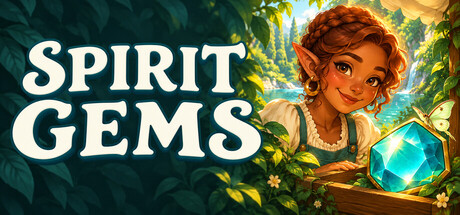 Spirit Gems In-game content art | Spirit Gems features artwork developed with generative AI. | Recoil Mojo | - | Sep 25, 2026 | |
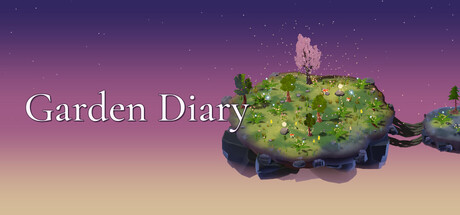 Garden Diary In-game content arttextcode | Garden Diary uses generative AI in these places, all reviewed and edited by me:
• Code - written with an AI coding assistant.
• Text - the interface text, hints and the game's written lines were drafted with AI help and edited by hand. This store description was written the same way.
• Interface icons- the small line glyphs are hand-authored SVG produced with the same assistant.
No AI-generated 3D art, textures, voice or music. Every 3D asset comes from licensed, human-made packs; the fonts are open-licensed human work; the wind, crickets, bells and lullaby are synthesised by the game's own audio code, and the rain is a licensed recording. | MMageGangsta | - | Sep 25, 2026 | |
 KEYLINGS In-game content arttext | Generative AI tools were used during development to assist with selected visual and promotional assets, as well as localization. All AI-assisted content is reviewed, edited, and curated by the developer before being included in the game or store materials. KEYLINGS does not generate AI content during gameplay and does not connect to external AI services. | ZAKO GAMES | - | Sep 25, 2026 | |
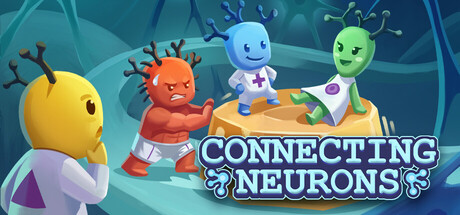 Connecting Neurons In-game content audio | The music in this game was created using the Suno AI music generation tool. All other content — including all art and pixel art, level and puzzle design, mechanics, writing, — was created by hand by the developer, without generative AI. | Team Kalango | - | Sep 25, 2026 | |
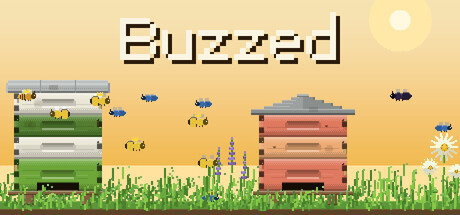 Buzzed: An Idle Beekeeping Game In-game content text | In-game text (bee facts, item descriptions, achievement lines) and store page copy were written with the assistance of an AI writing tool, under the developer's direction and review. All artwork is pixel art drawn by the game's own code, and all audio is synthesized or CC0 field recordings — no AI-generated images, audio, or music. | Hedgerow Games | - | Sep 25, 2026 | |
 Pixel Party Program In-game content text | The text on the store page was translated using generative AI. | tdhr | - | Sep 25, 2026 | |
 Pubertator In-game content art | The game uses generative AI to create some of the 2D pixel-art sprites and character animations. All such content is manually reviewed and edited before being included in the game. | Victoria Games | - | Sep 25, 2026 | |
 Tooth And Tusk In-game content artaudiotextcode | NBD2 is an AI game development studio. As a solo indie dev who is unlikely to ever make a dime from any of my games, there's no other way I could bring my ideas to life.
Tooth and Tusk was created using generative AI throughout development, including its artwork and visuals, music, sound effects, character voices, text and dialogue, and game code. All AI generation took place during development. The game does not generate AI content or code during play or connect to an external AI service.
I recognize AI in game development is an extremely sensitive topic and I appreciate both sides. I only hope the game is fun.
The goal should always be making something that human beings will enjoy. | NBD2 | - | Sep 25, 2026 | |
 欢乐二人麻将 Dev only code | Generative AI tools were used during development to assist with portions of the source code. All AI-assisted output included in the game was reviewed, edited, tested, and integrated by the developer. The game does not use generative AI during gameplay, does not generate content in real time, and does not connect to any external AI service. | OldYoung | - | Sep 25, 2026 | |
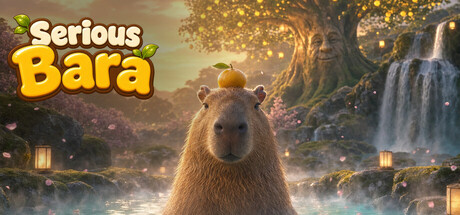 Serious Bara In-game content artaudiotext | Pre-generated content: some character and venue artwork, some 3D props, the cast voice lines, the intro films and the translations were created with AI tools and reviewed by the developer. No content is generated at runtime. | Emmington Entertainment | - | Sep 25, 2026 | |
 Panda Rails: Desktop Journeys Store/marketing art | Some visual assets used on the Steam store page were created with the assistance of generative AI. The game itself does not contain AI-generated content and does not include any live-generated AI features. | Pandaweave | - | Sep 25, 2026 | |
 Money Burner In-game content artaudiotext | Generative AI tools were used during development to assist with creating artwork and textures, preparing audio, and drafting written content. | Oxalis Studios | - | Sep 25, 2026 | |
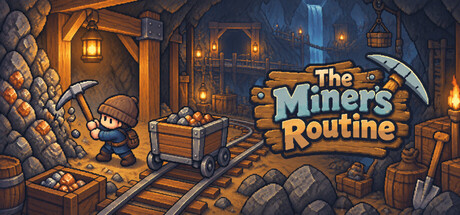 The Miner's Routine In-game content art | Generative AI tools were used to assist in the creation of certain visual assets during development. All final in-game content was reviewed and edited by the developer. No AI-generated content is produced during gameplay. | Aleksandr Pogrebitskii | - | Sep 25, 2026 | |
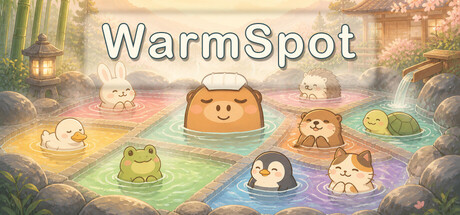 WarmSpot In-game content arttext | Generative AI tools were used during development to assist with some pre-generated 2D visual assets, marketing artwork, and localized text. All AI-assisted content was reviewed and edited by the developer before inclusion. The game does not generate AI content or code during play and does not connect to external AI services. | BT Studio | - | Sep 25, 2026 | |
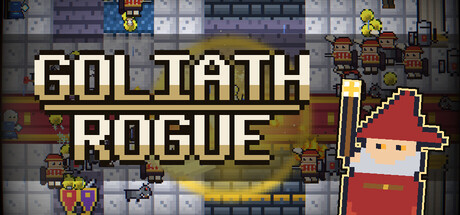 Goliath Rogue In-game content artaudiotextcode | Goliath Rogue was made with the help of generative AI. The 2D art, the music and the sound effects were AI-generated — some of the art was then retouched by hand — and the Spanish and French translations were AI-assisted. All of it ships as fixed assets in the game; nothing is generated while you play. AI coding tools were also used during development to help write the game's code. | Goliath Studios | - | Sep 25, 2026 | |
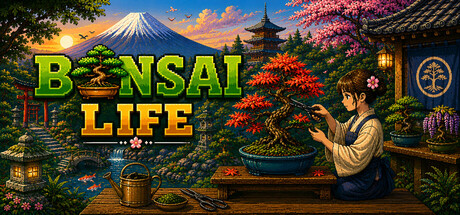 Bonsai Life In-game content art | AI has been used to create certain assets for Bonsai Life. These assets include Japanese interior models, lanterns and benches. | Alexander Johnston | - | Sep 25, 2026 | |
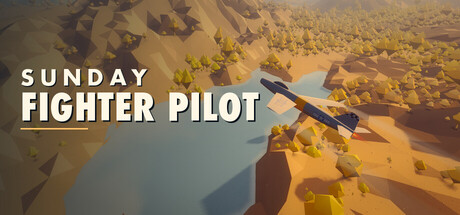 Sunday Fighter Pilot Dev only textcode | Sunday Pilot contains no AI-generated art, music, voice or in-game text.
Every visual in the game is rendered in real time from geometry and materials authored by hand in code — there are no image assets. Every sound is synthesized by the game while you play, from a physical model of the engine; no audio files ship with the game. All car data and track layouts are hand-authored.
The store page capsule art and screenshots are rendered by the game itself, using the same renderer that draws the game — they are not concept art, not painted, and not AI-generated.
The game description and other store page text were written with the assistance of an AI writing assistant, and portions of the game's source code were written with the assistance of an AI coding assistant. All of it was reviewed and edited by the developer.
The game does not use generative AI at runtime. Nothing is generated while you play, there is no network connection of any kind, and the game is fully playable offline. | nitzan.games LLC | - | Sep 25, 2026 | |
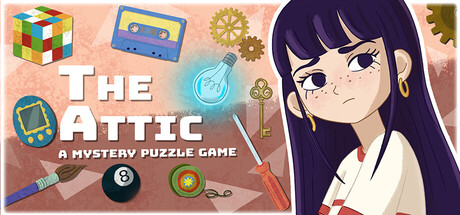 The Attic: A Mystery Puzzle Game In-game content text | Machine translation programs have been used for translations into the various languages, except for Spanish and English. | Tortita Studio | - | Sep 25, 2026 | |
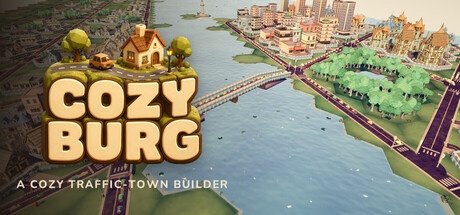 Cozy Burg In-game content artaudio | The game was 100% designed and tested by me and my kids. I did use AI tools to help create the logo, some of the 3d objects in the game (portion of the buildings) and the voice narration in the trailer. | Noise Harbor | - | Sep 25, 2026 | |
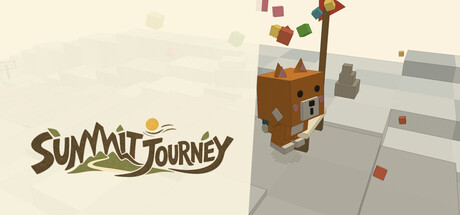 高山之旅 In-game content artaudiotext | AI-assisted programming tools were used during development to help write game code. Generative AI was also used to create or assist with portions of the artwork and logo, music, sound effects, written text, and localization in the game and its store and marketing materials. These uses take place during development and content production. The game does not use AI to generate content or code during gameplay and does not connect to external AI services during gameplay. | PANKUNHONG | - | Sep 25, 2026 | |
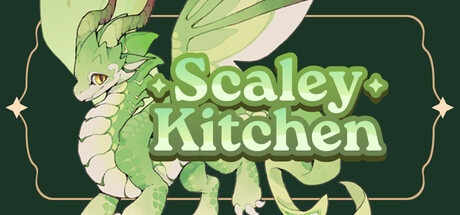 Scaley Kitchen In-game content art | AI-Generated Content Disclosure
This game includes a small number of visual assets, such as certain images and food ingredient models, that were created with the assistance of generative AI. These assets have been carefully curated and refined by the development team to align with the game’s style and quality.
All core gameplay, design, player character, dragon character, and player interactions are handcrafted. | Scale Back Studios | - | Sep 25, 2026 | |
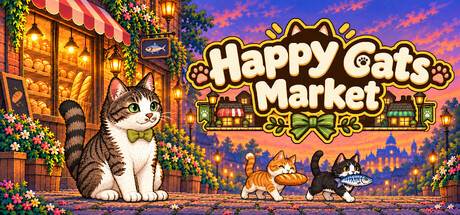 Happy Cats Market In-game content artaudiotext | Generative AI was used during development to create image assets, including characters, environments, items and titles, and to create background music. Selected images were adapted into the game's pixel-art assets. AI and machine translation were also used when preparing localized text. These assets are prepared in advance; the game does not generate images, music or text with AI during play. | Satoshi Onishi | - | Sep 24, 2026 | |
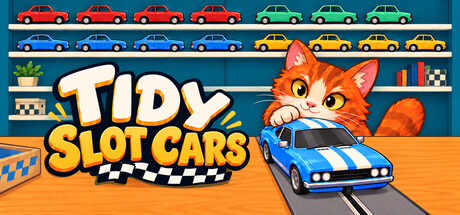 Tidy Slot Cars Store/marketing art | Generative artificial intelligence has been used to create store page thumbnails based on the developer's scene work. | GTGD | - | Sep 24, 2026 | |
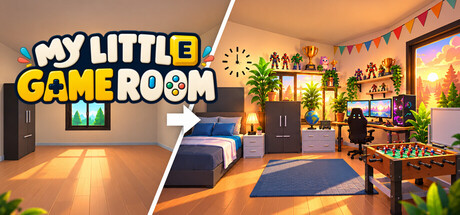 My Little Game Room In-game content text | Generative AI tools were used to assist with translating and proofreading text for the game and its Steam store page. All translated and revised text was reviewed and approved by the developer. | My Little Room Team | - | Sep 24, 2026 | |
 Capsule Arcade Dev only code | AI tools were used only in a limited supporting role to help with internal coding tools and game testing. | skeleton picture | - | Sep 24, 2026 | |
 Anime Shop Chaos: Tidy Up! In-game content art | Generative AI was used to create some store page images, in-game images, and concept art for certain 3D models. All generated content was reviewed and edited by the development team. | Playchemy Studio | - | Sep 24, 2026 | |
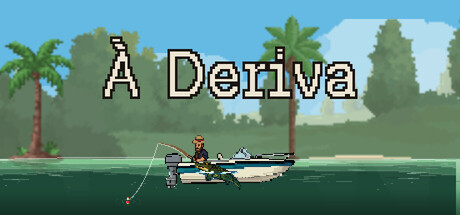 À Deriva In-game content art | Some of this game's pixel art was generated with AI tools (PixelLab) and then edited by hand — the boats, the fauna, the bosses and the hats. The backgrounds come from licensed art packs by human artists, credited in the game's Credits screen. All audio is from human-made sound packs, also credited. No AI runs while you play: everything was generated ahead of time. | Cheeetz | - | Sep 24, 2026 | |
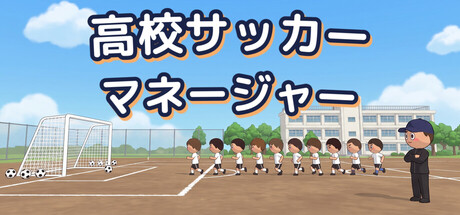 Academy Soccer Manager In-game content artaudio | Some of the store artwork, the game icon and some sound effects were created with generative AI tools and then edited by hand before release. The simulation, the program code, the 3D models and the text in the game were made without generative AI. Nothing is generated by AI while you play. | TENZO | - | Sep 24, 2026 | |
 Green Again! In-game content art | Programming with AI.
For the art assets, the demo currently uses AI-generated art assets, which will be gradually replaced with artwork created by professional artists before the game’s release. | RingoCat | - | Sep 24, 2026 | |
 QuackType In-game content text | Some in-app text (character dialogue) and translations were drafted with AI writing assistance and edited by the developer. All graphics are drawn at runtime by hand-written code, and all sounds and music are synthesised by code; no AI image, voice or music models are used, and nothing is AI-generated while you use the app. | Secret X | - | Sep 24, 2026 | |
 Clean Record Dev only code | AI tools were used to assist with writing and reviewing game code during development. No AI-generated art, audio, or narrative content ships in the final game. | Spichka Games | - | Sep 24, 2026 | |
 KYOTIKYO In-game content art | AI was used for:
developing content concepts, such as structures, locations, and some smaller details;
creating parts of the environment, such as the day/night cycle and clouds;
generating animals. | playfuldreamer | - | Sep 24, 2026 | |
 Art Store Tidy Up! Dev only code | Some of the programming made use of AI tools to assist with identifying bugs.
ALL visual assets in this game are 100% HUMAN MADE, from the ground up. All sound effects and music are also 100% made by me, with NO AI. All in-game imagery is entirely human made. The store page graphics and text description are also 100% human made with no AI. | CheesyWalrus | - | Sep 24, 2026 | |
 Softfall Dev only codeart | We use Claude Code, Fable, for coding procedurally generated assets for this game. | Softfall | - | Sep 24, 2026 | |
 回到风吹过的地方 In-game content artaudio | Visual assets and music in Homeward on the Wind were created with the assistance of generative AI tools and were reviewed and refined by the development team. The game does not generate content in real time. All storylines, choices, and interactions are pre-designed. | 大吃一斤汉堡团队 | - | Sep 24, 2026 | |
 KIBA - Kittys Idle Brick Arena In-game content art | As a solo developer, I leverage generative AI tools to efficiently create visual assets and UI elements. Much like an automated tool helps a single craftsman, this technology allows me to bring my vision to life independently, maintaining full creative control over the game's mechanics, logic, and design. | Kitty Games | - | Sep 24, 2026 | |
 Potion Pantry In-game content arttext | Potion Pantry contains limited pre-generated content created with AI assistance during development. OpenAI Codex assisted with portions of the puzzle clue and narrative writing used in Chapters 2–6. Rogue Andromeda reviewed and approved the resulting campaign content and retains final creative control. OpenAI's image-generation tool also created two ingredient icons, Iron Kettle and Wooden Ladle, which the developer explicitly reviewed and approved for use. The remaining displayed artwork is human-created or commercially licensed, including pantry artwork assembled by Rogue Andromeda and PONETI ingredient icons licensed through the Unity Asset Store. Music, sound effects, and the Keeper voice performance are human-made; no audio waveform, performance, or composition was generated by AI. Development provenance, prompts where applicable, approvals, hashes, licenses, and source records are retained by Rogue Andromeda LLC. | Rogue Andromeda Studios | - | Sep 24, 2026 | |
 BitWise code | BitWise was made by a single developer with AI assistance, under the developer's direction and review. It contains no AI-generated images or voices: the game draws all of its art and synthesizes all of its sound with its own code. Nothing is generated by AI while you play. | Faint Current | - | Sep 24, 2026 | |
 Hearth & Harvest In-game content text | Generative AI was used to assist in writing and translating the text descriptions for this store page. All in-game assets and code were created by human developers. | AD1 Studios | - | Sep 24, 2026 | |
 Pawper: Desktop Pet In-game content art | I'm a solo developer and I'm not a 3D modeler. Generative AI is what made Pawper possible at all: the in-game items and the game's icons were created with AI 3D tools, and I assembled the store capsules by hand from those elements. Sound effects and music are mostly licensed or hand-made. Nothing is generated by AI while the game is running. | LUMO Technology & Software Innovation | - | Sep 24, 2026 | |
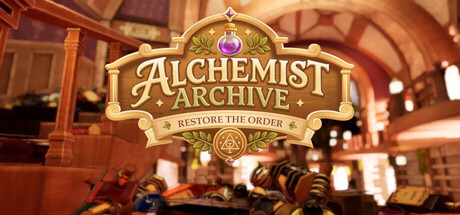 Alchemist Archive: Restore The Order In-game content text | Generative AI tools were used to assist with some of the game's translations and localization. The AI-generated translations were reviewed and edited before being included in the game. | JusCify | - | Sep 24, 2026 | |
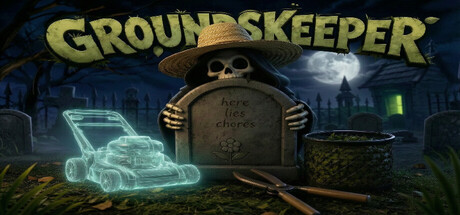 The Grounds-Keeper In-game content art | I used Claude and Arena.AI for the art assets, as im only one person and use AI as a tool to save time with repetitive tasks. | deadbird23rd | - | Sep 23, 2026 | |
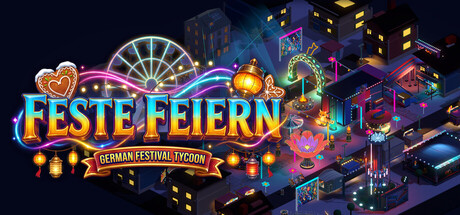 Feste Feiern: German Festival Tycoon In-game content artaudio | Generative AI was used during development to create pre-made content: concept and reference images, character sprites, textures and UI graphics (OpenAI image generation), the game logo (Google Gemini), some 3D model drafts (Tripo) and sound effects (ElevenLabs). All AI-generated material was selected, edited, modelled and integrated by the developer in Blender and Unity. The game does not generate any content with AI while you play and does not connect to AI services. | Jodelsoft | - | Sep 22, 2026 | |
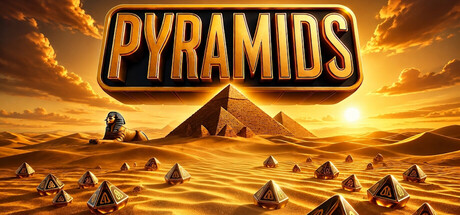 Pyramids In-game content arttext | AI (Images v.2.5 by OpenAI: chatGPT v.5.6) was used to:
- generate the game logo;
- generate textures for physical materials (bricks, stones, etc.);
- generate backgrounds;
- generate diamonds, balls, stands, teleports;
- generate text labels;
This game does not use AI to live-generate content or code during gameplay.
All AI assets have undergone human post-processing. | GraphXGames | - | Sep 22, 2026 | |
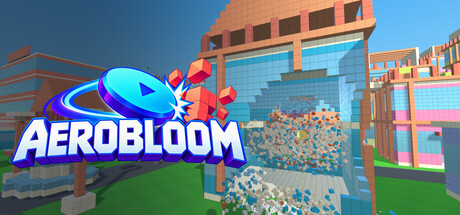 AeroBloom Dev only | Generative AI tools were used during development to help refine some of the game's content and development tasks. No content is generated by AI in real-time during gameplay. | Quito Digital Works | - | Sep 22, 2026 | |
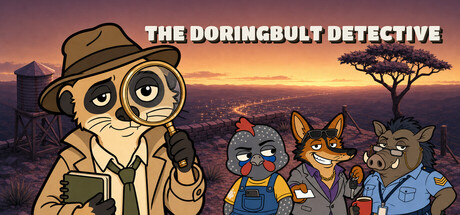 The Doringbult Detective In-game content art | Made by one person. Written, directed and built by me, with generative AI used as a supplementary tool for some of the game's assets, all of it reviewed and refined by hand. | STANDER Games | - | Sep 22, 2026 | |
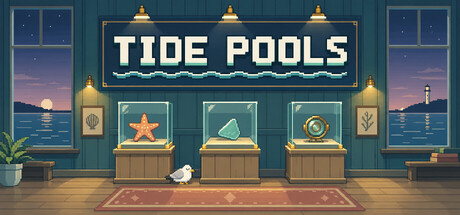 Tide Pools In-game content artaudiocode | Generative AI tools were used during development to assist with visual assets, music and programming. Generated outputs were reviewed, edited and integrated by the developer to fit the game’s design and creative direction. | MrBongoBong | - | Sep 22, 2026 | |
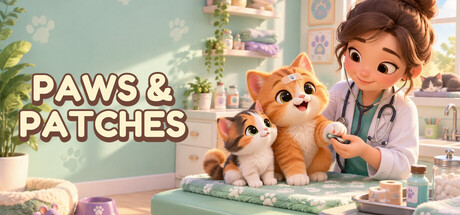 Paws & Patches art | Steam store and library, including capsule images, the logo and icons Gameplay screenshots were captured directly from the game. | Paws & Patches Studio | - | Sep 22, 2026 | |
 港水 Unclear | Used minimal AI to assist in the creation. | RoeBox | - | Sep 22, 2026 |


