Public Steam disclosure research25,380 disclosures tracked
Where do games disclose AI use?
Search developers’ Steam disclosures, compare classified AI use across
games, and follow recorded changes.
This index adds cross-game classifications and statistics to
statements published on individual store pages.
Groups reflect automatic analysis of public disclosures; mature records are excluded. These counts do not measure AI use across all of Steam.
Missing or unclear statements cannot establish whether a game uses AI.
During the development process, we may use procedural- and AI-based tools to assist with content creation. In all such cases, the final product reflects the creativity and expression of our own development team.
- Some 2D assets were generated partly with AI (with human pre and post passes).
- Some languages were localized with AI. We intend to make a full human pass on all languages before 1.0 launch.
Yes — this game uses generative AI tools to assist in the creation of certain pre-rendered content. This includes some voice acting and limited written text. All AI-generated content is reviewed, edited, and integrated by the developer. No AI-generated content is created dynamically during gameplay.
Generative AI is used only to create cartoon-style illustrated artwork for promotional materials and the game's store page. All other assets, including in-game art, models, design elements, and content, were created directly by the developers.
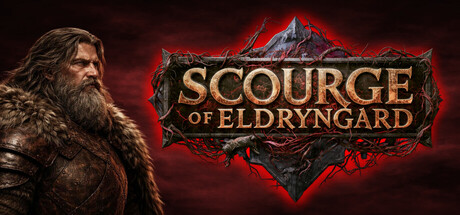
Scourge of Eldryngard was developed independently by a single person. I utilized generative AI tools under my creative direction for the creation of assets, music, voice acting, translation, and technical support, all via paid commercial licenses. All content underwent rigorous manual editing and review to ensure technical cohesion and originality. There is no real-time AI generation during gameplay.
The background music for the game was created using generative AI tools. However, all other game assets, including pixel art, sound effects, programming code, and narrative content, were created manually by the developer without the use of generative AI.
Localization was assisted by AI for multilingual support.
A small number of UI icons (approx. 10) were created using AI tools and manually refined by the developer.
AI tools were used to assist in creating parts of the soundtrack, selected UI elements (primarily in the main menu), and some achievement icons. All gameplay systems, design, and core content are handcrafted.
Defense of Kyrath uses AI-assisted tools in parts of its art and audio pipeline. Some character sprites, character voice lines, select background imagery, and background music are AI-generated, and refined or curated by the developer. All AI-generated content is pre-generated at authoring time. Terrain, environment art, and level layouts come from TiGen - a custom procedural generation pipeline that is purely algorithmic, not AI. All game design, writing, and gameplay systems are human-crafted.
AI technology is used in a supplementary capacity during the conceptual and prototyping stages of our 2D assets. Any such assets are replaced through our production pipeline by our artists.
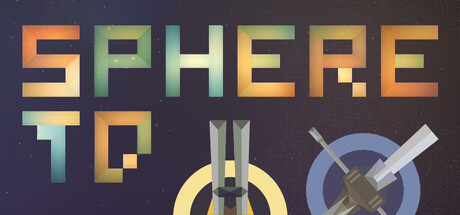
I'm Alex, a solo developer. Most of Sphere TD is handmade by me: towers, mods, UI, maps, game design, and core gameplay art.
A small amount of AI assisted creation is used for flavor: optional map background images (off by default), and music tracks that combine indie production with AI assisted composition.
I also have a no AI assets switch in Settings to toggle off generated content if you prefer.
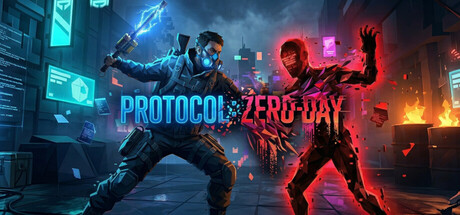
Generative AI tools were utilized during the pre-production and development phases to assist a solo developer in establishing the visual concepts, background art, and base textures for the cyber-apocalyptic world. All AI-generated base assets were subsequently reviewed, heavily curated, and manually integrated into the game engine to ensure they perfectly match the strict artistic direction and gameplay requirements of PROTOCOL: Zero-day.
All visual assets in this game — including character illustrations, environments, and card art — are designed and directed by a human artist, with AI tools used as an assistive means for iterative refinement and polish. The final in-game visuals are fully controlled by the designer. No AI-generated content involves copying from other games.
Salvo uses generative AI in a limited, pre-rendered capacity:
• Voice Acting: NPC dialogue throughout the campaign is voiced using ElevenLabs text-to-speech technology. All voice lines are generated, reviewed, and bundled with the game during development. No voice synthesis occurs at runtime.
• Visual Assets: Select concept art, promotional materials, and supplementary illustrations (such as wiki imagery) were created with assistance from AI image generation tools and reviewed by the development team before inclusion.
• Marketing Materials: The game's trailer voiceover and certain store page assets were produced with AI assistance.
All AI-assisted content has been reviewed by the developer prior to release. The game does not generate, transmit, or produce any AI content during gameplay — all in-game audio, visuals, and text are pre-rendered and ship with the game.
Generative AI is used as an assistive tool in the development of this game, including visual assets (item, ability, and boss icons), code, and music. All AI-generated content is produced under direct human creative direction, with the developer serving as director and approver at every stage. AI assists — the human decides.
Some parts of this game were created with the assistance of generative AI tools, including certain visual assets, sounds, and code.
All AI-generated content has been reviewed and modified by the developer to ensure quality and consistency.
Some of the promotional and storefront images were created with AI tools and then refined by hand. All of the in-game assets were designed by a 3D artist.
Building a game of this scale as a solo indie developer is a gigantic quest. To bring this vision to life, I utilized AI to help manage the immense development load.
I have used AI to help create placeholder assets as visual guides to get the final look and feel, some initial base assets that have since been modified to be game-ready, and, in some rare cases, game elements that did not require further polishing. I have worked hard to ensure the overall quality is as high as possible, given the limitations with funding, personnel and time.
What wasn't made with AI:
The core game design, idea and execution. Some of the game code, performance optimizations, final polishing, and most final assets. Additionally, some of the development tools, such as the terrain optimizer/generator, targeting, turret, and explosion systems, have been under development as personal hobby projects for nearly a decade. The game was completely visualized, balanced, play tested, and designed by people (the fun part).
What is heavily AI-generated:
Audio: The audio concepts and prompts were written by me, generated using AI algorithms, and then manually polished where needed. Real human work was required to orchestrate, mix, time, and fit these audio clips seamlessly into the game.
Some textures: In a few rare cases, a generated texture was used "as-is" and did not require any additional post-processing or optimization of any kind (excluding cropping or some basic photoshopping).
In the development of Cubie, generative AI tools were used to assist in the creation of various 2D graphical assets and environmental artwork. Additionally, AI was utilized to support the localization process, ensuring a better experience for players in different languages. All AI-generated content has been manually reviewed and refined to maintain the game's artistic vision and quality.
I used AI-assisted tools to help create and animate characters, manually refining and adapting them to fit the game's art style.
All other content, including world-building, UI, SFX, VFX, was either licensed from professional artists or created traditionally.
AI Disclosure
This game was developed by a solo developer using AI-assisted tools for image generation and coding support. All creative direction, game design, narrative, and artistic vision were conceived and executed by the developer. AI tools were used to make solo development feasible — not to replace creativity, but to support it.
Some of the promotional and storefront images were created with AI tools and then refined by hand. All of the in-game assets were designed by a 3D artist.
Voice overs, translations and character busts are currently being handled by AI.
As a budget limited studio, we want to have everything in place before an artist to work on. These placeholders would reduce the amount of back and forth, rework and hours invested. Everything is directed and supervised by humans.
Voice overs and character busts will be completely replaced by the work of artists by the 1.0 release.
Some store visual assets (promotional images and capsules) were created with the aid of generative AI tools and manually
edited. Sound effects were generated using ElevenLabs API and music was created with Suno AI. Translations for languages
beyond Portuguese, English and Spanish were automatically generated and reviewed. All game code, gameplay, level design and
in-game sprites were manually created.
This game uses generative AI for some in-game paintings, store artwork, and the introductory voiceover. All content was reviewed and integrated by the developer.
Dominoir uses generative artificial intelligence as a supporting tool during development. AI was used to assist in the creation of certain audio elements and early visual concepts, including parts of the game’s music and logo.
All assets were curated, edited, and finalized by the developer to ensure consistency with the game’s handcrafted art direction and overall quality.
Generative AI is not used during gameplay, and no player data is processed by AI systems.
This game uses AI-generated content for background music (BGM) and narration audio only.
All visuals, gameplay mechanics, and written content were created by the development team without the use of generative AI tools.
AI tools were used to assist in the creation of some music tracks and visual assets. All AI-generated content was reviewed and refined by the developer.
As a solo developer, I use AI selectively to support my workflow, not to replace creativity. For example, AI may be used to assist in generating or processing certain audio elements, which are then manually edited and curated before being included in the game. No 3D assets are AI-generated. AI is used purely as a tool to enhance development, and I aim to be transparent about its use.
This project incorporates the use of artificial intelligence tools to assist in development. AI was used to help generate portions of the C# codebase, streamlining implementation and problem-solving, as well as to create some textures used within the game. All AI-generated content was reviewed, adapted, and integrated to fit the overall design and functionality of the project
AI tools were used to generate secondary visual assets, such as some skill icons, and background textures. All AI-generated assets have been heavily hand-edited and refined by the developer to ensure a consistent visual style that aligns with the game's aesthetic. All musical compositions were created entirely from scratch without the use of AI.
During the development process, we may use procedural- and AI-based tools to assist with content creation. In all such cases, the final product reflects the creativity and expression of our own development team.
- Some 2D assets were generated partly with AI (with human pre and post passes).
- Some languages were localized with AI. We intend to make a full human pass on all languages before 1.0 launch.
Yes — this game uses generative AI tools to assist in the creation of certain pre-rendered content. This includes some voice acting and limited written text. All AI-generated content is reviewed, edited, and integrated by the developer. No AI-generated content is created dynamically during gameplay.
Generative AI is used only to create cartoon-style illustrated artwork for promotional materials and the game's store page. All other assets, including in-game art, models, design elements, and content, were created directly by the developers.
Scourge of Eldryngard was developed independently by a single person. I utilized generative AI tools under my creative direction for the creation of assets, music, voice acting, translation, and technical support, all via paid commercial licenses. All content underwent rigorous manual editing and review to ensure technical cohesion and originality. There is no real-time AI generation during gameplay.
The background music for the game was created using generative AI tools. However, all other game assets, including pixel art, sound effects, programming code, and narrative content, were created manually by the developer without the use of generative AI.
Localization was assisted by AI for multilingual support.
A small number of UI icons (approx. 10) were created using AI tools and manually refined by the developer.
AI tools were used to assist in creating parts of the soundtrack, selected UI elements (primarily in the main menu), and some achievement icons. All gameplay systems, design, and core content are handcrafted.
Defense of Kyrath uses AI-assisted tools in parts of its art and audio pipeline. Some character sprites, character voice lines, select background imagery, and background music are AI-generated, and refined or curated by the developer. All AI-generated content is pre-generated at authoring time. Terrain, environment art, and level layouts come from TiGen - a custom procedural generation pipeline that is purely algorithmic, not AI. All game design, writing, and gameplay systems are human-crafted.
AI technology is used in a supplementary capacity during the conceptual and prototyping stages of our 2D assets. Any such assets are replaced through our production pipeline by our artists.
I'm Alex, a solo developer. Most of Sphere TD is handmade by me: towers, mods, UI, maps, game design, and core gameplay art.
A small amount of AI assisted creation is used for flavor: optional map background images (off by default), and music tracks that combine indie production with AI assisted composition.
I also have a no AI assets switch in Settings to toggle off generated content if you prefer.
Generative AI tools were utilized during the pre-production and development phases to assist a solo developer in establishing the visual concepts, background art, and base textures for the cyber-apocalyptic world. All AI-generated base assets were subsequently reviewed, heavily curated, and manually integrated into the game engine to ensure they perfectly match the strict artistic direction and gameplay requirements of PROTOCOL: Zero-day.
All visual assets in this game — including character illustrations, environments, and card art — are designed and directed by a human artist, with AI tools used as an assistive means for iterative refinement and polish. The final in-game visuals are fully controlled by the designer. No AI-generated content involves copying from other games.
Salvo uses generative AI in a limited, pre-rendered capacity:
• Voice Acting: NPC dialogue throughout the campaign is voiced using ElevenLabs text-to-speech technology. All voice lines are generated, reviewed, and bundled with the game during development. No voice synthesis occurs at runtime.
• Visual Assets: Select concept art, promotional materials, and supplementary illustrations (such as wiki imagery) were created with assistance from AI image generation tools and reviewed by the development team before inclusion.
• Marketing Materials: The game's trailer voiceover and certain store page assets were produced with AI assistance.
All AI-assisted content has been reviewed by the developer prior to release. The game does not generate, transmit, or produce any AI content during gameplay — all in-game audio, visuals, and text are pre-rendered and ship with the game.
Generative AI is used as an assistive tool in the development of this game, including visual assets (item, ability, and boss icons), code, and music. All AI-generated content is produced under direct human creative direction, with the developer serving as director and approver at every stage. AI assists — the human decides.
Some parts of this game were created with the assistance of generative AI tools, including certain visual assets, sounds, and code.
All AI-generated content has been reviewed and modified by the developer to ensure quality and consistency.
Some of the promotional and storefront images were created with AI tools and then refined by hand. All of the in-game assets were designed by a 3D artist.
Building a game of this scale as a solo indie developer is a gigantic quest. To bring this vision to life, I utilized AI to help manage the immense development load.
I have used AI to help create placeholder assets as visual guides to get the final look and feel, some initial base assets that have since been modified to be game-ready, and, in some rare cases, game elements that did not require further polishing. I have worked hard to ensure the overall quality is as high as possible, given the limitations with funding, personnel and time.
What wasn't made with AI:
The core game design, idea and execution. Some of the game code, performance optimizations, final polishing, and most final assets. Additionally, some of the development tools, such as the terrain optimizer/generator, targeting, turret, and explosion systems, have been under development as personal hobby projects for nearly a decade. The game was completely visualized, balanced, play tested, and designed by people (the fun part).
What is heavily AI-generated:
Audio: The audio concepts and prompts were written by me, generated using AI algorithms, and then manually polished where needed. Real human work was required to orchestrate, mix, time, and fit these audio clips seamlessly into the game.
Some textures: In a few rare cases, a generated texture was used "as-is" and did not require any additional post-processing or optimization of any kind (excluding cropping or some basic photoshopping).
In the development of Cubie, generative AI tools were used to assist in the creation of various 2D graphical assets and environmental artwork. Additionally, AI was utilized to support the localization process, ensuring a better experience for players in different languages. All AI-generated content has been manually reviewed and refined to maintain the game's artistic vision and quality.
I used AI-assisted tools to help create and animate characters, manually refining and adapting them to fit the game's art style.
All other content, including world-building, UI, SFX, VFX, was either licensed from professional artists or created traditionally.
AI Disclosure
This game was developed by a solo developer using AI-assisted tools for image generation and coding support. All creative direction, game design, narrative, and artistic vision were conceived and executed by the developer. AI tools were used to make solo development feasible — not to replace creativity, but to support it.
Some of the promotional and storefront images were created with AI tools and then refined by hand. All of the in-game assets were designed by a 3D artist.
Voice overs, translations and character busts are currently being handled by AI.
As a budget limited studio, we want to have everything in place before an artist to work on. These placeholders would reduce the amount of back and forth, rework and hours invested. Everything is directed and supervised by humans.
Voice overs and character busts will be completely replaced by the work of artists by the 1.0 release.
Some store visual assets (promotional images and capsules) were created with the aid of generative AI tools and manually
edited. Sound effects were generated using ElevenLabs API and music was created with Suno AI. Translations for languages
beyond Portuguese, English and Spanish were automatically generated and reviewed. All game code, gameplay, level design and
in-game sprites were manually created.
This game uses generative AI for some in-game paintings, store artwork, and the introductory voiceover. All content was reviewed and integrated by the developer.
Dominoir uses generative artificial intelligence as a supporting tool during development. AI was used to assist in the creation of certain audio elements and early visual concepts, including parts of the game’s music and logo.
All assets were curated, edited, and finalized by the developer to ensure consistency with the game’s handcrafted art direction and overall quality.
Generative AI is not used during gameplay, and no player data is processed by AI systems.
This game uses AI-generated content for background music (BGM) and narration audio only.
All visuals, gameplay mechanics, and written content were created by the development team without the use of generative AI tools.
AI tools were used to assist in the creation of some music tracks and visual assets. All AI-generated content was reviewed and refined by the developer.
As a solo developer, I use AI selectively to support my workflow, not to replace creativity. For example, AI may be used to assist in generating or processing certain audio elements, which are then manually edited and curated before being included in the game. No 3D assets are AI-generated. AI is used purely as a tool to enhance development, and I aim to be transparent about its use.
This project incorporates the use of artificial intelligence tools to assist in development. AI was used to help generate portions of the C# codebase, streamlining implementation and problem-solving, as well as to create some textures used within the game. All AI-generated content was reviewed, adapted, and integrated to fit the overall design and functionality of the project
AI tools were used to generate secondary visual assets, such as some skill icons, and background textures. All AI-generated assets have been heavily hand-edited and refined by the developer to ensure a consistent visual style that aligns with the game's aesthetic. All musical compositions were created entirely from scratch without the use of AI.