Public Steam disclosure research25,380 disclosures tracked
Where do games disclose AI use?
Search developers’ Steam disclosures, compare classified AI use across
games, and follow recorded changes.
This index adds cross-game classifications and statistics to
statements published on individual store pages.
Groups reflect automatic analysis of public disclosures; mature records are excluded. These counts do not measure AI use across all of Steam.
Missing or unclear statements cannot establish whether a game uses AI.
Some store, interface, and world illustrations were created or refined with generative image tools, then selected and edited by the developer. Combat, economy, character progression, saves, and online play are written and run by the game server. The game does not use generative AI during play to write your progress, fight your battles, or replace other players.
This app includes an optional AI assistant that helps interpret game server console output and error logs. When you send it a log fragment or a question, the text goes to our backend, which forwards it to Anthropic's Claude API and returns a generated explanation with suggested fixes.
The assistant runs only when you invoke it — nothing is sent automatically, and the feature is off by default. Responses are generated by a language model and may be inaccurate, so verify any suggestion before applying it to a live server. No other content in this app is AI-generated.
Some content used in Skeleton Island was created with the assistance of generative AI tools during development. AI-generated or AI-assisted content may include visual assets, promotional materials, text, or other development materials.
Generative AI is not used to create new content during gameplay. The game does not generate AI content in real time based on player input.
Generative AI tools were used during development to assist with selected visual assets and promotional materials. All AI-assisted content was reviewed and refined by the developer before use.
Generative AI tools were used to create some of the pre-rendered content that ships with this game and appears on this store page, specifically artwork and character voice audio. Nothing is generated by AI while the game is running.
Generative AI tools were used during development to assist with portions of the game’s code and the creation or refinement of certain visual and marketing assets. All AI-assisted material was reviewed, edited, and integrated by the developer. The game does not generate AI content during gameplay.
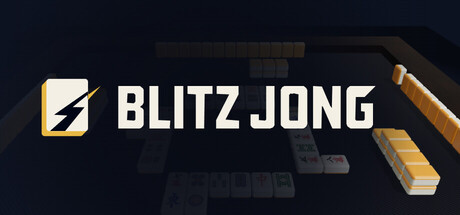
Blitz Jong uses generative AI for part of its art and audio: the selectable player avatars, the home screen key art, the background music, animations, and some of the optional voice packs for call announcements.
AI tools were used to assist with localizing the interface text into the game's 11 supported languages. All artwork, music, sound and game design are human-made.
Some visual, localization, store page, and marketing materials may be created with the assistance of generative AI tools. All AI-assisted content is reviewed, edited, and polished by our team before use. No AI content is generated during gameplay.
Generative AI was used in the creation of visual assets for this game, including characters, backgrounds, and stage maps.
AI-assisted coding tools were also used during the development of the game.
The game does not use generative AI to create content in real time during gameplay.
Generative AI tools were used during development to assist with creating some texture images, promotional/banner images, and code development. AI was also used to help review, test, and debug code, identify potential issues, and suggest improvements. All generated or AI-assisted content was reviewed, selected, and integrated by the developer.
Generative AI tools were used during development to assist with the creation and refinement of certain pre-generated 2D visual assets, including environment artwork, character sprites, and store marketing images. All AI-assisted content was reviewed and edited by the developer before inclusion. No AI-generated content is created during gameplay, and the game does not connect to any external AI service.
Some 3D character and creature models in this game were created with AI-assisted generation tools (Meshy) as a starting point, then hand-finished, rigged, textured, and integrated by the developer in Blender and Unity. Some quest dialogue text was also written with AI assistance and edited by the developer before being included in the game. No content is generated in real time during gameplay — everything players see is fixed at build time and has been reviewed and edited by hand.
Generative AI tools were used during development to assist with creating and refining some visual concepts and game assets. AI was also used as a development aid for tasks such as prototyping and programming assistance. All generated content was reviewed, selected, and integrated by the developer, and the game does not generate AI content during normal gameplay
Generative AI tools were used during development to assist with programming and the creation of portions of the game's source code. The game does not use generative AI during gameplay and does not connect to external AI services.
While AI tools were used to assist with the creation of select assets for our game's store page, all featured assets are fully original designs developed by our internal team.
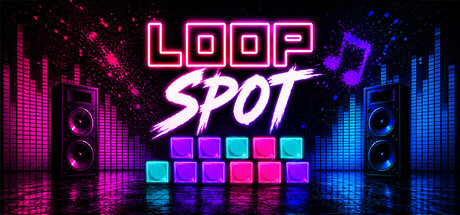
Loop Spot is a solo-developed game. Generative AI tools were used to assist with the creation of some visual assets, including UI artwork, logos, and capsule/marketing artwork. These assets were further edited, composited, and refined by me to fit the game’s visual direction and overall artistic vision.
The core gameplay, puzzle design, programming, and music were created by me. No generative AI was used to create the game’s music.
AI was used as a supporting visual production tool, while the game’s design, creative direction, gameplay, and music are my original work.
Generative AI was used to assist in the creation of certain visual and audio elements of the game. AI tools were also used during development to assist with programming and other development tasks.
During the development of the application, artificial intelligence was utilized to generate supporting utility code and translate user interface localization options into different languages.
AI Disclosure
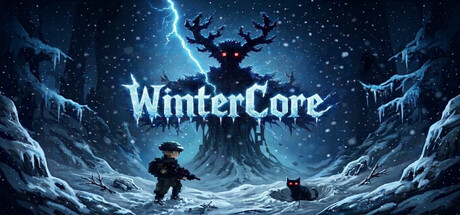
WinterCore is a solo-developed game created over four years. Generative AI was used during development to create a small number of visual assets and selected promotional artwork. All AI-generated assets were subsequently edited, refined, and adapted by the developer to fit WinterCore’s art direction and overall visual style.
The game’s core design, programming, story, gameplay, and final implementation were created by the developer. The project also includes licensed assets and creative works from independent artists and creators, who are credited accordingly.
Generative AI tools were used during development to assist with the creation of some character illustrations, visual art assets, and portions of the game’s code. All AI-assisted content was reviewed, edited, and integrated by the development team before being included in the final product. The game does not use generative AI to create content in real time during gameplay.
Towards the end of development, we used modern tools to find bugs faster and further improve the player experience. Some graphics are still temporary and will be replaced with original artwork before the full release. These tools will continue to support testing, bug hunting, and technical optimization.
Dream Simulators uses generative AI to create dynamic dialogue, story continuations, characters, missions, and narrative events based on player input and the active Lore system. Each Expansion Pack features its own world, Lore, characters, and adventures, creating a unique storytelling experience. The AI also generates creative scene descriptions and prompts that players can use as inspiration for creating images and videos. Because the experience is driven by player input, generated content may vary between playthroughs.
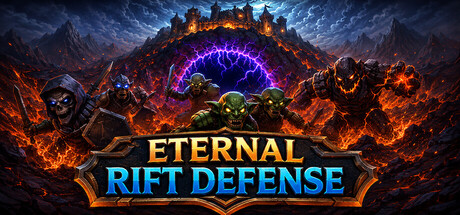
Eternal Rift Defense uses AI-assisted tools during development to help generate and refine certain code, audio, visual assets, and design elements. All AI-assisted content is reviewed, modified, and validated by the developers to ensure quality, security, and consistency with the game’s design.
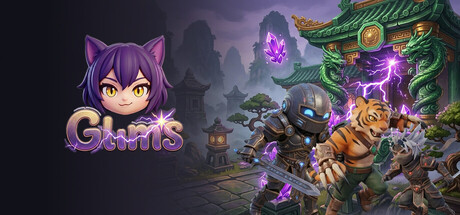
Some of the 3D character models in Glims were made with the help of generative AI: reference art was produced with an AI image tool and turned into 3D meshes with Meshy. Every model was then cleaned up, re-rigged, animated and hand-tuned by us, and all game code, design, UI art and animation work is human-made. No generative AI runs while you play — nothing is generated live.
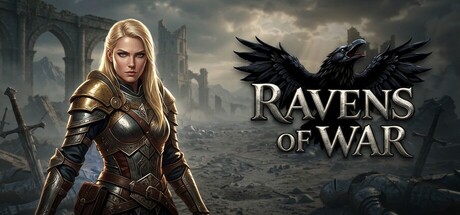
Ravens of War uses generative AI to create some of the artwork and illustrations used in the game, including card artwork. This content is pre-generated and included as part of the game; the game does not generate new AI content during gameplay.
English — artwork (yes, pre-generated):
Visual art (scene backgrounds, character art, GUI covers, and visual FX) was drafted with generative image models, then human-reviewed, cropped, and accepted into the shipping game. Store capsules and library art produced the same way are included in this disclosure. Unreviewed generator output is not shipped.
English — writing (human, not AI narrative):
All narrative, dialogue, in-game text, and store copy are human-written. This game is not an AI-authored story. Planned English localization is human-translated, not model-generated.
English — audio / runtime (so reviewers do not assume the rest):
Audio is CC0 / public-domain / project-synthesized sound effects. There is no voice acting and no generative AI voice. The game does not call generative models at runtime.
Generative AI tools were used during development to assist with the creation and iteration of some pre-generated 2D pixel-art assets and promotional imagery. All AI-assisted content was reviewed and selected before being included in the game.
Some 2D art assets in this game, such as menu backgrounds, UI icons and
character illustrations, were created with the assistance of generative
AI tools. All AI-assisted assets were reviewed and edited by our team
before being included in the game. No content is generated by AI while
the game is running. Game code, design and text were created by humans.
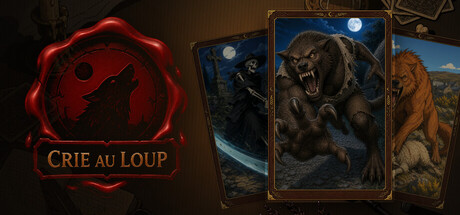
Crie au loup is made with AI, from the first prototype to the illustrations. That is not a manufacturing detail: it is as much the project as the game itself.
My role is not a craftsman's: I painted no card, and I did not write the code line by line. I designed the system, I direct it, I arbitrate and I verify. Deciding what makes it into the game, what gets redone, what gets cut: that is production work, and it is mine.
What is generated: the creature and location artwork, the interface, a large share of the code and the writing. What is measured rather than assumed: card balance, computed over thousands of simulated matches before every update. What is verified: the historical sources behind every legend, published one by one on the official site, where you can open them and prove me wrong.
What is never generated is your match. No image, no text and no game decision comes out of a model while you play: the engine is deterministic, and the solo opponent is a classic program applying the rules.
Crie au loup is one of the projects I run around generative AI, and the only one you can play. The making-of is documented without varnish in the devlog on the official site.
Some store, interface, and world illustrations were created or refined with generative image tools, then selected and edited by the developer. Combat, economy, character progression, saves, and online play are written and run by the game server. The game does not use generative AI during play to write your progress, fight your battles, or replace other players.
This app includes an optional AI assistant that helps interpret game server console output and error logs. When you send it a log fragment or a question, the text goes to our backend, which forwards it to Anthropic's Claude API and returns a generated explanation with suggested fixes.
The assistant runs only when you invoke it — nothing is sent automatically, and the feature is off by default. Responses are generated by a language model and may be inaccurate, so verify any suggestion before applying it to a live server. No other content in this app is AI-generated.
Some content used in Skeleton Island was created with the assistance of generative AI tools during development. AI-generated or AI-assisted content may include visual assets, promotional materials, text, or other development materials.
Generative AI is not used to create new content during gameplay. The game does not generate AI content in real time based on player input.
Generative AI tools were used during development to assist with selected visual assets and promotional materials. All AI-assisted content was reviewed and refined by the developer before use.
Generative AI tools were used to create some of the pre-rendered content that ships with this game and appears on this store page, specifically artwork and character voice audio. Nothing is generated by AI while the game is running.
Generative AI tools were used during development to assist with portions of the game’s code and the creation or refinement of certain visual and marketing assets. All AI-assisted material was reviewed, edited, and integrated by the developer. The game does not generate AI content during gameplay.
Blitz Jong uses generative AI for part of its art and audio: the selectable player avatars, the home screen key art, the background music, animations, and some of the optional voice packs for call announcements.
AI tools were used to assist with localizing the interface text into the game's 11 supported languages. All artwork, music, sound and game design are human-made.
Some visual, localization, store page, and marketing materials may be created with the assistance of generative AI tools. All AI-assisted content is reviewed, edited, and polished by our team before use. No AI content is generated during gameplay.
Generative AI was used in the creation of visual assets for this game, including characters, backgrounds, and stage maps.
AI-assisted coding tools were also used during the development of the game.
The game does not use generative AI to create content in real time during gameplay.
Generative AI tools were used during development to assist with creating some texture images, promotional/banner images, and code development. AI was also used to help review, test, and debug code, identify potential issues, and suggest improvements. All generated or AI-assisted content was reviewed, selected, and integrated by the developer.
Generative AI tools were used during development to assist with the creation and refinement of certain pre-generated 2D visual assets, including environment artwork, character sprites, and store marketing images. All AI-assisted content was reviewed and edited by the developer before inclusion. No AI-generated content is created during gameplay, and the game does not connect to any external AI service.
Some 3D character and creature models in this game were created with AI-assisted generation tools (Meshy) as a starting point, then hand-finished, rigged, textured, and integrated by the developer in Blender and Unity. Some quest dialogue text was also written with AI assistance and edited by the developer before being included in the game. No content is generated in real time during gameplay — everything players see is fixed at build time and has been reviewed and edited by hand.
Generative AI tools were used during development to assist with creating and refining some visual concepts and game assets. AI was also used as a development aid for tasks such as prototyping and programming assistance. All generated content was reviewed, selected, and integrated by the developer, and the game does not generate AI content during normal gameplay
Generative AI tools were used during development to assist with programming and the creation of portions of the game's source code. The game does not use generative AI during gameplay and does not connect to external AI services.
While AI tools were used to assist with the creation of select assets for our game's store page, all featured assets are fully original designs developed by our internal team.
Loop Spot is a solo-developed game. Generative AI tools were used to assist with the creation of some visual assets, including UI artwork, logos, and capsule/marketing artwork. These assets were further edited, composited, and refined by me to fit the game’s visual direction and overall artistic vision.
The core gameplay, puzzle design, programming, and music were created by me. No generative AI was used to create the game’s music.
AI was used as a supporting visual production tool, while the game’s design, creative direction, gameplay, and music are my original work.
Generative AI was used to assist in the creation of certain visual and audio elements of the game. AI tools were also used during development to assist with programming and other development tasks.
During the development of the application, artificial intelligence was utilized to generate supporting utility code and translate user interface localization options into different languages.
AI Disclosure
WinterCore is a solo-developed game created over four years. Generative AI was used during development to create a small number of visual assets and selected promotional artwork. All AI-generated assets were subsequently edited, refined, and adapted by the developer to fit WinterCore’s art direction and overall visual style.
The game’s core design, programming, story, gameplay, and final implementation were created by the developer. The project also includes licensed assets and creative works from independent artists and creators, who are credited accordingly.
Generative AI tools were used during development to assist with the creation of some character illustrations, visual art assets, and portions of the game’s code. All AI-assisted content was reviewed, edited, and integrated by the development team before being included in the final product. The game does not use generative AI to create content in real time during gameplay.
Towards the end of development, we used modern tools to find bugs faster and further improve the player experience. Some graphics are still temporary and will be replaced with original artwork before the full release. These tools will continue to support testing, bug hunting, and technical optimization.
Dream Simulators uses generative AI to create dynamic dialogue, story continuations, characters, missions, and narrative events based on player input and the active Lore system. Each Expansion Pack features its own world, Lore, characters, and adventures, creating a unique storytelling experience. The AI also generates creative scene descriptions and prompts that players can use as inspiration for creating images and videos. Because the experience is driven by player input, generated content may vary between playthroughs.
Eternal Rift Defense uses AI-assisted tools during development to help generate and refine certain code, audio, visual assets, and design elements. All AI-assisted content is reviewed, modified, and validated by the developers to ensure quality, security, and consistency with the game’s design.
Some of the 3D character models in Glims were made with the help of generative AI: reference art was produced with an AI image tool and turned into 3D meshes with Meshy. Every model was then cleaned up, re-rigged, animated and hand-tuned by us, and all game code, design, UI art and animation work is human-made. No generative AI runs while you play — nothing is generated live.
Ravens of War uses generative AI to create some of the artwork and illustrations used in the game, including card artwork. This content is pre-generated and included as part of the game; the game does not generate new AI content during gameplay.
English — artwork (yes, pre-generated):
Visual art (scene backgrounds, character art, GUI covers, and visual FX) was drafted with generative image models, then human-reviewed, cropped, and accepted into the shipping game. Store capsules and library art produced the same way are included in this disclosure. Unreviewed generator output is not shipped.
English — writing (human, not AI narrative):
All narrative, dialogue, in-game text, and store copy are human-written. This game is not an AI-authored story. Planned English localization is human-translated, not model-generated.
English — audio / runtime (so reviewers do not assume the rest):
Audio is CC0 / public-domain / project-synthesized sound effects. There is no voice acting and no generative AI voice. The game does not call generative models at runtime.
Generative AI tools were used during development to assist with the creation and iteration of some pre-generated 2D pixel-art assets and promotional imagery. All AI-assisted content was reviewed and selected before being included in the game.
Some 2D art assets in this game, such as menu backgrounds, UI icons and
character illustrations, were created with the assistance of generative
AI tools. All AI-assisted assets were reviewed and edited by our team
before being included in the game. No content is generated by AI while
the game is running. Game code, design and text were created by humans.
Crie au loup is made with AI, from the first prototype to the illustrations. That is not a manufacturing detail: it is as much the project as the game itself.
My role is not a craftsman's: I painted no card, and I did not write the code line by line. I designed the system, I direct it, I arbitrate and I verify. Deciding what makes it into the game, what gets redone, what gets cut: that is production work, and it is mine.
What is generated: the creature and location artwork, the interface, a large share of the code and the writing. What is measured rather than assumed: card balance, computed over thousands of simulated matches before every update. What is verified: the historical sources behind every legend, published one by one on the official site, where you can open them and prove me wrong.
What is never generated is your match. No image, no text and no game decision comes out of a model while you play: the engine is deterministic, and the solo opponent is a classic program applying the rules.
Crie au loup is one of the projects I run around generative AI, and the only one you can play. The making-of is documented without varnish in the devlog on the official site.