Public Steam disclosure research25,380 disclosures tracked
Where do games disclose AI use?
Search developers’ Steam disclosures, compare classified AI use across
games, and follow recorded changes.
This index adds cross-game classifications and statistics to
statements published on individual store pages.
Groups reflect automatic analysis of public disclosures; mature records are excluded. These counts do not measure AI use across all of Steam.
Missing or unclear statements cannot establish whether a game uses AI.
This game uses AI-generated content for marketing and
promotional materials, including the game trailer, teaser,
Steam capsule images, title images, and other marketing assets.
Most of the AI-generated images were additionally edited and
refined by our team using artistic and creative techniques
to better fit the game's visual style.
The AI-generated content is limited to external marketing
materials only. All actual gameplay, game mechanics, and
in-game content were created by the development team.
We used generative AI tools during development to create a limited set of pre-generated assets included in the game, including some voice-over lines, vocalizations, and select in-game textures or visual assets. All AI-assisted assets were reviewed, edited, and approved by our team before being included. No AI content is generated during gameplay, and the game does not connect to external AI services.
This game was made by 1 person, with the help of AI for the art, coding, sound, story, you name it. This was a lot of work for me the human though, this was not a few prompts, this was many different systems and custom work pipelines I designed completely myself. It took a long time and a huge amount of effort.
Generative AI was used to:
- Create some of 3D models
- Create some of textures
- Create some of 2D background arts
Also, some parts of the programming code was written with AI help.
Some in-game art assets were created or assisted using generative AI tools, then reviewed, edited, and integrated by the developer. AI tools were also used as development assistance for parts of the code. The game does not generate AI content during gameplay.
We used generative AI to create some static illustrations, including the title screen and game over screen. The game does not generate AI content during gameplay.
Generative AI tools were used during development to assist with some early visual concepts, select sprite bases, music/audio drafts, and voice/audio prototypes. All AI-assisted content included in the game was selected, edited, refined, and reviewed by the development team to fit the game’s final style and direction. The game does not generate AI content during gameplay.
Generative AI was used during the development process to assist with code optimization, refactoring, and text translation. None of the AI-generated content is generated in real-time or active during live gameplay.
The game was made only by me and my friend, we are starting out in this endeavor, and AI helped us a lot.
The programming code was assisted by artificial intelligence.
Some music might have been altered using artificial intelligence.
Images outside of gameplay used to promote the game were adjusted using artificial intelligence.
This game uses generative AI for the translation of in-game text.
AI-generated translations are reviewed using translation services and human editing, and are revised or expanded as needed.
Generative AI is also used as a production aid for some UI images. Generated materials are manually edited and adjusted by humans.
Generative AI is not used to generate content while the game is running.
AI-generated art assets are used in this game. All such assets have been manually reviewed and adjusted to ensure a consistent visual style and quality.
The background music was created with Suno and the intro narration with ElevenLabs. This content was generated during development, reviewed by the developer, and baked into the build. All sound effects are synthesized in code at runtime and all art is generated procedurally in code — neither is AI.
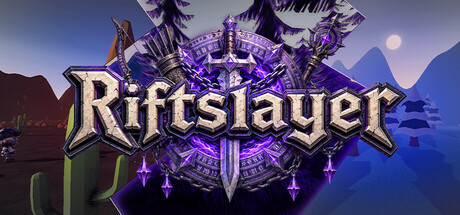
Some music, sound effects, and UI icons in Riftslayer were created with the assistance of generative AI tools during development. All AI-assisted content was reviewed and selected by the developer before being included in the game.
Some visual assets used in the game and on the Steam store page were created with the assistance of generative AI and have been further refined and integrated into the game by the developer. No live-generated AI content is used during gameplay.
Most art has been hand-crafted but some art has been assisted by generative AI. Art assisted by generative AI includes UI Icons, monsters, items and marketing promotional art. All ingame art has been finalized by hand.
Characters, monsters, some buildings, CG images, and logos were generated using AI.
The characters and some 3D building models were created by V2Fun, and the materials are licensed for commercial use under the CC BY 4.0 license.
MegaDope 2D uses generative AI assisted tools during development to help create and refine visual assets, character and environment concepts, UI elements, music, sound effects, and promotional/trailer materials. All AI assisted assets are curated, edited, and implemented by the developer as part of the final game. The game does not currently generate new AI content live during gameplay.
AI Generated Content Disclosure
Pre-generated AI:
"Artificial intelligence tools were utilized during the development process to generate initial 3D character assets and models. Following the generation, our development team extensively refined the textures, customized the coloring, and completely performed the rigging and weight painting manually."
The capsule images and promotional artworks on the Steam store page of this game are AI-generated. All images have been manually adjusted in composition, refined in details and post-processed with text addition, without any copyrighted third-party materials. No real-time AI content generation during gameplay.
AI-assisted tools were used to help create some ability icons and some HUD elements. The assets were reviewed and integrated into the game by the developers.
AI was used to troubleshoot coding issues, generate some game model assets, and some UI elements.
All code, models, and UI elements were edited and finalized by me before implementation into the game.
Generative AI was used to assist in creating some visual assets during development. All final in-game artwork was manually retouched and finalized by human artists.
I used AI to help review code and check for any bugs. Also a few small pieces of art that will be changed/updated by release while we get artists commissioned.
Some visual assets used in this game were created or assisted using generative AI during development and have been reviewed and edited by the developer before being included in the final game. The game does not use generative AI during gameplay and does not generate content in real time.
This game uses generative artificial intelligence in the development of certain content, including NPC dialogue, visual art assets, and music/sound elements. All AI-generated content was created prior to the game's release and is not generated in real time during gameplay. This content has been reviewed and curated by our development team to ensure it meets our creative vision and quality standards.
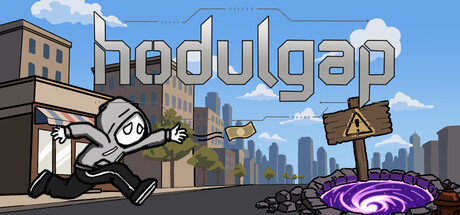
Some visual assets in HODULGAP were created with the assistance of generative AI tools during development, including early concept art, sprite bases, icons, and visual effects. These assets are manually edited, simplified, cleaned up, and adjusted by the developer before being included in the game.
HODULGAP does not use AI to generate content during gameplay. Music and sound effects are sourced from non-AI asset libraries.
This game uses pre-generated AI-assisted content.
Most of the visual assets used in the game and its promotional materials were created with the help of generative AI tools, including character images, background images, key visual materials, and video/trailer assets.
All AI-assisted outputs were reviewed, selected, edited, and integrated by the developer before being included in the game. The game does not generate AI content in real time during gameplay.
Some of the game's visual assets (boss artwork, item icons, background illustrations) and store page imagery were created using generative AI tools, then integrated and refined by hand. Gameplay design, balancing, and integration are done manually.
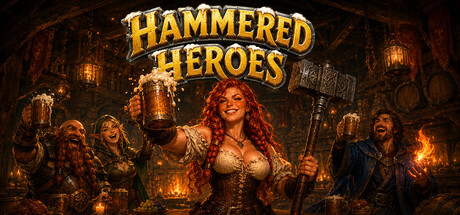
Hammered Heroes is a solo-developed game, with all design, direction, and gameplay built by one developer. Some 2D art assets (such as sprites and capsule art) were created with the help of generative AI image tools, then edited and assembled by the developer.
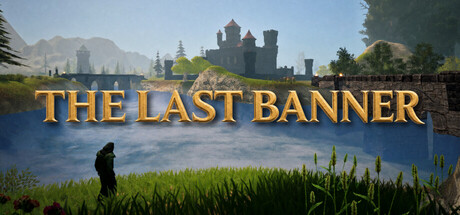
Built by a two-person studio, The Last Banner deploys AI tools as supplements only. All art and code are curated, hand crafted and built by us. We strive to create the best game possible with the best tools of the modern day.
This game utilizes generative AI tools as an assisting tool for creating various assets, including Artwork (Character portraits, backgrounds, and some UI elements), Sound (BGM and effects), and Text (localization).
AI was also used to assist in programming and debugging. All assets were carefully selected by the developer, and the core gameplay systems, balance, boss design, and all strategic features were entirely designed and implemented by hand.
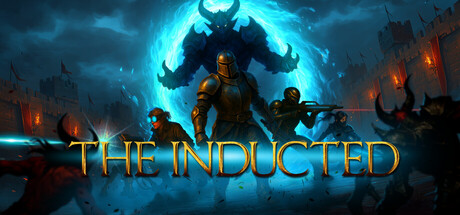
The Inducted uses generative AI tools in a limited capacity. Some user interface icons and elements in-game were created with the assistance of generative AI. Additionally, the store capsule artwork was composed by a professional artist who incorporated some AI-generated elements among hand-crafted components. All gameplay, characters, environments, and audio are created without generative AI.
Some background sound effects and ambient audio clips used in the game were sourced from Pixabay, where they were flagged as AI-generated by their respective creators. No graphics, code, or core gameplay elements were generated by AI; all other assets were developed entirely by me.
This game uses AI-generated content for marketing and
promotional materials, including the game trailer, teaser,
Steam capsule images, title images, and other marketing assets.
Most of the AI-generated images were additionally edited and
refined by our team using artistic and creative techniques
to better fit the game's visual style.
The AI-generated content is limited to external marketing
materials only. All actual gameplay, game mechanics, and
in-game content were created by the development team.
We used generative AI tools during development to create a limited set of pre-generated assets included in the game, including some voice-over lines, vocalizations, and select in-game textures or visual assets. All AI-assisted assets were reviewed, edited, and approved by our team before being included. No AI content is generated during gameplay, and the game does not connect to external AI services.
This game was made by 1 person, with the help of AI for the art, coding, sound, story, you name it. This was a lot of work for me the human though, this was not a few prompts, this was many different systems and custom work pipelines I designed completely myself. It took a long time and a huge amount of effort.
Generative AI was used to:
- Create some of 3D models
- Create some of textures
- Create some of 2D background arts
Also, some parts of the programming code was written with AI help.
Some in-game art assets were created or assisted using generative AI tools, then reviewed, edited, and integrated by the developer. AI tools were also used as development assistance for parts of the code. The game does not generate AI content during gameplay.
We used generative AI to create some static illustrations, including the title screen and game over screen. The game does not generate AI content during gameplay.
Generative AI tools were used during development to assist with some early visual concepts, select sprite bases, music/audio drafts, and voice/audio prototypes. All AI-assisted content included in the game was selected, edited, refined, and reviewed by the development team to fit the game’s final style and direction. The game does not generate AI content during gameplay.
Generative AI was used during the development process to assist with code optimization, refactoring, and text translation. None of the AI-generated content is generated in real-time or active during live gameplay.
The game was made only by me and my friend, we are starting out in this endeavor, and AI helped us a lot.
The programming code was assisted by artificial intelligence.
Some music might have been altered using artificial intelligence.
Images outside of gameplay used to promote the game were adjusted using artificial intelligence.
This game uses generative AI for the translation of in-game text.
AI-generated translations are reviewed using translation services and human editing, and are revised or expanded as needed.
Generative AI is also used as a production aid for some UI images. Generated materials are manually edited and adjusted by humans.
Generative AI is not used to generate content while the game is running.
AI-generated art assets are used in this game. All such assets have been manually reviewed and adjusted to ensure a consistent visual style and quality.
The background music was created with Suno and the intro narration with ElevenLabs. This content was generated during development, reviewed by the developer, and baked into the build. All sound effects are synthesized in code at runtime and all art is generated procedurally in code — neither is AI.
Some music, sound effects, and UI icons in Riftslayer were created with the assistance of generative AI tools during development. All AI-assisted content was reviewed and selected by the developer before being included in the game.
Some visual assets used in the game and on the Steam store page were created with the assistance of generative AI and have been further refined and integrated into the game by the developer. No live-generated AI content is used during gameplay.
Most art has been hand-crafted but some art has been assisted by generative AI. Art assisted by generative AI includes UI Icons, monsters, items and marketing promotional art. All ingame art has been finalized by hand.
Characters, monsters, some buildings, CG images, and logos were generated using AI.
The characters and some 3D building models were created by V2Fun, and the materials are licensed for commercial use under the CC BY 4.0 license.
MegaDope 2D uses generative AI assisted tools during development to help create and refine visual assets, character and environment concepts, UI elements, music, sound effects, and promotional/trailer materials. All AI assisted assets are curated, edited, and implemented by the developer as part of the final game. The game does not currently generate new AI content live during gameplay.
AI Generated Content Disclosure
Pre-generated AI:
"Artificial intelligence tools were utilized during the development process to generate initial 3D character assets and models. Following the generation, our development team extensively refined the textures, customized the coloring, and completely performed the rigging and weight painting manually."
The capsule images and promotional artworks on the Steam store page of this game are AI-generated. All images have been manually adjusted in composition, refined in details and post-processed with text addition, without any copyrighted third-party materials. No real-time AI content generation during gameplay.
AI-assisted tools were used to help create some ability icons and some HUD elements. The assets were reviewed and integrated into the game by the developers.
AI was used to troubleshoot coding issues, generate some game model assets, and some UI elements.
All code, models, and UI elements were edited and finalized by me before implementation into the game.
Generative AI was used to assist in creating some visual assets during development. All final in-game artwork was manually retouched and finalized by human artists.
I used AI to help review code and check for any bugs. Also a few small pieces of art that will be changed/updated by release while we get artists commissioned.
Some visual assets used in this game were created or assisted using generative AI during development and have been reviewed and edited by the developer before being included in the final game. The game does not use generative AI during gameplay and does not generate content in real time.
This game uses generative artificial intelligence in the development of certain content, including NPC dialogue, visual art assets, and music/sound elements. All AI-generated content was created prior to the game's release and is not generated in real time during gameplay. This content has been reviewed and curated by our development team to ensure it meets our creative vision and quality standards.
Some visual assets in HODULGAP were created with the assistance of generative AI tools during development, including early concept art, sprite bases, icons, and visual effects. These assets are manually edited, simplified, cleaned up, and adjusted by the developer before being included in the game.
HODULGAP does not use AI to generate content during gameplay. Music and sound effects are sourced from non-AI asset libraries.
This game uses pre-generated AI-assisted content.
Most of the visual assets used in the game and its promotional materials were created with the help of generative AI tools, including character images, background images, key visual materials, and video/trailer assets.
All AI-assisted outputs were reviewed, selected, edited, and integrated by the developer before being included in the game. The game does not generate AI content in real time during gameplay.
Some of the game's visual assets (boss artwork, item icons, background illustrations) and store page imagery were created using generative AI tools, then integrated and refined by hand. Gameplay design, balancing, and integration are done manually.
Hammered Heroes is a solo-developed game, with all design, direction, and gameplay built by one developer. Some 2D art assets (such as sprites and capsule art) were created with the help of generative AI image tools, then edited and assembled by the developer.
Built by a two-person studio, The Last Banner deploys AI tools as supplements only. All art and code are curated, hand crafted and built by us. We strive to create the best game possible with the best tools of the modern day.
This game utilizes generative AI tools as an assisting tool for creating various assets, including Artwork (Character portraits, backgrounds, and some UI elements), Sound (BGM and effects), and Text (localization).
AI was also used to assist in programming and debugging. All assets were carefully selected by the developer, and the core gameplay systems, balance, boss design, and all strategic features were entirely designed and implemented by hand.
The Inducted uses generative AI tools in a limited capacity. Some user interface icons and elements in-game were created with the assistance of generative AI. Additionally, the store capsule artwork was composed by a professional artist who incorporated some AI-generated elements among hand-crafted components. All gameplay, characters, environments, and audio are created without generative AI.
Some background sound effects and ambient audio clips used in the game were sourced from Pixabay, where they were flagged as AI-generated by their respective creators. No graphics, code, or core gameplay elements were generated by AI; all other assets were developed entirely by me.