








Disclosure
Claude Code, Codex, and OpenAI ImageGen capabilities were employed during the research, compiling, and marketing of this product.
- Creator
- MUTHRI
- Reviews
- -
- Added
- Jun 27, 2026
Public Steam disclosure research 25,380 disclosures tracked
Search developers’ Steam disclosures, compare classified AI use across games, and follow recorded changes. This index adds cross-game classifications and statistics to statements published on individual store pages.
Code help, debugging and other development work.
Capsule art, trailers and promotional material.
Pre-made art, audio, writing and other game assets.
Interactive or runtime AI features disclosed by the developer.
Groups reflect automatic analysis of public disclosures; mature records are excluded. These counts do not measure AI use across all of Steam. Missing or unclear statements cannot establish whether a game uses AI.
Claude Code, Codex, and OpenAI ImageGen capabilities were employed during the research, compiling, and marketing of this product.
AI was used to generate the background image for the game's store page capsules and marketing assets
This game contains AI-generated content. Some in-game assets were created or assisted by AI tools and reviewed by the developer.
Generative AI has been used in the creation of store art and the background in the game.
This game was developed by a solo developer with the assistance of generative AI tools in areas including programming logic, visual asset creation, and music and sound effects. Not all content was AI-generated — game design, mechanics, systems, level structure, and overall creative direction were conceived and built by the developer. All AI-assisted content was curated, directed, and refined to serve the game's creative vision.
All visual artwork in Altus Chess: Archaic Beginnings — piece designs, board and background art, and promotional/store imagery — was created using generative AI image tools, directed by the developer through human-written prompts based on the game's own pieces and concepts, then reviewed and edited by hand. No content is generated live during gameplay. The game's opponent is a proprietary, hand-built algorithmic chess engine, not generative AI.
The music in game was generated using AI.
Generative AI was used as a development assistant for pre-release asset iteration, writing support, localization drafts, ideation and productivity tasks. Some visual assets and draft text/assets may have been assisted or iterated with generative AI before being reviewed and integrated into the game. This content is static and does not generate new content at runtime. The game does not use live generative AI to create content during gameplay. No player prompts are sent to an AI service at runtime. AI-assisted material is reviewed manually before inclusion. It is adjusted to match the game's style, naming, tone and technical requirements, and content that would be inappropriate, infringing or inconsistent with the project is not intentionally included.
Includes AI voice lines, generated sounds and artwork
Portions of in-game art assets were initially generated with generative AI, followed by extensive manual hand-drawn revision, restructuring and detailed painting by the developer. Game text and localization drafts were AI-assisted then fully proofread and revised manually. All background music and sound effects are licensed free commercial assets downloaded from authorized resource websites; no generative AI was used for audio production. Source code was written with coding assistant tools.
Terra Concordia was created by the solo developer at NCB Company with extensive use of generative artificial intelligence tools throughout the development process. Content created with AI assistance during development: • The 142 game cards (buildings, technologies, wonders, events, objectives): names, descriptions, costs, effects, and art were conceived and adjusted with AI assistance, under review and final decision by the human developer. • SVG vector art (cards, board, civilizations, store capsule arts, achievement icons, page banners): programmatically generated by scripts written with AI assistance. • Game mechanics and rules: brainstorming, balancing, and iteration done with AI assistance, always validated manually across hundreds of internal playtests. • The 6 solo-mode scenarios: themes, victory conditions, and difficulty designed with AI assistance, adjusted through playtesting. • Website, store descriptions, manuals, and Civilopedia: drafted with AI assistance, reviewed by the developer. • English and Spanish translations: pre-translated with AI, manually reviewed and polished. • Solo-mode opponent (Automa) logic: the script was written with AI assistance, but it is a fixed deterministic algorithm with no machine learning components. No content is generated by AI in real time during play. There are no images, texts, cards, or behaviors dynamically generated by AI while you play. The "Automa" (solo-mode AI opponent) is a script already embedded in the game code, executing pre-defined rules — without any alteration, generation, or learning during the match. All AI-assisted content was reviewed, tested, and approved by the human developer before release.
Generative AI tools were utilized to assist in the creation of promotional materials. The game itself does not contain any live AI generation.
I use AI tools to assist with code review, translations, Steam capsule design, and music production tasks. All final game design, programming, and implementation decisions are made, reviewed, and supervised by me.
Small quantity of images/textures are ai-generated. Small quantity of sound waves are ai-generated. Some parts of code are ai-genereted and ai-assissted always tested by a human.
Some marketing materials may include AI-generated background music. Tile Blast Royale does not use generative AI to create content during gameplay.
Scourge of the Necromancer makes significant use of generative AI in its production. We want to be fully upfront about it. Visual assets (2D images + video) — all AI-generated, then human-curated and human-edited. Every shipped image and video in the game and on the Steam store page was produced with AI tools, then reviewed, edited, and selected by hand by the developer. This covers: Steam store capsules and library art, the store-page background, all in-game achievement icons, hero portraits, the Necromancer concept art, decorative UI elements, all real-time cinematics (the defeat sequence and all victory variants), and the marketing trailer's atmospheric segments. Image models used: Google Imagen 4, Google Veo 3.1 (video), Nano Banana Pro / Gemini 3 Pro Image (Google), Black Forest Labs FLUX.2, Recraft V4 Pro, Ideogram V3, and Bria RMBG-2.0 (background removal). Final assets received human editing — compositing, color correction, retouching, frame extraction, masking, and rejection of unusable outputs. 3D models — AI-generated base meshes, then human-edited in Blender. The in-game hero character models (Knight, Cleric, Ranger, Wizard, Warrior, Alchemist) started as outputs from Tripo AI's generative 3D model service (FBX + texture PNGs), but each model was then opened in Blender by the developer for hand editing — mesh cleanup, geometry adjustments, and texture fixes — before being exported for use in the game. Each finished model was imported into Unity with hand-tuned scale, rotation, material configuration, and import-setting curation. Unsatisfactory generations were discarded and re-prompted; the Blender editing step is substantial enough that the shipped models are not pure AI output. Music — AI-generated, then human-curated and post-processed. All music tracks in the game (menu, gameplay layers, boss phases, victory, defeat) were produced with Google Gemini's music generation, then human-selected, trimmed, looped, and mixed by the developer. Necromancer voice — AI-generated, then human-edited. The Necromancer's spoken syllables were synthesized with ElevenLabs Text-to-Speech (Eleven Multilingual v2 model), then pitch-shifted, EQ'd, and processed with reverb in Audacity by the developer to produce the final in-game delivery. No other character has spoken voice lines in the shipped game. Sound effects — all AI-generated. Every SFX in the game (ability sounds, ambient layers, UI sounds, footsteps, kill/spawn cues, tile state cues, boss audio) was produced with ElevenLabs Sound Effects, then human-selected, trimmed, processed, and mixed by the developer. The Necromancer voice lines use ElevenLabs Text-to-Speech (covered separately above). Runtime behavior. The game does NOT use live-generated AI content at runtime. Every shipped asset is a fixed, pre-rendered file. Player-facing text, dialogue, narrative, lore, and game design were written by the developer without AI generation. Code. Code development used Claude (Anthropic) as an AI coding assistant. This is behind-the-scenes efficiency tooling not consumed by players, but we mention it here for full transparency.
Use of A.I. generative approach to modernize the original promotional images for the games.
As a solo developer working on a passion project with very limited resources, I utilized generative AI as a workflow tool to help sketch out the initial base meshes and textures for the miniatures and terrain elements. However, every single asset was then manually refined, over painted, and fully optimized by me to ensure a consistent, high-quality art style and solid performance.
Generative AI was used only for a small portion of the game's visual and marketing materials, which were subsequently refined by the developer. The overwhelming majority of graphics and content were created manually or obtained from licensed sources.
Generative AI was used to create ingame voices.
The background music (BGM) in this game is AI-generated.
We use AI for code review and task scheduling.
We continue to draw all game art by hand. Some of our sounds have been generated using a tool called ElevenLabs. We use a wide range of co-development tools to help optimise and test the code in our minigames. We have used tools like OpenAI to help with localisation of our content to other languages.
LLM coding tools were used to assist programming and for localizing text into non-English languages. No AI tools were used in the art process, audio, game design, or balancing. No version prior to 0.9 contained LLM output.
Some of the 2D content was generated by AI but was then refined by humans to preserve the team’s artistic vision.
Dynasty and RTG Modes - Storyline content in hub screen, Design Implementation and tuning Commentary scripting support Trophy Room Support Creating more realistic play calls made by CPU teams
This game uses generative AI to assist with code completion and localization translation. The game's library cover art, promotional images are hand-drawn and then enhanced with AI.
much of this game was vibe coded using Antigravity.
KI wird ungesetzt zur Unerstützung bei der Programmierung und der Grafikerstellung.
The images and background music used in this game were created using a generative AI.
An AI tool was used for the background images, along with translation tools such as Google Translate.
Some UI elements of this game are created with AI generative.
Translation creation
Some 3D models (not all), some images (not all), voice acting.
Some visual assets used on this Steam page were edited or retouched using AI-assisted tools, and the achievement icons were created using generative AI / AI-assisted tools.
All gameplay systems, game design decisions, balancing decisions, story/context decisions, implementation choices, and final creative decisions were made by the development team. Generative AI tools were used only as assistive tools during development. This may include support for brainstorming, improving workflows, and creating or refining some static 2D visual materials used in the game and its marketing, such as item icons, UI-related images, capsule/key art elements, and visuals that may appear in trailers or screenshots. All AI-assisted materials were reviewed, selected, edited, and approved by the developers before being included. No AI system makes gameplay decisions, controls game logic, generates levels, creates player-facing content, or produces images, videos, text, audio, or any other content in real time during gameplay.
Background post-production: color correction and shading, and some additional background objects.
Currently, this game uses placeholder generative AI images for character portraits and voiceovers for the announcer. Hopefully these assets will be replaced by talented artists overtime.
AI was used for shading of models. Some hair and facial hair variations were altered with AI. Some of the UI panels and icons were generated with AI.
Some visual assets, promotional images, and text elements were created with the assistance of generative AI tools. The gameplay itself does not use live AI-generated content.
Some of the text descriptions on the game’s store page, certain in-game localization texts, and some images used in the test version were generated with the help of AI technology.
We use generative AI in a limited capacity for certain visual and written content. Generative AI may be used for: - Marketing materials, including promotional artwork, trailer graphics, and store page content. - Loading screen images and decorative in-game poster artwork. - Assistance with some written text, such as tutorials and informational content. Generative AI is not used for: - Live content generation during gameplay. - Gameplay screenshots shown on the Steam store page. - Maps, level geometry, character models, weapons, gameplay assets, game mechanics, or networking systems. - Player-generated content.
As a solo indie developer, I use AI to assist with multi-language localization and the creation of some background images. This helps me provide a smoother, more accessible player experience while allowing me to focus more time on gameplay, systems, level design, and other core parts of the game.
Some parts of the game’s production may involve procedural or AI-assisted tools, mainly to speed up iteration, explore visual directions or support asset creation. The game’s concept, tone, style, story and final creative choices are developed and decided by us.
AI was used solely to assist with the English and Spanish translations, which were then manually reviewed by the developers. However, they may still contain errors. If you find any, please let us know.
AI helped me produce the game, some sounds and artwork!
Some art assets, promotional materials, or puzzle images in this game may have been created with the assistance of AI tools. All AI-assisted content is reviewed, edited, selected, and finalized by the developer before being used in the game. The game does not include live generative AI features. Players will not enter prompts or generate new AI text, images, audio, or other content during gameplay. AI is only used as an auxiliary art creation tool during development.
Most of this game is AI-generated. In-game text (UI, game names, descriptions), graphics (player icons, vector elements), code and the majority of the micro-game implementations — all AI, then reviewed and curated by the developer. Localization to all non-English languages is AI-translated. No AI runs at runtime; everything is pre-generated and shipped statically.
Translations made with IA
Some store graphical assets, store copy drafts, and internal development materials were generated or assisted with AI tools. The game itself does not generate AI content during gameplay.
| Title⇅ | Disclosure | Creator⇅ | Src | Reviews⇅ | Added↓ |
|---|---|---|---|---|---|
 Perfumed Palaces Store/marketing arttextcode | Claude Code, Codex, and OpenAI ImageGen capabilities were employed during the research, compiling, and marketing of this product. | MUTHRI | - | Jun 27, 2026 | |
 Musica Store/marketing art | AI was used to generate the background image for the game's store page capsules and marketing assets | VECTRA | - | Jun 27, 2026 | |
 Gold Admiral In-game content | This game contains AI-generated content. Some in-game assets were created or assisted by AI tools and reviewed by the developer. | Headhunter Games | - | Jun 16, 2026 | |
 Ultimate Sportsball Championship Store/marketing art | Generative AI has been used in the creation of store art and the background in the game. | Barfota Game Studios | - | Jun 16, 2026 | |
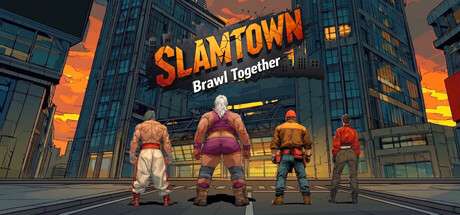 SLAMTOWN - Brawl Together In-game content artaudiocode | This game was developed by a solo developer with the assistance of generative AI tools in areas including programming logic, visual asset creation, and music and sound effects. Not all content was AI-generated — game design, mechanics, systems, level structure, and overall creative direction were conceived and built by the developer. All AI-assisted content was curated, directed, and refined to serve the game's creative vision. | Pair of Pixels | - | Jun 15, 2026 | |
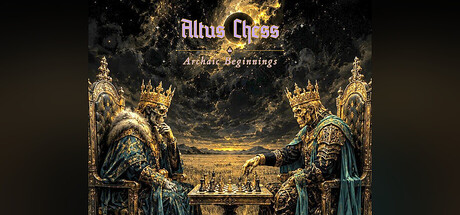 Altus Chess-Archaic Beginnings In-game content art | All visual artwork in Altus Chess: Archaic Beginnings — piece designs, board and background art, and promotional/store imagery — was created using generative AI image tools, directed by the developer through human-written prompts based on the game's own pieces and concepts, then reviewed and edited by hand. No content is generated live during gameplay. The game's opponent is a proprietary, hand-built algorithmic chess engine, not generative AI. | Anonymous | - | Jun 13, 2026 | |
 Slay The Beat In-game content audio | The music in game was generated using AI. | Ihor Syvanenko | - | Jun 12, 2026 | |
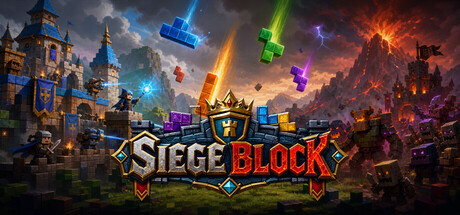 SiegeBlock In-game content arttext | Generative AI was used as a development assistant for pre-release asset iteration, writing support, localization drafts, ideation and productivity tasks. Some visual assets and draft text/assets may have been assisted or iterated with generative AI before being reviewed and integrated into the game. This content is static and does not generate new content at runtime. The game does not use live generative AI to create content during gameplay. No player prompts are sent to an AI service at runtime. AI-assisted material is reviewed manually before inclusion. It is adjusted to match the game's style, naming, tone and technical requirements, and content that would be inappropriate, infringing or inconsistent with the project is not intentionally included. | Manuel Medina Cea | - | Jun 12, 2026 | |
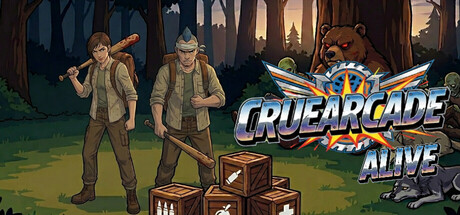 CrueArcade Alive In-game content audioart | Includes AI voice lines, generated sounds and artwork | CrueArcade | - | Jun 12, 2026 | |
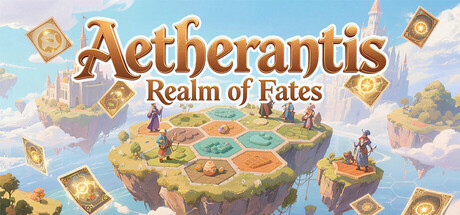 Aetherantis Realm of Fates In-game content arttextcode | Portions of in-game art assets were initially generated with generative AI, followed by extensive manual hand-drawn revision, restructuring and detailed painting by the developer. Game text and localization drafts were AI-assisted then fully proofread and revised manually. All background music and sound effects are licensed free commercial assets downloaded from authorized resource websites; no generative AI was used for audio production. Source code was written with coding assistant tools. | qiongwan | - | Jun 12, 2026 | |
 Terra Concordia - Civilizações em Harmonia In-game content arttextcode | Terra Concordia was created by the solo developer at NCB Company with extensive use of generative artificial intelligence tools throughout the development process.
Content created with AI assistance during development:
• The 142 game cards (buildings, technologies, wonders, events, objectives): names, descriptions, costs, effects, and art were conceived and adjusted with AI assistance, under review and final decision by the human developer.
• SVG vector art (cards, board, civilizations, store capsule arts, achievement icons, page banners): programmatically generated by scripts written with AI assistance.
• Game mechanics and rules: brainstorming, balancing, and iteration done with AI assistance, always validated manually across hundreds of internal playtests.
• The 6 solo-mode scenarios: themes, victory conditions, and difficulty designed with AI assistance, adjusted through playtesting.
• Website, store descriptions, manuals, and Civilopedia: drafted with AI assistance, reviewed by the developer.
• English and Spanish translations: pre-translated with AI, manually reviewed and polished.
• Solo-mode opponent (Automa) logic: the script was written with AI assistance, but it is a fixed deterministic algorithm with no machine learning components.
No content is generated by AI in real time during play. There are no images, texts, cards, or behaviors dynamically generated by AI while you play. The "Automa" (solo-mode AI opponent) is a script already embedded in the game code, executing pre-defined rules — without any alteration, generation, or learning during the match.
All AI-assisted content was reviewed, tested, and approved by the human developer before release. | NCB Games | - | Jun 11, 2026 | |
 Crystal Wars Store/marketing art | Generative AI tools were utilized to assist in the creation of promotional materials. The game itself does not contain any live AI generation. | Vertex Noord | - | Jun 10, 2026 | |
 Leukocyte In-game content artaudiocodetext | I use AI tools to assist with code review, translations, Steam capsule design, and music production tasks. All final game design, programming, and implementation decisions are made, reviewed, and supervised by me. | Víctor Martínez | - | Jun 10, 2026 | |
 Havoc Arena In-game content artaudiocode | Small quantity of images/textures are ai-generated.
Small quantity of sound waves are ai-generated.
Some parts of code are ai-genereted and ai-assissted always tested by a human. | Studio Jarosz | - | Jun 9, 2026 | |
 Tile Blast Royale In-game content audio | Some marketing materials may include AI-generated background music. Tile Blast Royale does not use generative AI to create content during gameplay. | Redping Games | - | Jun 9, 2026 | |
 Scourge of the Necromancer In-game content artaudiotext | Scourge of the Necromancer makes significant use of generative AI in its production. We want to be fully upfront about it.
Visual assets (2D images + video) — all AI-generated, then human-curated and human-edited. Every shipped image and video in the game and on the Steam store page was produced with AI tools, then reviewed, edited, and selected by hand by the developer. This covers: Steam store capsules and library art, the store-page background, all in-game achievement icons, hero portraits, the Necromancer concept art, decorative UI elements, all real-time cinematics (the defeat sequence and all victory variants), and the marketing trailer's atmospheric segments. Image models used: Google Imagen 4, Google Veo 3.1 (video), Nano Banana Pro / Gemini 3 Pro Image (Google), Black Forest Labs FLUX.2, Recraft V4 Pro, Ideogram V3, and Bria RMBG-2.0 (background removal). Final assets received human editing — compositing, color correction, retouching, frame extraction, masking, and rejection of unusable outputs.
3D models — AI-generated base meshes, then human-edited in Blender. The in-game hero character models (Knight, Cleric, Ranger, Wizard, Warrior, Alchemist) started as outputs from Tripo AI's generative 3D model service (FBX + texture PNGs), but each model was then opened in Blender by the developer for hand editing — mesh cleanup, geometry adjustments, and texture fixes — before being exported for use in the game. Each finished model was imported into Unity with hand-tuned scale, rotation, material configuration, and import-setting curation. Unsatisfactory generations were discarded and re-prompted; the Blender editing step is substantial enough that the shipped models are not pure AI output.
Music — AI-generated, then human-curated and post-processed. All music tracks in the game (menu, gameplay layers, boss phases, victory, defeat) were produced with Google Gemini's music generation, then human-selected, trimmed, looped, and mixed by the developer.
Necromancer voice — AI-generated, then human-edited. The Necromancer's spoken syllables were synthesized with ElevenLabs Text-to-Speech (Eleven Multilingual v2 model), then pitch-shifted, EQ'd, and processed with reverb in Audacity by the developer to produce the final in-game delivery. No other character has spoken voice lines in the shipped game.
Sound effects — all AI-generated. Every SFX in the game (ability sounds, ambient layers, UI sounds, footsteps, kill/spawn cues, tile state cues, boss audio) was produced with ElevenLabs Sound Effects, then human-selected, trimmed, processed, and mixed by the developer. The Necromancer voice lines use ElevenLabs Text-to-Speech (covered separately above).
Runtime behavior. The game does NOT use live-generated AI content at runtime. Every shipped asset is a fixed, pre-rendered file. Player-facing text, dialogue, narrative, lore, and game design were written by the developer without AI generation.
Code. Code development used Claude (Anthropic) as an AI coding assistant. This is behind-the-scenes efficiency tooling not consumed by players, but we mention it here for full transparency. | Ember Logic LLC | - | Jun 8, 2026 | |
 Gaelco Sports Collection (QUByte Classics) Store/marketing art | Use of A.I. generative approach to modernize the original promotional images for the games. | QUByte Interactive | - | Jun 8, 2026 | |
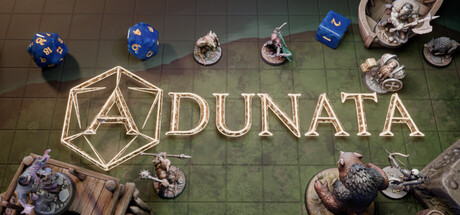 Adunata In-game content art | As a solo developer working on a passion project with very limited resources, I utilized generative AI as a workflow tool to help sketch out the initial base meshes and textures for the miniatures and terrain elements. However, every single asset was then manually refined, over painted, and fully optimized by me to ensure a consistent, high-quality art style and solid performance. | Maurizio Nitti | - | Jun 7, 2026 | |
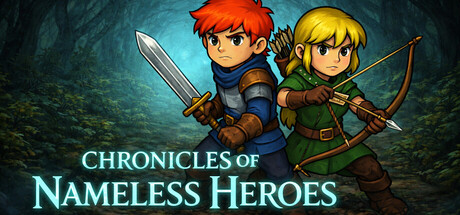 Chronicles of Nameless Heroes Store/marketing art | Generative AI was used only for a small portion of the game's visual and marketing materials, which were subsequently refined by the developer. The overwhelming majority of graphics and content were created manually or obtained from licensed sources. | MVAONE Games | - | Jun 7, 2026 | |
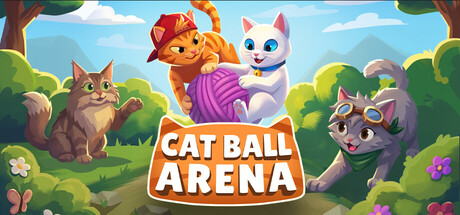 Cat Ball Arena In-game content audio | Generative AI was used to create ingame voices. | Fox with a Cap | - | Jun 7, 2026 | |
 娱游暇日 In-game content audio | The background music (BGM) in this game is AI-generated. | 芝兰之室 | - | Jun 6, 2026 | |
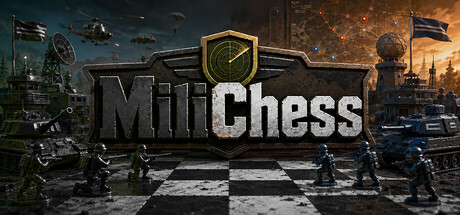 Milichess Dev only code | We use AI for code review and task scheduling. | Prairieville Games | - | Jun 5, 2026 | |
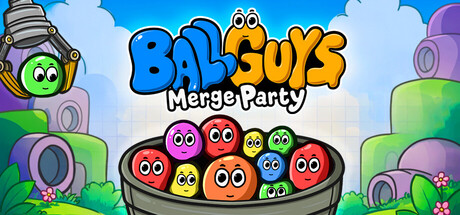 Ball Guys: Merge Party In-game content audiocodetext | We continue to draw all game art by hand.
Some of our sounds have been generated using a tool called ElevenLabs. We use a wide range of co-development tools to help optimise and test the code in our minigames. We have used tools like OpenAI to help with localisation of our content to other languages. | Half Moon Studios Ltd | - | Jun 5, 2026 | |
 Antistatic In-game content text | LLM coding tools were used to assist programming and for localizing text into non-English languages. No AI tools were used in the art process, audio, game design, or balancing. No version prior to 0.9 contained LLM output. | bluehexagons | - | Jun 5, 2026 | |
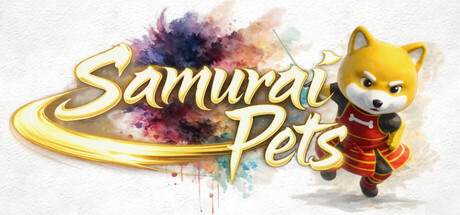 Samurai Pets In-game content art | Some of the 2D content was generated by AI but was then refined by humans to preserve the team’s artistic vision. | The Talking Boot Games | - | Jun 5, 2026 | |
 EA SPORTS™ College Football 27 In-game content text | Dynasty and RTG Modes - Storyline content in hub screen, Design Implementation and tuning
Commentary scripting support
Trophy Room Support
Creating more realistic play calls made by CPU teams | Tiburon | 2.2k | Jun 4, 2026 | |
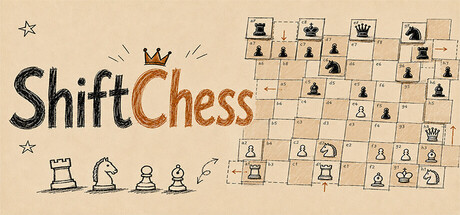 Shift Chess In-game content codetextart | This game uses generative AI to assist with code completion and localization translation. The game's library cover art, promotional images are hand-drawn and then enhanced with AI. | 冷游工作室 | - | Jun 4, 2026 | |
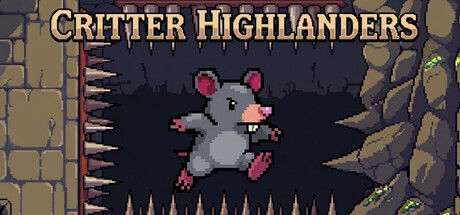 Critter Highlanders Dev only code | much of this game was vibe coded using Antigravity. | Oaklandishh | - | Jun 3, 2026 | |
 Passage 5 In-game content artcode | KI wird ungesetzt zur Unerstützung bei der Programmierung und der Grafikerstellung. | netmin games GmbH | - | Jun 3, 2026 | |
 MAGISTAL In-game content artaudio | The images and background music used in this game were created using a generative AI. | bitman games | - | Jun 3, 2026 | |
 Project:Taco In-game content arttext | An AI tool was used for the background images, along with translation tools such as Google Translate. | Gamelive.Studio | - | Jun 3, 2026 | |
 Super Arcade Soccer 2026 In-game content art | Some UI elements of this game are created with AI generative. | Calvary Games | - | Jun 3, 2026 | |
 Shadows of Gloaming Unclear text | Translation creation | Pilsen Games | - | Jun 3, 2026 | |
 G.H.O.S.T. Ghost Hunt Ops Special Team In-game content artaudio | Some 3D models (not all), some images (not all), voice acting. | Program Man | - | Jun 3, 2026 | |
 Meow Over Moo In-game content art | Some visual assets used on this Steam page were edited or retouched using AI-assisted tools, and the achievement icons were created using generative AI / AI-assisted tools. | Flipped Cat | - | Jun 3, 2026 | |
 Donboz Jailbreak In-game content art | All gameplay systems, game design decisions, balancing decisions, story/context decisions, implementation choices, and final creative decisions were made by the development team.
Generative AI tools were used only as assistive tools during development. This may include support for brainstorming, improving workflows, and creating or refining some static 2D visual materials used in the game and its marketing, such as item icons, UI-related images, capsule/key art elements, and visuals that may appear in trailers or screenshots.
All AI-assisted materials were reviewed, selected, edited, and approved by the developers before being included. No AI system makes gameplay decisions, controls game logic, generates levels, creates player-facing content, or produces images, videos, text, audio, or any other content in real time during gameplay. | SKR Interactive | - | Jun 3, 2026 | |
 Pun Chan Pop Unclear | Background post-production: color correction and shading, and some additional background objects. | Konkate Games | - | Jun 3, 2026 | |
 Phaseshift: Evolved In-game content artaudio | Currently, this game uses placeholder generative AI images for character portraits and voiceovers for the announcer. Hopefully these assets will be replaced by talented artists overtime. | Bubblehead Game Dev | - | Jun 3, 2026 | |
 Brutalball Manager 2 In-game content art | AI was used for shading of models. Some hair and facial hair variations were altered with AI. Some of the UI panels and icons were generated with AI. | Stout Kassel Games | - | Jun 3, 2026 | |
 Doom Party Store/marketing arttext | Some visual assets, promotional images, and text elements were created with the assistance of generative AI tools. The gameplay itself does not use live AI-generated content. | madmoud | - | Jun 3, 2026 | |
 Monster Tactic In-game content textart | Some of the text descriptions on the game’s store page, certain in-game localization texts, and some images used in the test version were generated with the help of AI technology. | KBZ Studio | - | Jun 3, 2026 | |
 Bump In-game content arttext | We use generative AI in a limited capacity for certain visual and written content.
Generative AI may be used for:
- Marketing materials, including promotional artwork, trailer graphics, and store page content.
- Loading screen images and decorative in-game poster artwork.
- Assistance with some written text, such as tutorials and informational content.
Generative AI is not used for:
- Live content generation during gameplay.
- Gameplay screenshots shown on the Steam store page.
- Maps, level geometry, character models, weapons, gameplay assets, game mechanics, or networking systems.
- Player-generated content. | TwinBrains Studio | 14 | Jun 3, 2026 | |
 Rabbit Claw Party In-game content textart | As a solo indie developer, I use AI to assist with multi-language localization and the creation of some background images. This helps me provide a smoother, more accessible player experience while allowing me to focus more time on gameplay, systems, level design, and other core parts of the game. | ZT-Studio | - | May 23, 2026 | |
 Busy Bar - World Tour Unclear art | Some parts of the game’s production may involve procedural or AI-assisted tools, mainly to speed up iteration, explore visual directions or support asset creation. The game’s concept, tone, style, story and final creative choices are developed and decided by us. | Flarewing Studios | - | May 23, 2026 | |
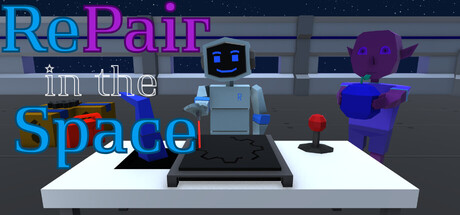 RePair in the Space In-game content text | AI was used solely to assist with the English and Spanish translations, which were then manually reviewed by the developers. However, they may still contain errors. If you find any, please let us know. | 2JDev | - | May 23, 2026 | |
 Les jeux du cycle In-game content audioart | AI helped me produce the game, some sounds and artwork! | Antoine | - | May 23, 2026 | |
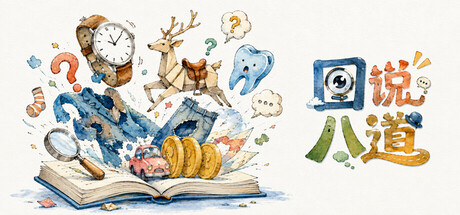 图说八道 In-game content art | Some art assets, promotional materials, or puzzle images in this game may have been created with the assistance of AI tools. All AI-assisted content is reviewed, edited, selected, and finalized by the developer before being used in the game.
The game does not include live generative AI features. Players will not enter prompts or generate new AI text, images, audio, or other content during gameplay. AI is only used as an auxiliary art creation tool during development. | StarryMatrix | - | May 23, 2026 | |
 Micro Party In-game content textartcode | Most of this game is AI-generated. In-game text (UI, game names, descriptions), graphics (player icons, vector elements), code and the majority of the micro-game implementations — all AI, then reviewed and curated by the developer. Localization to all non-English languages is AI-translated. No AI runs at runtime; everything is pre-generated and shipped statically. | Fabio Uwe Krapohl | - | May 23, 2026 | |
 King's Skirmish In-game content text | Translations made with IA | Cobem | - | May 23, 2026 | |
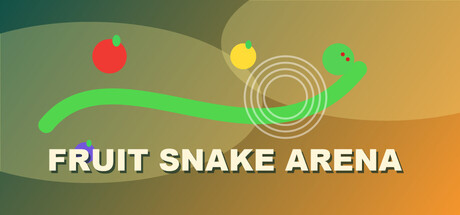 水果贪食蛇 Store/marketing arttext | Some store graphical assets, store copy drafts, and internal development materials were generated or assisted with AI tools. The game itself does not generate AI content during gameplay. | BAI XIAOGUANG | - | May 23, 2026 |


