Public Steam disclosure research25,380 disclosures tracked
Where do games disclose AI use?
Search developers’ Steam disclosures, compare classified AI use across
games, and follow recorded changes.
This index adds cross-game classifications and statistics to
statements published on individual store pages.
Groups reflect automatic analysis of public disclosures; mature records are excluded. These counts do not measure AI use across all of Steam.
Missing or unclear statements cannot establish whether a game uses AI.
AI tools are used in a limited capacity for language polishing and coding support. All story content, characters, and creative direction are created by the development team. No AI-generated voice acting, art, or music is used.
Generative AI tools were used to assist with writing, reviewing, and improving parts of the game's code.
All models, textures, images, sounds, and music used in Single Note are created through human work. The game does not use AI-generated visual assets, audio assets, music, or 3D models.
Single Note is developed by a small independent studio, and AI tools were used as development assistance during production. All final implementation decisions, testing, integration, and creative direction are handled by Fanjoy Studio. The game does not use live-generated AI content during gameplay.
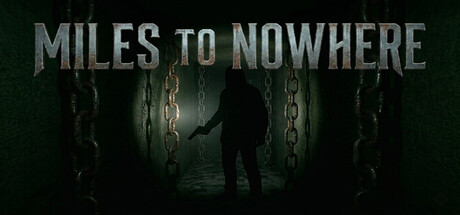
Artificial intelligence tools were used solely for the creation of marketing materials and specific 2D visual assets, such as the game's capsule art and promotional banners. Please note that all core gameplay mechanics, coding, level design, and narrative elements of Miles to Nowhere have been developed manually without the use of AI. Our use of AI is limited to enhancing the game's visual presentation on the Steam storefront to better reflect the intended atmosphere.
Some non-essential visual assets (such as certain textures or illustrative images) were partially generated using AI tools and subsequently edited before being included in the game.
This game used generative AI as part of an AI-assisted development workflow for selected pre-rendered assets and supporting materials, including some illustrations, video assets, audio/music production support, localization text, and store promotional materials. All AI-assisted materials were selected, edited, revised, proofread, and integrated by the developer. The game does not contain real-time AI generation, player-generated AI content, or any AI system that generates content during gameplay.
Chrongrid is a narrative experience product powered by large language models (LLMs). In-game dialogue, scene descriptions, and character responses are generated in real time by an AI model — you can choose a third-party API service (such as DeepSeek, OpenAI, or Anthropic), or run a model locally on your machine via Ollama. You provide your own API credentials and bear the associated costs; we do not operate any server to relay your requests. The AI generates dialogue and descriptive text at runtime, always within the constraints of pre-authored narrative blueprints, characters, and world settings.
This game utilizes AI-assisted tools to help compose background assets for certain scenes. All AI-generated elements have been meticulously reviewed and refined by our development team to ensure they fully align with the game's atmospheric theme, narrative tone, and artistic vision.
The developer utilized AI tools to assist in the development process. AI was used to help generate concept art, some minor 2D environmental textures/UI elements, and to assist with structuring the game's programming framework. All AI-assisted content has been reviewed, heavily modified, and manually integrated by the developer to match the game's specific artistic vision and mechanics.
AI tools were used to assist with text editing, translation, illustrations, and marketing materials.
Game concept, writing, music direction, and narrative structure were created by a human.
This game only uses AI-generated sound effects in partial content. All AI materials have been manually reviewed and modified, with no real-time AI content generated during gameplay.
Generative AI was used solely as a supplementary tool for music composition and a small number of non-core textures (such as background patterns and decorative assets). All AI-assisted content has undergone significant manual refinement and human oversight to ensure it meets our artistic standards and visual style. AI was used only to enhance development efficiency; all core character designs, key art, and narrative elements remain 100% human-authored.
I used AI tools (such as ChatGPT) to assist in writing scripts and optimizing the game code, which helped bridge the technical gap as an individual developer. Additionally, AI was used for English translation and proofreading to ensure a natural and high-quality narrative for global players.
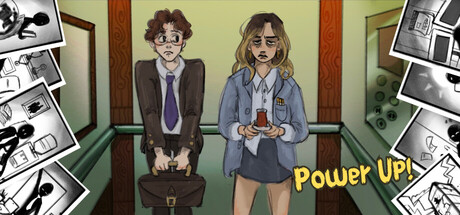
At the core of Power Up, we believe in pushing the boundaries of creativity by blending human artistry with cutting-edge technology. To deliver a truly immersive and high-energy experience, we have utilized Generative AI tools in the following areas:
Music and Soundscapes: Some of the soundtracks and ambient audio elements in the game were composed or enhanced using AI-driven music generation tools. These were used as a foundational layer, then meticulously arranged and polished by our team to ensure they perfectly match the rhythm and atmosphere of the gameplay.
Visual Assets and World-Building: Certain environmental textures, concept art, and UI elements were developed with the assistance of AI image generation to create a diverse and visually rich world.
Narrative and Dialogue: AI tools were used to brainstorm dialogue variations and assist in localization, ensuring that the world feels alive and reactive to your progress.
Developer’s Commitment: Every AI-generated asset has been hand-reviewed, edited, and refined by our developers. We use AI not as a replacement for human creativity, but as a "Power Up" for our team to bring you a larger, more polished, and more melodic gaming experience than ever before.
During early development, some voice lines are generated using AI technology as part of the prototyping process. These elements are subject to change and may be replaced with fully produced voice acting in future updates. The rest of the game content is created manually or using properly licensed assets.
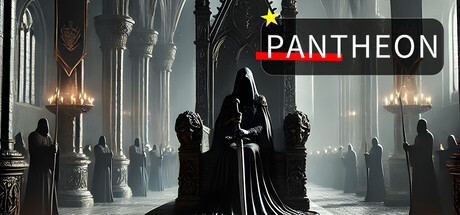
Some background art in Pantheon is AI-assisted. The characters, story, and all core creative elements are original.
Due to limited funds, AI backgrounds are used for now. With future income, they will be gradually replaced with hand-drawn art.
Thank you for your understanding and support.
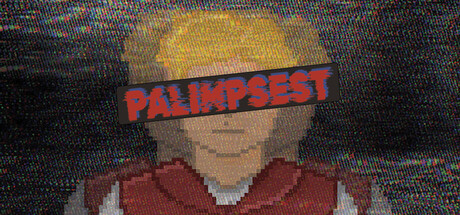
Palimpsest features two visual styles: pixel art and realism point-and-click scenes. Some point-and-click assets are created using a combination of generative AI and Photoshop, contributing to the game’s intentionally unsettling visual tone.
AI was used to extend the variations in characters and to enhance some of our own visuals.
Voices were performed by actual actors or AI voices.
Original music was enhanced with AI.
Some visual and audio assets in the game were created or assisted using AI tools during development. These assets were further refined and integrated by the developer to ensure consistency and quality.
Some textures and 3D models in this game were created using AI-assisted procedural rendering during development. The game does not generate any content with AI at runtime.
Some visual assets used in the game’s store page and promotional materials were created with the assistance of generative AI tools. All gameplay content, writing, and narrative design are created by the developer.
This game uses generative AI to power NPC letter responses during gameplay. When players write to in-game characters, an AI system generates personalized replies based on each character's predefined personality, knowledge boundaries, and narrative role. The AI does not create story content freely. It operates within a structured information system where specific clues and facts are released only when triggered by the player's questions. All narrative content, character writing, and story outcomes are authored by the development team. The AI serves as a delivery mechanism for this authored content, not as a content creator.No art or music assets are generated by AI. All visual and audio assets in the game are created by human artists. Credits can be found on our website.Why AI is used: The core gameplay revolves around investigating through freely written letters. Every player asks different questions, follows a different investigative path, and sometimes needs to persuade, pressure, or confront characters to pry loose specific information — meaning NPC responses cannot be pre-written. They must be generated in real time based on each player's specific inquiries. AI is the necessary means to enable this gameplay, not a replacement for human creators or a cost-saving measure. Without AI, this game's core mechanic simply could not exist.Our team is made up of game enthusiasts and young professionals with an average age of 24. We are not an AI technology company. Our Demo is 100% free to play, and we do not use player data for any AI model training. We understand that AI technology remains ethically complex, and we take the concerns of players and fellow creators seriously. We believe, and are committed to proving, that human creativity can command AI, not the other way around. Listening to your feedback is our responsibility. We welcome any questions, suggestions, or concerns about our use of AI — please reach out to our email or our [Discord/QQ]. Your feedback will help us improve and do better.
As a solo developer, I utilize generative AI tools to assist in creating base 3D assets, environmental props, and certain 2D visual elements to streamline the development process. Additionally, AI is used to support the initial localization of game text, which is then manually reviewed and refined to ensure accuracy and cultural relevance. Every AI-assisted asset and text is carefully hand-edited to fit the game's specific art style and technical standards.
AI was used to expand store assets to the correct dimensions. All game content including environments, textures, narrative, and audio was created WITHOUT generative AI.
We utilize generative artificial intelligence during our development process strictly as an art-assistance tool. Unlockable player avatars, profile badges, and chat emotes were created or conceptualized using AI image generators.
AI tools are used in a limited capacity for language polishing and coding support. All story content, characters, and creative direction are created by the development team. No AI-generated voice acting, art, or music is used.
Generative AI tools were used to assist with writing, reviewing, and improving parts of the game's code.
All models, textures, images, sounds, and music used in Single Note are created through human work. The game does not use AI-generated visual assets, audio assets, music, or 3D models.
Single Note is developed by a small independent studio, and AI tools were used as development assistance during production. All final implementation decisions, testing, integration, and creative direction are handled by Fanjoy Studio. The game does not use live-generated AI content during gameplay.
Artificial intelligence tools were used solely for the creation of marketing materials and specific 2D visual assets, such as the game's capsule art and promotional banners. Please note that all core gameplay mechanics, coding, level design, and narrative elements of Miles to Nowhere have been developed manually without the use of AI. Our use of AI is limited to enhancing the game's visual presentation on the Steam storefront to better reflect the intended atmosphere.
Some non-essential visual assets (such as certain textures or illustrative images) were partially generated using AI tools and subsequently edited before being included in the game.
This game used generative AI as part of an AI-assisted development workflow for selected pre-rendered assets and supporting materials, including some illustrations, video assets, audio/music production support, localization text, and store promotional materials. All AI-assisted materials were selected, edited, revised, proofread, and integrated by the developer. The game does not contain real-time AI generation, player-generated AI content, or any AI system that generates content during gameplay.
Chrongrid is a narrative experience product powered by large language models (LLMs). In-game dialogue, scene descriptions, and character responses are generated in real time by an AI model — you can choose a third-party API service (such as DeepSeek, OpenAI, or Anthropic), or run a model locally on your machine via Ollama. You provide your own API credentials and bear the associated costs; we do not operate any server to relay your requests. The AI generates dialogue and descriptive text at runtime, always within the constraints of pre-authored narrative blueprints, characters, and world settings.
This game utilizes AI-assisted tools to help compose background assets for certain scenes. All AI-generated elements have been meticulously reviewed and refined by our development team to ensure they fully align with the game's atmospheric theme, narrative tone, and artistic vision.
The developer utilized AI tools to assist in the development process. AI was used to help generate concept art, some minor 2D environmental textures/UI elements, and to assist with structuring the game's programming framework. All AI-assisted content has been reviewed, heavily modified, and manually integrated by the developer to match the game's specific artistic vision and mechanics.
AI tools were used to assist with text editing, translation, illustrations, and marketing materials.
Game concept, writing, music direction, and narrative structure were created by a human.
This game only uses AI-generated sound effects in partial content. All AI materials have been manually reviewed and modified, with no real-time AI content generated during gameplay.
Generative AI was used solely as a supplementary tool for music composition and a small number of non-core textures (such as background patterns and decorative assets). All AI-assisted content has undergone significant manual refinement and human oversight to ensure it meets our artistic standards and visual style. AI was used only to enhance development efficiency; all core character designs, key art, and narrative elements remain 100% human-authored.
I used AI tools (such as ChatGPT) to assist in writing scripts and optimizing the game code, which helped bridge the technical gap as an individual developer. Additionally, AI was used for English translation and proofreading to ensure a natural and high-quality narrative for global players.
At the core of Power Up, we believe in pushing the boundaries of creativity by blending human artistry with cutting-edge technology. To deliver a truly immersive and high-energy experience, we have utilized Generative AI tools in the following areas:
Music and Soundscapes: Some of the soundtracks and ambient audio elements in the game were composed or enhanced using AI-driven music generation tools. These were used as a foundational layer, then meticulously arranged and polished by our team to ensure they perfectly match the rhythm and atmosphere of the gameplay.
Visual Assets and World-Building: Certain environmental textures, concept art, and UI elements were developed with the assistance of AI image generation to create a diverse and visually rich world.
Narrative and Dialogue: AI tools were used to brainstorm dialogue variations and assist in localization, ensuring that the world feels alive and reactive to your progress.
Developer’s Commitment: Every AI-generated asset has been hand-reviewed, edited, and refined by our developers. We use AI not as a replacement for human creativity, but as a "Power Up" for our team to bring you a larger, more polished, and more melodic gaming experience than ever before.
During early development, some voice lines are generated using AI technology as part of the prototyping process. These elements are subject to change and may be replaced with fully produced voice acting in future updates. The rest of the game content is created manually or using properly licensed assets.
Some background art in Pantheon is AI-assisted. The characters, story, and all core creative elements are original.
Due to limited funds, AI backgrounds are used for now. With future income, they will be gradually replaced with hand-drawn art.
Thank you for your understanding and support.
Palimpsest features two visual styles: pixel art and realism point-and-click scenes. Some point-and-click assets are created using a combination of generative AI and Photoshop, contributing to the game’s intentionally unsettling visual tone.
AI was used to extend the variations in characters and to enhance some of our own visuals.
Voices were performed by actual actors or AI voices.
Original music was enhanced with AI.
Some visual and audio assets in the game were created or assisted using AI tools during development. These assets were further refined and integrated by the developer to ensure consistency and quality.
Some textures and 3D models in this game were created using AI-assisted procedural rendering during development. The game does not generate any content with AI at runtime.
Some visual assets used in the game’s store page and promotional materials were created with the assistance of generative AI tools. All gameplay content, writing, and narrative design are created by the developer.
This game uses generative AI to power NPC letter responses during gameplay. When players write to in-game characters, an AI system generates personalized replies based on each character's predefined personality, knowledge boundaries, and narrative role. The AI does not create story content freely. It operates within a structured information system where specific clues and facts are released only when triggered by the player's questions. All narrative content, character writing, and story outcomes are authored by the development team. The AI serves as a delivery mechanism for this authored content, not as a content creator.No art or music assets are generated by AI. All visual and audio assets in the game are created by human artists. Credits can be found on our website.Why AI is used: The core gameplay revolves around investigating through freely written letters. Every player asks different questions, follows a different investigative path, and sometimes needs to persuade, pressure, or confront characters to pry loose specific information — meaning NPC responses cannot be pre-written. They must be generated in real time based on each player's specific inquiries. AI is the necessary means to enable this gameplay, not a replacement for human creators or a cost-saving measure. Without AI, this game's core mechanic simply could not exist.Our team is made up of game enthusiasts and young professionals with an average age of 24. We are not an AI technology company. Our Demo is 100% free to play, and we do not use player data for any AI model training. We understand that AI technology remains ethically complex, and we take the concerns of players and fellow creators seriously. We believe, and are committed to proving, that human creativity can command AI, not the other way around. Listening to your feedback is our responsibility. We welcome any questions, suggestions, or concerns about our use of AI — please reach out to our email or our [Discord/QQ]. Your feedback will help us improve and do better.
As a solo developer, I utilize generative AI tools to assist in creating base 3D assets, environmental props, and certain 2D visual elements to streamline the development process. Additionally, AI is used to support the initial localization of game text, which is then manually reviewed and refined to ensure accuracy and cultural relevance. Every AI-assisted asset and text is carefully hand-edited to fit the game's specific art style and technical standards.
AI was used to expand store assets to the correct dimensions. All game content including environments, textures, narrative, and audio was created WITHOUT generative AI.
We utilize generative artificial intelligence during our development process strictly as an art-assistance tool. Unlockable player avatars, profile badges, and chat emotes were created or conceptualized using AI image generators.